

Can You Pay in Xinjiang with a Foreign Credit Card? Visa, Mastercard and Apple Pay in 2026
The Night My Visa Card Got Declined in Urumqi
I landed at Urumqi Diwopu International Airport at 1.40 a.m. after a 9-hour flight from Istanbul, walked to the front desk of a perfectly respectable four-star hotel, and watched the receptionist shake her head at my Visa card three times. “Meiyou,” she said. No. The card that had paid for hotels from Lisbon to Tokyo was useless here, and I had exactly ¥80 in my pocket. That night taught me more about money in Xinjiang than any guidebook, and it is the reason I now write this before every trip.
If you are a foreign traveller planning a self-drive loop through Xinjiang, the single most practical money question is simple: can I just use the card in my wallet? The honest answer is half yes. Your Visa, Mastercard or Amex will work in a surprisingly narrow band of places and fail almost everywhere else. Below is exactly where it works, where it does not, and the cash plan that keeps a 2,000 km road trip from stalling at a petrol pump.

Where Your Foreign Card Will Actually Swipe
Foreign cards clear through UnionPay-adverted terminals that have signed on to the international schemes. In Xinjiang that describes the polished, tourist-facing layer of the economy and almost nothing beneath it.
International and Upscale Hotels
The Sheraton, Hilton, Marriott-affiliated and top-tier local chains in Urumqi, Kashgar and Turpan almost always take foreign Visa and Mastercard at the front desk. I have checked into the Kashgar Renmin Hotel and a Urumqi business hotel on a UK Mastercard without a hitch. The catch is the pre-authorisation: many desks freeze ¥1,000–3,000 as a deposit and the hold can take 7–30 days to release after you leave. Always ask how much they block and confirm the release timing in writing.
Large Malls, Supermarkets and Airport Duty Shops
Big-box retailers and department stores in Urumqi’s major malls (Friendship Store, the large Trust-Mart style supermarkets, and airport duty-free) run modern POS terminals that accept foreign cards. A ¥240 box of dried apricots at a Urumqi supermarket rang up fine on my Visa. The moment you step into a neighbourhood convenience store, the odds collapse.
Domestic Airline and Train Booking Sites
China Southern, Air China and the official 12306 train site accept foreign cards for online payment, which is how most visitors book the Urumqi–Kashgar flight or the rail leg into the region. This is the one place a foreign card is not just accepted but expected, because these platforms were built for international tickets.
Some Ticket Counters at Major Attractions
The main entrance kiosks at headline sights such as Heavenly Lake (Tianchi), Kanas and Sayram Lake sometimes take foreign cards at the staffed window. Emphasis on sometimes and staffed. The automated self-service machines and the small side gates almost never do. Build in a cash buffer for every park fee, because the ¥100–215 entrance plus the ¥60–90 shuttle bus inside places like Kanas adds up fast.
Where Your Card Flat-Out Will Not Work
This is the list that ruins road trips. Memorise it before you leave the highway.
Petrol Stations
Nearly every fuel stop in Xinjiang runs on a prepaid fleet card, Alipay or WeChat Pay. The attended pumps at China Petroleum and Sinopec in city limits may take cash if you wave enough, but the remote stations on the Duku Highway and the G3012 expressway are card-and-app only. Carry enough cash for at least two full tanks (figure ¥300–500 per fill for an SUV) or read our guide to paying at Xinjiang petrol stations as a foreigner.
Noodle Shops, Bazaars and Roadside Stalls
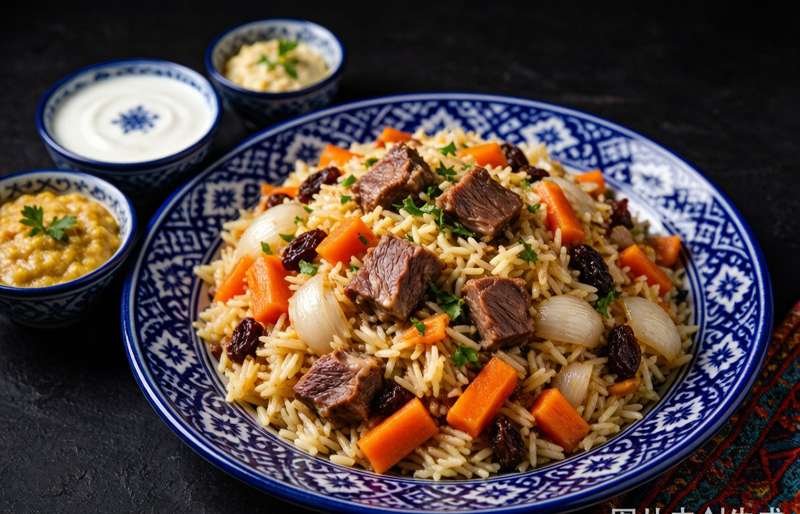
The ¥12 bowl of laghman, the ¥5 naan, the ¥30 knife from the Kashgar Sunday livestock market, the ¥8 melon by the road: none of it takes plastic from abroad. These are cash, Alipay or WeChat transactions, full stop. Across a month of travel the small purchases dominate your day-to-day spend, which is why the cash buffer matters more than the hotel bill.
Tolls, Parking and Highway Service Areas
Expressway tolls are electronic and tied to your licence plate; the system settles through Alipay or a prepaid account, not a tapped card. Paid parking in city lots is the same. Forget tapping a foreign card at the gate.
Guesthouses and Yurt Camps in Remote Counties
The lovely family-run stays in Hemu, the yurt camps near Karakul Lake, the guesthouses in Tashkurgan: almost all take cash only, and a few take WeChat if the host has signal. I once paid ¥260 for a homestay near Bayinbuluke entirely in ¥100 notes because the card machine “was broken” — which in rural Xinjiang usually means “does not exist.”

The Apple Pay, Google Pay and Samsung Pay Problem
Travellers assume their phone wallet solves everything. It mostly does not, for a technical reason worth understanding. Chinese payment terminals default to the UnionPay network. When you tap Apple Pay linked to a foreign Visa, the terminal frequently rejects it because the merchant has not enabled the cross-border routing, not because your bank declined it. Google Pay and Samsung Pay behave the same way.
The one partial fix is binding a foreign card inside Alipay or WeChat Pay. Both apps have added a “foreign card” binding path that works for some Visa and Mastercard holders, but acceptance is inconsistent and the linked card often cannot pay small offline vendors. Treat phone wallets as a bonus, never your backbone. For the broader picture of mobile payment setup, see our Alipay, WeChat and cash guide for foreigners in China.
ATMs: Your Real Lifeline
The dependable way to get spendable money is a foreign-card withdrawal from a bank ATM. Bank of China and ICBC machines in Urumqi, Kashgar, Yining and Korla reliably accept Visa and Mastercard debit and credit cards. A few practical numbers from my last two trips:
- Daily withdrawal cap is usually ¥2,500–5,000 per card, set by your own bank rather than the machine.
- Expect a foreign transaction fee of roughly 3% plus a flat ¥15–30 from the Chinese side.
- Withdraw in ¥, never let the machine “convert” to your home currency — the dynamic rate is worse.
- Avoid the standalone “Currency Exchange” booths in tourist strips; the rate stings and some only deal in cash-to-cash.
Pull a fat wad in Urumqi on day one and top up in Kashgar and Yining. Our ATM and currency exchange guide maps the branches that actually work.

The Car-Rental Deposit Trap
This one bites self-drivers specifically. Most agencies in Urumqi will hand you a car, but the deposit is the snag. Several only release the vehicle against a UnionPay card or a refundable ¥5,000–10,000 cash deposit, because their system cannot place a hold on a foreign card the way a hotel can. One agency quoted me a ¥8,000 cash block “or we keep your passport” — walk away from any place that suggests holding your passport, it is illegal and unnecessary.
Plan for this before you book. Some international platforms and the larger Urumqi desks do accept a foreign-card pre-auth for the deposit, but confirm it in writing and screenshot the confirmation. The insurance excess is a separate headache: read our car rental insurance and excess guide and the full renting-a-car-in-Xinjiang guide before you commit.
A Money Plan That Actually Works
After three Xinjiang loops I use the same routine, and it has not failed yet:
- Two cards, not one. Carry a Visa and a Mastercard from different banks; if one network is down at a terminal, the other often works.
- Notify both banks of travel to China before you fly, or the fraud block will trigger on the first Urumqi ATM.
- Land with ¥2,000–3,000 cash. Enough for the airport transfer, the first meals, and a fuel stop if the app fails.
- Set up Alipay and WeChat on your phone using your passport before departure, and try binding a foreign card as a backup.
- Refill cash in the three big cities — Urumqi, Kashgar, Yining — and never let the wad drop below ¥500 in the southern counties.
What I Tell Every Friend Heading West
Your foreign card is a hotel-and-mall convenience in Xinjiang, not a travelling wallet. It will cover the big, planned, urban purchases and the flights home. It will abandon you at the petrol pump, the noodle stall, the toll gate and the yurt camp. Pack two cards, arrive with a stack of ¥100 notes, and treat the ATM as your daily bank. Do that, and the only thing your Visa declines will be the souvenir knife you probably did not need anyway.
Frequently Asked Questions
Will Apple Pay work at Xinjiang hotels?
Often yes at international chains, because the terminal is configured for cross-border cards. At smaller hotels and almost everywhere else, no. Do not rely on it as your only method.
Can I use my foreign card at a gas station?
Rarely. City attended pumps may take cash; remote stations are app or fleet-card only. Carry cash for fuel.
Which ATM is safest for withdrawals?
Bank of China and ICBC machines in major cities. Withdraw in ¥, decline the machine’s currency conversion, and ignore street exchange booths.
Do car rentals take foreign cards for the deposit?
Some large Urumqi desks do; many smaller agencies demand UnionPay or a cash block of ¥5,000–10,000. Confirm in writing before booking.