
Laghman: Xinjiang’s Hand-Pulled Noodle Obsession (And How to Order It)
The First Time You See It, You’ll Stare
If you’ve spent more than three days in Xinjiang, you’ve seen it: a bowl the size of a dinner plate, heaped with glistening wheat noodles, buried under a mountain of stir-fried lamb, peppers, onions, and tomatoes. No fork. No knife. Just chopsticks, a small bowl of raw garlic on the side, and a local sitting across from you pulling noodles straight out of the bowl with terrifying speed.
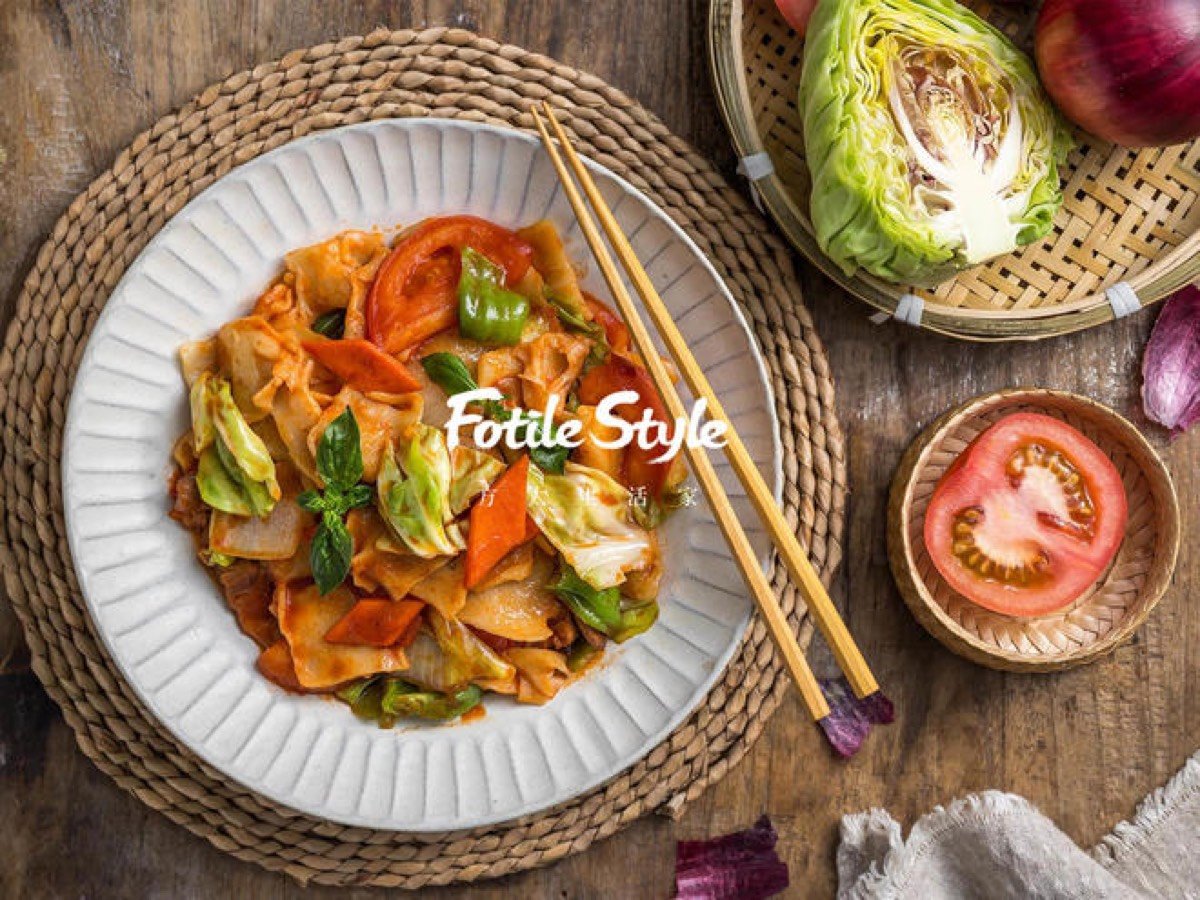
This is laghman (拉条子, lā tiáo zi) — Xinjiang’s most everyday, most beloved, and most deceptively simple noodle dish. It is not “Uyghur spaghetti.” It is not “Central Asian lo mein.” It is its own thing, with a texture, a logic, and a cultural footprint that you need to understand before you sit down to order it — because laghman is not just food. It’s a measure of whether a restaurant knows what it’s doing.
 Laghman noodles Xinjiang style with vegetables and lamb” style=”width:100%;max-width:700px;display:block;margin:24px auto;border-radius:8px;” />
What Laghman Actually Is
The word laghman (sometimes spelled leghmen or liagmian) comes from the Uyghur language, and before that, most likely from the Persian lākh (noodle) or the Dungan/Chagatay lagma. It refers to hand-pulled wheat noodles, typically served with a wet stir-fry topping (polu-style sauce, but with noodles instead of rice).
The defining characteristics are:
- The noodles are pulled, not cut. A skilled cook takes a cylinder of proofed wheat dough, rolls it between palm and table, and pulls it into long, irregular ribbons. The texture is chewy, tensile, and thick enough to carry sauce — nothing like machine-extruded noodles.
- The topping is a wet stir-fry. Diced lamb (or beef), onions, green peppers, tomatoes, sometimes celery or cabbage, quickly wok-fried with a splash of the noodle blanching water. It’s not a dry sauté and it’s not a soup — it’s somewhere in between.
- It comes in one portion. A big one. Laghman is almost always a single-serving dish, but the serving size is substantial: 200–300g of noodles plus topping. Most travellers cannot finish a full portion on their first try.
The History: Silk Road Noodle Linguistics
Laghman’s origin story is a classic Silk Road mashup. Wheat noodles themselves are profoundly Chinese — the earliest archaeological evidence of wheat noodle consumption in Xinjiang dates to around 4,000 years ago (the famous Lajia site in Qinghai, just southeast of Xinjiang, produced 4,000-year-old noodles). But the Central Asian laghman tradition — hand-pulled noodles served with a meat-and-vegetable topping — is a hybrid.
Two threads converged in Xinjiang:
- The Chinese wheat-noodle tradition (Han and Hui communities, 2,000+ years of wheat cultivation in the Tarim Basin oases).
- The Central Asian hand-pulled noodle tradition (Uyghur, Dungan, and broader Persian-influenced culinary sphere, where noodles are paired with spiced meat toppings).
The result is what you eat today across Kashgar, Urumqi, Yili, and every oasis town in between. Laghman is the daily default for Uyghur families, for office workers in Urumqi, and for truck drivers stopping at roadside chaykhana (teahouse) joints from Kuqa to Khotan.
Unlike Uyghur cuisine staples like polu (pilaf), which is ceremonial and often reserved for guests, laghman is democratic. You eat it at 8 a.m. (with yesterday’s leftover topping), at 2 p.m. (fresh off the wok), and at 9 p.m. (after a long day on the Duku Highway). It is the noodle of everyday life.
The Anatomy of a Bowl: Ingredients & Technique
The Noodle
The dough is simple: wheat flour, water, salt, and sometimes a tiny amount of oil. The secret is in the kneading and the rest. The dough is kneaded until it’s elastic, then left to rest for 30–60 minutes so the gluten relaxes. Then the cook pulls.
In a restaurant, you’ll sometimes see the ashpaz (cook) pulling noodles tableside — a performance of slapping dough against the counter, stretching it into a rope, then folding and pulling again until the strand multiplies into a handful of noodles. The best ones do this with a rhythm that looks like breadmaking meets jump rope.
The noodles are then blanched in boiling water (30–60 seconds — they should be al dente chewy, not soft), drained, and either plated underneath the topping or tossed with it in the wok for the last 10 seconds.
The Topping (Soyuq / 浇头)
The standard laghman topping varies by region, but the Uyghur baseline is:
- Lamb (or beef) — diced into 1–2 cm cubes, marinated briefly with salt, pepper, and sometimes a drop of vinegar
- Onion (often half a medium onion, sliced)
- Green bell pepper (or qalampir — local Xinjiang peppers, which are mild and fragrant)
- Tomato (fresh, diced — this is what gives the sauce its color and acidity)
- Garlic (added at the very end, sometimes raw on the side)
- Chili oil or dried chili (optional, but common in southern Xinjiang / Kashgar style)
The wok technique matters. High heat, fast fry — the vegetables should retain crunch, the meat should be seared but not tough, and the whole thing should come together in under 3 minutes. Then a ladle of the noodle blanching water goes in to create a glossy, clingy sauce that coats every strand.
Variations You’ll Actually Encounter
| Variation | What’s Different | Where Common |
|---|---|---|
| Goosh Laghman (Meat Laghman) |
Extra meat, same veg. The “full” version. | Everywhere |
| Suyuq Laghman (Soupy Laghman) |
More broth, noodles served in a bowl with soup. Comfort food. | Northern Xinjiang, Yili |
| Qoruma Laghman (Dry-Fried Laghman) |
Noodles tossed in the wok with the topping (像炒面). More intense flavor. | Urumqi, urban areas |
| Kao Laghman (Grilled Laghman) |
Noodles briefly grilled with sauce and veg on a flat iron plate. Uncommon but worth trying. | Kashgar night market |
 lamb kebab with Laghman noodles Uyghur restaurant” style=”width:100%;max-width:700px;display:block;margin:24px auto;border-radius:8px;” />
Where to Eat Laghman: A Traveller’s Guide
Laghman is ubiquitous, but not all laghman is equal. Here’s how to find the good stuff.
Kashgar (喀什)
The old city is full of tiny laghmanchanas (noodle houses). The best ones have no English sign, a visible noodle-pulling station, and a steady stream of locals eating there at 2 p.m. Look for places on the eastern side of the old city, away from the main tourist streets.
What to order: Standard lamb laghman + a side of samsa (meat pastry) if they have it fresh from the tonur (clay oven).
Urumqi (乌鲁木齐)
In the capital, laghman goes upscale. There are Uyghur restaurants in the Saybagh district and near the Regional Museum that serve excellent laghman in a cleaner, more traveller-friendly setting. Erdaoqiao (二道桥) area has both tourist-oriented and authentic options — the trick is to walk 2 blocks away from the main square.
Yili / Ili Valley (伊犁)
The Yili style is lighter — more vegetables, sometimes a touch of vinegar in the sauce. The noodles here are often slightly thinner than the Kashgar version. If you’re in Yining (伊宁), ask for “Ili laghman” and see what comes — it’s sometimes served with a boiled egg on the side, a local touch.
On the Road (Duku Highway, Desert Highway)
Roadside restaurants between Kuqa and Nalati, or along the Duku Highway, almost always have laghman. It’s the fastest thing they can cook for a table of 6 hungry travellers. Quality varies wildly — the telltale sign of a good roadside laghman is whether the cook is pulling the noodles fresh (listen for the dough-slapping sound) or reaching for a bag of dried noodles from the shelf.
How to Order Laghman: English Menu Decoder
Many Uyghur restaurants have bilingual menus (Chinese + Uyghur), but English is hit-or-miss. Here’s a phrase sheet you can actually use.
| English | Chinese (Mandarin) | Uyghur (Latin) | Notes |
|---|---|---|---|
| Laghman (noodles) | 拉条子 / 拌面 | Laghman | Standard order |
| Lamb laghman | 羊肉拉条子 | Qoy laghmani | Most common |
| Beef laghman | 牛肉拉条子 | Kala laghmani | Good alternative |
| No spicy / mild | 不辣 / 微辣 | Achchiq emes | Say this if you don’t want chili |
| Extra noodles | 加面 | Chöp qoş | Often free! Just ask |
| Garlic | 大蒜 | Sarimsaq | Usually served on the side |
| Naan (bread) | 馕 | Nan | Order on the side to scoop |
Pro tip: In many Uyghur restaurants, asking for “jiā miàn” (加面 — “add noodles”) after you finish the first serving is often free or costs just ¥2–5. Locals do this. You should too.
The Etiquette: How to Eat Laghman Like a Local
- Use chopsticks. Forks are available in some places, but laghman is designed for chopsticks. The noodles are long — you’re supposed to slurp (a little).
- Crush the garlic. The small dish of raw garlic cloves is not decoration. Smash one with your chopsticks, peel it, eat it alongside the noodles. The combination is classic.
- Don’t rush the topping. Mix the noodles and the sauce thoroughly before your first bite. The bottom of the bowl is where the flavor hides.
- Tea is free, ask for it. Most restaurants serve chay (black tea, sometimes with milk) — it cuts the richness of the lamb.
- If it comes with vinegar and chili oil on the table — use them. A dash of black vinegar at the table (not in the cooking) is how locals brighten the dish.
 Uyghur restaurant traditional oven” style=”width:100%;max-width:700px;display:block;margin:24px auto;border-radius:8px;” />
Can You Make Laghman at Home? (A Realistic Take)
Yes — but manage your expectations. Hand-pulled noodles are a muscle-memory skill. That said, here’s a simplified approach for the determined.
The Dough (Serves 2)
- 300g high-gluten wheat flour
- 150ml warm water
- 1 tsp salt
- 1 tbsp vegetable oil
Mix, knead for 10 minutes, rest for 45 minutes, then divide into 4–6 cylinders. Roll each cylinder into a long rope, coat with oil, and let rest for another 20 minutes. Then pull.
The pull: Hold both ends of the rope. Swing it gently to stretch. Fold in half, stretch again. Repeat until you have 4 strands. Do it 2–3 more times and you’ll have a handful of noodles. It takes practice — your first batch will look like gnocchi. Your third batch will look like noodles.
The Topping (Quick Version)
- 150g lamb, diced
- 1 onion, sliced
- 1 green pepper, sliced
- 1 tomato, diced (or 1 tbsp tomato paste)
- 2 cloves garlic, minced
- Salt, black pepper, 1 tsp chili flakes (optional)
Stir-fry the lamb in a wok on high heat for 2 minutes. Add onion and pepper, fry for another 2 minutes. Add tomato, garlic, salt, pepper, and 100ml water. Simmer for 3 minutes. Toss with the boiled noodles. Eat immediately.
The Verdict
Laghman will not win awards for presentation. It is a bowl of noodles and stir-fry, served on a plastic table, in a restaurant where the menu is a wall of Chinese characters you can’t read. But it will win on memory. It is the dish you think about six months later when you’re eating supermarket pasta and wondering why it doesn’t taste like anything.
If you’re planning a trip to Kashgar or driving the Duku Highway, make laghman your daily default. It’s cheap (¥18–35), filling, and everywhere. And once you learn to say “jiā miàn”, you’ll never be hungry in Xinjiang again.
Featured image alt text: Hand-pulled laghman noodles Xinjiang Uyghur cuisine
Inline image 2 alt text: Xinjiang lamb laghman with vegetables Uyghur restaurant
Inline image 3 alt text: Fresh naan bread traditional clay oven Xinjiang