
Kashgar Old Town: Cultural Heart of Xinjiang – Complete Guide 2026
Introduction: Step Into a Living Museum
For our complete Xinjiang Travel Guide, see our dedicated Xinjiang Travel Guide with practical details on safety, costs, and planning.
If Xinjiang is the crown jewel of China’s western frontier, then Kashgar (also spelled Kashi) is undoubtedly its cultural heart. Located in the far southwestern corner of Xinjiang, near the borders with Kyrgyzstan, Pakistan, Afghanistan, and Tajikistan, Kashgar has been a major oasis city on the Silk Road for over 2,000 years. And at the center of this ancient city lies the Kashgar Old Town (also called the Kashgar Ancient City), a labyrinth of narrow alleys, traditional adobe architecture, bustling bazaars, and centuries-old mosques that will make you feel like you’ve stepped back in time. For travelers embarking on Xinjiang free independent travel, the Old Town is not just a destination – it’s an essential, transformative experience.
This comprehensive 2026 guide covers everything you need to know to explore, appreciate, and respectfully engage with Kashgar Old Town: its history and cultural significance, the best times to visit, how to navigate its winding alleys, where to stay, what to eat, and practical tips that will make your visit both meaningful and hassle-free. Whether you’re a history buff, a cultural enthusiast, a photographer, or simply a curious traveler, this guide will help you unlock the magic of one of the world’s best-preserved Islamic oasis cities. For China Xinjiang DIY travel planners, Kashgar Old Town deserves at least 2-3 full days in your itinerary.
Understanding Kashgar Old Town: History and Cultural Significance
Kashgar’s strategic location – at the crossroads of the Northern and Southern Silk Road routes, and nestled in an oasis fed by the Tuman River – made it a vital trading hub for over two millennia. Merchants from China, India, Persia, Arabia, and even Europe converged here, exchanging not just goods (silk, spices, jade, carpets) but also ideas, religions, and cultures. The result is a city (and an Old Town) that is quintessentially Central Asian – a fusion of Chinese, Islamic, and South Asian influences.
The Old Town itself covers about 4.25 square kilometers (1.64 square miles) and is home to approximately 120,000 people, most of whom are Uyghur (a Turkic, predominantly Muslim ethnic group). The architecture is characterized by:
- Adobe brick buildings: Ranging from one to three stories, with thick walls that keep interiors cool in summer and warm in winter.
- Intricate wood carvings: Especially around doors, windows, and balcony railings. These carvings often feature geometric patterns and floral motifs (representations of living beings are discouraged in Islamic tradition).
- Colorful doors: A distinctive feature of the Old Town. Each door is unique, painted in vibrant blues, greens, reds, or yellows, and often adorned with metal studs or carved patterns. Legend has it that the color and design of a door indicate the family’s status and background.
- Narrow alleys (hutongs): Winding, shaded pathways that create a maze-like network. Getting lost in these alleys is not just easy – it’s one of the joys of visiting the Old Town.
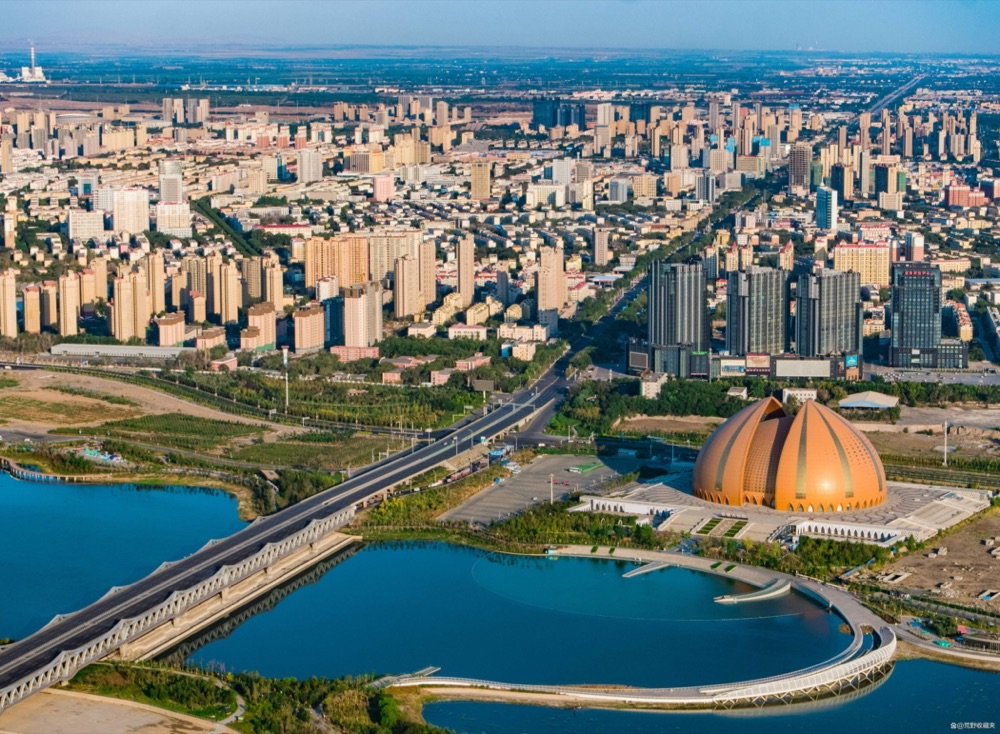
In 2009, the Chinese government initiated a massive, controversial reconstruction project of the Old Town, citing safety concerns (the adobe structures were vulnerable to earthquake damage). While some sections were rebuilt using traditional methods and materials, others were reconstructed with concrete and modern materials, sparking debates about authenticity and cultural preservation. Today, approximately 70% of the Old Town retains its traditional appearance, while the remaining 30% shows varying degrees of modernization. For Roam Xinjiang travel tips on experiencing the most authentic parts of the Old Town, focus your exploration on the areas around the Id Kah Mosque and the Ancient City Scenic Area.
Best Time to Visit Kashgar Old Town in 2026
Kashgar has a desert climate with extreme temperature variations. Here’s a season-by-season guide:
April to May: Pleasant Spring Weather
Daytime temperatures range from 15-25°C (59-77°F), and the weather is generally pleasant for walking and sightseeing. Wildflowers bloom in the surrounding areas, and the famous “Kashgar Apricot” harvest begins in late May. This is a great time to visit, with fewer tourists than in summer and comfortable temperatures. However, occasional sandstorms can occur, reducing visibility and air quality.
June to August: Hot but Vibrant
Summer is peak tourist season, with daytime temperatures often exceeding 32-35°C (90-95°F). The heat can be intense, especially in July, but it’s also when the Old Town is most vibrant – families are out in the evenings, the night market is in full swing, and cultural activities are frequent. If you visit in summer, plan your sightseeing for early morning (7:00-10:00 AM) and late afternoon (6:00-9:00 PM), and rest during the hottest midday hours.
September to October: Ideal Autumn Conditions
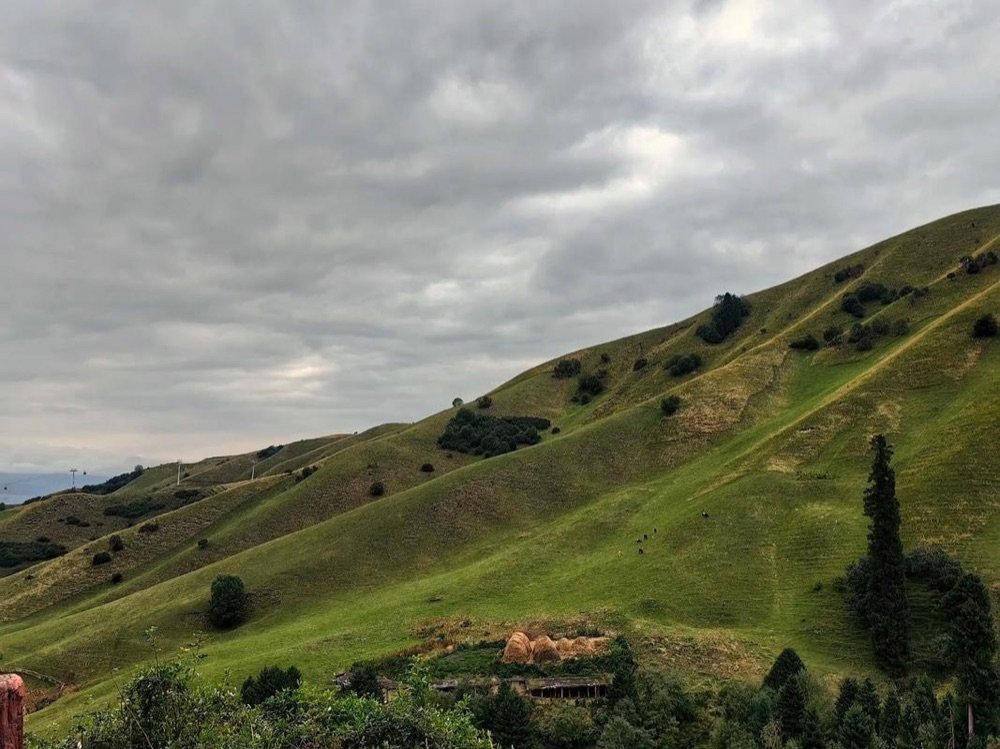
Widely considered the best time to visit Kashgar. Temperatures are comfortable (12-25°C / 54-77°F), the summer heat has subsided, the air is clear (sandstorm season is over), and the surrounding countryside turns golden with the harvest. The famous “Kashgar Grape Festival” usually takes place in September, featuring music, dance, and, of course, abundant fresh grapes and raisins.
November to March: Cold but Atmospheric
Winter in Kashgar is cold (temperatures can drop to -10°C / 14°F), but it’s also a time when the Old Town is at its most authentic – tourist crowds disappear, and local life continues uninterrupted. The architecture looks particularly beautiful against a backdrop of snow, and you’ll have many alleys and courtyards all to yourself. Just be prepared for the cold and shortened daylight hours (sunset is around 6:30 PM in December).
Navigating Kashgar Old Town: A Practical Guide
The Old Town is a maze – there’s no denying it. But that’s part of its charm. Here are tips for navigating (and not getting too lost):
1. Use the Id Kah Mosque as Your Anchor
The Id Kah Mosque is the largest mosque in China and the spiritual center of Kashgar. It’s also the most recognizable landmark in the Old Town, making it an excellent reference point if you feel disoriented. The mosque is open to visitors outside of prayer times (non-Muslims cannot enter the prayer hall, but you can explore the courtyard and outer areas).
2. Download Offline Maps
Google Maps doesn’t work reliably in China, but you can download offline maps of Kashgar Old Town using apps like Maps.me or OsmAnd before your trip. These work without internet and can help you find your way back to major landmarks. Alternatively, China’s Baidu Maps has excellent coverage of Kashgar (though it’s in Chinese; you can use the English-named landmarks as reference).
3. Don’t Be Afraid to Get Lost
Some of the best experiences in the Old Town come from wandering without a destination. You’ll stumble upon a hidden courtyard garden, a workshop where a craftsman is hand-making a dopa (traditional Uyghur hat), or a family baking flatbread in a communal oven. If you do get thoroughly lost, don’t panic – simply ask a local (using hand gestures or a translation app) to point you toward the Id Kah Mosque or the East Gate (a major landmark).
4. Join a Walking Tour (Especially on Your First Day)
Several local tour operators and guesthouses offer walking tours of the Old Town, usually lasting 2-3 hours and costing 100-200 CNY (14-28 USD) per person. These tours provide historical context, architectural insights, and introductions to local crafts that you wouldn’t get exploring on your own. For solo travel services in Xinjiang, a walking tour is also a great way to meet fellow travelers and get your bearings in the maze-like Old Town.
Top Attractions Within Kashgar Old Town
While simply wandering the alleys is an attraction in itself, here are the must-see specific sites:
1. Id Kah Mosque: The Spiritual Heart
Built in 1442, the Id Kah Mosque is the largest mosque in China and can accommodate up to 20,000 worshippers during major Islamic holidays. The architecture is a stunning blend of Islamic and local styles, with a yellow-tiled exterior, intricate brickwork, and a peaceful courtyard with ancient trees. Non-Muslim visitors can visit the courtyard and outer areas outside of prayer times (check with your guesthouse or a local guide for the exact visiting hours, as they change seasonally).
2. Kashgar Old Town Ancient City Scenic Area: The Best-Preserved Section
This is the part of the Old Town that has been most carefully preserved (and, some argue, reconstructed). It features traditional courtyard houses that have been converted into small museums, craft workshops, and teahouses. Highlights include:
- Uyghur Homestead Museum: A restored traditional house where you can see how a typical Uyghur family lived a century ago.
- Pottery Workshop: Watch master craftsmen shape, glaze, and fire traditional Uyghur pottery using methods passed down for generations.
- Roof Cafe: A teahouse with a rooftop terrace that offers panoramic views of the Old Town’s Sea of roofs. Perfect for sunset photography.
3. Kashgar Sunday Bazaar: A Feast for the Senses
While technically not within the Old Town walls (it’s about 3 kilometers northeast), the Sunday Bazaar is an essential part of any Kashgar visit. It’s one of the largest and most vibrant markets in Central Asia, selling everything from livestock (sheep, cows, donkeys – yes, you can buy a donkey here!) to spices, carpets, clothing, and electronics. The bazaar is held every Sunday, but the surrounding area is busy throughout the weekend. Even if you don’t buy anything, the people-watching and cultural immersion are unparalleled. For DIY Xinjiang travel enthusiasts, the bazaar is a photographer’s dream – just ask permission before photographing people.
4. Abakh Khoja Mausoleum: Architectural Marvel
Located just outside the Old Town (about 2 kilometers northeast), this is the holiest Islamic site in Xinjiang. It’s the mausoleum of Abakh Khoja, a 17th-century ruler and spiritual leader, and it’s also where his famous descendant, Xiang Fei (the “Fragrant Concubine”), is buried. The architecture is stunning – a complex of turquoise-tiled domes, minarets, and courtyards that wouldn’t look out of place in Isfahan or Samarkand.
Where to Stay in Kashgar Old Town
One of the best ways to experience the Old Town is to stay within it. Several traditional courtyard houses have been thoughtfully converted into boutique guesthouses and small hotels. Staying inside the Old Town means you can watch (and participate in) morning routines, evening prayers, and night market festivities, all just steps from your room.
Recommended Places to Stay:
- Kashgar Old Town Hotel: A boutique property in a restored traditional house. Rooms are decorated with local carpets, wood carvings, and handicrafts. The central courtyard is a peaceful oasis with pomegranate trees and a small fountain. Prices: 400-800 CNY (56-110 USD) per night. Highly recommended for Xinjiang independent travel enthusiasts who value authenticity and comfort.
- Seman Hotel: Another excellent boutique option, with a rooftop terrace that offers panoramic Old Town views. Prices: 350-700 CNY (49-98 USD) per night.
- Old Town International Youth Hostel: A budget-friendly option with dorm beds (80-120 CNY / 11-17 USD) and private rooms (200-350 CNY / 28-49 USD). Great for meeting fellow travelers and getting insider tips from the staff.
Conclusion: Kashgar Old Town Will Captivate You
Kashgar Old Town is not a place you just “see” – it’s a place you feel, taste, hear, and ultimately, remember forever. It’s in the steam rising from a fresh-baked naan bread, the call to prayer echoing from ancient minarets, the intricate patterns carved into a wooden door, and the warmth of a “Assalamu alaykum” greeting from a stranger on a narrow alley. Yes, it has changed (and continues to change) in recent decades. But its essence – resilient, vibrant, deeply rooted in centuries of history – remains.
So lose yourself in its alleys, share a meal with a local family, haggle good-naturedly at the bazaar, and let Kashgar work its slow magic on you. And when you return home, a part of you will always remain in that ancient, golden, endlessly fascinating oasis city. For more Kashgar travel tips, Old Town guides, and cultural insights, keep exploring our website – we’re dedicated to helping you discover the true heart of Xinjiang.