
Bus Travel in Xinjiang: Intercity Routes and Station Guide
The first time I rode a sleeper bus across Xinjiang, it was 2016 and I was dead set on reaching Kashgar cheaply. I paid 380 CNY at the Nianzigou station counter in Urumqi, climbed into the top bunk at 6pm, and woke up 22 hours later with a neck cramp and the smell of instant noodles burned into my memory. I’d do it again. Buses in this region are not glamorous, but they reach places the train still doesn’t, and they taught me more about how ordinary people move across this huge land than any guidebook ever did.
Where the buses actually leave from
Urumqi swallowed its old stations years ago and reorganized. The one you want for almost all southern and eastern long-haul routes is the Nianzigou Bus Station (碾子沟客运站), tucked just southwest of the center. For Ili and most northern Xinjiang departures, the Urumqi North (Beijiao) Station handles a lot of the traffic, though many Ili-bound coaches also still list out of Nianzigou. Get this wrong and you’ll burn an hour in morning traffic crossing the city. I once missed a 9am Yining departure precisely because I showed up at the wrong building.

Outside the capital, the stations are easier:
- Yining (Ili) Bus Station — the hub for the whole western valley, with frequent runs to Nalati, Zhaosu, and Tekes.
- Kashgar International Bus Station — southern Xinjiang’s beast, with services deep toward Tashkurgan and even cross-border buses to Pakistan and Kyrgyzstan when the passes are open.
- Altay Station — gateway to the north, Kanas, and Hemu in winter.
- Hotan Station — the far south, the end of the line for most travelers.
Routes I’ve ridden, with real numbers
Distances here are not European. A “short” intercity hop can mean a full day. Here’s the table I wish someone had handed me before my first trip.
| Route | Distance | Typical time | Seat fare (CNY) | Sleeper fare (CNY) |
|---|---|---|---|---|
| Urumqi → Yining (Ili) | ~700 km | 9–10 hr | 150–180 | 200–230 |
| Urumqi → Altay | ~600 km | 8–9 hr | 140–160 | 190–210 |
| Urumqi → Kashgar | ~1,500 km | 20–24 hr | 320–360 | 380–450 |
| Urumqi → Hotan | ~1,500 km | 20–22 hr | 310–350 | 370–420 |
| Yining → Zhaosu | ~140 km | 3–4 hr | 45–55 | — |
| Kashgar → Tashkurgan | ~290 km | 5–6 hr | 75–90 | — |
Prices creep up in July and August. I’ve watched the Urumqi–Kashgar sleeper jump from 380 to 450 between May and peak summer. Book early those months.

Sleeper buses: love them or hate them
A sleeper coach is a regular bus with three rows of bunk beds instead of seats. You lie down. Sort of. The beds are about 60 cm wide and 1.7 m long, so if you’re tall — I’m 1.82 m — your feet hang into the aisle. The top bunk is hotter and closer to the rattling ceiling; the bottom is easier to get in and out of for toilet trips.
Toilets on these things are a hole in the floor at the back, and they’re closed above 80 km/h by law, which means the driver only opens them during stops. We’d pull into a rest area every 3–4 hours. The rest areas sell overpriced noodles and suspiciously warm water, but they’re your only chance to stretch. Bring your own toilet paper. Always.
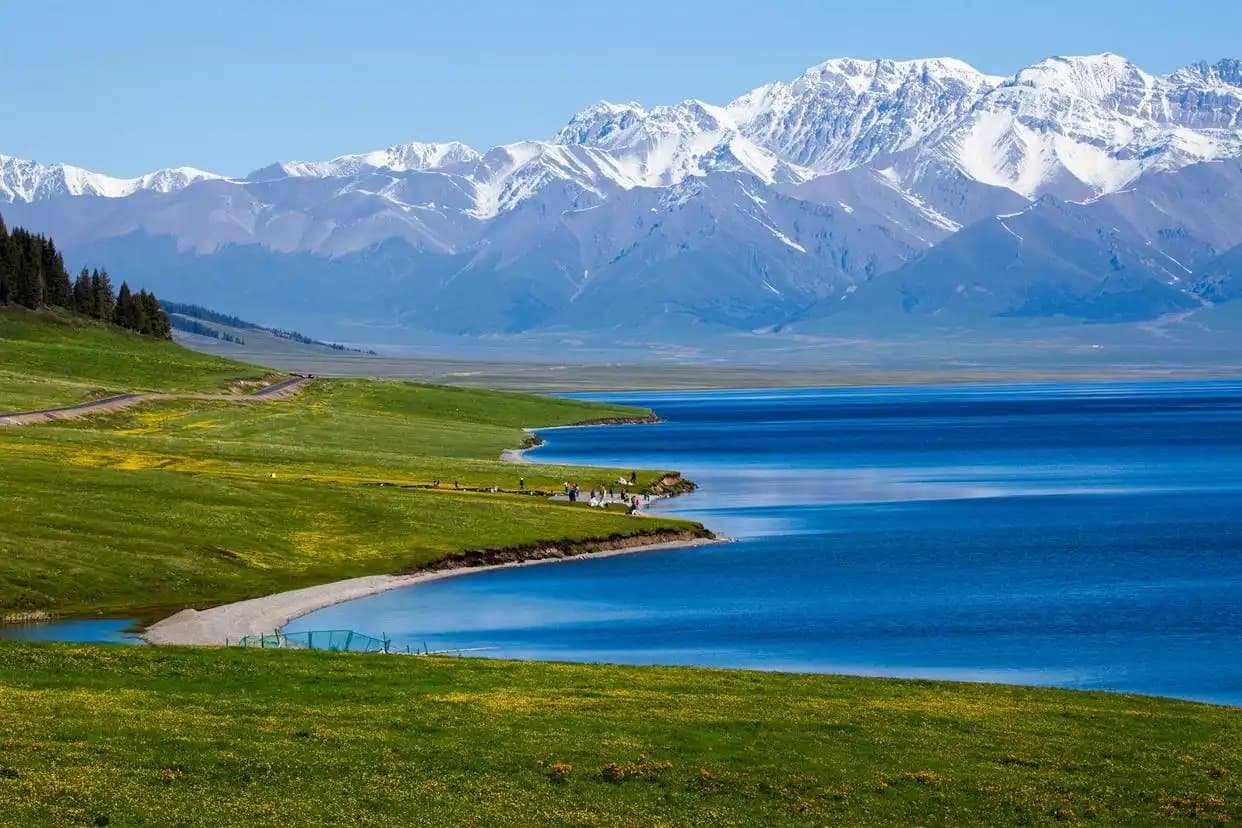
Who should take one? Budget travelers, and anyone heading somewhere the rail hasn’t reached. Who shouldn’t? Anyone with a bad back, anyone who needs sleep to function, and anyone doing it the night before a serious hike. I made that last mistake before a Sayram Lake ride and paid for it.

Luggage: the part nobody warns you about
Big bags go in the hold under the floor, and you get a claim slip. Keep that slip. On a packed Kashgar bus I watched a German guy lose his pack because he’d tossed the tiny paper ticket. The drivers speak little English, and arguing in the cargo bay at 6am is a terrible way to start a trip.
Valuables — passport, cash, camera, phone — stay with you on the bunk. Overhead racks exist but they’re narrow and stuff falls. I keep a small daypack wedged against my body at night. Size limits are loose: a 24-inch suitcase is fine, anything past that and you might pay a 20–30 CNY oversize fee or get refused. I’ve seen both.
Paying for the ticket
Cash still rules at the smaller stations. The Nianzigou counter took my 100-yuan notes without blinking in 2019. WeChat Pay works at the bigger city stations now, and a few have kiosks, but don’t assume. If you’re a foreigner without a Chinese bank card, carry enough cash for at least two tickets. The payment setup guide for foreigners covers how to get WeChat working before you’re standing at a window with a queue behind you.
When the bus beats the train
The railway has expanded fast. Urumqi to Kashgar now has a train that takes roughly 24 hours — about the same as the bus, for similar money, and far more comfortable. So why bus at all?
Because the rail map has holes. Zhaosu, Tekes, Tashkurgan, most of the southern Taklamakan fringe towns — no train. The bus is the only public option. It’s also more frequent and flexible: a coach leaves for Yining every 30 minutes through the day, while trains run a handful of times. And when a train sells out in August (it will), the bus often still has seats an hour before departure.
For point-to-point within a region, the bus wins on pure convenience. I rented a car for the big loops — the car rental guide explains when that’s worth it — but for a single long haul between cities, I still sometimes take the coach and let someone else fight the G30 traffic.
Compared to flying
Urumqi to Kashgar by air is 2 hours and costs 700–1,200 CNY depending on season. The bus is a tenth of the price but eats a full day. My rule: if I have the time and the route is the experience (the Kashgar road along the G314 to Tashkurgan is stunning), I bus it. If I’m just repositioning between two hikes, I fly. Check the train guide too — sometimes the overnight soft sleeper is the sweet spot.

Practical tips from a lot of bad decisions
Arrive 40 minutes early. Stations here don’t announce gates in English and boarding is a scrum. Sit near the front if you get motion sick — the back of a sleeper coach whips around on mountain roads. Download your maps and a few podcasts before you lose signal; the SIM and connectivity guide tells you which carrier holds signal best on the long highways. Bring snacks that aren’t noodles. Bring a power bank — the bunk sockets are frequently dead.
One last thing. Station names in English are a mess online. Search by the Chinese name on Amap or Ctrip, screenshot it, and show the driver. That single habit has saved me more times than any other trick on this list.
Booking: app, window, or just show up
In the big cities Ctrip (携程) lists most departures and you can buy a QR ticket with a Chinese payment method. I’ve done it from my hotel in Urumqi at midnight for a 7am coach. It works. But for the smaller lines — Zhaosu, Tekes, the border towns — Ctrip is blank and you have to buy at the counter. My habit now: book the long famous routes online, walk up for everything else. Walking up means getting there early, because a 45-seat coach to Tashkurgan sells out in summer by 10am.
One trap: the “ticket agencies” around the station entrance that aren’t the real counter. They add a 20–50 CNY “service fee” and hand you the same ticket. The official window has a queue but no markup. Look for the uniformed clerk and the printed schedule on the wall, not the guy with a clipboard outside.
Rest stops and the food situation
Every long bus runs on a rhythm of service areas. The big ones — like the cluster on the G30 between Urumqi and Khorgos — have clean-ish toilets, a halal noodle shop, and a convenience store with cold water. The small ones are a concrete pad, a squat toilet, and a guy selling roasted sunflower seeds from a bucket. I’ve eaten both. The noodle shops are almost always halal (清真) and almost always good; a 12 CNY laghman at a rest stop outside Shihezi in 2018 was better than the hotel dinner I’d paid 60 for the night before.
Bring your own water regardless. The bus AC runs cold and dry, and you’ll drink more than you expect over 20 hours. I carry two 1.5-liter bottles minimum on the Kashgar run. The drivers don’t stop for water breaks except at the scheduled areas.
Night buses and actually sleeping
The Urumqi–Kashgar sleeper leaves in the evening and arrives next afternoon, which sounds efficient until you’re on bunk three trying to sleep through a driver who likes his music at volume 9 and a fellow passenger taking a speakerphone call at midnight. Earplugs are non-negotiable. I learned this in 2017 after a 380 CNY lesson in hubris — I’d packed everything except earplugs and got maybe three hours of real sleep.
The coach gets cold at altitude on the passes near Aksu, even in summer. A light blanket or your jacket over you. The bunks have a thin mattress and a strap you can clip across to stop sliding when the road bends. Clip it. I didn’t once and woke up on the floor.
Comfort reality check
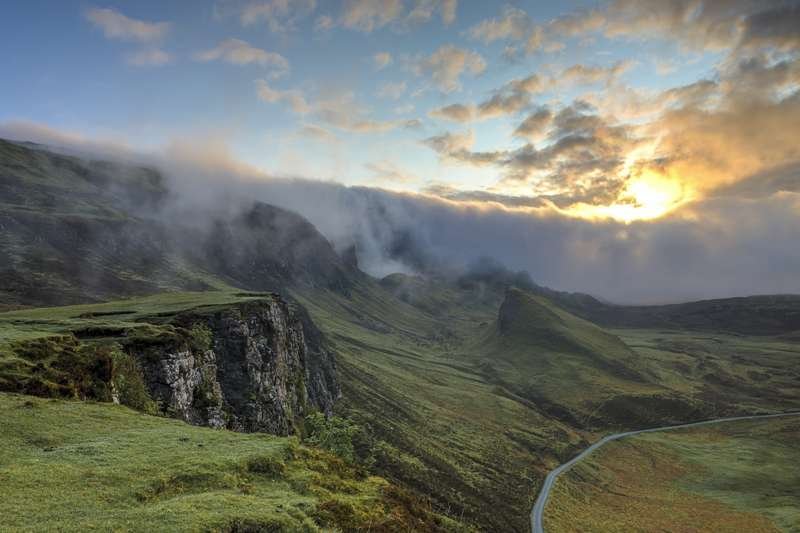
Let me be straight. A Chinese sleeper bus is not a European Flixbus. The suspension is firmer, the legroom is less, the fellow passengers are louder and the toilets are worse. But the windows are huge and the route often follows highways you’d pay a fortune to drive yourself. On the run toward Kashgar the coach climbs out of the Tarim basin and you see the snow line of the Pamir front literally change color as the light moves. I’ve taken that bus four times. I’d take it again tomorrow.
If you’re a light sleeper, pick the seat (not sleeper) option on shorter routes and treat it like a day trip. Urumqi to Yining has both. The seat coach is 9 hours in a recliner with legroom — tiring but you arrive functional.
Station survival, short version
Keep your claim slip. Carry cash. Screenshot the Chinese station name. Arrive early. Earplugs and water in the daypack. That’s the whole system. The rest you’ll figure out from the person next to you, who will almost certainly offer you a grape or a piece of naan within the first hour — northern Xinjiang hospitality doesn’t wait for introductions.
Closing
Buses won’t be your whole trip in Xinjiang, and they shouldn’t be. But they’re the glue that connects the famous spots to the quiet ones, and at 150 CNY for a 10-hour ride they’re the cheapest education in the region you’ll find. Ride one. Suffer a little. You’ll understand the place better for it — and you’ll have a story the flight passengers never got.