
Dabancheng and the Wind Corridor: Turbines, the Famous Song, and a Half-Day Stop Between Urumqi and Turpan
The gap where the wind never stops
Driving south from Urumqi toward Turpan, you pass through a low saddle in the mountains where the wind hits you like a wall the moment you step out of the car. This is Dabancheng, the famous wind corridor, and I used to treat it as a blur on the way to somewhere better. Then I stopped, and found that the saddle between the two basins is its own small world: thousands of white turbines turning overhead, a folk song that every Chinese traveler hums, and a town that sits exactly where the Silk Road had to funnel through. Now I build in a half-day here on every southern run, because the threshold between the cool north and the hot south is the most honest introduction to the region’s scale.
The wind is not a backdrop. It is the reason the place exists. The corridor funnels the airflow between the Junggar and Tarim basins, and on a strong day the gusts top 30 metres per second. The wind farms here are among the largest in China, and the constant turning is oddly peaceful once you get used to the roar, which at first feels like the hills themselves are breathing.

The song everyone knows
Dabancheng owes its fame across China to a song, “The Girls of Dabancheng,” collected by the folk composer Wang Luobin in the 1930s from a local tune. It is a simple, teasing love song, and you will hear it in taxis from Urumqi to Kashgar. I found it charming that a windy crossroads town became a national earworm. In the town there is a small song-themed park and a statue; it is low-key, a photo stop more than a destination, but it ties the place to the wider Xinjiang musical identity that the Muqam music guide explores in depth. The song is the reason most domestic travelers have even heard the name, and standing there you understand why a tune outlived the caravans.
Driving the corridor
The run from Urumqi to Turpan is about 180 km and normally two and a half hours on the expressway, and Dabancheng sits roughly halfway. I like to leave Urumqi after breakfast, stop at the wind corridor viewpoint around mid-morning, and reach Turpan for a late lunch. The Turpan overland guide has the full approach options, but the self-drive version through Dabancheng is the most interesting because you feel the climate change as you drop into the hot basin, the air drying and warming with every metre of descent.
Wind matters for driving here. On a gusty day a high-sided vehicle gets pushed, and sand can whip across the road. I check the forecast and avoid the corridor in a declared wind alert; the local news posts these in spring, when the strong winds are most frequent. The Urumqi guide notes the same spring-wind caveat for any southern drive, and I treat it as a hard rule rather than a suggestion after one memorable afternoon of fighting the wheel.
What there is to actually do
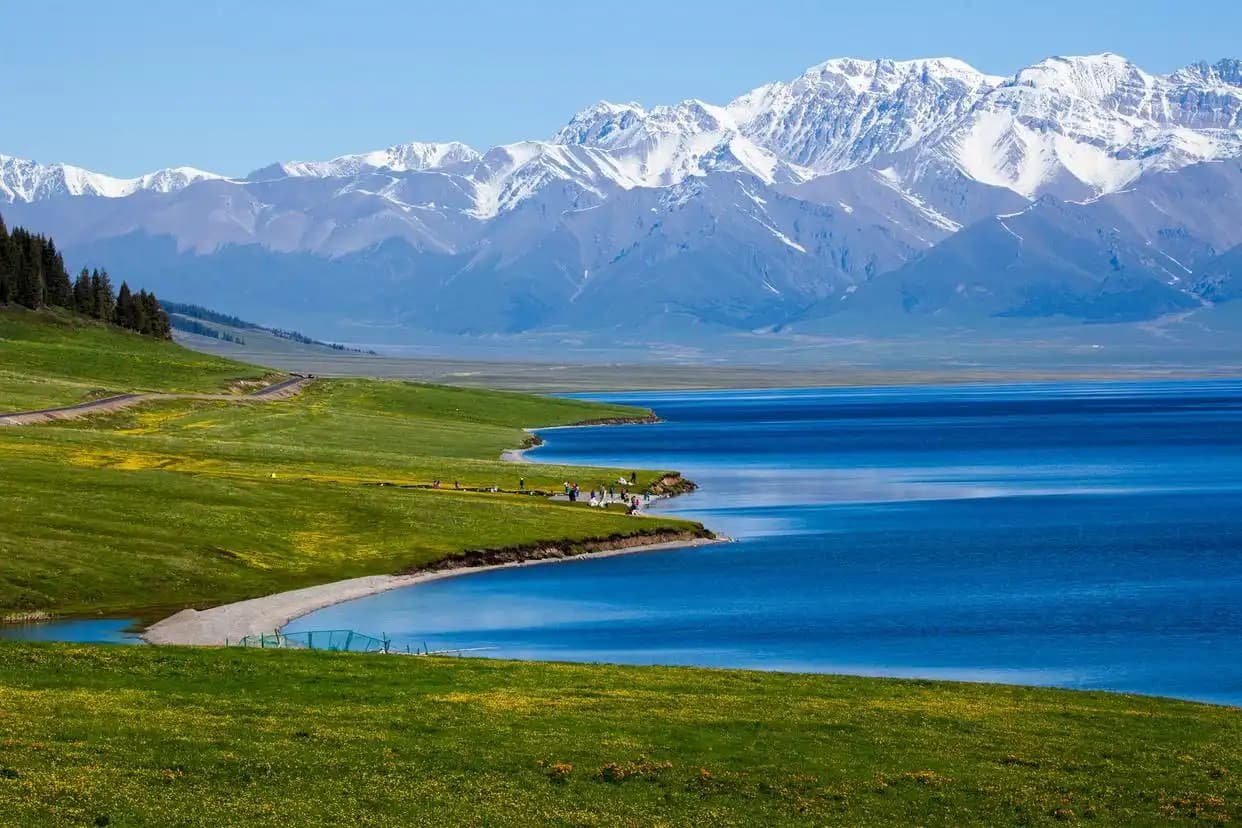
Dabancheng is a half-day, not a full stop. The wind farm viewing area lets you stand among the turbines and hear them; there is a small lake nearby that draws winter birds and summer bathers depending on the season; and the old town core has the song park and a few noodle shops. I pair it with the Flaming Mountains later the same day, because once you are past the corridor the red ridges begin, and the two stops tell the story of the basin’s extremes: wind at the gate, heat inside. Together they explain why this crossing shaped every caravan that came through.
If you have time and a taste for the high country instead, the Nanshan pasture makes a better full-day alternative north of the city, but it lacks the corridor’s strange energy and the sense of a border you feel in your face.
Eating and facilities
The town is small. You can get laghman, naan, and tea at basic spots, and there is a proper lunch in Turpan 90 minutes south, so I treat Dabancheng as snack-and-photo only. Fuel up in Urumqi before you leave; the corridor has stations but the city is easier and the prices are steadier. Cash helps at the small stalls, and there is no international card reader in sight, which is true of most of the small towns on this road.
Photography notes
The turbines are best wide, shot from a pull-off where you can get a row of them marching up a ridge. Blue-sky days are obvious; but my favourite frame was on an overcast, blowing afternoon when the whole scene looked like it was in motion, the blades blurred into silver discs. A polariser cuts the glare on the white blades. Drones are restricted near the power lines and any military-adjacent zone, so fly only where clearly permitted, and ask at the local stop if you are unsure, because the corridor sits close to sensitive infrastructure.
Best time to come
Spring brings the famous winds but also the most dramatic skies; summer is hot but the corridor is cooler than Turpan; autumn is clear and calm and my favourite for driving; winter is brutally cold with the lake often iced. I have crossed in spring and autumn, and autumn gave me the cleaner photographs while spring gave me the better story. Either way, go on a day with no wind alert, because the stop is no fun when you cannot stand steadily by the car.
My honest take
Dabancheng will not top anyone’s list of Xinjiang wonders. It is a windy pass with a song and some turbines. But as a threshold between the cool north and the hot south, it is the most honest introduction to the region’s scale, and the half-hour I spend there each trip resets my sense of where I am. Stop, feel the wind, hum the song, and drive on into the heat. The basin is waiting, and now you have felt the door you came through.