
Korla: Bosten Lake and the Basin Capital
This Korla travel guide covers the relaxed oasis capital of Bayingolin and the lotus-covered waters of Bosten Lake, a stop most independent travelers skip on their way across Xinjiang but few regret adding. Sitting where the Peacock River leaves China’s largest inland freshwater lake and meets the northern edge of the Taklamakan, Korla blends Han, Uyghur, and Mongol cultures with some of the region’s best fruit.
Why Visit Korla in 2026
Korla is the administrative seat of Bayingolin Mongol Autonomous Prefecture, a territory so large it would swallow several European countries whole and the biggest prefecture-level unit in all of China. Most visitors treat it as a transit point between Urumqi and the southern Tarim Basin, yet the city and its lake reward anyone who builds in a day or two. The pace is slower than Kashgar or Turpan, prices are reasonable, and the fruit above all the fragrant Korla pear is a reason to travel in itself.
The Bayingolin Advantage
Bayingolin spans desert, grassland, glacier, and lake inside one prefecture. From Korla you can reach Bosten Lake in under an hour, the Taklamakan’s edge within a long morning’s drive, and the grassy highlands of the Tianshan to the north. Few bases in Xinjiang give you this much range without changing hotels every night. Independent travelers using a rental car or the regional bus network can treat Korla as a hub rather than a blur seen from the train window.
Lotus Lake and Bosten Lake
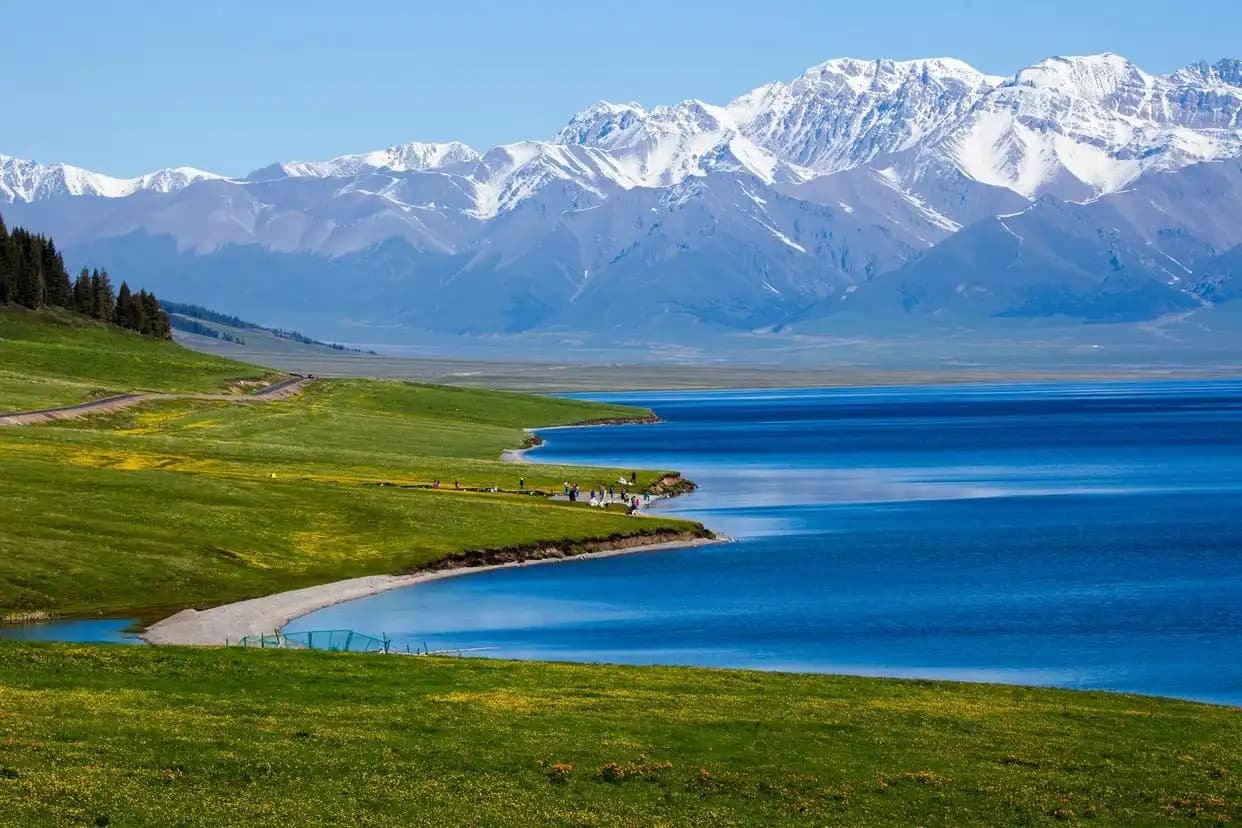
Bosten Lake, called Lotus Lake (Lianhua Hu) at its most photographed inlet, is the largest inland freshwater lake in China and the source of the Peacock River. In July and August the shallow southern bays turn green with lotus pads and pink bloom, and boardwalks let you walk out over the water. Away from the flower beds the lake opens into a wind-blown expanse where local families rent paddle boats and eat grilled fish pulled from the lake that morning. The reed beds shelter swans and geese, so bring binoculars in spring and autumn during migration.
How to Get to Korla
Korla has a real airport, a major rail junction, and a central position on the G3012 Turpan-Hotan expressway, so reaching it is never the problem. Timing your visit around the lotus season is.
By Air
Korla Airport (KRL) runs daily Flights to Urumqi, about 55 minutes, and seasonal services to Xi’an, Chengdu, and Beijing. Flights fill in summer, so book two or three weeks ahead if you travel in July or August. The airport sits 18 km north of the city center; a taxi runs about 40 to 50 yuan, and the airport bus drops you near the Peacock River pedestrian strip.
By Train and Road
The southern branch of the Lanxin railway puts Korla roughly 5.5 to 7 hours from Urumqi by conventional train, with faster services cutting closer to 4.5 hours. Buses and shared cars use the G3012; the 480 km drive from Urumqi takes about 5 to 6 hours with a break. If you are following the Xinjiang self-drive route south, Korla is the natural first oasis after the northern deserts.
Top Things to Do Around Korla
Lotus Lake (Lianhua Hu) Scenic Area
The developed section of Bosten Lake centers on boardwalks, a lotus exhibition garden, and a fishing village that serves lake carp and reed-shoot stir-fries. Arrive before 10 a.m. to catch the bloom opening and to beat the midday heat in July and August. A boat trip to the open lake costs around 80 yuan per person and is worth it if the wind is calm. Photography is best at the golden hours, when the lotus reflects the Peacock River light.
Peacock River and City Parks
The Peacock River (Kongque He) cuts through the middle of Korla as a green corridor with fountains, night lighting, and a popular evening walking crowd. The riverside near the Hongqiao, the Red Bridge, is where locals exercise, fly kites, and eat from summer night stalls. It is the easiest place to feel the city’s rhythm without a guide, and it is free.
Tiemen Pass (Iron Gate Pass)
About 7 km north of the city, Tiemen Pass is the narrow defile where the ancient Silk Road squeezed between cliffs, a strategic choke point celebrated in Tang poetry. A small monument and walking path mark the spot; combine it with the nearby Peacock River gorge if you have a car. The pass is free to visit and takes under an hour, with shade limited, so go early.
Korla Pear Orchards
Korla pears, Korla xiangli, are small, thin-skinned, and intensely fragrant, different from the crunchy Asian pears most visitors know. Orchards around the city sell them from July onward, and the autumn harvest markets in September are the best place to buy. Look for the Xiangli label and avoid the waxed imports sold in distant cities, which lack the perfume.
A Short History of Korla and Bayingolin
Silk Road Crossroads
Korla sat on the northern Tarim loop of the Silk Road, where caravans left the lake country for the desert crossing toward Yanqi and Turpan. The Peacock River made the land habitable, and the Iron Gate Pass gave it military value for two thousand years. Tang dynasty poets wrote of the pass, and you can still read carved steles near the modern road.
Mongol Heritage
Bayingolin means rich river in Mongolian, and the prefecture remains China’s main home for Mongol communities outside the northeast. You will hear Mongolian place names, see ger-style decorations at festivals, and find dairy drinks like kumiss in the markets. This layer sits quietly under the Uyghur and Han presence and adds to the city’s texture.
Day Trips from Korla
Bosten Lake East Shore
The eastern and northern shores of Bosten are far quieter than the Lotus Lake ticket gate. A car lets you reach reed islands and fishing hamlets where you can swim in summer and watch lake sunsets with almost no other tourists. Budget 90 minutes each way and carry food, because services thin out quickly past the scenic zone.
Toward the Taklamakan Edge
The G3012 runs south from Korla straight at the Taklamakan’s rim. Within two hours you reach the Desert Highway interchange where the road dives into the world’s second-largest shifting-sand desert. Even a short hop to the dune line gives you the scale of the place, and the Taklamakan Desert guide explains how to cross it safely.
Link to Turpan
Korla is the halfway marker on the 480 km run between Urumqi and Turpan’s heat. If your schedule allows, an overnight here breaks the long northern drive and lets you see a greener, wetter oasis before the Flaming Mountains. The Xinjiang fruits trail runs through both cities, so compare the pears here with the grapes up north.
Where to Eat in Korla
Korla Pears and Dried Fruit
Buy pears from roadside stalls and the morning market west of the river; a kilo runs 8 to 15 yuan in season. Dried apricots, raisins, and walnut bread from the same market travel well and make good trail food for the desert drive south. The Xinjiang fruits tradition runs deep here, and Korla is one of its quiet capitals, alongside Hami and Turpan.
Uyghur and Hui Noodles
Korla’s noodle culture mixes Uyghur laghman with Hui, Dungan, hand-pulled styles. The Hui quarter near the old mosque serves wanwan noodles and beef soup worth a detour, while Uyghur joints on the riverside do polo and kebabs late into the evening. A full plate of laghman costs 18 to 28 yuan; a skewer of mutton is 3 to 5 yuan.
Lake Fish and Reed Shoots
Around Bosten, restaurants plate the lake’s own carp, often steamed with scallion or dry-fried with chilies, plus stir-fried reed shoots that taste like a tender seasonal vegetable. Expect 45 to 80 yuan for a fish dish feeding two. It is the one local specialty you cannot easily find elsewhere in Xinjiang.
Korla at a Glance
| Detail | Information |
|---|---|
| Best Season | May to September; lotus bloom peaks late July to August |
| How to Get There | Flight from Urumqi 55 min; train 4.5-7 h; G3012 drive 5-6 h |
| Ticket Price & Hours | Lotus Lake 45 yuan, 09:00-20:00; boat 80 yuan; Tiemen Pass free |
| Distance & Drive Time | Bosten Lake 20 km / 30 min from city; Korla-Urumqi 480 km / 5-6 h |
Practical Tips
Time your visit for the lotus bloom but avoid the hottest weeks by starting sightseeing at 08:30 and resting midday. The best time to visit Xinjiang guide has month-by-month detail, and Korla sits comfortably in the May to September window. For getting around, the Xinjiang transportation network is reliable, but a car frees you to reach Bosten’s quiet eastern shore. Stay near the Peacock River so you can walk to food at night, and read the Xinjiang travel tips before you go. Altitude is low, about 930 m, so there is no acclimatization concern; the real risk is sun and dry heat, so carry water and a hat. Bring cash for the orchards and small stalls, because card readers fail in the villages.
Updated July 2026. By Karl Huang.