
The Apple Road: Aksu and the Ancestral Home of the Apple
The Apple That Started It All
There is a line botanists like to repeat: every apple in your supermarket traces back to a forest in the mountains of southern Kazakhstan and northwestern China. The wild ancestor of the modern apple, Malus sieversii, still grows here, and the heart of its range runs straight through Aksu in Xinjiang. I did not believe this until I stood in an old orchard outside Aksu in October, biting into an apple that tasted like an ancestor of every Red Delicious I have ever eaten, but sharper, smaller, and far more interesting.
Aksu calls itself the “hometown of the apple,” and it is not bragging. The wild forests of Malus sieversii lie in the nearby Tianshan foothills, some of the last intact wild apple woodlands on Earth. Driving the G3012 past Aksu in autumn, the roadside stalls stack apples in pyramids, and the smell carries through the car window with the heater on.
What struck me was the age of it. In the wild groves north of the city grow trees that were already old when the Silk Road caravans passed below them. Some trunks measure more than a meter across, and the local guides estimate a few at 300 to 500 years. An apple you buy for 5 yuan at a roadside stall is the descendant, a few generations removed, of trees that have outlived empires. That is a strange thing to hold in your hand while a diesel truck blows past on the expressway.
What Makes an Aksu Apple Different
The cultivated Aksu apple is grown in one of the cleanest, driest, most sun-soaked agricultural zones in China. Daytime heat and cold nights build sugar. The famous “Aksu rock candy apple” (Aksu bingtang xinpingguo) gets its name from the crisp, sweet flesh and the frozen-sugar sheen that forms because the fruit is harvested late, often after the first frost in November. That frost is the trick. Cold concentrates the sweetness.
Prices at the orchard gate run about 4 to 8 yuan per kilo in season, which is a fraction of what you pay in a coastal Chinese city and a tenth of what a “heritage apple” costs in a Western supermarket. A full 10-kilo box for shipping home costs maybe 30 yuan plus postage, though check your airline’s baggage rules before hauling 20 kilos of fruit.
The climate is the whole story. Aksu sits at about 1,100 meters on the northern edge of the Tarim basin, where the growing season runs roughly 200 frost-free days and the autumn nights drop to near freezing while the days still hit 20°C. That swing, sometimes 15°C between afternoon and dawn, is what builds the dense, snapping texture. Rain is scarce, around 60 to 80 mm a year, so the fruit is not watered into blandness the way irrigated lowland apples can be. The sugar reads on the tongue as clean rather than syrupy.
Driving the Apple Road
The apple country sits along the northern edge of the Tarim basin, an easy add-on if you are already doing a southern loop. From Korla west to Aksu is roughly 260 km on good expressway, about three hours. The orchards begin about 20 km before the city. From Aksu you can continue to Turpan eastward or push west toward Kashgar, but the apple detour is best in October when the harvest peaks.
If you want the wild ancestor rather than the farmed fruit, the Malus sieversii forests are in the Tianshan to the north of Aksu, near the county of Baicheng. These groves are protected and not really a “pick your own” situation. You go to walk among trees that are hundreds of years old, some with trunks a meter wide. I went with a local guide arranged through a fruit-season tour, and the silence in those forests, given how loud the rest of Xinjiang is, was its own reward.

A Walking Route in the Wild Forests of Baicheng
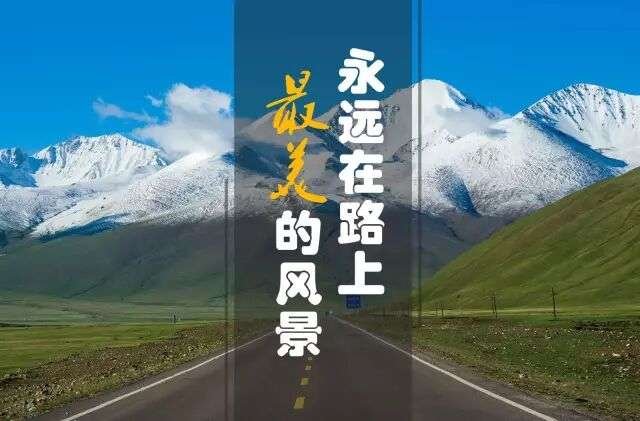
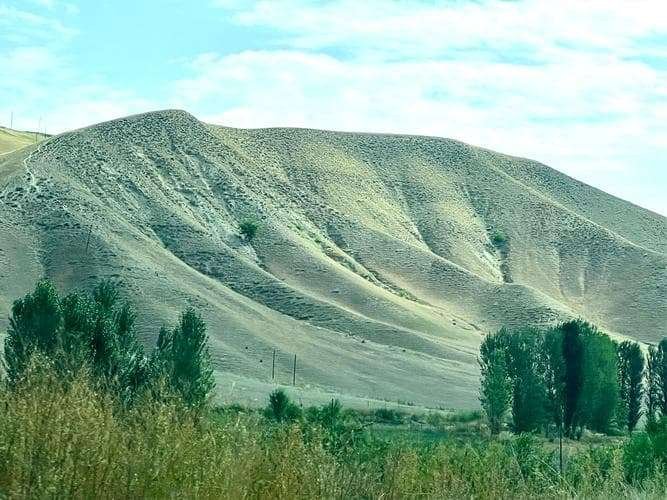
Baicheng county, about 120 km north of Aksu city up the G217, is the gateway to the protected wild apple groves. The road climbs from the basin floor at 1,100 meters to the forest belt at 1,600 to 1,900 meters, a drive of roughly two hours with a final stretch of switchbacks where the pavement gives way to graded gravel. You do not need a 4×4 for the main access road in dry weather, but a raised clearance helps after rain, and I would not attempt it in November once the first snow has fallen on the pass.
The walk itself is gentle. From the forest guard station a marked trail runs about 3 km into the grove, rising maybe 200 meters, and loops back in roughly two hours at a slow pace. The trees stand scattered rather than in a dense wood, each one a small island of twisted silver bark and dropping fruit. In early October the ground underfoot is carpeted with windfalls you are asked not to collect, because the seeds feed the wild boar and the birds that keep the forest alive. Bring water and a jacket even if Aksu is warm; at 1,800 meters the wind cuts and the temperature runs 8 to 10°C cooler than the city.
A guide is effectively required. The forest boundary is unmarked and it is easy to wander onto a restricted patch. The standard fee through the county tourism office runs 200 to 300 yuan for a half-day including the guard-station permit, and you should book a day ahead in October when the tour buses from Urumqi start arriving. Go on a weekday and you may have the trail to yourself by 9 a.m.
The Harvest Calendar: When to Actually Go
Apples do not wait for your itinerary, so the month you choose decides what you get. Here is the rough shape of the year in Aksu apple country.
September is the early crop: the summer varieties like the red Gala-type come in around the 10th, sweet but a little soft, priced at the low end near 4 yuan a kilo. October is the month everyone aims for. The rock candy apples ripen after the first cold snap, usually around the 15th to the 25th, and the whole roadside economy switches on. Stalls multiply, the orchards open for u-pick at about 6 yuan a kilo, and the smell is strongest in the warm afternoons. November is the late harvest and the frost-sugar peak, but the weather turns; by the middle of the month nighttime lows hit minus 5°C and the pickers race the freeze. December through February is storage season, and the fruit you find in shops is cold-stored, fine for eating but not for the experience.
If your trip is fixed for summer, do not skip Aksu. The orchards are green and quiet, the mountains behind Baicheng are snow-capped and walkable, and you can still buy the previous year’s stored rock candy apples, which keep their crunch better than you would expect. Just do not expect the roadside riot of October.
Apple Varieties You Will Meet in Aksu
The name “Aksu apple” covers a handful of distinct fruits, and knowing them saves you from overpaying for the ordinary. The rock candy apple, the bingtang type, is the star: pale yellow-green skin with a red blush, dense flesh, and that frozen-sugar crunch. The red Fuji-type grown here is larger and stores longer but is less interesting than the rock candy. A smaller, tarter local variety sold mostly at village stalls has a green skin and a lemony edge that cuts through the richness of lamb pilaf better than any sweet apple.
In the wild forest the range is wider and stranger. Malus sieversii throws fruit from marble-sized and mouth-puckering to tennis-ball-sized and almost sweet, often on the same tree, because the groves are not grafted clones but a living gene bank. Some kernels taste of pear, some of rose, a few of nothing much at all. That chaos is the point. These trees are the raw material from which every supermarket apple was bred, and standing among them you can taste the whole unfinished experiment.
Apple in the Local Kitchen
Beyond eating them raw, Aksu apples show up in the regional food in quiet ways. There is a dried-apple snack, simply sliced and sun-dried, that keeps for months and makes a good road-trip staple. There is apple used in the savory walnut and fruit pilafs of the south. And there is the simple pleasure of buying a warm baked apple from a winter street cart in Aksu city, stuffed with nuts and honey for about 10 yuan.
One thing I learned the hard way: do not buy apples at the big Urumqi bazaar expecting them to be local in winter. By January most city fruit is cold-stored or imported. For the real thing, time your visit to the harvest and buy at the source.
A dish worth hunting is the apple-and-lamb stew, a cold-weather pot where chunks of rock candy apple are simmered with neck meat until they collapse into the broth and cut the fat. You find it in family canteens around Aksu and Kucha in November and December rather than in restaurants aimed at tourists. Ask for “pingguo dun yangrou” and point at the pot if your Mandarin fails. A bowl runs about 25 yuan and comes with flatbread to scoop it.
Other Orchard Stops Nearby
Aksu is the apple capital, but the same corridor grows pears, peaches, and the famous walnuts and apricots of the oasis villages. If you are building a food-focused drive, the stretch from Korla through Aksu to the Hotan region in autumn is a continuous orchard, and every town has a roadside pile of something in season. The Hotan date and pomegranate belt is only a half-day further south.
Two stops deserve a deliberate pull-off. Around the town of Alar, about 120 km southeast of Aksu, the red-fleshed jujube and pear orchards open in September and the roadside honey stands are the best I found in the south. Farther along, the oasis of Kuqa (Kucha) blends apple country with the ruins of the ancient kingdom, so you can pair a morning in a 1,000-year-old grove with an afternoon at the Subashi temples. That combination, fruit and history in the same few kilometers, is the southern Tarim at its best.
Conservation and the Future
The wild apple forests are under pressure from farming and from a disease called fire blight. Several international projects work with local communities to protect the groves, and some orchards now sell “wild-relative” saplings. If you visit, stick to marked trails and do not dig or cut. The forest is older than any dynasty that ruled here, and it is fragile.
The threats are specific. Fire blight, a bacterial disease that scorches the branches black, arrived in the region in the past few decades and now infects groves that had stood clear for centuries. Over-grazing by the expanding goat and sheep herds around the forest edge damages the young wild seedlings before they can establish. And the slow creep of the orchard frontier, as farmers plant grafted commercial apples higher up the valley, crowds out the wild gene pool. The conservation groups respond with fenced seedling nurseries, with patrols that keep livestock out of the core zone, and with a seed bank that stores the genetic material of individual wild trees so the diversity is not lost even if a grove dies. Visitors who stay on the trail and who pay the permit fee are part of the solution, because the fee funds the guards.
Shipping Apples Home: Rules That Save You Trouble
Bringing apples home is easier than you fear but has edges. Within China, the orchards and the Aksu bus station both ship boxes by surface mail for about 30 to 50 yuan for 10 kilos, and the fruit arrives in most big cities within three days still crisp because it was picked cold. For the flight out, the rules depend on your destination. Many countries, including the United States and Australia, forbid fresh apples entirely without a phytosanitary certificate, and lying on a customs form is a fast way to lose the fruit and the patience of the officer. The European Union allows them in limited quantity for personal use but inspects them.
My rule: eat the fresh ones on the trip and bring home the dried apple and the rock-candy apples bought sealed from a proper shop, which clear customs far more easily than loose fruit. If you must carry fresh, keep the receipt, declare them, and accept that some countries will confiscate them. A confiscated Aksu apple is a small loss. A missed flight over a customs fight is not.
A Small, Sweet Detour
Most travelers blast through Aksu as a fuel stop between the canyon country and Kashgar. That is a mistake. Give it a morning in October. Buy apples from the old woman whose scale is a dented soup bowl. Taste the thing that, a few thousand years and a few thousand miles away, became the fruit in your hand back home. It is a small detour with a very long memory.