
Coffee and Cafe Culture in Xinjiang: Where to Find a Good Flat White in the Far West
The West Always Had Tea. Then It Got Coffee.
I drove into Urumqi in late October, after three days on the road from Hami, and the first thing I wanted was not laghman noodles or a warm bed but a decent espresso. I had low expectations. They were wrong. I found a proper flat white in a converted courtyard house in Urumqi’s south district, tucked behind a blue-painted gate off Renmin Road, and the barista pulled it with a La Marzocco that looked like it had been shipped over the Tian Shan on purpose.
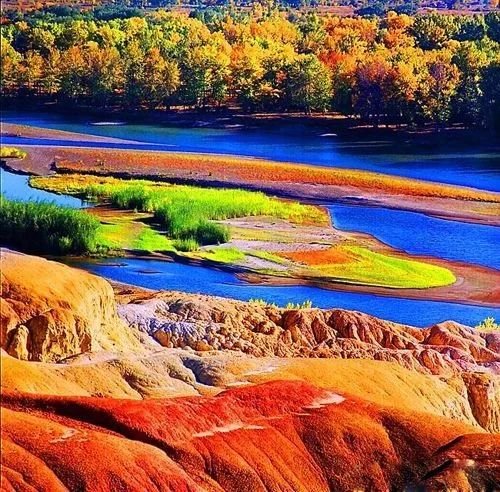
That cup cost ¥28. The milk was local, steamed to a silky microfoam, and the beans came from Yunnan by rail. I sat by a north-facing window while the heating kicked on, and for a moment the fact that I was 2,400 kilometers from the coast stopped mattering. Xinjiang’s coffee scene is no longer a rumor for travelers who need caffeine to function. It is real, it is scattered, and if you plan your self-drive route around it, you will eat and drink better than most tour groups ever will.
This is a guide for people moving under their own steering wheel. You can reach most of these cafes by car, park within a short walk, and sit for an hour without anyone rushing you out. The culture is young, messy in the best way, and far more welcoming to outsiders than the guidebooks from five years ago ever suggested.
Urumqi: The Capital That Learned to Pull Shots
Urumqi is where the scene actually started, and it shows. The south district, around the old Russian-style blocks near Hongshan Park, has the densest cluster. My favorite is a 12-seat spot on a quiet lane where the owner roasts on-site every Sunday. A pour-over of their washed Ethiopian runs ¥38, and they will happily walk you through the origin if you ask.
Prices in the city center run a little higher. Expect ¥30 to ¥35 for a latte at the polished places near the pedestrian street, and ¥25 at the student-side cafes closer to the university. I paid ¥22 for a cold brew in July that was strong enough to keep me alert through a six-hour drive to Turpan, which is exactly the point of the stuff.
Winter is the better season to linger. From November through February the cafes fill with locals escaping the cold, laptops open, the low sun cutting across the floor. Summer brings the rooftop crowd, and a few places open terraces with views of the mountains. Either way, the coffee holds up.
If you want food that pairs, the city’s bread game is the natural companion. I kept a bag of Uyghur nan bread in the car for days at a time, and it turned every roadside coffee stop into a proper breakfast.
Kashgar: Espresso at the Edge of the Old City
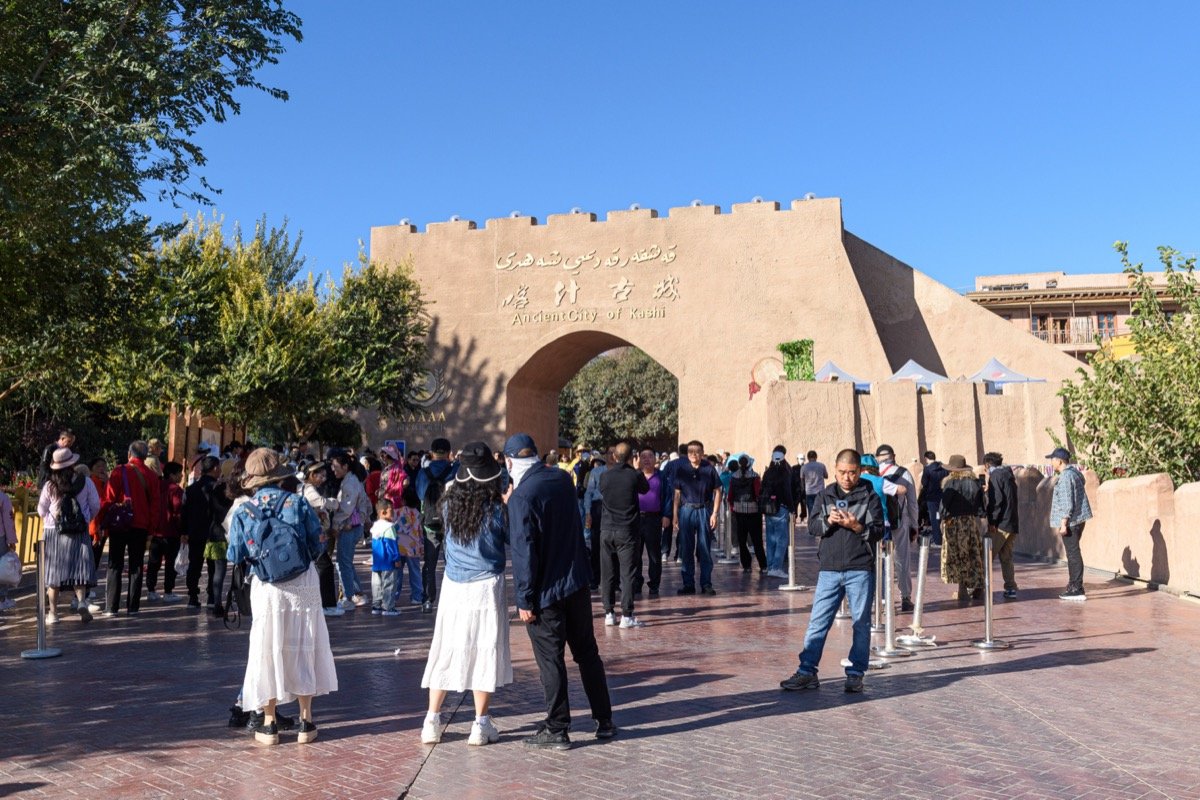
Kashgar surprised me most. The Old City is a maze of mud-brick lanes, and somewhere past the seventh turn I found a cafe built into a restored courtyard, its walls thick enough to stay cool in July. They served a cardamom-spiced latte for ¥32 that tasted like the bazaar smelled, in the best way.
The owners were a young couple who had trained in Chengdu and come home. They told me business doubled after the high-speed rail reached the city, because weekend visitors from elsewhere in the region suddenly had time for a second cup. I believed them. The place was full at 11 a.m. on a Wednesday in April.
Out by the Id Kah area you will find cheaper, simpler operations: ¥18 Americanos, instant-ish milk drinks, and strong local tea for those who want it. These are not specialty shops, but they are honest, air-conditioned, and a relief after a morning of walking the lanes in the heat.
One caution for travelers with sensitivities. Kashgar’s kitchens blend cultures, and nut oils show up in pastries you might not expect. Read the page on dining with food allergies before you order blindly, and show it to the staff on your phone if language gets in the way.
Yining: The Garden City and Its Slow Mornings
Yining, in the Ili valley, is the spot I tell friends to slow down in. The tree-lined streets and Russian legacy architecture make it the easiest place in Xinjiang to pretend you are somewhere between Tbilisi and a Central Asian postcard. The cafes lean into that mood.
My standout was a riverside place where a flat white was ¥26 and the playlist was all soft Kazakh folk. I went in May, when the apricot trees were blooming and the light came in low and gold. The owner let me charge my phone, refill my water bottle, and sit until the rain passed. That kind of hospitality is normal here.
Pastries are the strength. A walnut and raisin bun runs ¥12 and goes perfectly with a slow pour-over. In June the same shops stock cherries and sour plums from the valley, and you can build a small fruit-and-coffee breakfast for under ¥40 total. I did this three mornings running and regretted nothing.
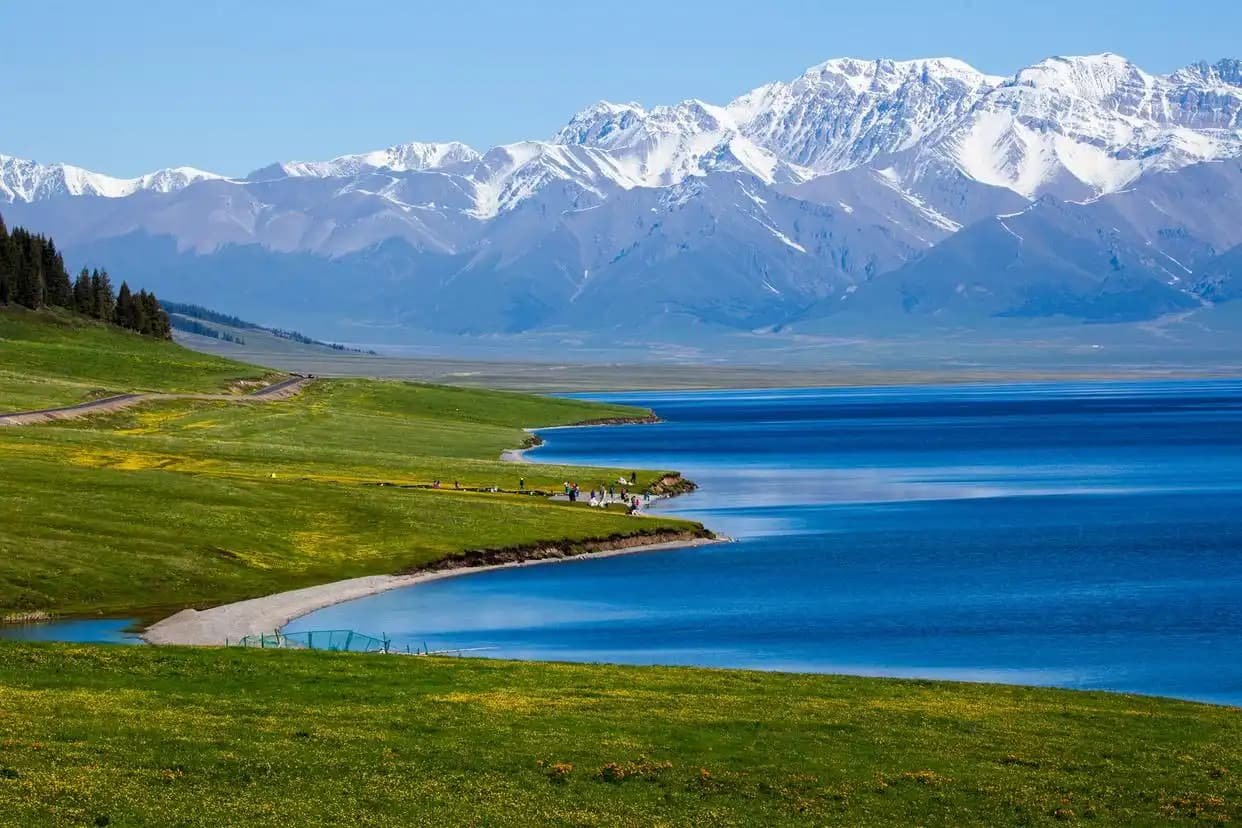
Yining also makes a smart base for day drives to Sayram Lake. Leave after your coffee, reach the water by midday, and you have beaten the tour buses. The roads are good, the distances short, and the payoff large.
Turpan: Heat, Grapes, and a Quiet Cup
Turpan is brutally hot in summer, often past 40 degrees in July, and the cafes here lean into cold drinks. I found a small shop near the grape-valley road serving an iced espresso tonic for ¥25 that tasted like survival. The owner laughed when I ordered a second.
The town’s cafes are fewer and newer than Urumqi’s, but they are clean and calm, which matters when the outside air wants to cook you. Sit indoors, order something iced, and let the afternoon pass. A latte here is ¥24, a slice of local melon cake ¥10, and the whole bill stays under what you would pay in a coastal city for less character.
Turpan rewards early starts. I drank my coffee at 7:30 a.m., drove to the ruins before the heat built, and was back in air conditioning by noon. The cafe culture here is a tool as much as a pleasure, and that is fine by me.
What the Beans Actually Cost
Let me put real numbers on the table, because travelers budget in specifics. Across the region, a straight espresso lands at ¥15 to ¥20. A latte or flat white sits between ¥24 and ¥35 depending on city and polish. Pour-overs of single-origin beans run ¥30 to ¥45 at serious shops, less at casual ones. Cold brew and iced drinks cluster around ¥22 to ¥28.
These prices are close to what you pay in second-tier Chinese cities and well below Shanghai or Beijing specialty pricing. For a foreign traveler used to Oslo or San Francisco cafe tabs, Xinjiang feels almost generous. Tip jars exist but tipping is not expected.
Wi-Fi is reliable in the city shops and patchy in smaller towns. I carried a local eSIM and a backup power bank, and that combination never failed me. Most places are happy for you to sit an hour; buying a second drink keeps the relationship warm.
How the Cafe Stops Fit a Driving Route
The smart way to use this scene is to treat coffee as a waypoint, not a detour. I planned mornings around a good shop and let the road follow. Urumqi to Turpan is roughly two hours by car, so a south-district flat white at 9 a.m. puts you at the ruins by lunch. Kashgar needs a full day to itself, with the Old City cafe as your mid-morning anchor.
Yining belongs at the start or end of an Ili loop. Spend a slow morning there, then drive the valley. The rhythm of stop, sit, drive, stop suits solo travelers especially, because the cafes are safe, social without pressure, and easy to enter alone.
I never once felt unwelcome walking in by myself. Counter seating is common, baristas chat, and maps on your phone get you there without drama. The dried red chili bazaars and the coffee lanes often sit within a few blocks of each other, so you can shop spices and still catch a calm cup before the afternoon sun peaks.
Seasonal Notes From the Road
April and May are my favorite months. The cities shake off winter, the fruit trees bloom in Ili, and the cafes are uncrowded. October is excellent too, with crisp air and empty roads after the National Day rush fades. July and August are hot and busy near the tourist cores, so I shift coffee hours to early morning and evening and use the air-conditioned shops as midday shelters.
Winter is its own reward. From December to February, Urumqi’s cafes turn into warm dens. A ¥30 latte buys you an afternoon of watching snow fall on the Tian Shan through a window. Few foreign travelers come then, which means you get the place more to yourself.
The Sweet Side: Rose, Jam, and What to Bring Home
Xinjiang’s cafes do not only pour coffee. Several in Kashgar and Hotan blend local ingredients into drinks you will not find elsewhere. I tried a rose-latte in a Hotan-style cafe for ¥30, floral without being soapy, and immediately understood the appeal. The region’s rose products are worth the detour, and the Hotan rose jam I brought home outlasted the trip by months, spread on toast long after the drive was done.
Buy jam and small packs of local dried fruit at the cafes that sell them, because the markup is small and the quality beats the airport shops. I kept a jar in the car and traded spoonfuls for smiles at remote guesthouses.
Practical Tips Before You Go
Carry cash in small bills. Most shops take mobile pay, but a rural detour can leave you at a counter that wants paper. Learn two phrases on your phone: one for “black coffee” and one for “no sugar.” Show the screen if needed. Parking near the good cafes is usually free on side streets, paid in central garages for ¥5 to ¥10 an hour.
Bring a reusable cup if you care about waste; a few shops offer ¥2 off for it. Don’t expect late nights. Most cafes close by 9 or 10 p.m., and earlier in smaller towns. Plan your caffeine for daytime and save the driving for when you are sharp.
One last thing. The best cup I had was not in a famous shop but in a courtyard off a lane I almost drove past, found because I was willing to stop when the sign looked interesting. Give yourself that freedom. The roads here are long, the towns are open, and the coffee is better than the old stories claim.
So fuel the tank, charge the phone, and let the next blue gate pull you in. Xinjiang will hand you a flat white at the far edge of the map, and you will wonder why you waited so long to come.