
Uyghur Traditional Medicine in Xinjiang: Cupping, Herbal Baths and the Baxish Healer
The Night I Let a Baxish Cup My Back
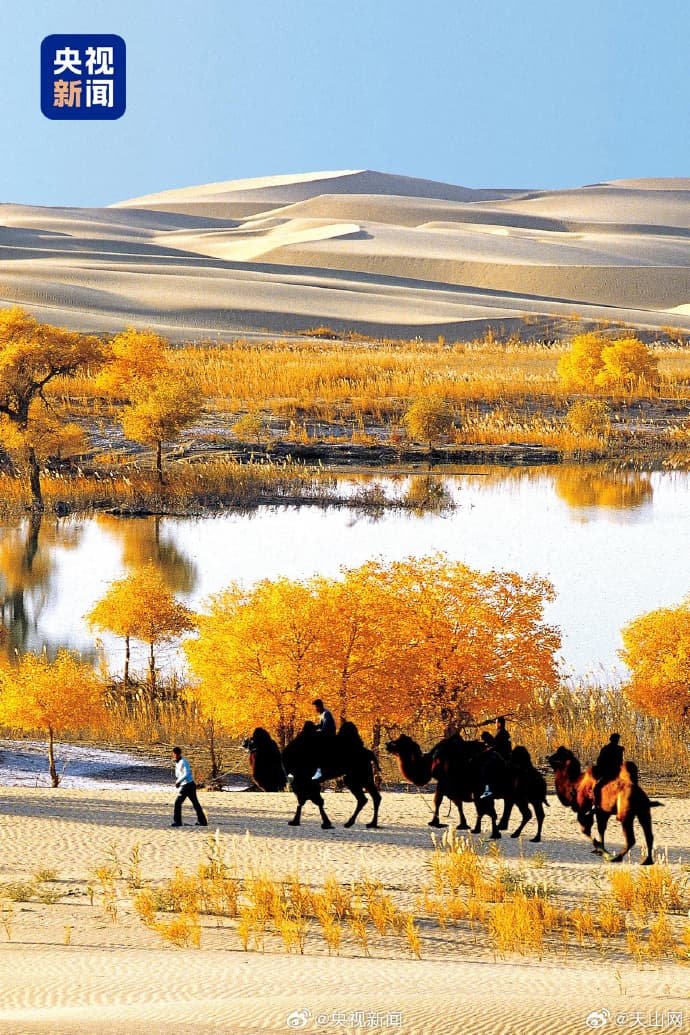
I had been driving the southern Tarim loop for nine days when the knots in my lower back finally won. The rental SUV’s seats were thin, the desert highways endless, and by the time I reached Kashgar in late October the muscles along my spine felt like pulled ropes. A fellow traveler at the guesthouse mentioned a baxish, a traditional Uyghur healer, working out of a tiled room near the Id Kah bazaar. I went the next morning with no real expectations.
The room was small and warm, lit by a single bulb and smelling of burnt cotton and dried rose. The healer, a quiet man in his sixties, said almost nothing as he worked. He warmed a set of glass cups over a flame, placed them along my back, and let the cooling air draw the skin upward into each glass. That was my first lesson in Uyghur traditional medicine, and it changed how I treat the long drives on this route.
What Uyghur Cupping Actually Is
Cupping in Xinjiang follows the hijama style found across the Muslim world, a practice rooted in the same medical lineage that runs from the Mediterranean to Central Asia. The word hijama means drawing out, and the goal is to pull stagnant blood and trapped wind toward the surface of the body. A baxish uses glass or horn cups, heats the air inside, and sets them on the skin so the vacuum lifts the flesh.
In the wet form, a tiny scratch is made before the cup is applied so a little blood leaves the body. In the dry form, which is far more common for travelers, the cups simply hold and release without any break in the skin. After twenty minutes my back carried a neat grid of dark red circles, each one a silent report on where the tension had lived.
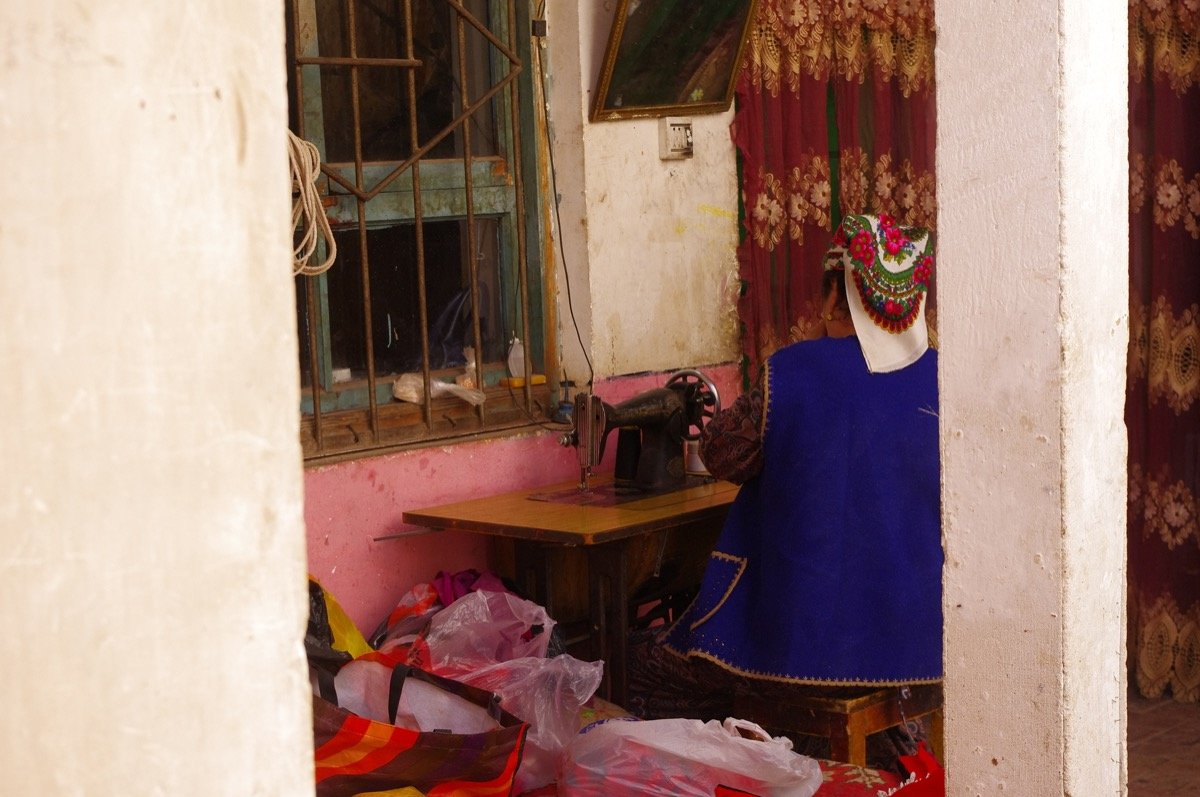
The marks look worse than they feel. They fade from deep purple to faint yellow over a week, and locals treat them as a badge of having taken care of oneself. Nobody in the teahouses of the old town batted an eye at my spotted shoulders; a few older men nodded with approval as I limped to my noodles.
The practice is older than the passport lines that now cross the region. Caravans carried it along the Silk Road, and you can trace the same cups from Isfahan to Kashgar to the bath houses of the Ili valley. What surprises first-timers is how ordinary it stays; this is not a performance but a Tuesday chore for the men who load trucks at the bazaar before dawn.
The Baxish: Healer, Not Spa Therapist
The baxish occupies a specific place in Uyghur society that does not map cleanly onto a Western masseur or a doctor. He learns the craft through years of apprenticeship, often from a father or uncle, and he reads the body through touch and long observation rather than machines. In a village outside Hotan I met one who could name the herb for a cough, the bath for a cold, and the cupping point for a headache without ever writing anything down.
This tradition sits alongside modern medicine, not against it. Most families in the south use both, visiting a clinic for infections and a baxish for the slow aches of physical labor and travel. The healer I trusted most in Yining told me plainly to see a physician for anything sharp or sudden, and that honesty is part of why the practice has survived.
Treat the session as a conversation, not a transaction. The baxish will ask about your sleep, your digestion, the wind you traveled through. Answer plainly. The more he knows about your route and your body, the better he places the cups, and the fewer marks you carry that you did not need.
Women train as baxish too, though more often in the bath houses than the street rooms. In Yining the strongest hands I met belonged to an auntie who had scrubbed travelers for thirty winters and could read a stiff neck from across the steam. She charged me ¥50 and refused a tip, saying the work was its own payment and that the road had already taken enough from me that week.
Herbal Baths and the Steam Room
Cupping is only half the story. The other half is the bath. In the hammam-style houses of Kashgar and Hotan, you sink into a wooden tub of water steeped with wild sage, cumin seed, and the dried flowers of the desert. The heat opens the pores while the herbs work through the skin, and the effect after a day of highway dust is close to miraculous.
Some houses add a steam step, where you sit in a tiled chamber scented with boiling medicinal leaves until the sweat runs. I tried a bath blend in Hotan during a cold February stretch that left my joints loose for two days. The attendants, usually women in the public houses, scrub with a rough mitten that strips the road off your arms and legs.
Herbal baths pair naturally with cupping. The local logic runs that you open the body with heat first, then draw out what remains with the cups. I now book the bath on the evening I arrive in a new town and the cupping the following morning, and my back has thanked me across three separate trips.
Where to Find It: Three Cities, Real Streets
Kashgar
Start in the lanes behind the Id Kah Mosque, where the old town narrows into a warren of tile and wood. Several baxish work out of ground-floor rooms marked only by a row of glass cups in the window. The Handicraft Street on the western edge of the old town also hides a bath house that locals favor, busy from six in the evening until near midnight.
I paid ¥60 for a cupping session there in October and ¥80 for a herbal bath with scrub. Cash is expected; carry small bills because the healers rarely run card readers, and the nearest ATM may be a ten minute walk away.
Hotan
Hotan rewards the patient traveler. The jade market district on the east bank of the Hotan River is where I found the most old-school practice, a baxish whose family had worked the same corner for three generations. Walk west from the river bridge into the old town and listen for the low murmur of the steam rooms behind the mud-brick walls.
Sessions here run cheaper than Kashgar, around ¥40 for dry cupping and ¥120 for a full bath and cup package. Go in the cool months from November to March, when the heat of the rooms feels like rescue rather than burden, and the cold morning air makes the warm tiles a small mercy.
Yining
Yining, known to many as Ghulja, carries a different flavor, closer to the Turkic baths of the north. The Kazanqi folk district, with its blue-painted wooden houses, holds small bath houses that mix Uyghur and Hui practice. I liked the one on the lane behind the old Russian-style church, where the attendants speak a little Russian and a lot of kindness.
A cupping and bath combo there cost me ¥100 in April, and the steam was scented with something between mint and pine. The town makes a fine rest stop on the northern Ili route, especially after the long haul from Urumqi, where the highway flattens into a single silver line for hours.
What to Expect and What to Pay
Budget roughly ¥40 to ¥120 per treatment depending on city and package. Dry cupping alone is the cheapest entry, while a combined herbal bath and cupping session climbs toward the top of that range. None of it requires an appointment in the smaller towns; you walk in, wait your turn, and leave when the cups come off.
Wear loose clothing you do not mind wrinkling, and bring a towel for the bath houses. The rooms run hot and the etiquette is modest, with men and women served in separate spaces or separate hours. If your skin marks easily, tell the baxish to use lighter suction; the circles will still appear, just gentler, and they will fade within four or five days instead of a week.
A session rarely lasts more than half an hour of actual cupping, though the bath can stretch to an hour if you let it. Plan your visit for the evening, when the old town wakes up and the smell of roasting mutton drifts through the same narrow streets you crossed at noon. The rhythm of the day suits the medicine.
Staying Safe and Respectful
This is medicine with roots, not a tourist show, so a little care goes a long way. Choose a room that looks clean and busy, where locals actually queue. Trust your read on hygiene: the cups should be rinsed in boiling water in front of you before use, and the towels should come from a closed cabinet rather than a heap.
Read up on food allergy dining before you go, since the herbal blends can surprise a sensitive system. And keep your wits about the bazaars with our notes on avoiding scams, because a relaxed traveler with spotted shoulders is an easy mark for a fast talker.
When a deep ache outruns the cupping, know where to find an English-speaking doctor who can rule out something serious. The baxish will tell you the same, often with a soft pat on the shoulder and a gesture toward the clinic down the road. Pair the old practice with the new when your body asks for it.
Weaving It Into a Self-Drive Route
The beauty of cupping on a solo drive is timing. After the salt flats and the long desert legs, the southern loop delivers you to Kashgar tired and ready. I plan a rest day there now, book the bath, and let the cups undo the highway. From Kashgar the road south to Hotan is a natural next stop, and the cheaper sessions there stretch a travel budget that the fuel pumps keep nibbling at.
If your route bends north instead, the natural hot springs near the mountains make a fine companion to the herbal baths, a different kind of heat for different miles. And when the plains grow dull, the Karamay mud volcanoes sit as a strange counterpoint, cold mud where the south offers warm cups and quiet rooms.
Drive slow, rest often, and let the baxish close the loop. Nine days on the road built the knots; one morning on a tiled bench took most of them away. That trade has become the part of Xinjiang I tell people about first, long before the maps and the monuments, because it is the part you feel in your own bones.
Carry the cost in cash and the patience in your schedule. The best sessions happen when you are not racing the clock to the next guesthouse, so build a loose day around the town and let the heat decide when you leave. I have missed sunsets this way and never once regretted it, because the road is still there the next morning and the body you saved is the one that has to drive it.