
Spending Ramadan in Xinjiang: What Changes for Travelers
Ramadan caught me off guard the first time
My first visit to Xinjiang overlapped with Ramadan, and I did not plan for it. I rolled into Kashgar on a Tuesday in March, hungry after a long drive from the Pamirs, and found the usually bustling breakfast stalls dark at 8 a.m. A tea-house owner waved me toward a corner seat, poured me a glass of black tea, and said something I only half understood: the day was for fasting, the night was for eating. By 9 p.m. the same street was shoulder-to-shoulder, grills firing, families out in force. That single day rewired how I plan trips here.
Ramadan is the ninth month of the Islamic calendar, and in 2026 it runs roughly from 19 February to 20 March, shifting about eleven days earlier each year. For travelers on a self-drive loop, the month is not a reason to cancel. It is a reason to adjust your clock. Most of the practical advice in our Xinjiang culture and etiquette guide still applies, but the daily rhythm gets a sharp twist.
What actually closes during the day
Less than you might fear. The big state sights, the highways, the fuel stations, the banks and the hospitals all keep normal hours. What changes is the small, human economy: the noodle counter that opened at dawn, the bakery that normally sells naan by the bag all morning, the roadside kebab stand.
In strongly observant towns, Uyghur-run cafes and restaurants may stay shut until the evening meal, known as iftar, which in March 2026 falls around 7:40 p.m. in Kashgar. Han-run restaurants, hotel dining rooms and the big city malls generally stay open through the day. If you are driving the southern loop through Kashgar and on toward Hotan, pack a cooler and snacks so you are not dependent on a lunch window that does not exist.
Restaurants vs. roadside food
The split is real. In Urumqi or a county seat you will eat fine at noon. In a village bazaar, the grill might not light until sunset. I learned to treat lunch as a self-catered affair, cheese, bread, tomatoes and a thermos of tea bought the evening before, and to save my restaurant appetite for iftar, when the cooking is at its best and the welcome is warmest.
The night is the main event
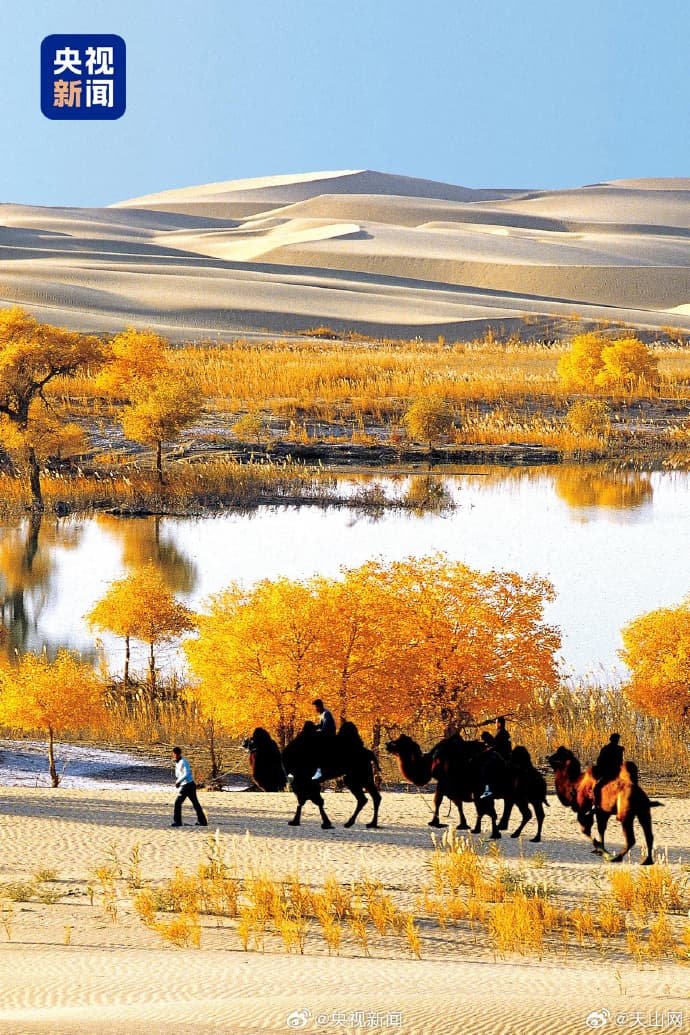
If you have only one piece of advice to take, it is this: flip your schedule. Sleep in, drive the empty middle stretches in the afternoon heat, and treat the post-sunset hours as prime time. Night markets that are already good become spectacular during Ramadan. The night markets of Kashgar, Urumqi and Yining run later and fuller, and the atmosphere in the old town of Kashgar after iftar is the most alive I have seen anywhere in the region.
One practical note for drivers: people eat late and stay out late, then many wake before 5 a.m. for the pre-dawn meal, suhoor. That means early-morning traffic in towns can be surprisingly busy around 4:30 to 6:00, then quiet again. Plan fuel and departures around it rather than fighting it.
How to be a decent guest
You are not expected to fast. Foreign visitors are generally understood to be exempt, and no one will be offended if you eat. What reads as respectful is quiet, not performative. Eat away from the main prayer areas, do not chew gum or sip loudly in a crowded tea-house during the day, and if you are invited to iftar, say yes.
I was pulled into an iftar in a courtyard off the Id Kah Mosque one year, handed a bowl of lamb broth and a date, and fed until I could not move. The invitation came because I had asked, politely, where people were breaking fast. A few words of basic Uyghur go further than any gift. “Ramadan mubarak” (happy Ramadan) almost always gets a smile.
Photography and prayer times
Mosques fill for the sunset prayer, and that is not a moment to photograph the crowd. Step back, wait, and shoot the architecture after. Our guide to no-photo zones covers the harder restrictions, but during Ramadan the rule is softer and simpler: let the worship happen, then make your pictures.
Does Ramadan change the drive itself?
Barely. Roads are open, checkpoints run as normal, and fuel is available. The one thing I watch is the stretch from mid-afternoon into dusk on the open highways, when a fasting driver who has been up since 4 a.m. may be tired. I keep more distance than usual and avoid overtaking on blind curves. It is the same defensive habit I use on any long self-drive day.
What to book, and what to skip
Hotels do not close and do not raise prices for Ramadan. If anything, the shoulder weeks of late February and early March are a quiet, cheap window before the spring rush. The best-time-to-visit calendar puts March in the “low season” column for good reason: cold nights up north, blooming apricots down south, and towns that feel like they belong to the locals again.
Skip the assumption that you need a guide to navigate it. You need patience and a cooler. I have driven the whole southern circuit during Ramadan with no trouble beyond reorganizing my meal times, and the payoff, empty roads, full night markets, and unhurried towns, was worth the small adjustment.
A sample Ramadan-day plan
Here is how I would run a Kashgar-based day. Wake at 8:30, a slow hotel breakfast. Drive the 160 km to Tashkurgan with a mid-morning stop, arriving early afternoon. Rest at the hotel through the heat. Out at 6:30 to walk the old town as it wakes for iftar. Dinner at a family grill around 8:00. Back on the road the next morning, refreshed rather than rushed.
The bazaars change shape
Ramadan reshapes the weekly bazaars. The famous Kashgar Sunday livestock market still runs, but the food stalls cluster later and the mood tilts toward the evening. I have found the smaller county bazaars, the ones off the main guides, more rewarding during the month: less volume, more conversation, and vendors with time to explain what is in the pot. The food-culture overview maps the staples, but timing is the Ramadan skill.
What I pack for a Ramadan drive
A cooler is non-negotiable, a small one that runs off the 12 V socket. Into it go bread, hard cheese, tomatoes, boiled eggs and a flask of tea, bought the evening before at a night market. That covers midday without leaning on closed kitchens. I also carry a few energy bars as a backstop and a reusable cup for the free tea most tea-houses pour for anyone who sits down, fasting or not. None of this is exotic; it is just the standard packing list with the meal timing shifted.
Money and opening hours
ATMs and shops keep ordinary hours, so cash is not the issue it might be in remoter months. The only snag is the afternoon lull in family-run businesses; I pull cash and water in the morning so I am not hunting a closed shutter at 3 p.m. The payment guide covers the apps that work whether or not a shop is open.
The night it ends: Eid al-Fitr
The month closes with Eid al-Fitr, in 2026 around 21 March, two to three days of visiting, feasting and, in the cities, big gatherings. Travel-wise, expect the day before and after Eid to be busy on buses and planes, and some small restaurants to close for the family holiday. I would not schedule a long highway transfer on Eid day itself; the towns are lovely but the roads fill. If you are in Urumqi or Kashgar for it, stay put and enjoy it. The festival calendar places it alongside the other big dates.
North and south are not the same
In the north, around Yining and the Ili valley, the Muslim population is mixed and Ramadan is observed but the towns feel less uniformly closed by day. In the south, the Tarim basin and the Pamir, observance is deeper and the daytime quiet more total. I plan a southern Ramadan day with a longer afternoon rest and a bigger iftar; a northern day I can drive harder through the middle. Neither is better, they are just different rhythms, and a self-drive trip lets you feel both in a single week.
Is it safe to travel during Ramadan?
Yes. The question comes up, and the honest answer is that the month changes meal times, not security. The safety guide holds year round. Checkpoints, fuel and roads run as normal. If anything, the towns are more relaxed after iftar, full of families. I have never felt less safe for traveling in the month; I have felt more welcome.
A final word on patience
The single mistake visitors make is fighting the schedule. You cannot will a closed bakery open at noon, and you should not try. Build the day around the evening, and Ramadan stops being an obstacle and becomes the best part of the trip. The empty roads, the long light, the full night markets, that is a Xinjiang most summer crowds never see.
Ramadan on the Pamir
Up on the plateau the month feels older. Tashkurgan’s teahouses empty by day and fill after dark, and the cold makes the evening meal matter more. I timed a Pamir loop to land in town for iftar and it was the warmest welcome of the trip, a stranger handed a seat and a bowl. The old-town guide for Kashgar applies the same way: go where the families are, after sunset.
Food to carry, specifically
Not just “snacks.” I pack flat bread that survives a day in the heat, hard cheese, boiled eggs, a tomato or two, and a small container of olives, the kind of self-catered meal a local would recognize. A thermos of black tea is the glue; it turns a roadside stop into a picnic. The tea-house guide tells you what to order when they are open; this is what covers the hours they are not.
The tea-house rhythm
Most tea-houses never close for the day, because someone always wants tea. I have sat in a near-empty room at 3 p.m., the only customer, and been treated like the guest of honor. Buy a pot, sit, charge the phone, let the heat pass. It is the cheapest air-conditioned rest in town and the best people-watching there is. Ramadan or not, this rhythm is the Xinjiang I come back for.
One mistake I made
Year one, I planned a long transfer on the last day of Ramadan, assuming nothing changes. Half the small restaurants were closed for Eid, and I ate a cold lunch in the car. Now I treat the final three days as a slow zone, short drives, town bases, big iftar. The festival calendar keeps me honest about the dates. Small plan, big difference.
Ramadan is not a complication. It is a different Xinjiang, one that keeps later hours and deeper hospitality, and a self-drive trip is the perfect way to move at its pace. Arrive with snacks, stay up past dark, and let the month show you its best hours.