
Eating Gluten-Free in Xinjiang: A Practical Guide for Travelers with Celiac Disease
When my doctor confirmed celiac disease, I assumed my dream of a two-week self-drive through Xinjiang was off the table. The region runs on wheat: noodles, bread, and dumplings appear at nearly every meal. I went anyway, and I ate well. The trick was learning which dishes are naturally safe, how to explain the condition in a language I did not speak, and where to stock up when the road offered nothing but bakeries. This is the practical playbook I built across that trip and two returns since.
The Wheat Problem in Xinjiang
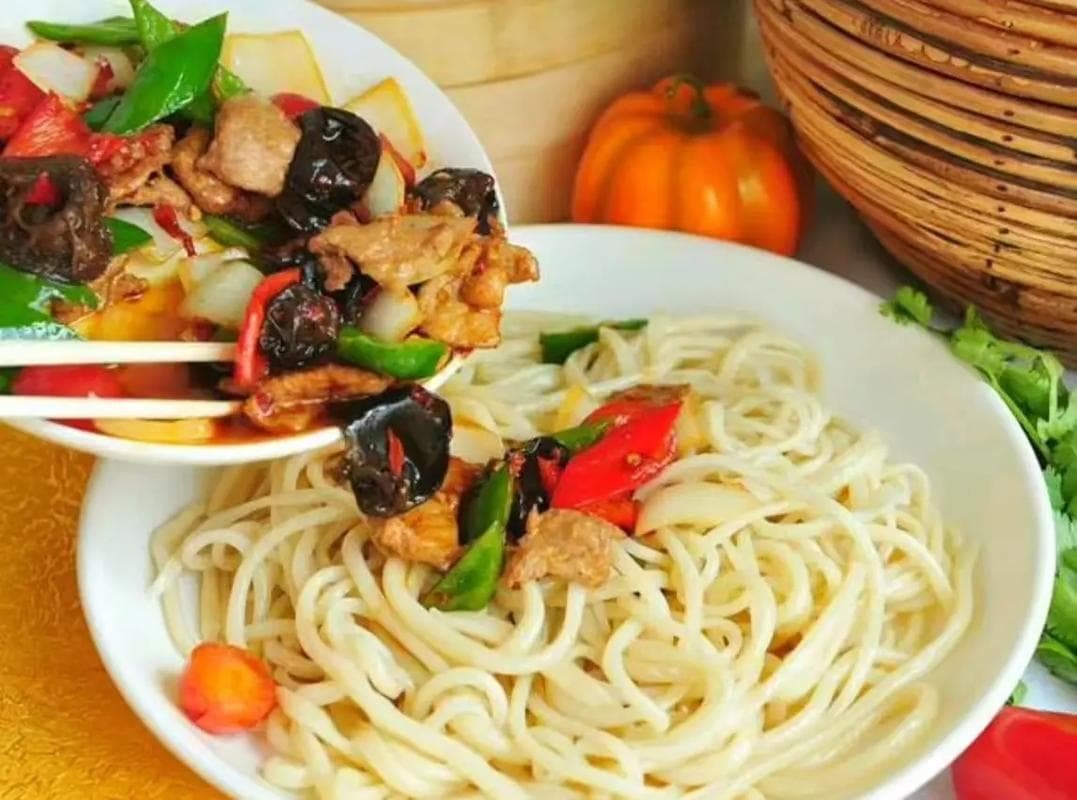
Xinjiang cuisine leans hard on gluten. Laghman is the hand-pulled noodle dish you will see steaming in every town, usually dressed with beef, tomatoes, and peppers. Naan is the round flatbread baked in a tandoor and sold from roadside stacks. Manti are large steamed dumplings, samsa are the small meat-filled pastries baked in the same clay oven, and mantou is plain steamed bread served with almost everything.
For someone with celiac disease, none of those are options. The good news is that the local diet also centers on grilled meat and rice, which means safe meals are absolutely possible if you know what to point at. The Xinjiang food culture overview helped me understand the logic of the table before I arrived, and it made ordering far less guesswork.
What Is Safe and What Is Not
The naturally gluten-free backbone of a Xinjiang meal is meat cooked over fire. Shashlik, the skewered and spiced lamb or beef, is grilled clean and needs no flour. Polo, the rice pilaf with carrot, raisin, and lamb, is built on rice and is usually safe as long as no bread crumbs sneak in. Fresh yogurt, the salty kumis made from fermented mare’s milk, and the endless fruit of the region, from Hami melon to grapes around Turpan, are all naturally free of wheat.
The danger is contamination, not the core ingredient. A grill that also toasts naan, a cutting board shared with dumplings, or a spoon dipped between dishes can be enough to make a sensitive person sick for days. I learned to ask and to watch the kitchen, because the assumption here is that everyone eats bread.
A Two-Week Drive and a Strict Diet
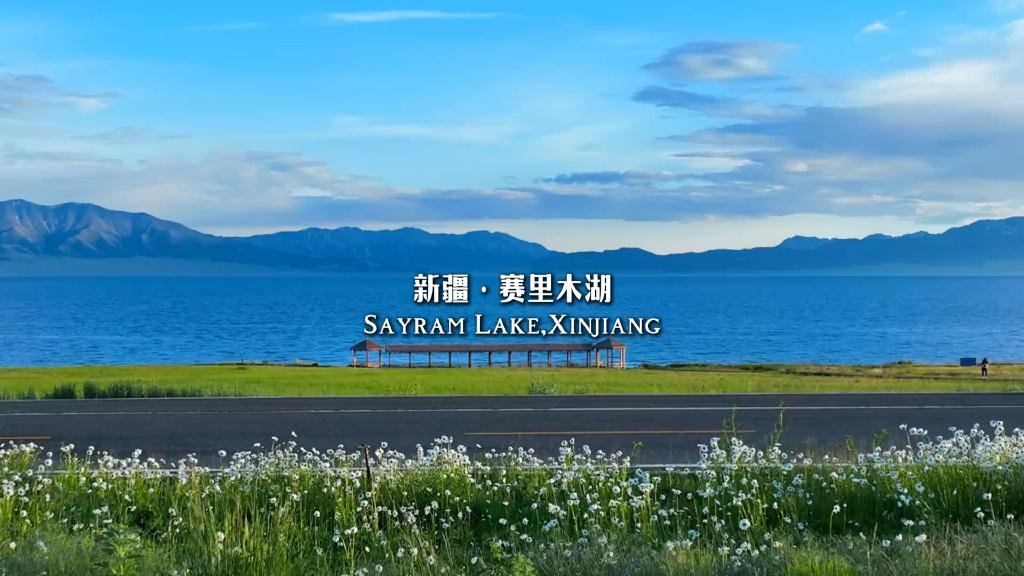
On my first celiac trip I drove from Urumqi west toward Kashgar, then north through the Ili valley and back. Fourteen days, roughly 3,000 kilometers, and not a single planned restaurant. The first night in a Korla hotel, the chef proudly brought me laghman “without the noodles” which meant plain beef soup with floating carrot. Edible, but a sign that I had to be clearer than I thought.
By the time I reached Kashgar, I had a system. Breakfast was yogurt and fruit from the morning market. Lunch was shashlik from a stall where I could see the meat go straight from marinade to coals. Dinner was polo at a restaurant I had vetted the day before. I never went hungry, but I did eat more repetitively than a gluten-eating friend would have, and that is a fair trade for staying healthy.
How to Explain Your Condition
No one in a small Xinjiang kitchen speaks English celiac terminology, and “I am allergic” gets more traction than a careful medical explanation. The phrase that worked best, spoken slowly, was a simple statement that you cannot eat wheat or flour. Even better is a note on your phone in the local language, shown to the cook rather than explained.
I kept a short card that read, in plain local script, that I have a serious illness triggered by wheat, noodles, bread, and dumplings, and that even a small amount makes me violently sick. Showing the phone removed the smiling-nod that often means “I heard you but I will bring naan anyway.” The halal restaurant finder for Xinjiang pairs well with this approach, because most Uyghur spots are already halal and used to dietary rules, so adding yours feels normal to the staff.
A Note Card That Actually Works
Keep the card short and specific. List the foods to avoid by their local names, not by the English word gluten, because the concept of hidden wheat is unfamiliar. Mention noodles, bread, dumplings, and fried items that may use flour as a coating. Add that clean utensils matter. I screened mine with a translation app before trusting it, and a corrected version saved me more than once.
Photograph the card on your lock screen so you do not fumble through apps at a busy counter. The ten seconds it saves is the difference between the cook reading it and waving you to a seat.
Safe Ordering at Uyghur Restaurants
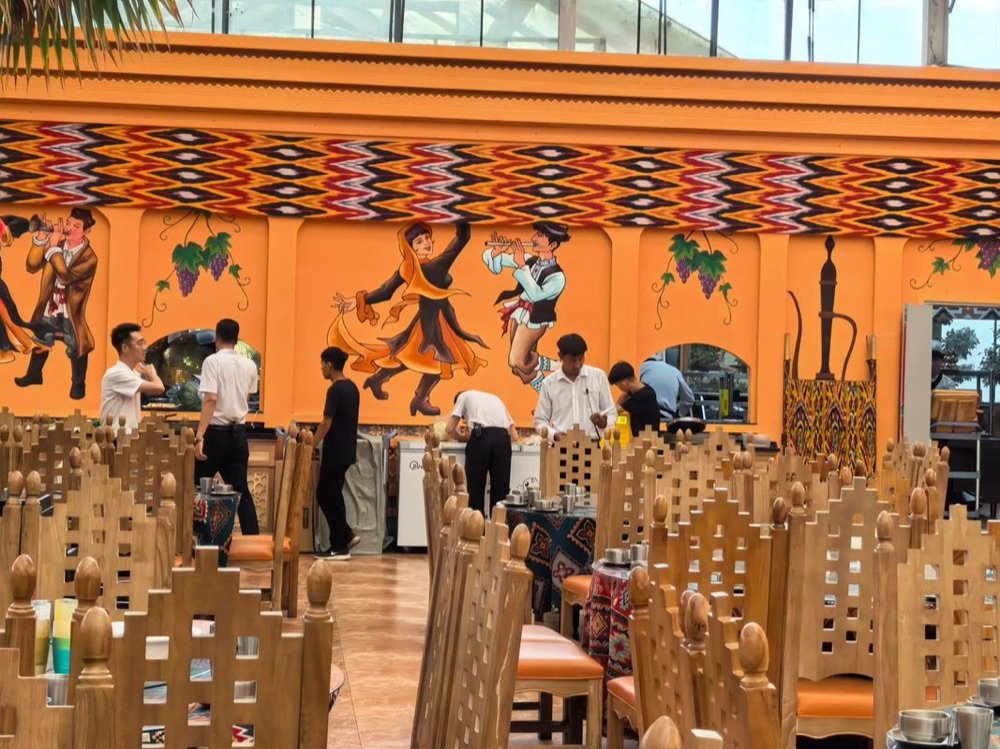
Uyghur restaurants are your friend on this diet, but only with the right order. Start with shashlik and ask for it without any bread on the plate. Polo is the reliable main, though I always confirm no crispy noodle garnish sits on top. Grilled whole fish, common near the lakes, is another clean choice when cooked plain.
The what to order at an Uyghur restaurant guide lists the menu items in detail, and I used it to build a short list I could point at rather than describe. Boiled or roasted corn, available at markets in summer, rounds out a snack without risk.
One trap to watch: many “rice” dishes arrive with a side of naan by default. Say clearly you do not want bread, and if the cook looks unsure, ask them to bring the plate without it. I once had a seemingly safe plate of beef and rice arrive with a naan leaning against it, and the oil from the bread had soaked the rice edge.
What to Buy in Supermarkets
Self-catering is the safety net that makes the whole trip work. Large supermarkets in the bigger cities stock rice noodles, millet, and packaged nuts that are labeled with ingredients, so you can read before you buy. Sealed bags of walnuts and almonds from Hotan are a constant in my trunk. Canned or boxed yogurt, hard cheese from the dairy sections, and fresh fruit keep breakfast and snacks covered on days when restaurants feel risky.
The street snacks under 20 yuan list is fun to browse, but as a celiac I treat most street food as off-limits because the stalls share oil and surfaces with wheat items. Roasted corn and plain grilled meat from a dedicated skewer stall are the exceptions I trust.
Reading Labels Without the Language
Packaged goods in Xinjiang often carry an ingredient list in both scripts, and the key words to recognize are those for wheat and flour. When in doubt, choose items with a short ingredient line you can translate on the spot with a phone app. Plain rice, plain nuts, and plain dried fruit are the safest bets because they have nothing to hide.
I also carried a small supply of gluten-free oats and rice crackers from home for the long desert stretches between towns, where a supermarket might be a half-day drive away.
Cities With Real Grocery Options
Not every stop has a stocked store. Urumqi, the regional capital, has the largest supermarkets and the widest range of imported and labeled gluten-free products, including rice-based noodles and international brands. Kashgar, out in the west, also has sizable markets where I found packaged nuts, rice, and dairy without trouble.
Smaller towns like Jimsar or Aksu are thinner. You can buy fruit and basic rice, but do not count on finding labeled gluten-free specialty items. I treat Urumqi and Kashgar as my resupply points and load the trunk there before heading into the quiet counties.
In Kashgar I once spent a happy hour in a large market near the old town filling a bag with walnuts at about ¥25 a kilo, dried apricots, and vacuum-packed cooked rice, all of it safe and cheap. That single stop carried me through three days of desert driving where the only open businesses were naan ovens. Planning resupply around those two cities turned out to be the most useful habit of the whole trip.
For travelers who also avoid animal products, the vegetarian and vegan options in Xinjiang guide is worth reading alongside this one, because the overlap of a plant and gluten-free diet narrows the menu further and needs its own strategy.
Cross-Contamination Realities
The honest part is that Xinjiang kitchens are not set up for celiac safety. The tandoor that bakes naan also heats samsa. A single cleaver moves from dumplings to mutton. Even a careful cook can cross a line without meaning to. My rule became: trust grilled meat from a clean skewer stall, trust sealed packaged food, and be cautious with anything plated in a busy holiday kitchen.
I carried a small set of reusable cutlery and a folding bowl, which sounds odd but removed the “is this plate clean” question at roadside stops. On a two-week drive the peace of mind was worth the luggage space.
Cooking for Yourself on the Road
The single biggest relief on my trips was booking the occasional room with a kitchenette. In Urumqi and Yining I found apartments that cost little more than a hotel and let me cook rice, eggs, and vegetables I had bought at the morning market. A hot pot set, common in northern Xinjiang, is also workable if you bring your own clean packet of rice noodles and skip the shared dipping sauce that often contains soy thickened with wheat.
A Simple Safe Meal I Repeated for Two Weeks
My fallback dinner was always the same and never failed me: rice cooked in the room, a packet of sealed nuts, and yogurt from the supermarket. It is not exciting, but after a long drive it meant I ate without a single worry about the kitchen. I kept a small travel rice cooker that ran off the 12-volt socket in the car, which sounds excessive until you are in a county where every restaurant plate touches naan.
If you cannot cook, the supermarket deli counter in the big cities sometimes sells plain boiled eggs and roasted corn with no flour involved. Learn to spot those and you add safe variety without risk.
Final Thoughts
Driving Xinjiang with celiac disease is entirely doable. The region’s love of fire-cooked meat and rice gives you a real, satisfying diet, and the supermarkets in Urumqi and Kashgar let you stock up between towns. The work is in the explaining: a clear note on your phone, a short list of safe dishes, and the habit of watching how a plate is built.
Bring your own safe snacks for the long stretches, book rooms with a kitchen when you can, and treat the tandoor as a beautiful thing you admire rather than eat. I came home from that first trip healthy, full, and already planning the next loop, and that is the outcome every traveler with a strict diet deserves.
Karl Huang drove these routes across Xinjiang between 2019 and 2026. He updates guides when road conditions, prices, or permit rules change. You can reach him through the Contact page.