
Xinjiang Ice Cream and Frozen Dairy Desserts: Where to Find Them
On my first evening in Yining I bought a cone from a cart near the river for 5 yuan and did not think much of it. Then I tasted the milk. It was nothing like the sweet, airy ice cream I grew up with. This was dense, almost chewy, with a clean dairy flavour and a finish of something nutty I could not place. Two weeks and a dozen cones later I realised Xinjiang has a frozen-dessert culture most foreign visitors never notice, because the carts do not advertise in English and the best ones are tucked inside bazaars.
The street-cart ice cream of Yining
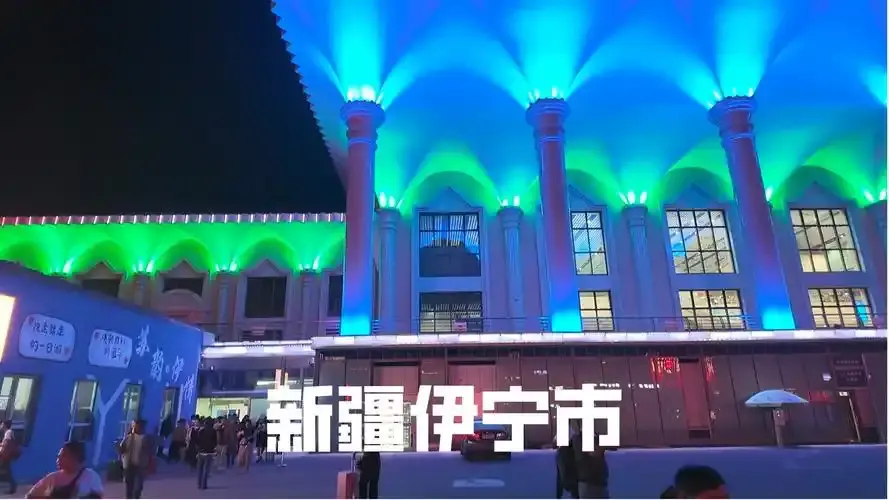
Yining, the relaxed capital of Ili, is where I would send any first-time visitor to meet this treat. The carts cluster along the pedestrian streets and near the big mosques in the evenings, from about six o’clock through midnight in summer. A single cone runs 5 to 8 yuan, and a cup piled high with toppings is 10 to 15. The vendors are usually Hui or Kazakh families who have run the same spot for years, and they recognise a returning customer fast.
What makes the Yining version distinct is the texture. It is churned slowly in a shallow pan over ice, not whipped full of air in a machine, so a serving feels closer to frozen custard than to a supermarket tub. The base is milk and sugar, sometimes a little cream, and the colour is pale ivory rather than bright white. On a hot July night the line outside one famous riverside cart ran twenty people deep, and nobody minded the wait because the vendor kept up a running joke with everyone in three languages.
I learned to ask for the plain milk version first, then experiment. The fruit swirls change with the season: apricot and cherry in early summer, grape and melon by August, and a sharp green apple in September when the orchards around the city turn. The fruit is folded in as a loose compote, not a syrup, so you get little bursts of tartness against the cream. A vendor in the old Russian quarter told me she freezes the fruit the night before and grates it in by hand, which is why the bits stay distinct instead of dissolving.
If you want to understand why the milk tastes this way, Xinjiang’s deep dairy traditions explain the pasture-fed herds and the fermented drinks that sit beside this frozen stuff on every menu, and the context makes the ice cream taste richer once you know the source.
Maharaja and the bazaar frozen treats
Walk into almost any large bazaar from Urumqi to Kashgar and you will find a frozen-dairy stall locals simply call the maharaja cart, after a style of hand-pressed ice cream that arrived with the region’s South Asian trading links generations ago. It is not a single chain. It is a method: a slab of dense frozen milk is pressed and folded on a cold plate with a spatula until it turns silky, then scraped into a cup and buried under nuts and dried fruit.
The show is part of the draw. The vendor works the slab in full view, and the rhythm of the spatula against the plate is the sound I now associate with a good bazaar afternoon. A plain cup is 6 to 10 yuan, and the loaded version with everything on top runs 12 to 18. In the Urumqi bazaar I watched a man make six cups in under three minutes, each one a different colour from a different fruit paste, without looking up from his hands.
Do not confuse this with the soft-serve machines outside convenience stores. The machine kind is fine on a scorching Turpan afternoon, but it is factory mix and air. The maharaja-style press is real dairy worked by a person, and the difference shows in the mouthfeel: heavier, less sweet, and somehow cooler without being icy. I now skip the machines entirely unless I am desperate and far from a bazaar.
The bazaar version also travels well across regions. I had nearly the same cup in Kashgar and in Yining three weeks apart, which tells me the method is taught hand to hand rather than franchised. The nut mix varies by what grows nearby, so the Kashgar cup leans toward apricot kernel and walnut, while the Ili cup uses more hazelnut and the local berry. That local variation is the fun of chasing it.
To broaden the picture, Silk Road food culture ties this frozen habit into the wider eating life of the region, from the grilled meats to the flatbreads, and it helped me plan bazaar days around when the carts open rather than when I happened to be hungry.
What goes in it
The base is simple and that is the point. Good carts use fresh cow or sheep milk, sugar, and sometimes a little cream, with no stabilisers you would recognise from a label. The pale colour comes from the milk itself, not from vanilla or added white. In mountain towns near Tianshan I tasted versions made with goat milk that had a faint tang, closer to frozen yogurt than to cream, and the herders swore by it as a summer staple.
Saffron appears in the richer cups, especially the ones sold as a treat rather than a snack. A few threads steeped in warm milk give a gold tint and a perfume that cuts the dairy sweetness. It is not in every cup, and a vendor who uses it will tell you, because saffron is the expensive ingredient and they are proud of it. I paid 15 yuan once for a saffron cup in Kashgar and it was the best 15 yuan of the trip, fragrant without being perfumey.
Nuts and dried fruit do the heavy lifting on top. Walnuts, almonds, pistachios, and apricot kernels are the common mix, with raisins and chopped dried apricot close behind. In Hotan I found a cart that added a spoon of crushed rose petal, which sounds precious but tasted like a cold version of the local jam. The dried fruit is usually local and unsweetened, so it balances the sugar in the base instead of doubling it.
A few stalls stir in a spoon of kumis, the fermented mare’s milk, for a tangy frozen drink that splits opinions fast. I liked it; my traveling companion hated it. If you are curious about that side of the dairy world, kumis and herbal teas cover where to try the fermented versions that some vendors fold into their frozen cups when the weather turns warm.
None of this pairs better with anything than a slow morning. I often bought a small cup after a Uyghur breakfast spread of samsa and milk tea, and the cold against the hot tea was the right kind of contrast to start a bazaar day. The breakfast stalls and the ice cream carts are usually within a hundred metres of each other in the old towns, which is no accident.
Where to find it
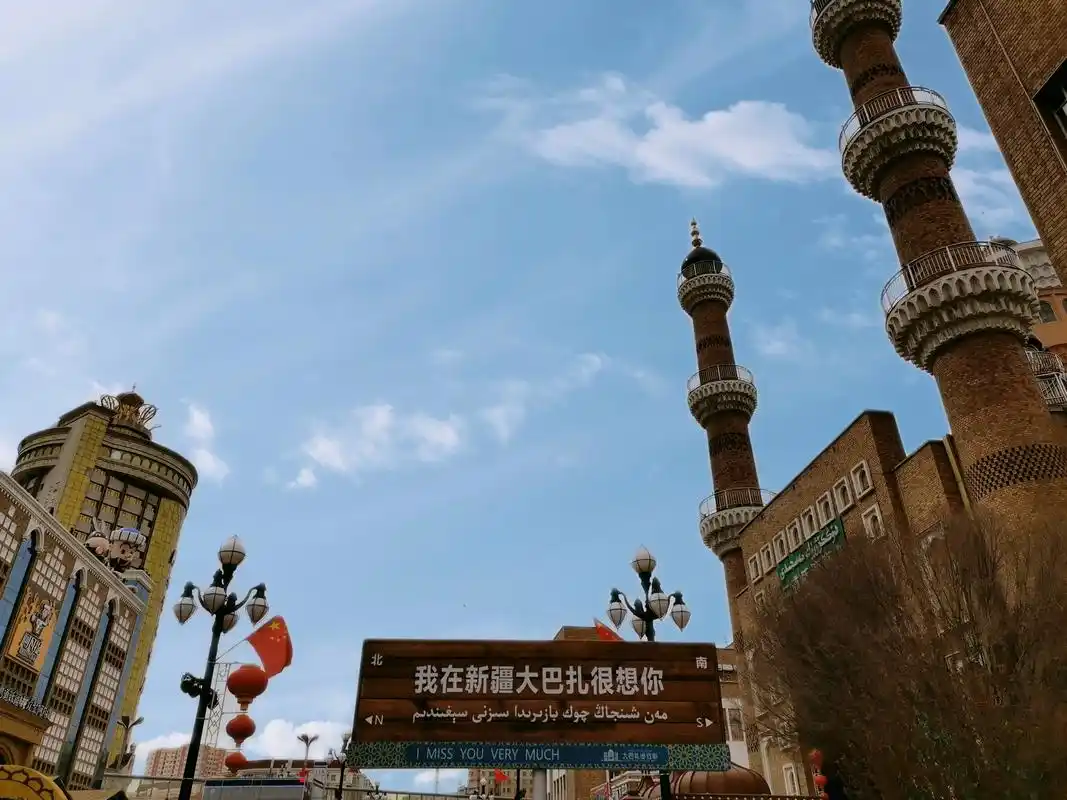
Kashgar’s old town is the easiest hunting ground for a first-timer. The lanes off the main food street fill with carts after sunset, and the food streets of Kashgar’s old town map the exact lanes where the best stalls set up, including a corner near the Id Kah Mosque where three carts compete for the late crowd. I ate there four nights running and never had a bad cup.
Urumqi has the most variety because it is the biggest city, but you have to leave the malls. The Grand Bazaar area has reliable carts, and the night market strips out past the university draw younger crowds and cheaper cups. I found a stall near the southern bus station that served a goat-milk version you will not see in the tourist core, and the woman running it laughed when I ordered a second without finishing the first.
Yining remains my favourite for atmosphere. The riverside promenade turns into a slow parade of carts and families from June through September, and the light off the water makes the whole thing feel like a small festival every night. Go in the early evening if you want a seat on the benches, or after ten if you want the late local crowd and the best people-watching. The season matters: outside summer the carts thin out, and by November most have stored their pans until spring.
Smaller towns reward a detour. In Turpan the carts appear at the night bazaar near the vineyards, and in Hotan the old-town lanes hide a few family spots that open only on market days. I missed one in Hotan by a day and had to come back, which turned out to be the right kind of mistake because the Sunday version came with a free sample of the dried-fruit topping.
Food-safety notes for travellers
The dairy here is real and unpasteurised at many small stalls, so a little caution goes a long way without spoiling the fun. Favour carts with a steady local queue, because high turnover means the milk does not sit. A busy riverside cart in Yining sold out by eleven every night I visited, which is about as safe a signal as you can ask for on a street corner.
Watch the temperature. The good vendors keep their base buried in ice or in a powered freezer, not sitting in a metal pan under a warm lamp. If the cup feels soft and soupy rather than firmly frozen, especially on a 35 degree Turpan afternoon, pass on it. I learned this the hard way once in a quiet town where the cart had clearly been slow, and a wary sniff saved me a sick day.
Stick to fruit and nut toppings you can see, and avoid any topping that looks pre-cut and sweating in the open heat for hours. The dried fruit is usually safe because it is dry by nature, but a bowl of fresh-cut melon left in the sun is a gamble I no longer take. Bottled water afterwards is wise if your stomach is new to the region, and I keep a small packet of rehydration salts in my daypack on bazaar nights just in case.
Start with small portions for the first few days. The milk is richer than Western ice cream and a large cup on an empty stomach can surprise you, not from contamination but from sheer dairy load. I now order a cup to share on the first night in a new town, then scale up once my system remembers the local herds. That single habit has kept every one of my Xinjiang trips free of a dairy upset.
One last practical note. Carry small cash for the carts, because the family stalls rarely take cards and some do not even run WeChat Pay reliably out in the small towns. I keep about 50 yuan in coins and small notes just for ice cream and tea, which removes the awkward moment of a vendor waving a phone at you that will not scan. The cost is so low that the right move is to try two stalls in one evening and decide your favourite by taste, not by price.
Chasing frozen dairy across Xinjiang turned into one of the unexpected pleasures of my travels there. It is cheap, it is local, and it puts you at a bench next to families who have been eating the same cup for generations. Skip the branded freezer sections in the malls. Find the cart with the longest local line, point at whatever the person ahead of you ordered, and let the summer do the rest.