
Xinjiang in January: Deep Winter, Ice Festivals and Quiet Highways
January is the quietest month I know on Xinjiang’s roads. I drove into the Tianshan in January once, and for 220 km between Urumqi and the high passes I met maybe a dozen other cars. The trade is simple: brutal cold, but empty highways, cheap rooms, and a kind of silence you never get in summer.
Why January Works for a Self-Drive Trip
Most foreign travelers picture Xinjiang as a summer place, all green grasslands and open mountain passes. That mental picture sells the winter short. In January the north is a frozen world, the south is crisp and dry, and the tourist buses that clog the big stops in July and August have gone home for the season.
I like driving here in deep winter because the roads belong to me. The G30 corridor from Urumqi west toward Yining runs clear most days, and a 560 km run that takes patience in peak season becomes a calm, almost meditative drive. You stop when you want, you photograph what you want, and nobody is queuing behind you for the same viewpoint at the same hour.
The other reason is money. Hotel rooms that cost ¥600 in August drop to ¥180 in January for the same bed in the same town. Fuel is the same price year round, but everything around it softens. I have eaten better hand-pulled noodles in a near-empty January kitchen in Kuqa than I ever did in a crowded August one, and paid less for the privilege.
There is also a photographic argument. The low winter sun stays angled and golden for most of the day, the air is dry and clear after a cold front, and the mountains wear a clean coat that hides the dust of summer. I came home from a January loop with more usable images than from two summer trips combined.
The Real January Weather
Forget vague warnings about cold. Plan with numbers. Urumqi in January sits around -15°C, often dropping to -20°C before dawn, and the wind off the plain makes it feel colder still. The Ili Valley around Yining is a few degrees warmer, maybe -10°C to -14°C, because the surrounding mountains block some of the worst Arctic air that pours down from the north.
The Altai region in the far north is a different league. I have seen -35°C near the snow country around Kanas and Hemu, and the locals treat that as a normal week, not an event. Southern Xinjiang is the gentle option: Kashgar hovers near -8°C, and Turpan, sunk in its basin below sea level, can stay around -10°C by day and feel almost mild in the afternoon sun when the sky is blue.
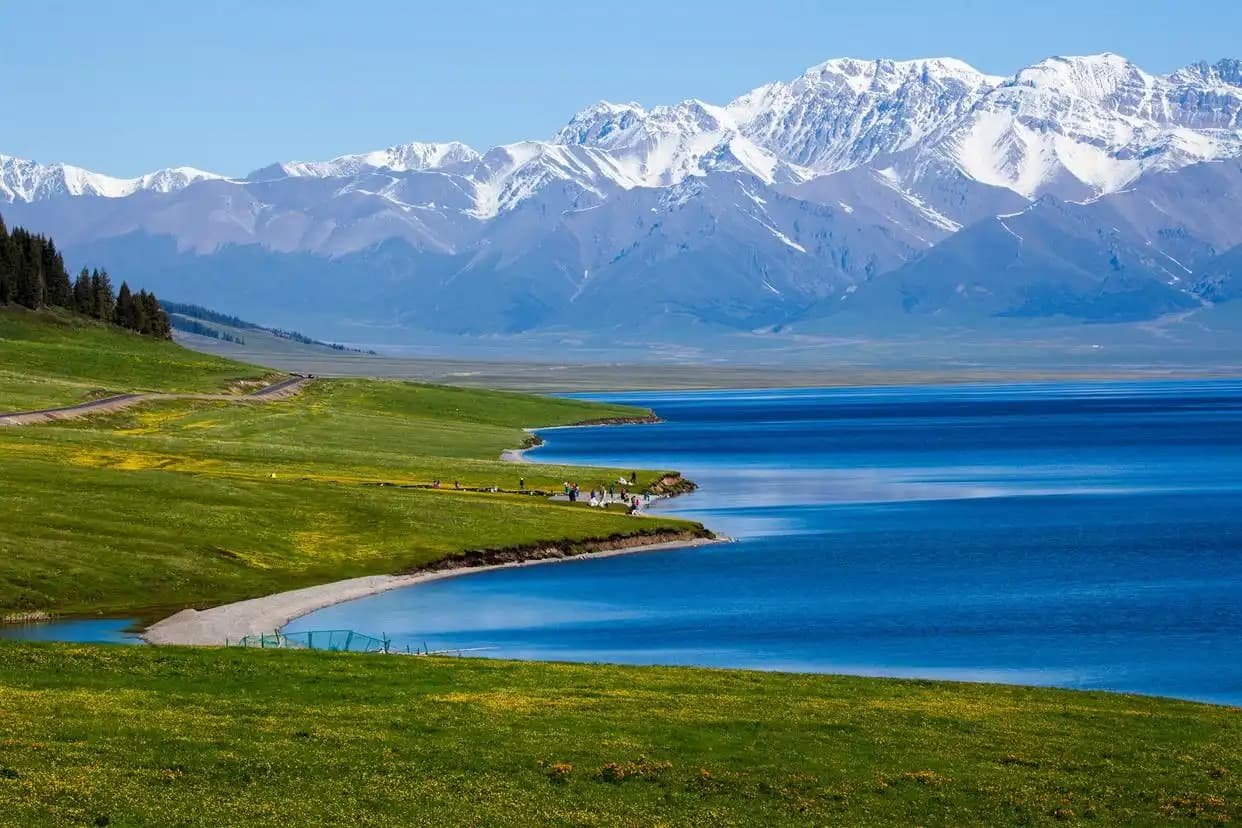
Sayram Lake, up at about 2,000 meters, freezes into a flat white plate you can walk far out onto. The wind there cuts hard, so I dress as if I am climbing a peak even when I am only standing by the shore. Wind chill, not the thermometer, is what bites, and I have learned to trust the felt temperature over the number on the car display.
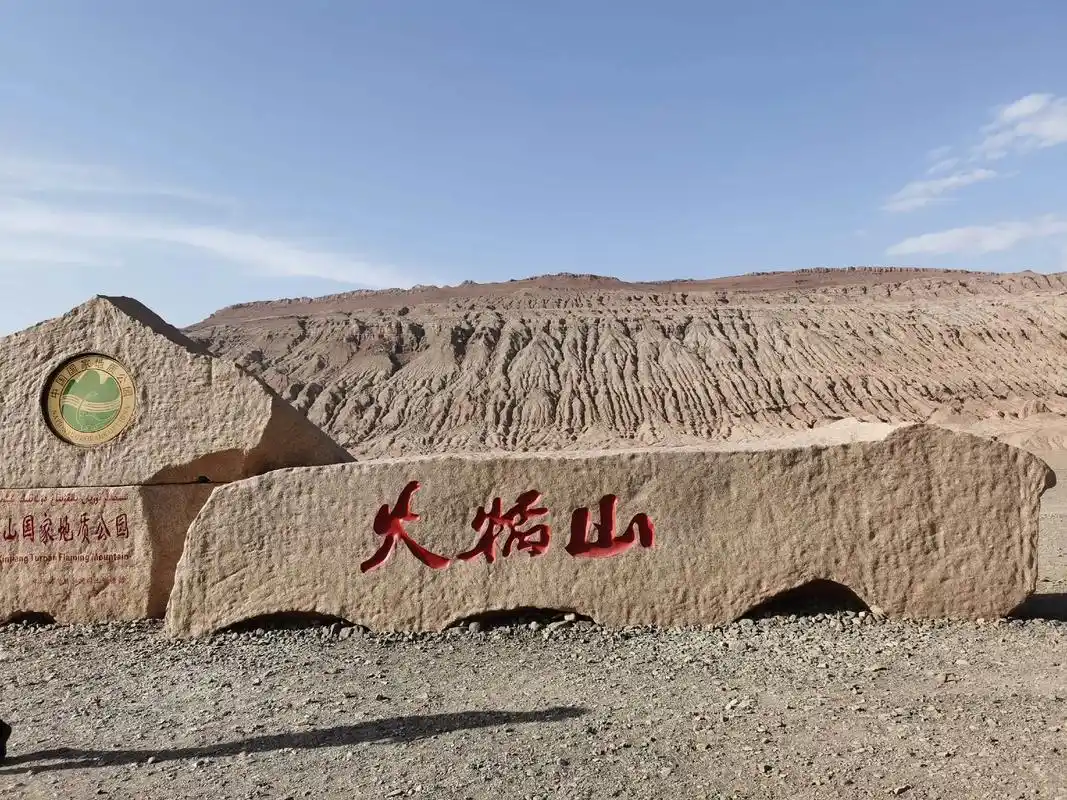
Down in the Turpan basin even the red rock ridges of the Flaming Mountains wear a thin dusting of frost, a sight you will never see in the summer heat that gives the place its name. I drove through one January noon when the usual shimmer was gone and the stone stood dark and still under a flat grey sky.
Precipitation is light. January is a dry month across most of the region, and heavy snow tends to come in brief fronts rather than steady fall. That means driving days are usually clear, and the real risk is cold and ice, not whiteout. I watch the forecast for those two-day fronts and plan my long transfers for the calm windows between them.
Ice and Snow Festivals Worth the Detour
January is when the ice festivals happen, and they are the easy heart of a winter trip. Around Urumqi and the northern parks you will find carved ice lanterns, lit at dusk, and frozen-waterfall displays that glow blue under spotlights. I drove out to one on a January evening when the temperature was -22°C, and the noise of the crowd was the only warm thing for kilometers in any direction.
The snow country of the Altai deserves its own plan. If you ski or want to learn, the powder there is dry and deep, and a seven-day loop through the northern mountains is the best winter driving I have done in the region. Our Altai powder snow itinerary lays out the daily distances, where to rent gear, and how to handle the cold starts each morning.
For a broader view of what is running, the 2026 winter events guide lists the ice festivals, the lantern shows, and the snow sculpture sites by region. Check it before you book, because dates shift with the cold and a warm spell can cancel a sculpture contest overnight. I once drove four hours for a festival that had already melted, and the lesson stuck.
Kashgar and the southern towns run smaller affairs, often ice lantern displays in the city parks rather than grand sculpture fields. They are worth an evening stroll if you are already there, and they cost almost nothing, which suits a long trip where the small moments add up.
A January Route I Actually Drove
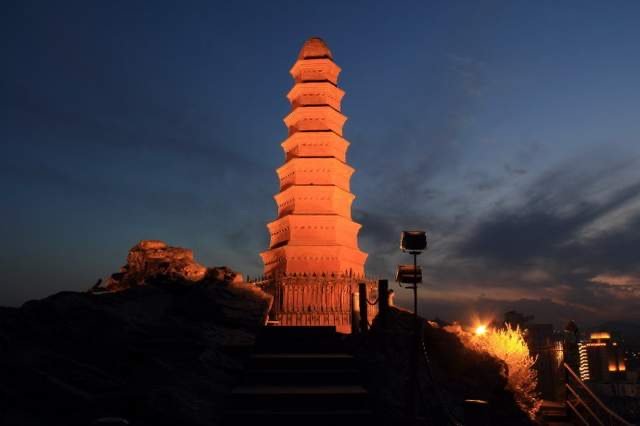
Start in Urumqi. Spend a night, fit your tires, and walk the red hill park in the city before the cold really sets in at dusk. Then take the G30 west. The run to Sayram Lake is about 560 km and I split it across a long day with a fuel and food stop in Shihezi, where the station is reliable and the noodles are hot.
From Sayram, drop down to Yining, roughly 90 km, and use it as your base for the Ili Valley. I drove south from Yining into the forested mountains on a morning when the temperature was -12°C and the birch trunks stood white against the snow. This is the kind of quiet forest road that justifies the whole trip, and I saw exactly three other vehicles in four hours.
Loop back through the valley towns and return to Urumqi the way you came, or push south to Kuqa if your tires and your nerve hold. The southern stretch through the Tarim basin is dry and fast in January, with long straight roads and very little traffic, though the distances are large and the fuel gaps are real. I carried an extra can once and was glad of it.
If you prefer the far north, fly or drive to the Altai gateways and base yourself there for snow rather than distance. The roads among the snow villages are short and slow, and the reward is the deepest winter scenery in the whole region. Either way, plan one base town and radiate from it rather than moving every night, because the short daylight punishes long transfers.
Tires, Chains and Closed Passes
Winter tires are not optional in January. Police checkpoints on the mountain routes look for the snowflake mark, and rental companies will not hand you a car without them. I carry a set of chains as well, because a single snow squall on a high pass can turn a clear road into a crawl within minutes, and the difference between moving and stranded is often those ten minutes of fitting them.
Know that the famous north-south highway over the Tianshan closes from late October to early June. I learned this the hard way on a first trip, arriving at a gate at 2,400 meters to find a chain and a sign in the snow. Plan your loop around the open corridors and treat any high pass as a maybe until you have called ahead or checked the morning notice.
The winter tires guide goes into the exact markings to look for, where to buy chains in Urumqi, and how to read a closure notice. Read it on a phone before you leave the hotel, because conditions change faster than any printed map, and a pass that was open at dawn can be shut by noon after a front.
What It Costs and What to Pack
Budget roughly ¥180 to ¥320 a night for a clean hotel in a city, less in a small town, more at a ski base. Food runs ¥35 to ¥60 for a solid meal, and a full tank of diesel or petrol for a 600 km day costs around ¥350 to ¥420 depending on the vehicle. Tolls are light in winter because so many sections are closed or quiet, and I have driven full days where the only charge was a single booth.
Pack for the extreme end, not the average. I carry two layers of gloves, a face mask for the wind, insulated boots rated below -30°C, and a thermos I fill with hot tea at every stop. A window scraper and a small shovel live in the trunk all season, and I keep a blanket back there too, because a breakdown at -25°C is not something to meet unprepared, and the wait for a tow can be long on an empty road.
Your phone will die fast in the cold. I keep a power bank in an inside pocket where my body heat keeps it alive, and I mark fuel stations on a map before each long stretch because signal thins out past the valleys. A paper note with the names of the next three towns, in the local script at the rental desk, has rescued me more than once when the map froze.
Sleeping and Eating in the Cold
The yurt camps and high grassland stays are closed in January, boarded against the snow. You sleep in towns, in real buildings with real heat, and that is fine. Yining, Kuqa, Kashgar and Urumqi all have warm guesthouses where the host will push a plate of roasted mutton and a bowl of hot soup toward you the moment you walk in, and the small kindness lands harder when it is -18°C outside.
Eat the winter food. Hand-pulled noodles in a rich broth, roasted lamb with cumin, and the stuffed pastries baked fresh in the morning are exactly what a cold body wants. I once sat in a small kitchen in Kashgar at -9°C with a bowl of lamb soup and felt the day reset itself in twenty minutes, and I have chased that feeling on every January trip since.
Markets are quieter but still open. The night markets of Urumqi and Kashgar run shorter hours, often closing by 11 pm, but the core stalls stay busy because locals live here year round, not just for the tourist season. Buy fruit from the south, the dates and melons hold through winter, and a bag in the car beats a cold service station snack.
Staying Safe on Empty Roads
The gift of January is the empty road, and the risk is the same thing. If you break down at -20°C on a pass with no signal, you need to be your own rescue for a while. I never start a long winter leg below half a tank, I tell a contact my route and expected arrival, and I keep moving rather than sleeping in the car unless I have no choice.
Watch for black ice on bridge decks and in shaded corners, where the sun never reaches. I drop to a speed I could walk away from on any unknown surface, and I avoid hard braking by reading the road three cars ahead. The cold also stiffens everything, so I give the engine a minute at idle before pulling away and let the tires warm before I ask them to grip.
Is January the Month for You
January suits a particular traveler. You need to be comfortable with cold, with empty roads, and with the idea that some famous sights will be shut behind snow gates. You get solitude, low prices, and a landscape stripped to its bones in return, and for many drivers that is the real Xinjiang, not the crowded summer postcard.
If that sounds like freedom rather than hardship, this is your month. The winter Xinjiang guide covers the season as a whole, and the best time to visit overview helps you weigh January against the spring thaw if you are still deciding. I have driven every month here, and January remains the one where the region feels most like it belongs to no one but the road.