
Xinjiang in December: A Winter Travel Guide to Snow, Solitude and Open Roads
Most visitors picture Xinjiang in high summer, with green grasslands and crowded scenic shuttles. I prefer December. The highways empty out, the hotels drop to their lowest prices of the year, and the same mountains that swarmed with tour buses in August belong to you alone. Winter driving here demands respect, but the reward is a kind of silence you cannot buy in any other season.
Why December Is Its Own Trip
December is deep winter across the whole region. Daytime highs in Urumqi hover around minus 10 Celsius, and in the north near Altay the thermometer can sit at minus 20 for days. The southern Tarim Basin around Kashgar stays milder, often near freezing by day and well below at night. The point is not to chase comfort. It is to experience a landscape stripped to its bones.
I drove the Ili valley in late December two years ago. The grasslands were silver with frost, the roads were empty, and I stopped for photos wherever I wanted without a single other car in the frame. That kind of freedom simply does not exist in July. If you are weighing when to come, the best time to visit guide lays out the trade-offs month by month, and December sits firmly in the quiet, cheap, cold corner.
The Roads You Can and Cannot Drive
The first thing to understand is that December closes some of the most famous routes. The Duku Highway, the spine that links Dushanzi to Kuqa across the Tianshan, is shut from roughly early October until the following June. The same is true for many high passes into the grasslands and alpine lakes. Plan a winter route that stays on the maintained trunk roads, not the scenic shortcuts.
What stays open is impressive. The G30 expressway corridor from Urumqi west to Yining and beyond is plowed and salted through the winter. The southern desert highway along the edge of the Taklimakan is dry and clear most of December. Kashgar remains fully reachable, and the Pamir road toward Tashkurgan is open when weather permits, though snow can close it for a day at a time.

The key is flexibility. I always build an extra night into a winter itinerary so a closed pass does not cascade into a missed flight. Winter travel here is about reading the weather and adjusting, not about hitting a fixed schedule.
Winter Tires and Chains Are Not Optional
Renting a car in December without winter tires is a mistake I have watched other drivers make. Snow tires are the baseline, and many northern stretches require metal snow chains on top of that during or after a storm. Police checkpoints on mountain roads will turn you back without them, and rightly so.
I carry two sets of chains and practice fitting them in a parking lot before I need them at the roadside in a blizzard. The winter tires guide explains which rentals include them and which do not, and the snow chains and regulations guide covers the legal requirements by region, including the checkpoints where you will be asked to prove you are equipped.
Driving style changes too. I drop my speed by a third on any shaded or bridge section, because black ice forms there first. I keep a full tank whenever I leave a town, since the next fuel stop might be 150 km away and buried in snow. None of this is hard, but it is non-negotiable.
Where to Point the Car in December
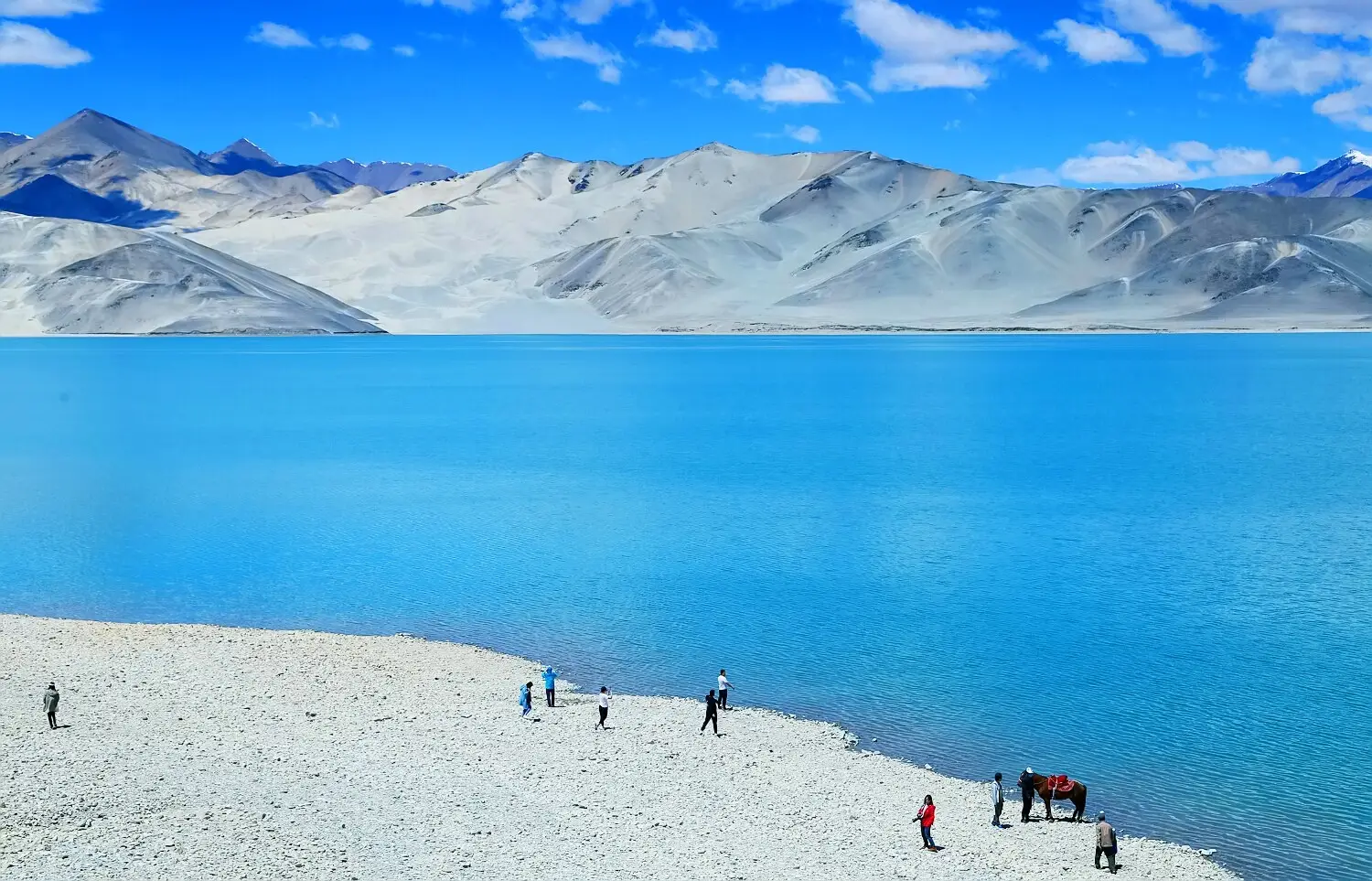
If you want classic winter scenery, the north delivers. Sayram Lake freezes into a vast sheet of blue-white ice, and the surrounding mountains turn into a monotone of snow and rock. The lake road is maintained, and you can drive the loop slowly with the windows down to hear nothing but wind. Kanas and Hemu village are open in winter and famous for it, with wooden lodges buried to their eaves and smoke rising straight up into still air.
The south offers a different reward: culture without crowds. Kashgar’s old town in December is just locals living their lives, not a stage set for August tour groups. The Sunday livestock market still runs, the tea houses are warm, and the light over the Pamir foothills at midday is clean and sharp. I spent a December afternoon in a Kashgar courtyard guesthouse watching snow fall on the mud-brick lanes, and it remains one of my calmest memories of the region.
For the truly cold-seeking driver, the Altay region near the Kazakhstan and Mongolia borders is the powder capital. The ski fields around Hemu and the Altai ranges draw a growing winter crowd, yet even there December feels sparse compared with European resorts. This is backcountry silence with plumbing, roughly speaking.
Festivals and What’s Happening
December is not festival season in the way January and February are, but it is the run-up. Ice and snow events begin lighting up in the north, and Urumqi’s winter leisure areas open their rinks and lantern displays. The 2026 snow and ice festival guide tracks which events start in December versus January, so you can time a visit to catch the opening rather than the peak.
I caught the first weekend of an ice lantern show in Urumqi one December and had the whole thing nearly to myself. By January that same square was shoulder to shoulder. The early window is the quiet one, and quiet is the whole point of a December trip.
What to Pack and How to Dress
Layering is the only system that works. I wear a merino base layer, a fleece mid layer, and a real down jacket rated to minus 25, plus insulated boots and windproof mittens rather than gloves, because mittens keep fingers alive at the fuel pump. A neck gaiter beats a scarf, since it stays put in wind.
In the car I keep a separate winter kit: chains, a folding shovel, a thermal blanket, a thermos of hot water, and snacks that will not freeze solid. Cell signal fades on the empty stretches, so I download offline maps before leaving each town. The general winter Xinjiang travel guide goes deeper on clothing and emergency gear, and I treat it as required reading before any cold-season departure.
Where You’ll Sleep and What It Costs
December is the cheapest lodging month of the year. A solid Urumqi hotel that runs ¥380 in August can drop to ¥220 in December. Scenic lodges that close for lack of staff in deep winter reopen at low rates, and yurt camps that charged ¥900 in July offer heated cabins at ¥350 or simply shut until spring. I once took a lakeside wooden room near Sayram for ¥300 in December that would have been ¥800 in July, and the only other guests were a film crew.
The catch is availability. Some guesthouses close entirely in the quietest weeks, so confirm by phone rather than assuming a booking site reflects reality. Village homestays in the far south tend to stay open year-round and welcome the occasional winter driver with extra heating and long dinners.
Food and Warmth on the Road
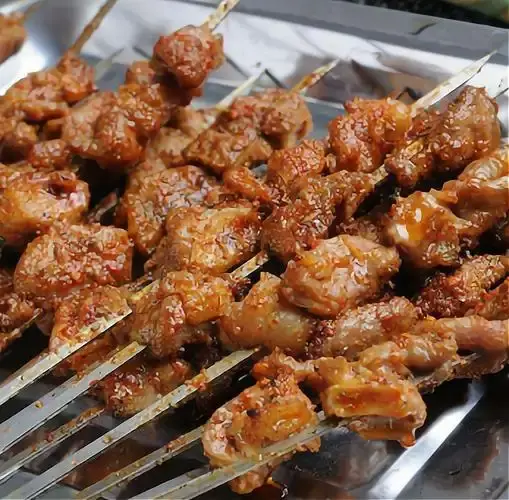
Winter is the best season for the food I crave after a cold drive: hand-pulled noodles in hot broth, roasted lamb skewers fresh off coals, and endless pots of milk tea. Roadside stalls in Kashgar and Urumqi fire up precisely because locals want warmth, not because tourists demand it. I plan my stops around a hot meal rather than a sight, and the day always improves.
Fuel your body the way you fuel the car: eat before the long empty stretches, carry water that will not freeze, and do not skip the midday hot meal just to make distance. A cold, hungry driver makes poor decisions on ice.
A Sample December Loop
A realistic winter route is Urumqi to Sayram Lake (about 540 km, mostly expressway), then south through the Ili valley toward Yining for two nights, then a long run back east or a flight home. That keeps you on plowed roads, gives you lake ice and grassland frost, and avoids the high passes that are closed anyway.
For a southern focus, fly into Kashgar and base there for four or five days, with a day trip toward the Pamir if the road is clear and an overnight in a village guesthouse. Either way, keep daily driving under 350 km so weather delays never become emergencies.
Permits and Checkpoints in Winter
The Pamir border region around Tashkurgan requires a travel permit for foreign visitors, and winter does not waive it. I apply for the permit in Kashgar and allow a full working day, since the office runs on its own clock regardless of season. Carry your passport everywhere, because the checkpoints on the road south ask to see it even when the pass is closed and no one else is around.
Plan for the permit office to be slower in December. Some staff take the quiet weeks as leave, so build a buffer day in Kashgar rather than booking a Pamir homestay the morning after you arrive. A missed permit is the one delay that no amount of careful winter driving can fix.
Photography in the Flat Winter Light
December light is a gift for cameras. The sun stays low, the air is dry and clear after a cold front, and the contrast between snow and dark rock is dramatic without the haze of summer. I shoot most of my best Xinjiang frames between 9 and 11 am, when the angle is long and the shadows are blue.
The challenge is the short window. With darkness by 6 pm and a late sunrise, you have perhaps seven good hours, and two of those are spent driving or eating. I scout positions the evening before so I am not hunting for a composition in freezing wind. Frozen lakes like Sayram and the white shores of the high country reward patience more than mileage.
The Honest Downsides
December is not for everyone. Some of the headline sights are closed or muted: the grasslands are brown under snow rather than green, the alpine lakes are frozen rather than turquoise, and several scenic shuttles stop running. Daylight is short, with the sun gone by 6 pm, so you lose driving hours to darkness.
The cold is real and can be dangerous if you underestimate it. A breakdown on a quiet road in minus 15 is a serious situation, not an inconvenience. I never drive a winter route solo without telling someone my plan and my expected arrival, and I check in at each town.
Is December Right for You
If you want solitude, low prices, and a raw version of the landscape, December is excellent. If you want every scenic area open, green pastures, and easy walking weather, come in June or September instead. I have done both, and I keep coming back in winter because the region feels honest when no one is performing for the peak-season crowds.
Give the season the preparation it asks for, and Xinjiang in December will hand you empty roads, frozen lakes, and a quiet that stays with you long after the thaw.