
Xinjiang with Teens: A Self-Drive Road Trip That Actually Works
Why I Took My Two Teenagers Across Xinjiang
Last summer I did something a few friends called reckless: I loaded my 14-year-old and 16-year-old into a rented Toyota Land Cruiser and drove them 2,400 kilometers across Xinjiang. No tour bus, no handler, no fixed hotel bookings beyond the first two nights. My youngest had never been further west than Chengdu. My oldest was convinced the trip would be “just deserts and bad wifi.”
By the time we reached the Kazakh yurt camp above Nalati, both of them were arguing over who got to steer the kayak first. Xinjiang with teens is not the soft option, but it might be the most rewarding trip you ever take with them. The region is enormous, the roads are good, and the sheer scale of what you see from the window does something to a screen-addicted teenager that no lecture can.
This is a practical, first-person account of how the route worked, what we would change, and the small logistics that make or break a family self-drive through this part of China.

The Route We Actually Drove
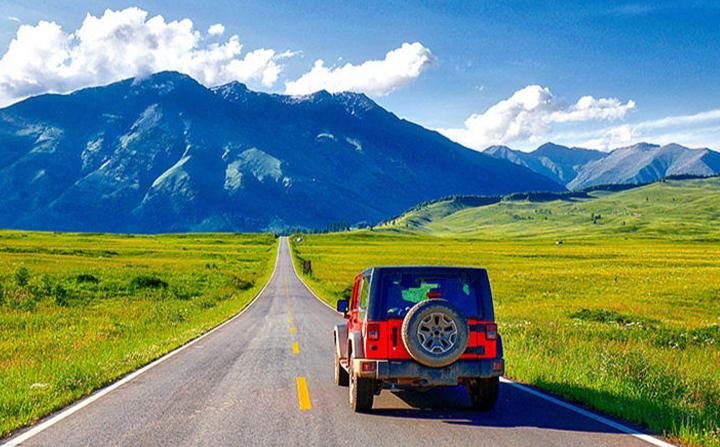
We flew into Urumqi on a Tuesday and were on the Duku Highway by Thursday. The Duku (Dushanzi–Kuqa) road is the single best argument for doing Xinjiang by car rather than train. It climbs from the flaming foothills near Dushanzi to snow fields at 3,400 meters in a single day, and the teenagers in the back went from bored to silent to “can we stop here?” about every twenty minutes.
Our rough loop looked like this:
- Day 1-2: Urumqi to Dushanzi, overnight in a basic but clean hotel (¥280 for a family room).
- Day 3: Duku Highway north section to Nalati grassland, 320 km, roughly 6 hours with stops.
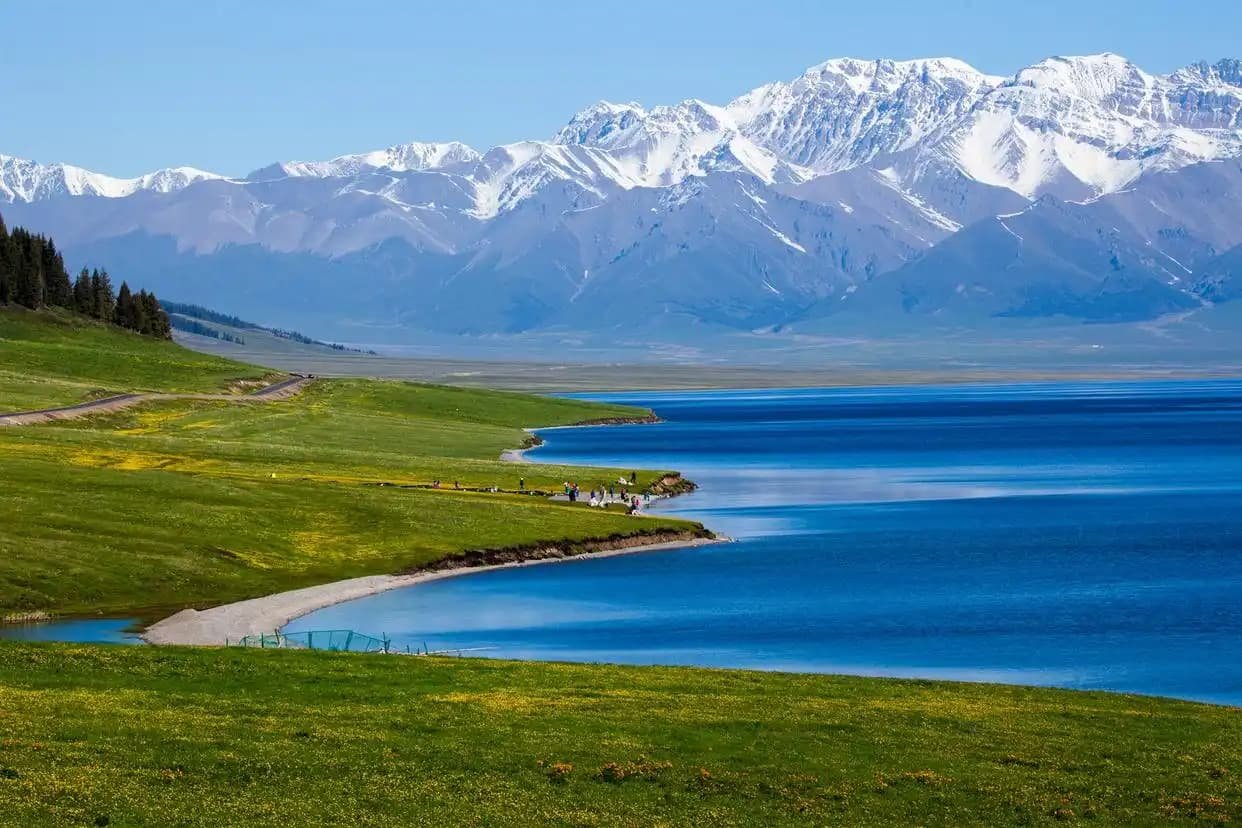
- Day 4-5: Nalati to Sayram Lake, then on to Yining for the bazaar and the food.
- Day 6-7: west to Khorgos, then south through the Tarim edge back toward Kuqa.
- Day 8-9: Kuqa canyon country, then the long haul back up the G217 to Urumqi.
That is a lot for nine days, and with teens you should cut it. We skipped Turpan on this run and regretted nothing. The full Duku Highway road trip guide covers the road in far more detail than I can here, but the headline is simple: do not overpack the schedule. Teenagers move slowly in the mornings and fast once they are interested.
What Teenagers Actually Liked
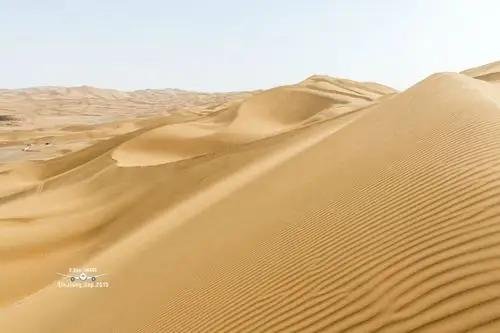
I expected them to love the scenery. They did, but the moments that stuck were smaller. My son spent forty minutes at a roadside apricot stall outside Toksun learning how to tell a ripe fruit by its weight. My daughter filmed the entire crossing of the Taklamakan fringe at golden hour and edited it on her phone before we reached the next town. Neither of those was in my plan.
The food was the unexpected hit. A Xinjiang street food tour is basically a teenager’s dream: skewers of mutton, giant naan fresh from the tandir oven, bowls of laghman noodles the size of a helmet. We ate dinner for the three of us for under ¥90 most nights.
Where Teens Get Bored, and How to Avoid It
The risk on a long drive is the middle stretch. After the third hour of straight highway, even a glacier loses its charm. We built in what I called “the ten-minute rule”: every stop, someone had to get out and walk for at least ten minutes, even if it was just to photograph a weird rock. It sounds trivial. It saved the trip.
We also let the kids own one decision per day. Which café in Yining, which side road to explore, which lake to swim near (where safe). Giving a 16-year-old the map app and the responsibility for the next turn made them part of the machine instead of passengers in it.
Screens, Signal, and the Good Kind of Disconnect
People worry about keeping teenagers entertained without internet. The truth: signal drops in the mountains and nobody minded. We bought a local SIM in Urumqi (the Xinjiang SIM and internet guide explains which one and where), and it worked in every town and most passes. Out in the wild it faded, and that was fine. Downloaded playlists, a downloaded movie for the hotel at night, and a notebook each for the “best thing today” list kept them busy.
Safety, Heights, and Saying No
Xinjiang is not a place to be casual about altitude or weather. We crossed a 3,400-meter pass where my youngest got a light headache; we drank water, dropped down, and she was fine. The altitude and health guide is worth reading before you go, especially with kids. We also set one hard rule: no phones while walking near cliff edges or fast water. That rule did not get broken.
Winter Is a Different, Quieter Trip
We went in July. If you can travel in January or February, the winter travel guide explains why the cold months are magical and emptier, with frozen lakes and ski slopes that cost a fraction of Europe. Teens who snowboard at home will lose their minds at the Altai powder. Pack serious layers; the north can hit -30°C.
What I Would Tell a Friend Planning the Same Trip
Rent the biggest car you can afford and still park. Bring a physical map as backup. Book the first two nights only, then wing the rest; the best yurt we stayed in was found by asking at a petrol station. Let the teenagers have real choices. And lower your daily mileage target by a third from what looks reasonable on a map.
If you want the broader family framing, the general Xinjiang family trip guide and the tighter kid-friendly route tips are both worth a read before you leave. For the baby-and-toddler end of the scale, the infant travel guide covers the logistics we no longer need but you might.
My two came home with full phone galleries and empty snack bags, and they still talk about the night we saw the Milky Way from a grassland with no lights for a hundred kilometers. That, more than any museum, is the souvenir.