
Xinjiang vs Gansu: Which Silk Road Road Trip Should You Drive?
If you have two or three weeks and a rented car in western China, you eventually hit the same fork in the road: do I point the bonnet at Xinjiang, or at Gansu? Both provinces sit squarely on the Silk Road. Both deliver desert, snow mountains, and thousand-year-old towns. But they are not the same trip, and picking the wrong one can burn a week of driving you did not enjoy.
I have now driven both provinces on separate trips and once as a single 2,400 km sweep that started in Lanzhou, rolled down the Gansu corridor, and crossed into Xinjiang at the desert highway. On that combined run I learned the hard way that the two are separated by more than a provincial sign. Below is the honest, numbers-first comparison I wish someone had put in my hand before my first rental.
Two provinces, two completely different drives
Xinjiang is enormous. At 1.66 million square kilometres it is larger than Iran and covers about one sixth of China’s land. Gansu is a long, thin ribbon of roughly 450,000 square kilometres, most of it strung along a 1,600 km corridor between the Loess Plateau and the Hexi Corridor.
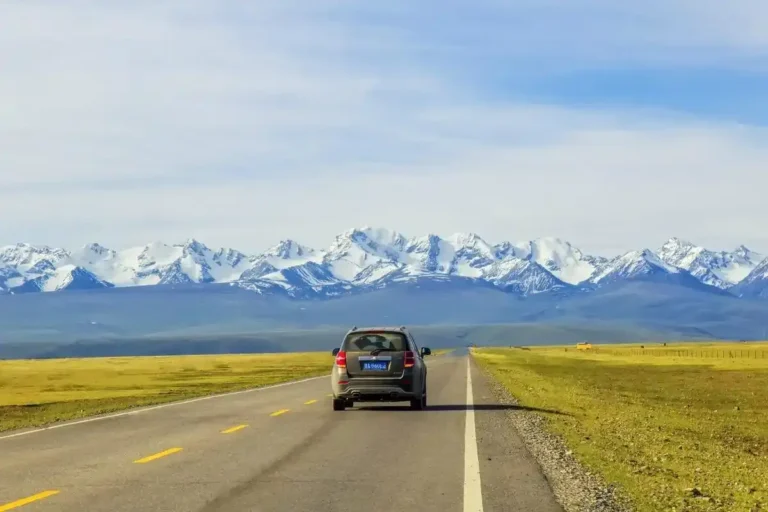
What that means on the ground is simple. In Gansu you can string Dunhuang, Zhangye, Jiayuguan, and Lanzhou into a tidy loop and never spend more than four hours behind the wheel on any single day. In Xinjiang, the jump from Urumqi to Kashgar is 1,470 km and a 16 hour haul if you do it straight, which nobody should. The distances are not bugs to route around; they are the trip. On my first Xinjiang run I underestimated a 600 km leg from Korla to Aksu and rolled into the hotel at 11 pm with the fuel light glaring, a mistake I have not repeated since.
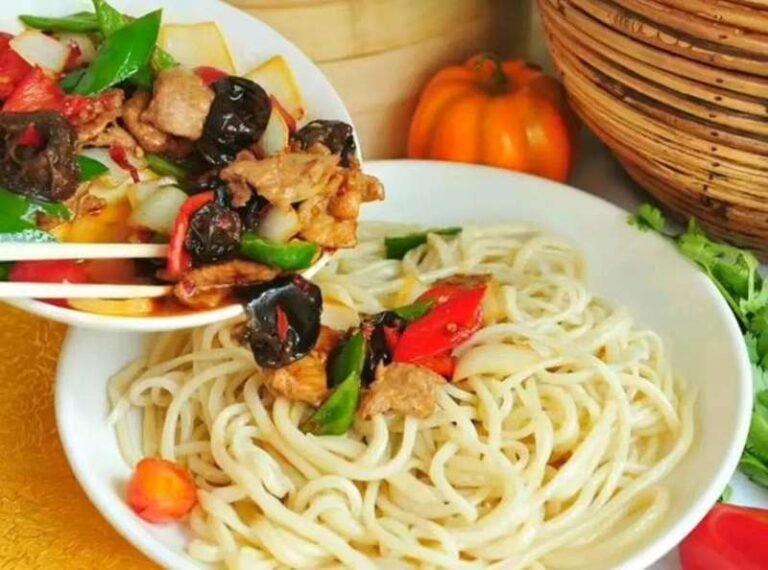
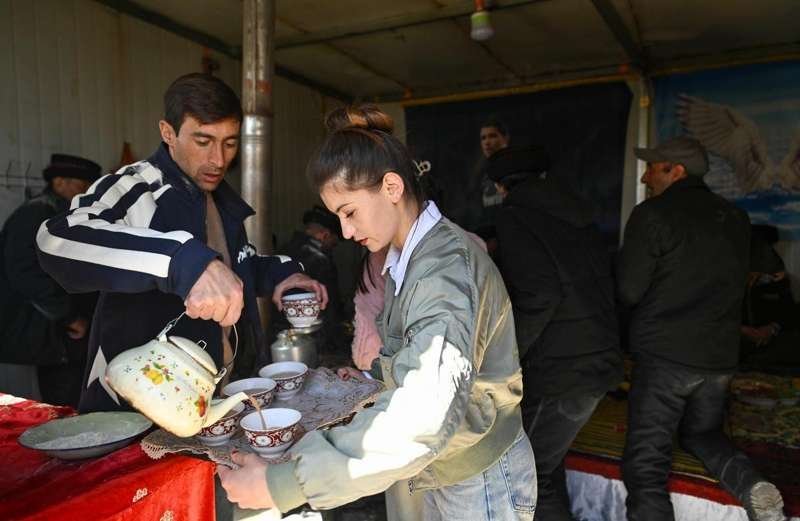
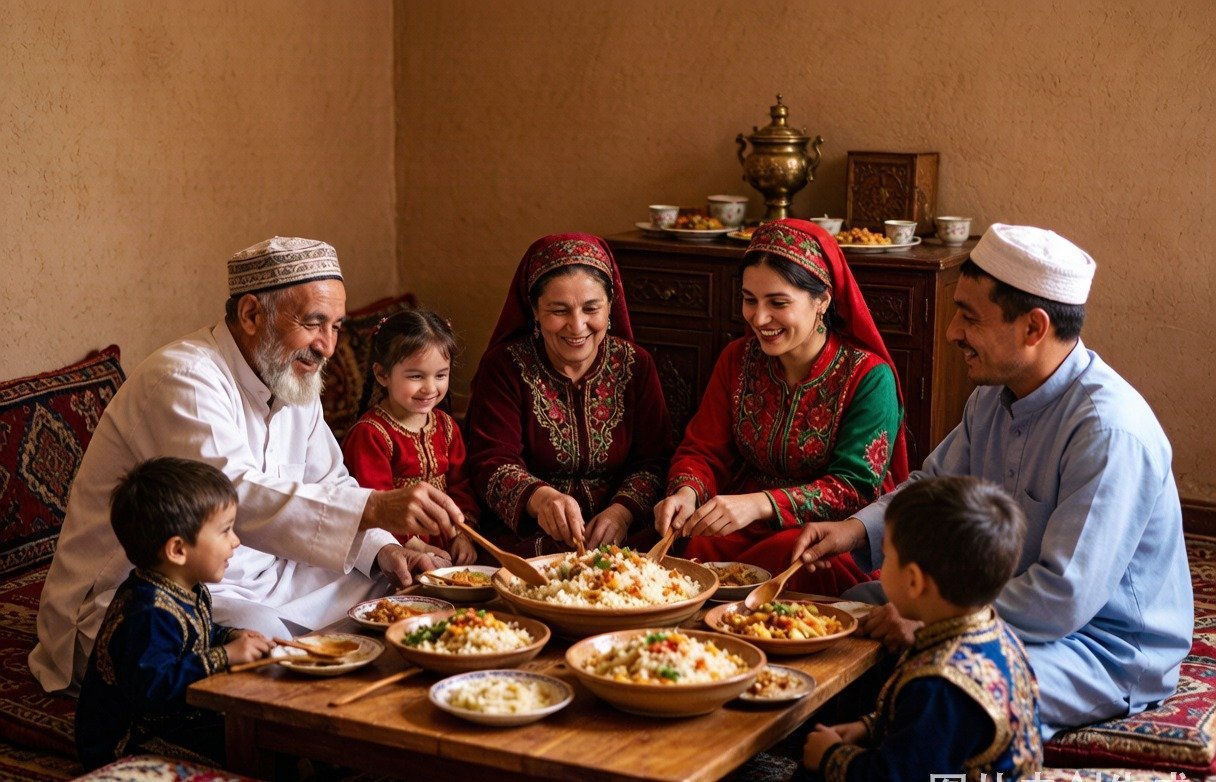
The cultural texture shifts just as much as the scale. Gansu is mostly Han and Hui, and its towns feel like the rest of inland China with a Silk Road gloss; Lanzhou beef noodle soup at 8 yuan a bowl is a daily ritual. Xinjiang is a world of Uyghur, Kazakh, and Kyrgyz cultures where laghman noodles, samsa pastries hot from the tandoor, and kebab smoke define the evening. The food alone can justify the longer drive if you are a curious eater.
The landscapes you will actually be driving through
Xinjiang: scale that rewires your sense of distance
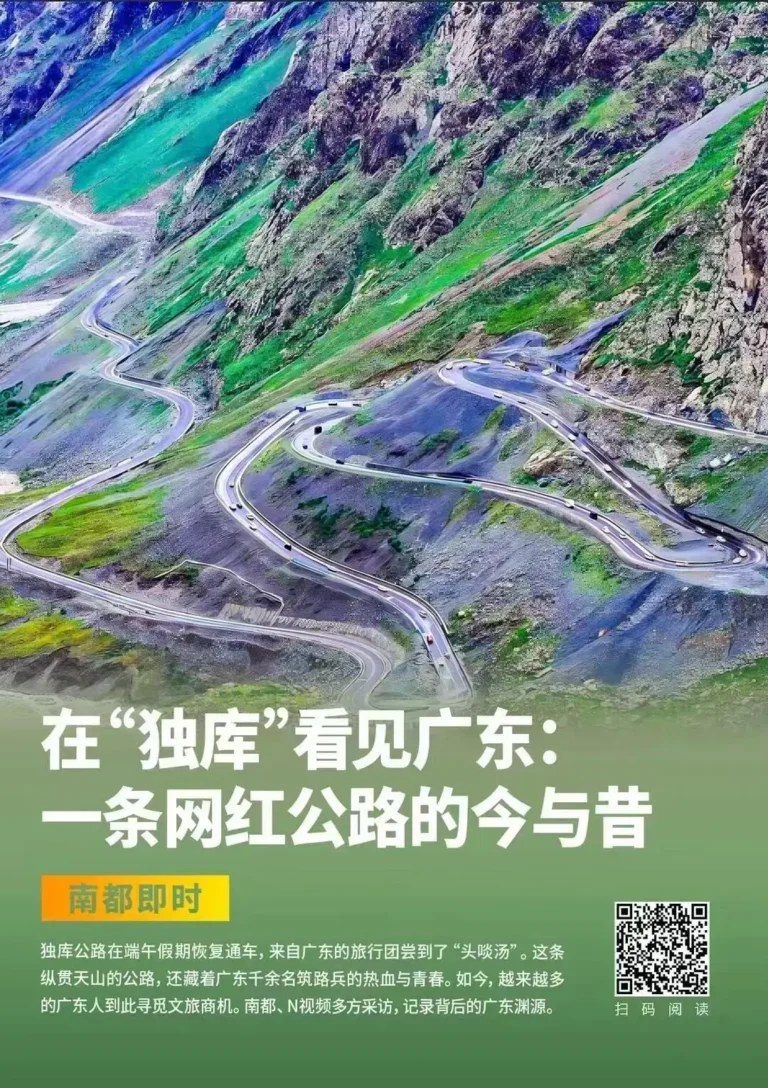
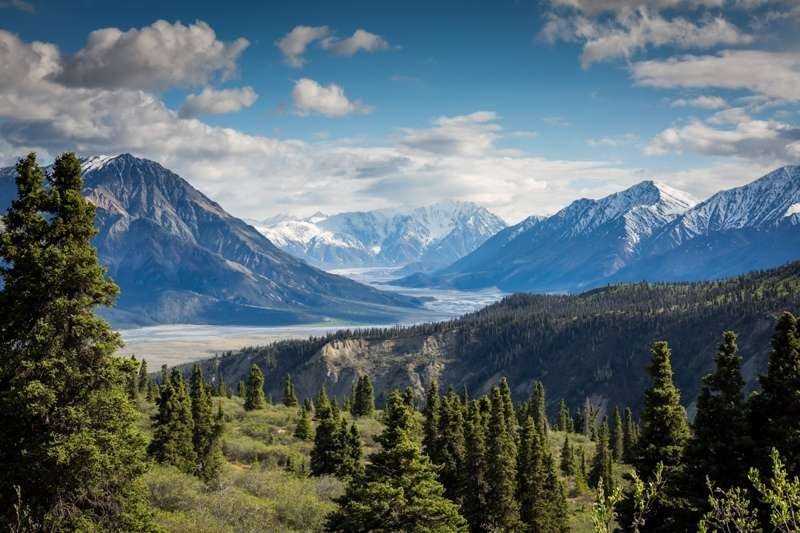
The standout drives are the Duku Highway, 561 km of mountain road that opens roughly 1 June and shuts by mid October when snow clogs the 3,400 m pass, and the G3012 that runs the southern edge past the Taklamakan. One morning you are in desert at 200 m; by afternoon you are above the tree line. On my June loop I gained and lost more than 2,000 m of elevation three times in a single day. That variety is Xinjiang’s signature, and you cannot fake it in a shorter province.
Gansu: compact, dense, and built for loops
Gansu hands you the Rainbow Mountains of Zhangye, the Mogao caves at Dunhuang, and the Jiayuguan fort where the Great Wall runs out, all along a 600 km spine. The scenery changes fast but the drives are short. You spend your time at the sights, not recovering from the road. For a first western-China trip this density is a gift. I once left Zhangye after breakfast, photographed the Rainbow Mountains, ate hand-pulled noodles in Jiayuguan by noon, and still had the afternoon free; that rhythm simply does not exist in Xinjiang.
Distances and drive times (the numbers that matter)
Forget the straight-line map. Here is what a real day of driving looks like on each route:
| Route | Distance | Realistic drive time |
|---|---|---|
| Urumqi to Kashgar (G3012) | 1,470 km | 2 days, not 1 |
| Gansu corridor: Lanzhou to Dunhuang | 1,100 km | 2 easy days |
| Dunhuang to Xinjiang border (Star Desert Hwy) | 380 km | 4 to 5 hours |
| Kashgar to Tashkurgan (G314) | 290 km | 1 day with permits |
| Zhangye to Jiayuguan | 220 km | 2.5 hours |
The takeaway: in Gansu the longest single leg is about four hours, while in Xinjiang a normal travel day is six to nine hours with fuel and food stops. If you hate long highway stretches, Gansu wins by a mile.
Road quality, fuel, and checkpoints (the unglamorous stuff)
Both provinces have excellent paved highways, but the feel differs. Gansu’s G30 is a fast, well-lit artery with service areas every 40 to 60 km, so you are never far from a coffee and a toilet. Xinjiang’s expressways are just as good, yet once you leave them for a scenic county road, distances between fuel stops can stretch to 150 km or more, and you should arrive at the pump with at least a quarter tank. On the southern Xinjiang run I carried two 20-litre jerry cans through the Taklamakan fringe and was glad I did when a station was closed for a power cut.
Checkpoints are the other quiet difference. Gansu has the occasional speed-camera stretch and that is about it. Xinjiang layers in police checkpoints on the approach to every border county; they take five to fifteen minutes each and want your passport and, for the Pamir, your Border Permit. They are routine and polite, but you must budget the time. Build them into the day or your schedule will slip.
Best time to go
Xinjiang’s window is tight. The Duku and most Tianshan passes open 1 June and close by mid October. I went in early June and caught the Ili valleys electric green with the passes still clear. Gansu is more forgiving: April through October works, with September giving the best light on the Rainbow Mountains and bearable heat. Both turn brutal in July and August, with 38 C-plus afternoons; both go near-empty and freezing from December to March, when half the passes shut. Our full best time to visit Xinjiang breakdown covers the month-by-month detail.
Costs, per day, for a foreign driver
Prices are similar in structure but Xinjiang’s long hauls inflate the fuel line:
| Item | Xinjiang (per day) | Gansu (per day) |
|---|---|---|
| Rental (SUV, intl licence) | Y450 to 700 | Y300 to 500 |
| Fuel | Y250 to 400 | Y150 to 250 |
| Hotel (3 to 4 star) | Y350 to 600 | Y300 to 500 |
| Meals (2 people) | Y120 to 200 | Y100 to 180 |
| Park entry (Kanas, Mogao, etc.) | Y100 to 300 | Y60 to 150 |
All-in, you can self-drive Xinjiang for about Y1,200 to 1,900 a day and Gansu for Y900 to 1,400. Neither is cheap once the long fuel runs stack up, but Gansu stretches a budget because the hops are short and the parks are close together. On my 12-day combined trip the Gansu half averaged Y1,050 a day for two, while the Xinjiang half ran closer to Y1,600 once the bigger distances and park fees landed.
Border permits and the “can I just drive anywhere” question
This is where the two diverge hard. Much of southern Xinjiang sits inside border-controlled counties. To reach Tashkurgan, the Pamir, and the Pakistan-border road you need a Border Permit issued in Kashgar, and you cannot cross at Khunjerab on your own without the paperwork. Gansu has no such zones; you can pull over almost anywhere along the Hexi Corridor with no permit at all. Plan an extra half day in Kashgar if the Pamir is on your list. The Lanzhou to Urumqi Silk Road route shows how the two provinces actually connect on the map.
Who should pick which
Choose Xinjiang if you have 10 or more days, you want mountains and deserts that feel endless, and you are comfortable with long empty highways and the occasional checkpoint. Choose Gansu if you have 5 to 7 days, you want maximum sights per kilometre, and you would rather spend the evening at a cave painting than on a 400 km transfer. First-timers with limited time almost always get more from Gansu. The north versus south Xinjiang split matters too once you commit to the bigger province.
| You are… | Pick |
|---|---|
| Short on time (under a week) | Gansu |
| Chasing endless scale and big passes | Xinjiang |
| Travelling with young kids | Gansu |
| Comfortable with long empty highways | Xinjiang |
| On a tighter daily budget | Gansu |
The smart play: drive them back to back
If you have the leave, do both. Fly into Lanzhou, drive the Gansu corridor to Dunhuang, then take the Star Desert Highway 380 km into Xinjiang and continue to Hami or Urumqi. I ran this in 12 days and it gave the best mileage-to-memory ratio of any trip I have done. The handoff is smooth because the roads are excellent and the provinces meet at a straight shot of empty highway. The driving from Dunhuang into Xinjiang guide covers that exact crossing.
A practical split that worked for me: four days for Gansu (Lanzhou to Dunhuang with Zhangye and Jiayuguan in between), then eight days for Xinjiang (Hami, Turpan, Urumqi, and a run south toward Kashgar). That kept Gansu at a relaxed pace and still left room for one big Xinjiang crossing without sleeping in the car. If you only have a week, drop Xinjiang entirely and do Gansu properly rather than rushing both.
Before you turn the key
Sort the rental and the international-licence paperwork before you fly; the desk will not improvise it. Download offline maps, because signal dies for long stretches on the Xinjiang side. Build a loose day-by-day plan so a closed pass does not sink the route. Our first-timer FAQ and the getting around Xinjiang guide cover the practical setup. And if you are weighing Xinjiang against an even bigger neighbour, the Xinjiang versus Tibet drive comparison is the natural next read.
Frequently asked questions
Can a foreigner rent and drive in both provinces?
Yes, with a notarised translation or IDP and the rental company’s consent. The same licence works in both; only the distances differ.
Is one safer than the other?
Both are safe for travellers. Xinjiang has more police checkpoints, which slow you down but add a layer of order on remote roads.
Which is better with kids?
Gansu. Shorter hops, more air-conditioned museums, and the Rainbow Mountains are a genuine hit with children.
Can I do both without backtracking?
Yes, as a one-way Lanzhou to Urumqi drive, then fly home from Urumqi or Kashgar.
What is the single best month?
September. Xinjiang’s passes are still open, Gansu’s heat has broken, and both enjoy clear skies.
The bottom line
There is no wrong answer, only a wrong fit for your calendar. Gansu is the greatest-hits loop; Xinjiang is the epic. Drive Gansu if your time is short, Xinjiang if it is long, and both if you possibly can.