How Many Days Do You Need in Xinjiang? A Realistic Road-Trip Planning Guide
The Honest Short Answer
People ask me this more than any other question before they book. The straight answer: most first-time visitors should set aside 8 to 10 days for the north, 7 to 9 days for the south, and 14 to 18 days if you want to drive the whole region as one loop. Anything under five days only lets you see Urumqi and one nearby destination.
I learned this the slow way. On my first trip I booked six days, tried to reach both Kanas Lake and Kashgar, and spent most of the week in the car instead of at the places. Xinjiang is not a city you wander; it is one-sixth of China’s landmass, and the distances are the real boss of your itinerary.
Why Xinjiang Eats Your Time
The numbers are the first surprise. The region covers about 1.66 million square kilometres, roughly the size of Iran. Urumqi to Kashgar is 1,450 km by the G3012 expressway. Urumqi to Kanas is about 700 km. Even the famous Duku Highway, which slices straight through the Tianshan, is 561 km long and you cannot rush it.
Then there are the parts the map does not show. Police checkpoints sit at almost every county boundary. As a foreigner you hand over your passport, it gets scanned, and you wait. Most checks take five to fifteen minutes, but on a big driving day you can hit four or five of them, and that is an hour gone before any traffic. Road works, weather closures on mountain passes, and the simple fact that you should not drive after dark in remote areas all trim your effective hours.
North Xinjiang: How Many Days
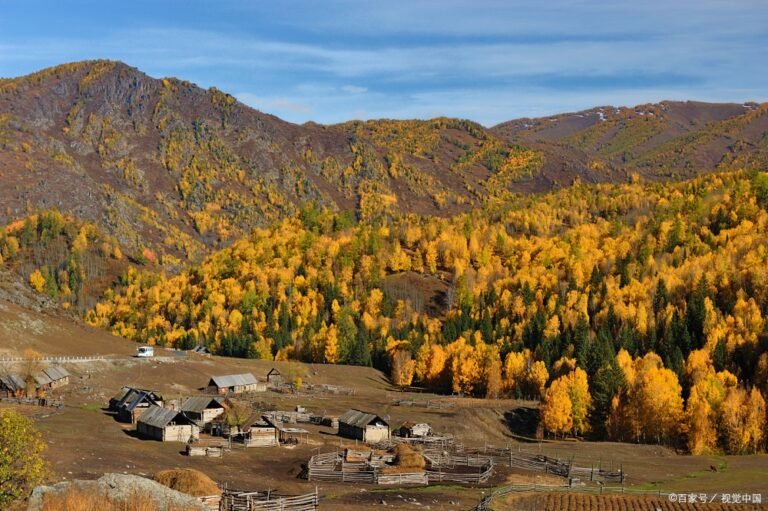
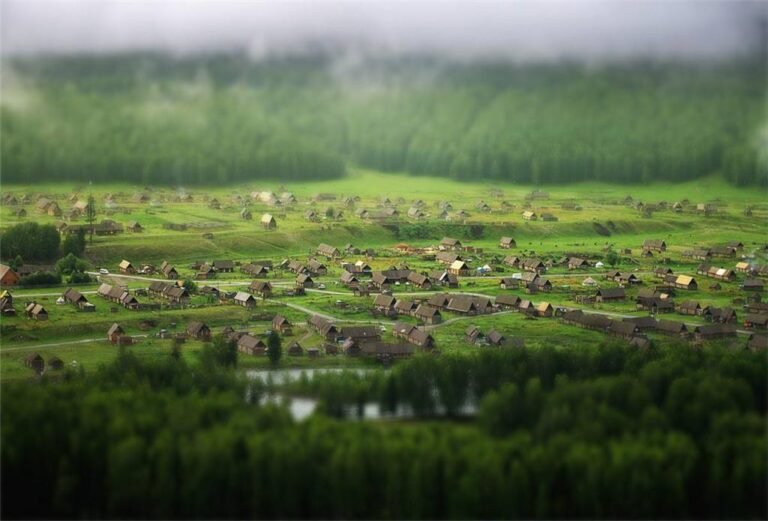
The north is the postcard version most people picture: Kanas Lake, the grasslands of Yili, Sayram Lake, and the Duku Highway. A realistic plan looks like this:
| Day | Route | Drive time |
|---|---|---|
| 1 | Urumqi to Tianchi, then on to Karamay | 5 hours |
| 2 | Karamay to Burqin, stop at Urho Ghost City | 5 hours |
| 3 | Burqin to Kanas Lake | 3 hours |
| 4 | Kanas to Hemu village | 2 hours |
| 5 | Hemu to Colorful Beach, back to Karamay | 6 hours |
| 6 | Karamay to Sayram Lake | 5 hours |
| 7 | Sayram to Nalati grassland (Yili) | 4 hours |
| 8 | Nalati to Dushanzi via the Duku Highway | 6 hours |
| 9 | Dushanzi back to Urumqi | 4 hours |
That is nine days with almost no slack. If you want to add the lavender fields near Yining in June or slow down in Hemu for a sunrise, budget ten. The loop runs about 2,000 km. I would not try it in fewer than eight days unless you are happy to skip Hemu or the Duku section.

South Xinjiang: How Many Days
The south is drier, older, and in my view more culturally intense: Kashgar’s old town, the Pamir Plateau, and the edge of the Taklamakan Desert. Plan for seven to nine days:
- Days 1-2: Fly or drive into Kashgar, explore the old town and Sunday livestock market.
- Days 3-4: Drive the G314 to Tashkurgan via Oytag and Karakul Lake, sleeping high on the Pamir at around 3,000 metres.
- Day 5: Return to Kashgar, then push toward Hotan (about 5 to 6 hours).
- Days 6-7: Hotan, then the Taklamakan Desert Highway north to Aksu or Kuqa.
- Day 8: Kuqa’s ruins and the Kizil caves before flying out or looping back.
The Pamir stretch is the highlight and the constraint. The road to Tashkurgan climbs past 4,000 metres, and altitude plus checkpoints mean a slow day. Give it two nights rather than one if you can.
The Full Loop: Two to Three Weeks
If you have the time, the grand circuit connects both halves: north through Kanas and Yili, down the Duku, across to Kashgar, up the Pamir, then either back via the desert highway or a flight. Realistic minimum is 14 days; 18 is more comfortable. I have done it in 16 and felt rushed at the end. The extra days are not wasted, they are the difference between seeing a place and merely passing it.
Only Have a Long Weekend
Four to five days is enough for a single base. Fly into Urumqi, spend a half day at the best time to visit Xinjiang guide planning, then do Tianchi Lake (1.5 hours out) and a two-day swing to Turpan for the Flaming Mountains and Jiaohe ruins. You will not touch Kanas, and that is fine. A short trip done well beats a long trip spent in fuel stations.
Days Per Destination: A Quick Cheat Sheet
If you would rather build your own route than follow mine, these are the minimum stays I would not drop below. They reflect both the time it takes to reach each place and the time you actually need once you are there, not the time a brochure claims.
| Destination | Minimum days | Why |
|---|---|---|
| Urumqi | 1 | Arrival, museums, bazaar; mainly a transport hub. |
| Tianchi Lake | 0.5 | Half-day trip from Urumqi, easy to pair with the city. |
| Turpan | 1-2 | Flaming Mountains, Jiaohe ruins, grapes; easy to fill two. |
| Kanas Lake | 2 | Long drive in, dawn mist, boardwalks, Hemu village nearby. |
| Yili and Nalati | 2 | Grasslands need a full day; add one in June for lavender. |
| Sayram Lake | 1 | Ring road and shoreline; best at sunrise and sunset. |
| Kashgar | 2 | Old town, livestock market, and rest before the Pamir. |
| Pamir Plateau | 2 | Tashkurgan and Karakul; altitude and checks slow you. |
| Hotan | 1 | Jade market and old town; a useful desert stop. |
Add those up and you see why a single week only covers one half of the region. Kashgar plus the Pamir alone is four days before you have driven anywhere else. I keep this list open when I plan and cut from the bottom, never the top, because the places with the smallest day count are usually the ones I most regret skipping later.

Season Changes the Math
When you go shifts how many days you need. The month-by-month breakdown matters because:
- June to September (north): Duku Highway open, Kanas green, but domestic crowds peak in July and August, so add a day for parking and accommodation queues.
- April to May and September to October (south): Heat drops, roads are clear, and Kashgar is at its most walkable. You can shave a day off the south in autumn.
- Winter: Many mountain passes and the Duku close. Only Urumqi, Turpan, and Kashgar stay practical, and you can see them in four days, though with real cold and shorter light.
The Duku Highway alone is the biggest seasonal wildcard. It typically opens around June 1 and closes by October 1. Plan your north trip outside that window and you lose the single most scenic drive in the region.
Realistic Daily Mileage
Do not believe an itinerary that packs ten hours of driving a day. On a normal Xinjiang road day I plan for four to six hours behind the wheel, with the rest for stops, food, photos, and the inevitable checkpoint. At 90 to 100 km/h on expressways that is 400 to 600 km of real progress, but on the Duku or Pamir roads it drops to 200 to 300 km because the road twists and the views demand stops.
Foreign travellers also face a soft limit: you should not drive after dark. Outside the big cities, lighting is poor, animals cross the road, and a breakdown far from help is no joke. That alone caps most days at about 9 am to 7 pm.
Where the Days Disappear
Three things routinely blow up tight schedules:
- Checkpoints. As noted, four or five a day is normal on a cross-region drive.
- Detours. A washed-out pass or a closed scenic road can add two hours with no warning. I once lost half a day when the Karakul road was shut for a convoy.
- Weather. The Pamir and Tianshan can close on a few hours’ notice in shoulder season. Build one buffer day into any plan longer than a week.

A Sample 10-Day North Xinjiang Plan
For most visitors this is the sweet spot, and it pairs well with the first-timer FAQ and the 5-day first-timer itinerary if you want to compare cuts:
- Days 1-2: Urumqi, Tianchi, Karamay (Ghost City).
- Days 3-5: Burqin, Kanas, Hemu.
- Days 6-7: Sayram Lake, Yining and Nalati.
- Days 8-9: Duku Highway to Dushanzi.
- Day 10: Return to Urumqi, fly out.
If Kanas is closed or you prefer culture over lakes, swap days 3-5 for Kuqa and the southern Silk Road towns, but that nudges you toward the full loop instead.
Getting Around Without Losing Days
Not every day needs a rental car. Trains connect Urumqi, Turpan, Kashgar, and most big cities at 200 km/h, and the how to get around the region guide explains the mix. The booking trains as a foreigner walkthrough is worth reading before you rely on rail, because the app needs a verified passport. For Kanas specifically, the getting to Kanas guide covers the bus and flight tricks that save a full driving day each way.

Common Mistakes That Waste Days
- Booking too few nights. One night in Kanas means a 3 am wake-up to see the morning mist and then a long drive. Two nights lets you actually enjoy it.
- Underestimating the Duku. People treat it as a pass instead of a full day. It is a destination.
- Skipping the buffer. A single weather or checkpoint delay on a 9-day plan forces cancellations. The 10-day version absorbs it.
- Trying both halves in a week. You will spend the week on G3012 and remember nothing but the dashboard.
Frequently Asked Questions
Can I see Xinjiang in 3 days?
Only Urumqi and one nearby site like Tianchi or Turpan. Treat it as a stopover, not a trip. You will need to come back for the real region.
Is 7 days enough for Xinjiang?
Seven days works for the south (Kashgar and the Pamir) or a tight north focused on Kanas and Yili. It is not enough for both. Pick one half and go deep.
How many days for the Duku Highway alone?
Plan a full day from Dushanzi to Kucha, or two if you want to sleep in the Tianshan and hike. Add a buffer in shoulder season when closures are possible.
What if I have two weeks?
Fourteen days lets you do the north loop and drop south to Kashgar by flight, or drive the full circuit at a fast pace. Eighteen days makes the full loop comfortable.
Does the season change how long I need?
Yes. Summer crowds add a day in the north, while autumn in the south is efficient. Winter cuts your list to three cities but adds cold and short daylight.
The Bottom Line
Give Xinjiang the days it earns. Eight to ten for the north, seven to nine for the south, fourteen plus for the whole loop. Build one buffer day into any plan over a week, never drive after dark, and resist the urge to cover both halves in a single short visit. The region rewards slow travel more than almost anywhere I have driven, and the extra day you almost did not book is usually the one you remember.