
Kashgar to Tashkurgan: The Pamir Highway Day Trip Worth the Altitude
Kashgar to Tashkurgan: The Pamir Highway Day Trip Worth the Altitude
The drive from Kashgar south to Tashkurgan is the single best day of mountain road in Xinjiang, and I say that after driving most of the others. In about 300 km you climb from a warm oasis basin to a cold high plateau, pass two lakes that do not look real, and end in a Tajik border town where the air is thin and the mountains are enormous.
This is not a casual trip. The altitude tops 3,000 m for most of the second half, you need a border permit, and the road is long. But done right, the Kashgar to Pamir trip is unforgettable. Here is exactly how I ran it.
The permit first
Tashkurgan sits in a border-control area, so foreign travelers need a permit from the Kashgar public security bureau. I applied at the foreign affairs window with my passport and a passport photo; it took about a day and cost nothing. Some hotels and tour desks handle it for a fee if you would rather not navigate the office. Do this before you book the car, because without it you will be turned back at the checkpoint near the Pamir Plateau entrance.
Carry the permit and your passport everywhere past the checkpoint. There are spot checks, and the Tajik officers at the posts are thorough.

The route and the stops
Leave Kashgar at 7 a.m. The first stretch to the old town edge and then south on the G314 is paved and fast. About 150 km in you reach Karakul Lake, a glacial lake at 3,600 m ringed by snow peaks, including Muztagh Ata. This is the first real stop and the first thin-air moment.
Continue to Tashkurgan, another 90 km, climbing all the way. The town sits at about 3,100 m and is the end of the practical road before the Khunjerab Pass toward Pakistan, which is closed to most independent travelers without special arrangement.
Altitude and how to handle it
The plateau section is above 3,000 m for hours. I felt light-headed at Karakul and slept poorly in Tashkurgan. The fixes are boring but work: ascend slowly, drink water constantly, skip alcohol, and rest rather than hike hard on arrival. Anyone with heart or lung issues should think twice, and older travelers should read our altitude guide first.
Acclimatize in Kashgar (1,300 m) for a night or two before the drive. That single step made the plateau manageable for me.
What to see along the way
Beyond the two lakes, the Pamir Plateau itself is the sight: wide, cold, and striped with every shade of brown and white. The Tajik people in the villages are welcoming, and Tashkurgan’s small fort and Sunday market are worth a slow wander.
Time the return for the next day if you can. Doing it as a single day means about 600 km of driving and a long, tiring return after the altitude. I drove down the following morning and felt far better than the people who pushed straight back.
Karakul Lake overnight option
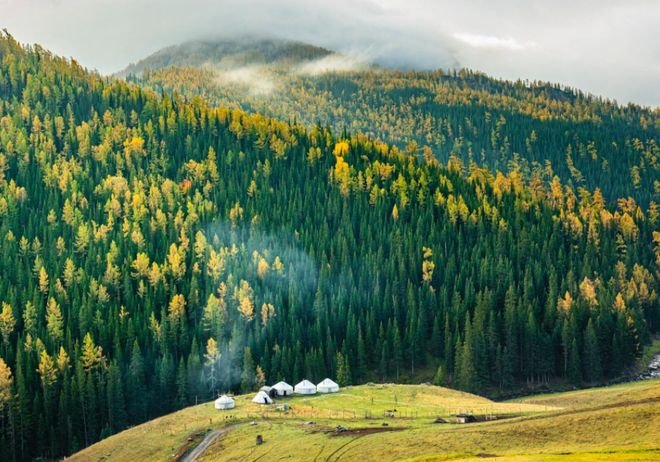
If the altitude allows and your permit covers it, spending the night at Karakul is the upgrade that makes the trip. A few yurt camps and a basic guesthouse sit right at the lake shore, and the sunset and sunrise there, with Muztagh Ata turning pink, are the best views on the whole plateau. I stayed one night and slept poorly from the height but would do it again for the dawn.
Book the yurt ahead in summer; they are limited and popular. Bring your own warm layer regardless of season, because even in July the night at 3,600 m drops near freezing. The Pamir trip guide lists the operators I found reliable.
What to eat and where to stay
Food on the plateau is simple: noodle soups, flatbread, and yak or mutton stew, all warming and welcome in the cold. In Tashkurgan the small restaurants near the main street do a decent hand-pulled noodle and a sweet milk tea that became my routine. Carry snacks and water from Kashgar, because options thin out past the plateau entrance.
Guesthouses in Tashkurgan are basic but warm, with real heating and thick blankets. Expect 200–350 yuan a night. The town is small and walkable, and after the long drive a hot shower and an early night is the right call before the return.
Costs and logistics
A 2WD rental from Kashgar for two days runs about 700–900 yuan plus fuel of roughly 300 yuan for the round trip. The permit is free or a small service fee. Guesthouses in Tashkurgan are basic but warm; expect 200–350 yuan a night. Add food, which is simple and cheap, and the whole trip is under 1,500 yuan for two people.
Signal is weak past the plateau entrance, so download offline maps in Kashgar. Fuel up in Kashgar before leaving; stations thin out fast south of the city.
When to go
May through October is the window. Winter closes stretches and is brutally cold at altitude. Spring brings the apricot blossom in the lower villages, a lovely bonus. Avoid the snow season unless you are equipped for it.
Permit paperwork, step by step
The permit process is the part people fear, but it is straightforward if you go in person. At the Kashgar Public Security Bureau foreign affairs window, bring your passport, one passport photo, and your planned route; fill the form; and return the next afternoon. Some hotels and tour desks will handle it for a service fee of 50–150 yuan if you would rather not navigate the office, which is a fair trade for the time saved.
Apply a day or two before you plan to drive, not the morning of, because same-day turnaround is not guaranteed in peak season. Once you have the slip, carry it with your passport everywhere past the checkpoint. A friend who forgot his spent two cold hours at the post while his driver fetched it from the hotel.
The checkpoint routine is routine once you have the permit, but it pays to be organized. Have passport and permit in the same hand before you reach the window, answer the few questions plainly, and do not photograph the post, which officers dislike. The whole stop takes a few minutes if you are ready and far longer if you are fumbling through bags, so I kept the documents in a clear sleeve in the door pocket.
South of the checkpoint the road climbs steadily and the air thins, and this is where I slow to a pace that feels almost lazy but keeps me sharp. The plateau rewards patience: pull off at the marked viewpoints, walk a little, and let the scale of the place land. Rushing the Pamir is the surest way to miss it and the riskiest way to drive it.
Signal vanishes past the plateau entrance, so I told my Kashgar hotel the plan and my expected return, and I did not deviate from it. The reassurance that someone would notice if I were very late was worth more than the minor loss of spontaneity, especially with the altitude and the distance involved, and it cost me nothing but a two-minute conversation at check-in.
Safety on the plateau road
The G314 south is paved and patrolled, but it is high, remote, and unforgiving of shortcuts. Snow can fall on the passes even in May, the oxygen is thin enough to dull judgment, and help is far. I drove slowly, stopped at the designated pull-offs, and turned back once when weather closed the high section rather than risk it.
Keep the fuel tank above half, because the next station can be 100 km away and the cold hurts range. Tell someone your plan and expected return, and do not rely on phone signal past the plateau entrance. The Khunjerab Pass guide has more on the southern continuation if you ever extend the route.
What I’d do differently next time
On reflection I would build in an extra night at Karakul rather than rushing the plateau in a single long day, and I would acclimatize in Kashgar an extra day. The altitude hit me harder than I expected, and a slower ascent would have made the second day clearer and more enjoyable. I would also bring more warm layers than felt necessary in Kashgar, because the plateau evening was colder than the forecast suggested.
None of this spoiled the trip; the drive remains the best day on Xinjiang’s roads for me. But the margin for error up there is small, and a little more slack would have made it easier on the body. Plan for the altitude, not just the distance, and the Pamir gives you one of the great road days in Asia.
Final practical reminders
A few things I wish I had taped to the dashboard. Carry the permit and passport together in a zip pocket, because you will show both more than once. Keep the tank above half past Kashgar, because the plateau stations are sparse and the cold cuts range. Download the offline map of the G314 before you leave the city, because the signal drops to nothing for long stretches.
Bring more warm clothing than Kashgar’s weather suggests, because the plateau is a different climate twenty degrees south. Tell your hotel your expected return so someone notices if you are very late. And drive the curves slowly; the road is glorious but unforgiving, and the best view is the one you reach in one piece. The Pamir guide has the wider context if you extend the route.
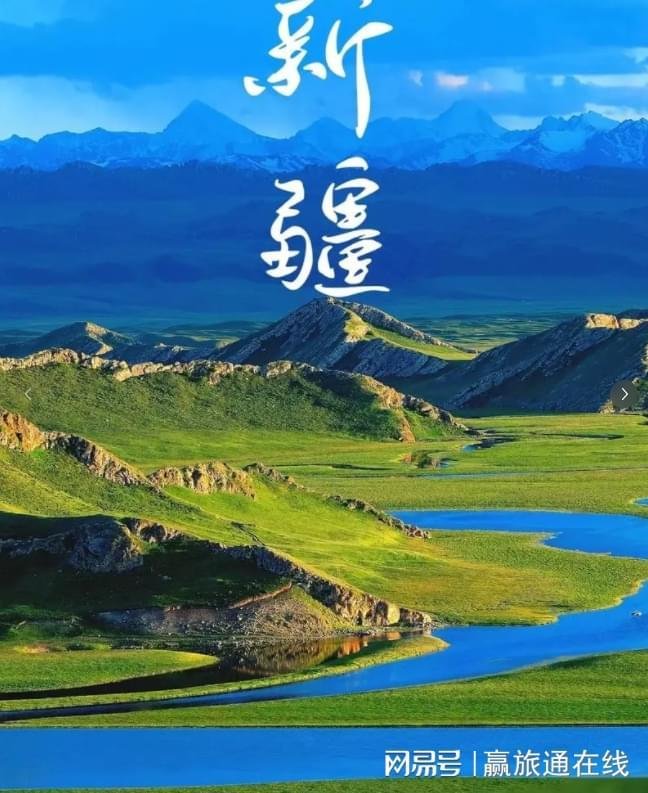
For all its demands, the Kashgar to Tashkurgan road is the one I recommend most often, because it delivers a kind of landscape you simply do not find on the eastern plains: vast, silent, and humbling. The preparation is real, the altitude is a genuine factor, and the permit is a small chore, but the payoff is a day you will describe to people for years. Go prepared, go slow, and go with respect for the place and its altitude, and the Pamir will give you one of the great road days in all of Asia.
Bring patience as seriously as you bring the permit, and the long day becomes a highlight rather than a hurdle. The Pamir does not hurry, and neither should you, because the best of it reveals itself only when you slow to its pace.
The bottom line
The Kashgar to Tashkurgan drive is the most dramatic day on Xinjiang’s roads, equal parts beautiful and demanding. Get the permit, acclimatize, drive slowly, and stay the night. The altitude is real, but so is the view, and few places in the region repay the effort so completely.