
Don’t Get Sick on the Road: Food Hygiene and Stomach Care on a Xinjiang Self-Drive
Xinjiang food is too good. That is the line I tell myself before every trip and forget the moment I arrive. Pilaf, laghman, baked buns, big-plate chicken, lamb skewers, yogurt, all the fruit, I eat until my mouth won’t stop. The trouble starts there. I’ve done four Xinjiang trips, nearly two months total, and had three stomach bugs. The worst was in Kashgar, shuttling between the hotel toilet and bed all night, then too weak to take the next day’s booked car to Tashkurgan, wasting a ¥600 deposit. This article lays out the pits I fell into and how to keep your gut calm. First-timer? Follow it and suffer less.
Why Your Gut Quits First in Xinjiang
Many assume Xinjiang is dirty. It isn’t. Open kitchens are common, beef and lamb slaughtered and cooked fresh, often cleaner than inland places that reheat and fridge-store. What gets you is “change.” New climate, new water, new rhythm, and your gut rebels.
Water first. Xinjiang water is hard, mineral-heavy, especially southern groundwater. Visitors who gulp tap or well water get rebellion. In Turpan a friend said “this water’s sweet”; two cold gulps and by afternoon I felt off. Now I drink only bottled or boiled-cooled water. A bottle runs ¥3 in a village, ¥5 to ¥8 at a scenic gate; don’t begrudge it. I carry a folding kettle, boil on arrival, cool, thermos for the road.
Raw and cold. Fruit skin carries soil and bacteria; rinse and bite, and a weak stomach loses. In Aksu I ate an unpeeled apricot, sweet and painful. Peel your own fruit or salt-scrub it. I skip pre-cut platters; you don’t know how long they sat. Roadside stalls are another matter, not unclean but limited: reused oil, mixed boards, flies. When the red oil looks black, pause. At the Kuqa canyon gate I passed a grill with black oil and flies; a friend tempted got sick.
Utensils hide risk; small shops rinse chopsticks, maybe not scald. I carry sanitizer and wipes, wipe before eating. Milk and yogurt: Xinjiang yogurt is thick, often home-fermented without sterilization. The milk-shy who chug a bowl get bloating. I buy supermarket bagged yogurt, only taste herder’s lightly. And bingeing barbecue with iced drinks brings spasms; a rider in Kuqa downed sixty skewers and went green. Enjoy, but slow.
The Times I Actually Got Hit
First, June 2023, Kashgar old town. A fly-blown noodle joint, red oil I ignored, ache by afternoon, outbreak at 11 p.m., toilet ten meters away, wrecked next day. I was to charter to Tashkurgan, past 3,000 m; in that state I wasted a ¥600 deposit. I lay in Kashgar on salts and congee.
Second, Ili July, from herder yogurt; flora scrambled, no energy, slept through Zhaosu’s fields. Lesson: ease into good things. Third, silliest, Urumqi airport, four hot buns wolfed with iced cola; nausea from hot-cold plus stress, fixed with hot tea. Fourth, Burqin October, grilled fish and iced kvass at 3°C; chilled gut, diarrhea. Northern autumn swings wide; skip cold in cold weather.
These taught me: of ten bugs, six self-inflicted, three water, one truly unclean. Manage the first two and you suffer far less.
Most of It Is Preventable
Water only bottled or boiled; check the seal, don’t take unknown roadside water. The kettle is standard; thermos for the road. Bottled ¥3 to ¥5 in towns, ¥8 scenic; I stock a case in the trunk. Handwash after toilet and before eating, twenty seconds; gel covers places without sinks. Ice deserves its own line: you don’t know the ice’s source, so I say “no ice,” drink room temp; car fridge chills safer. Peel fruit is iron law; watermelon cut fresh beats a sat platter. Choosing a shop: watch the crowd, locals queue means fine, empty and calm owner means walk on. And don’t hit spicy-greasy on an empty stomach; nibble naan first.
Different Routes, Different Risks
Northern Xinjiang, Ili, Altay, Tacheng, has good water and the best hygiene; risk is cold and dairy. Southern Xinjiang, Kashgar, Hotan, Aksu, superb fruit and barbecue but hard water and many stalls; watch water and roadside hardest, I only drink bottled there. Eastern Xinjiang, Turpan, Hami, bakes in summer; food spoils fast, never touch a snack platter sat half a day at 40°C, and “eat hot, eat fresh” is strictest. Adapt per region; don’t run one method across all Xinjiang.
Altitude and Dryness Hit Your Gut First
Kashgar sits over 3,000 m, Tashkurgan over 4,000. At altitude, thin air shifts blood to vital organs, gut flow drops, digestion falls, and dryness makes you gulp, then gulp cold. I walked a Pamir day and felt a stone in my stomach; now two days before altitude I eat low-oil hot soup and congee. Altitude also halves alcohol tolerance; a half-portion tips you. In Tashkurgan a urged half-cup of baijiu gave midnight nausea. And dry, cracked lips carry bacteria in; I keep lip balm, fewer cracks, fewer infections.
What Forever Sits in My Meds Bag
This is from experience; bodies differ, see a doctor if severe. Smecta (montmorillonite) is the headliner, absorbs water and bad stuff, firms stools, gentle, ~¥15 a box, I carry two. Oral rehydration salts matter more; diarrhea’s danger is dehydration, and Xinjiang’s dry heat dehydrates fast, so salts beat plain water, type III, one packet per 250 ml, a few yuan a box, I stock them. Berberine helps bacterial cases, cheap; pregnant women and children shouldn’t self-dose. Plus probiotics for scrambled flora, stomach tabs for acid, band-aids and iodine. Buy at county-level pharmacies, not scenic stalls selling “herb powder.”
If It Hits: Handle Car and Road
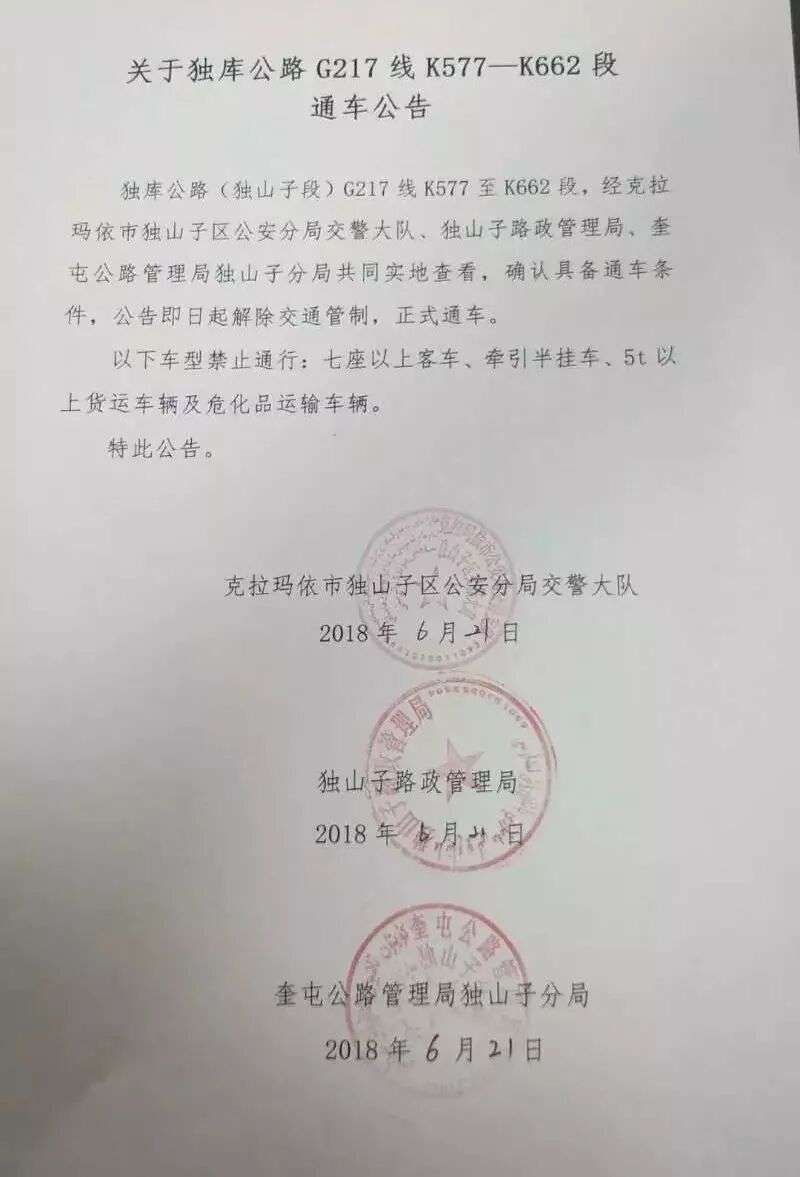
Judge severity: can drink, no fever, can walk, is mild; high fever, blood, severe cramp, dizziness, go to a hospital. Xinjiang county hospitals treat diarrhea routinely. I keep a folding bucket and paper in the trunk; in the Gobi the nearest toilet can be 50 km, so a windbreak slope and a garbage bag for used paper show respect. Before committing, read our honest guide to Xinjiang toilets; carry your own paper like money. After a bout, salts then plain congee, soup noodles, steamed bread, no oil; rest beats medicine, lie down half a day.
Where Can You Eat Clean?
City chains and big halal restaurants manage hygiene; branded laghman and pilaf chains, ~¥18 to ¥25, safe, and airport shops hold a hygiene floor. Expressway service areas sell packaged bread, milk, boiled eggs, safer than nameless stalls; check boxed meals are freshly cooked. For local yet clean, busy halal old shops; check our Xinjiang self-drive food and supply guide for tested eateries, and our food culture overview for what’s raw-risky. Township shops: scan floor, visible kitchen, smell; all pass, sit. Examples: Hotan night market only at live-grill stalls, Karamay any chain is safe, around Kashgar’s Id Kah follow local elders.
Halal Hygiene Is Better Than You Think
First-timers worry about halal; I found them reassuring. Islam stresses cleanliness, raw-cooked separation is stricter than street stalls, with color-coded boards and separate knives. Xinjiang meat is mostly fresh-slaughtered, visible at busy places. I favor pilaf houses with a big pot and cook lifting meat on the spot. Halal isn’t sterile, so still self-check: crowd, wipe utensils, eat hot food hot, ask if cold dishes are just mixed. In Kashgar a stall said “mixed this morning,” sat half a day, so I switched to hot naan. Our halal restaurant finder helps in unknown counties. Halal sign, fixed storefront, locals crowding, usually right.
Dry Rations and Cooling Can Save You
Hundreds of km between towns is normal, so the trunk matters as much as fuel. Rations: naan keeps days, ¥2; packaged bread, nuts and raisins by the jin (¥20 to ¥30), chocolate bars. A small 12V car fridge, ~¥200, holds yogurt, boiled eggs, cut fruit, leftover buns; summer Gobi hits 50°C and food sours without it. I freeze two water bottles as a cold source. Vacuum-cooked eggs are safer than raw, six for ¥8 to ¥9. Fruit washed and boxed at home beats roadside platters. Restock rhythm: at each county city, clean and refill the fridge; small towns use room-temp naan and biscuits.
Can You Touch Street Snacks?
Yes, with method. Freshly made, high-heat out of the oven, eat; cold, pre-cut, unknown, look twice. Baked buns just from the naan pit are scorching and safe; skewers seared outside and cooked through are fine, pink inside skip. Shaved ice depends on ice source, avoid or pick busy old stalls; cold jelly ask if just mixed. For what to eat, see our 15 must-try street snacks under 20 yuan. Don’t pile cold snacks with iced drinks at noon’s worst heat; the night market is the real home of snacks, cool and slow.
Summer and Winter Need Different Playbooks
Summer, June to August, the enemy is spoilage and dehydration; “make and eat now” is law, never carry leftovers, hydrate only safely, and double the pre-meal clean. Winter, December to February, the enemy is cold and grease; eat hot food hot, only hot drinks like brick tea and milk tea, and trust busy halal big shops. Spring and autumn are transitions, easily ignored but when the gut is most sensitive, so stay strict: peel fruit, bottled water, avoid roadside cold.
My Daily Meals on the Road
Breakfast at the hotel, buffet or bought milk, eggs, naan with hot oat flakes; eat at 7, full till noon. Lunch about driving, clean and filling, a ¥20 laghman or pilaf, or trunk naan plus fridge eggs when nowhere to eat. Dinner opens up at a busy local halal shop, but cap it under twenty skewers, no iced drink, then walk a loop. This rhythm kept bugs away.
The Truth About “Acclimation”
“Acclimation” sounds mystical but is real: new water, flora, diet need time to rebalance, and bloating and diarrhea follow. Xinjiang is stark, hard water, heavy oil, much meat, strange milk. Don’t tough it; give three buffer days of light eating. I once hit big-plate chicken with iced beer on landing day, predictable. Later, first two days only hot soup noodles and naan, opening up day three, no incident. Start probiotics a week before and keep through; acclimation is whether you give the body time.
With Elders and Kids, Guard Harder
Solo and family differ; elders have thin guts, kids unbuilt immunity. I pick only visible chains or halal big shops, water bottled only, fruit I peel and box, dairy only supermarket bagged, iced drinks pocketed. I add kids’ probiotics and note each town’s nearest hospital. With family, safe beats tasting everything.
Visiting a Herder’s Yurt
A yurt invite for milk tea and hand-grabbed meat is the most authentic part. Milk tea is boiled, sterilized, I drink it; hand-grabbed meat if steaming, eat with salt. But I don’t take raw squeezed milk, smiling “tea is fine.” If bowls look rag-wiped, I discreetly rewipe. I eat restrained; I’m driving after, and the road has no toilet like the city.
Instant Noodles and the “Rescue Meal”
When stranded, a Duku closure or sandstorm, the car “rescue meal” helps: braised-beef noodles needing only hot water, self-heating pots, instant rice, canned porridge. Clearly fallback, not enjoyment; when a hot shop meal is possible I don’t substitute. Treat it as insurance.
The Drinking Line, Most Overlooked
Xinjiang toasting is normal, but alcohol double-edges. Three rules: zero alcohol driving, the floor; on a non-driving meal a sip, never volume; no iced beer with greasy skewers. To toast the host, tea substitutes best. In Tashkurgan I broke the sip rule for half a baijiu and got midnight nausea; now “toast with tea” is law. Warmth matters, but getting home safe matters more.
Seasonal Fruit, Eat in Season
May to June small apricots and mulberries, peel after wash; July to August peak melon, watermelon, grapes, eat cut-fresh never sat; September to October pear and apple, room temp in autumn chill. Buy at city markets or fixed stalls, skip scenic-gate pre-cut skewered. Right season and handling make Xinjiang fruit the best road snack.
Two Weeks Before Departure
Start probiotics ten days before, lean light a week before, and test milk tolerance if rare. Pack the meds bag at home, Smecta, salts, berberine, probiotics, stomach tabs, drop in the car. Check thermos, gel, wipes, fridge against a list. Mark “nearest hospital” in the map beforehand; county hospitals handle diarrhea routinely, but you won’t want to dig navigation while suffering.
A Last Sincere Word
My Xinjiang troubles were all avoidable: wrong water, hot-cold gulps, no restraint. Xinjiang food deserves full enjoyment, but enjoyment needs a body that holds up. Lessons are eaten one bite at a time; hope you needn’t pay this tuition.
Carve into habit: only safe water, wash before eating, peel fruit, pick busy shops, carry the meds bag, less oil and alcohol at altitude, keep rations and a fridge in the trunk. Do these and you’ll eat happily and spend time on scenery, not the hotel toilet. In Xinjiang, controlling your mouth isn’t denying yourself, it lets you eat many more meals. Next leg, may your gut be obedient and every pilaf hot, every skewer cooked, every fruit sweet.