
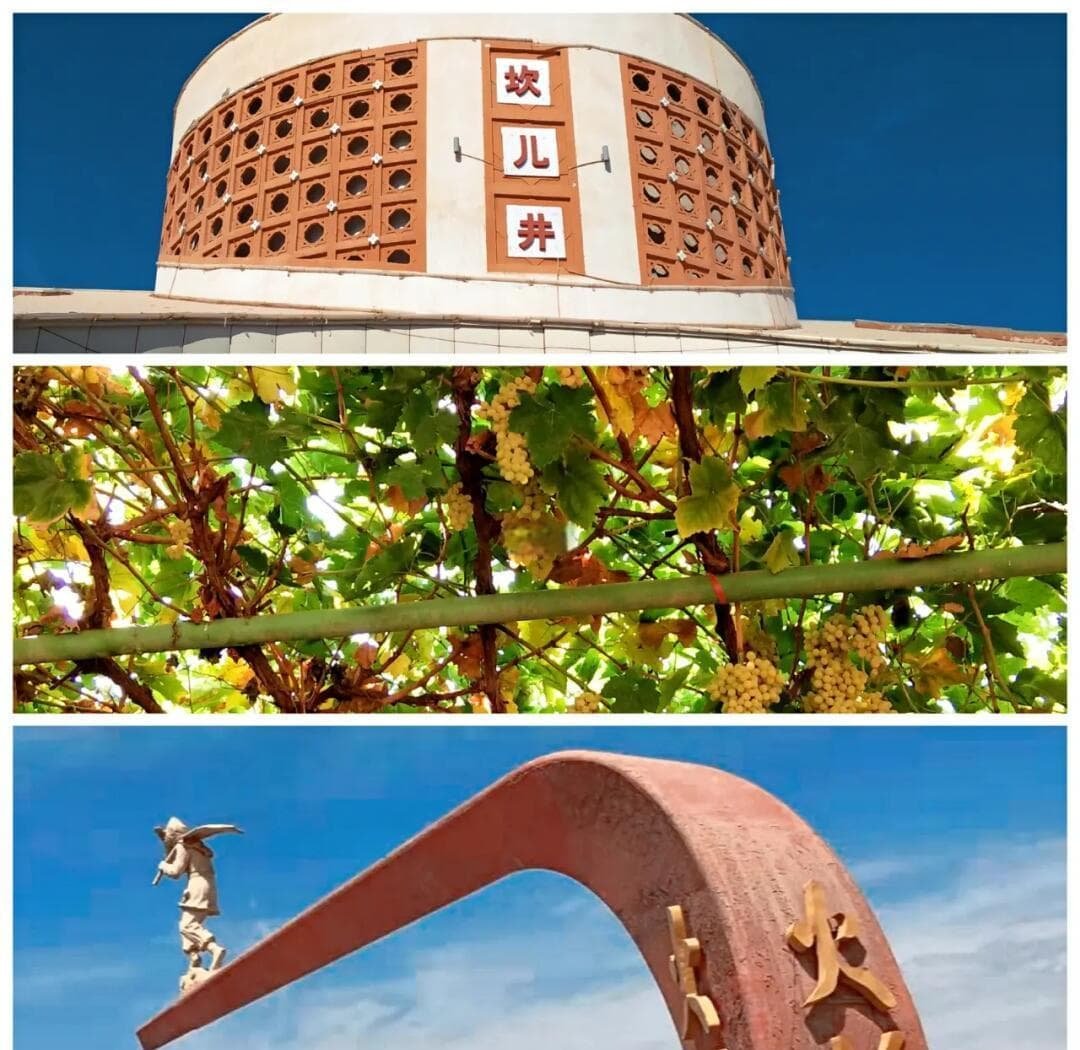
Oytag Glacier Park and Upal Village: A Kashgar-Side Day Trip to Ice, Birch Forest, and a Silk Road Village
An ice park two hours from the desert edge
Most travelers who base in Kashgar point their car south, up the Karakoram toward the Pamir. I did that, loved it, and then discovered the other direction is just as good and far less crowded. Oytag is a glacier park in Akto County, about 120 km west of Kashgar, where a side valley climbs from dusty foothills into birch forest, red rock, and a hanging glacier. On my first visit the contrast was so sharp I laughed: twenty minutes from a brown hillside to a wall of ice under a blue sky. This is the easiest taste of the high country without the Pamir’s altitude or permit paperwork, and it is the day trip I now recommend to anyone short on time in the south.
Pair it with the nearby village of Upal, a quiet Silk Road settlement where the Tang monk Xuanzang is said to have rested on his journey west. Together they make a full, slow day out of Kashgar that most tour buses skip, and that combination of ice and history is hard to beat for a single day.

The drive out from Kashgar
The route runs southwest on good road, roughly two hours each way, and you gain altitude steadily without crossing into the high Pamir, so altitude sickness is rarely an issue here. I left Kashgar at 8 a.m., stopped for laghman in a road town, and reached the park gate by late morning. The Kashgar guide has the city logistics, and the old town is the natural place to base because it has the best food and the easiest car hire for the run.
Inside Oytag park
The park is built around a short valley: a walk along a wooden path through a birch grove, then a climb toward the glacier, with red rock walls on one side and a cold stream on the other. In early summer the birch is bright green and the ice is still thick; by August the lower ice has melted back but the upper glacier holds. I walked about 90 minutes in and turned around, which was enough to feel the place without racing it. Wear proper shoes; the path is uneven and the meltwater makes it slick, and the cold off the ice is sharper than the valley entrance suggests.
Entry is ticketed and there is a shuttle for the first stretch, then you walk. Carry water and a layer even in summer, because the shade at the top is cold and the sun lower down is strong. The Karakul Lake guide is the better reference if you want to go higher onto the Pamir, but Oytag is the gentler intro and the better first taste for anyone unsure about the altitude.
Upal village and the monk’s rest
On the way back, a short detour brings you to Upal, a small village that local tradition ties to Xuanzang, the 7th-century pilgrim whose journey inspired the tale of the Monkey King. There is a modest site and a calm old settlement where life moves at the pace of the fields. I spent an hour just walking the lanes and drinking tea with a family who waved me in. It is not a sightseeing stop so much as a place to feel the continuity of the route that once carried monks and merchants from China to the Hindu Kush, and the quiet there is the antidote to Kashgar’s busy lanes.
If you want the deeper Silk Road context, the old town guide and the Pamir trip guide frame this corner of the south far better than I can in a paragraph, and Upal sits naturally between them as the low-key complement to the high road.
Photography and the light
The birch-and-red-rock combination is the gift here. Morning light hits the canyon walls; afternoon light flattens them. I shot in the late morning and again on the way out at golden hour, and the second frame was the better. A polariser helps the sky and the ice, and a longer lens compresses the glacier against the rock so it reads as close rather than distant. The Baisha Lake guide is useful if you extend the day toward the white-sand lake on the Pamir road, but that turns a day trip into an overnighter and a permit question, so keep it separate unless you have the time.

Eating and practicalities
Pack a lunch or eat in the road towns; the park itself has basic stalls only. Cash is essential in the villages, and there is no card payment. Fuel in Kashgar before you leave, because the smaller stations on this road are sparse and close early. The road is fine for a normal car in summer, but after heavy rain the side tracks get muddy, so stay on the main route and do not be tempted by a shortcut a local suggests unless you are in a proper 4×4. If you are also doing a long desert crossing elsewhere, the Taklamakan highway guide is a different trip entirely and should not be mixed into the same day, because the two needs could not be more different.
Seasonal notes
May to June is my favourite, when the birch is fresh and the glacier full. July and August are warm and busy with domestic visitors but the walking is easy. September cools fast and the light turns gold. October can bring early snow that closes the upper path, so check before you go. I have been in June and in September, and June won for the ice while September won for the colour; either is a good day out of Kashgar.
My honest take
Oytag and Upal will not shout for attention like Kashgar’s Sunday market or the Pamir’s peaks. But for a day out of the city that costs little, crowds no one, and shows you the green edge of a mostly brown region, it is close to perfect. I came back with cold hands, a full memory card, and a better feel for why this crossroads mattered for a thousand years. Take the western road, not just the southern one, and see the other side of Kashgar, because the ice is only two hours away and most people never turn that way.