
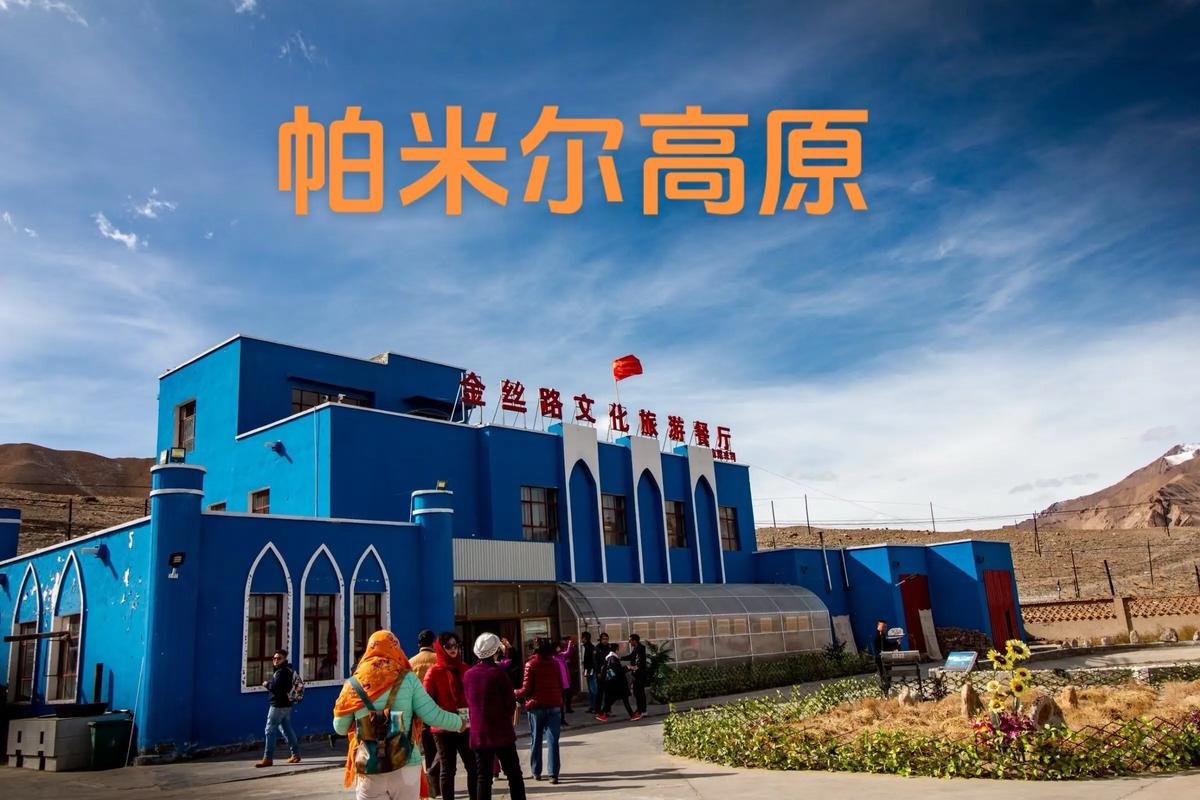
Daxiaolongchi: The Quiet Alpine Lakes Above Kuqa
Two Small Lakes Most Drivers Miss on the Duku
Everybody who drives the Dushanzi–Kuqa road stops for the big red canyon near Kuqa. Almost nobody stops for the two small alpine lakes an hour before it, tucked into a fold of the Tianshan where a side road peels off and climbs into the pines. I found them by accident, looking for a place to eat lunch away from the tour buses, and they turned out to be the calmest hour of the whole southern crossing. The locals call them Daxiaolongchi, the large and small dragon pools, and they are worth the detour.
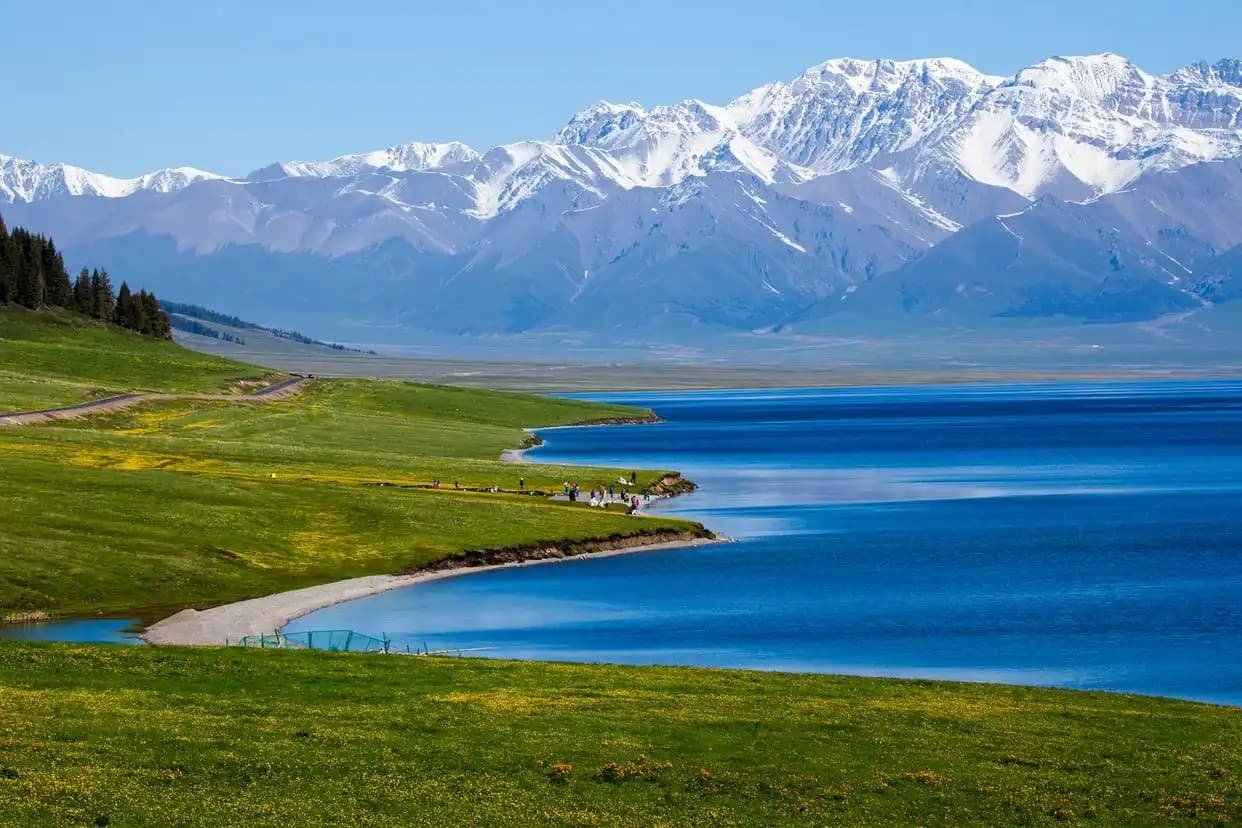
Unlike the famous canyon, which is drama and colour, the dragon pools are quiet and green: two linked mountain lakes set in spruce forest at around 2,500 metres, fed by snowmelt and circled by a wooden walkway. No ticket scrum, no loud speakers, just water, trees, and the sound of the stream that joins the two.
The Turn-Off and the Climb
The lakes sit on a spur road that branches north from the main Duku corridor not far from Kuqa, then climbs through a narrow valley of poplar and pine. I drove it in a two-wheel-drive car in early July and the paved section was fine, with the final approach a graded track firm enough at low speed. After rain the climb gets slick, and I would not take a low-clearance car up the last kilometre in wet conditions. Give yourself forty minutes each way from the highway plus however long you want to linger.
From Kuqa town it is roughly 70 kilometres to the turn and then the climb, so this is an easy half-day attached to a canyon visit rather than a destination in itself. I treated it as the peaceful counterpoint to the Kuqa Grand Canyon, which I drove right after, and the contrast was the whole point.
What the Lakes Are Actually Like
The lower pool is the larger of the two, a still sheet of water the colour of jade, backed by a wall of dark spruce. The upper pool is smaller and shallower, separated by a short walk and a footbridge. Both are cold, fed by melt that has not warmed since the mountain, and in the early morning a thin mist sits on the surface. I ate my lunch on a rock at the lower pool and watched the light move for an hour without seeing another visitor.
There is a simple legend attached to the name, dragons guarding the water, which you will hear from any local guide, but the real draw is the stillness. After days of grand scenery, a small lake that asks nothing of you is a relief. Photography here is easy: reflections, ferns, and the ridgeline behind, with no crowd to edit out.
Hiking and Time Spent
A wooden path rings the lower lake and a short trail connects it to the upper one, maybe twenty minutes of easy walking. Beyond that, informal paths climb into the forest if you want more, but the ground gets rough and the markers stop, so turn back when the trail fades. I went in early July and the wildflowers along the stream were thick, blue and yellow against the green, the kind of detail the canyon’s scale hides.
This area is also close to the red-rock hiking at Tianshan Grand Canyon and the high country toward Tomur Grand Canyon, so if you are basing in Kuqa for a few days the dragon pools make a gentle morning before the harder trails. Pack water and a layer even in summer, because the altitude and the shade keep it cool.
Pairing With the Northern Crossing
If you approach from the north on the Duku, the pools sit near the southern end of your drive, just before the descent into canyon country and the Dushanzi prairie far behind you. I crossed north to south and used them as a breather after the high passes, a green pause before the red. Either direction works; the key is to plan the stop deliberately, because the turn is easy to miss when you are watching the bigger scenery.
Practicalities
There is a small ticket point at the entrance to the lake area, modest compared to the canyon, and a few vendors selling cold drinks and grilled corn in season. Toilets are basic. Fuel and real food are back in Kuqa, so arrive supplied. Mobile signal is weak, so download the route before you leave the highway. As always in these mountains, afternoon thunderstorms are common in July and August, so aim for a morning visit and keep an eye on the sky.
The Name and the Local Legend
The name Daxiaolongchi means, roughly, the large and small dragon pools, and the dragon in the name is no accident. Across the Tianshan, high mountain lakes are often linked in local story to dragons who guard the water, and these two are no exception; the older residents of the nearby villages will tell you the pools are watched, and that the mist rising off the surface at dawn is the dragon breathing. I do not pretend to belief, but I liked the story, because it captures something true about the place, that still water at altitude feels inhabited, charged with a quiet you do not get from a busy viewpoint.
The legend is also a reminder that this landscape has been home to people far longer than it has been a tourist stop. The herders who summer in the surrounding meadows have fished these pools and grazed these slopes for generations, and the wooden walkway is a recent guest in a very old relationship. Walking the shore, I tried to see it as they might, not as a photo but as a source, cold water and good pasture, and the shift in perspective made the green go deeper.
Camping and an Overnight Near the Pools
If a single hour at the lakes leaves you wanting more, the area supports a simple overnight. A few travellers pitch tents in the designated spots near the lower pool, and the reward is the early mist and the absolute silence before the first day-trippers arrive. I camped one night in late June and woke to a temperature near freezing, a sky full of stars, and a lake so still it mirrored the ridgeline like a second range. The trade is comfort: no facilities, no fire permitted in dry season, and a long cold walk to the toilet block if there is one.
Pack for a mountain night even in July, because the altitude and the shade drop the temperature hard after dark. A proper sleeping bag rated below zero, a closed-cell mat, and a warm hat turned a potentially miserable night into a highlight. Leave no trace, pack out everything, and do not wash in the lake, because the water is the whole point. An overnight here is not luxurious, but it is the difference between seeing the pools and knowing them.
Kuqa as a Base for the Lakes
The dragon pools are best approached from Kuqa, which is the natural supply and rest base for this corner of the southern Tianshan. I based myself there for three nights, using the town’s hotels, fuel, and restaurants as the anchor and making day trips out to the canyon, the lakes, and the higher trails. Kuqa is a proper county city with a real food scene, good lamb and noodles, and enough hotel variety that you can choose your comfort level, which makes it a sensible place to recover between mountain days rather than camping rough every night.
From Kuqa the turn to the lakes is a straightforward drive north, and you pass the entrance to the grand canyon on the way, so the two sights share a morning or an afternoon without backtracking. Fuel up in town, because the mountain branches have no reliable stations, and carry water and a layer even for a short walk, since the altitude and the shade keep the lakes cool while the town bakes. I left Kuqa after an early breakfast, did the canyon in the cooler morning, and reached the lakes for a late-morning calm before the afternoon wind rose on the water.
The town also has the practical edge of signal and services. After days in the mountains where the network vanishes, Kuqa is where you reconnect, download maps for the next leg, and sort the photos. Treat it as the hub and the lakes as the spoke, and the southern crossing becomes a relaxed sequence of day trips rather than a tense push through unfamiliar terrain. The dragon pools are the gentle jewel of that sequence, best enjoyed because the logistics behind them were already solved in town.
Light, Reflection, and the Best Hour
The dragon pools are a photographer’s easy win, because the water does half the work. The lower lake, still and green, mirrors the spruce wall behind it on a windless morning, and the reflection is the picture; just frame low, keep the horizon out of the middle, and let the trees repeat in the water. The upper pool, shallower and brighter, suits a tighter composition, the rim of stone and the vein of sediment in the shallows, with the mountains softly out of focus behind.
Timing is the only real skill. Arrive at opening and you get mist, calm water, and low warm light on the rock; arrive at noon and you get glare, flat colour, and other visitors in every frame. I reached the lower pool as the sun cleared the ridge and had the surface to myself for forty minutes, long enough to shoot it six ways and pick the one that worked. The ferns along the stream and the wildflowers of early summer add foreground if the lake alone feels too simple. No special gear is needed, just a steady hand, a polariser if you have one, and the discipline to be there before the crowd.
Why the Small Lakes Mattered
The Duku road is a list of superlatives, and the dragon pools are not one of them. They are small, quiet, and free of the performance that surrounds the headline stops. That is exactly why I remember them. In a region that insists on scale, a pair of green lakes in the pines offered the one thing the big sights could not: stillness. If you are driving the southern crossing, peel off at the spur, climb slowly, and give the water an hour. The canyon will still be red when you get there. I have never once regretted the detour, and I have always arrived at the bigger sights calmer for the pause. The lakes ask little and give a rare thing in this loud region, which is quiet.