
Gobi Gem and Jade Hunting in Xinjiang: Agate, Crystal and Gobi Jade
On my first drive east of Hami I pulled over because something red winked at me from the gravel, and it turned out to be a palm-sized piece of agate with banded rings like a sliced onion. I threw it in the cup holder and forgot it. Two trips later I plan whole days around hunting rocks, and the cup holder is now a foam box. Xinjiang’s Gobi is one of the few places left where a traveller with no training and a shovel can still walk out and find something beautiful. This is the practical version of what I learned, including the mistakes that left me stranded once and sunburned twice.
What you can find
The three names you will hear at every roadside rock stall are agate, Gobi jade, and crystal. They are different animals and worth telling apart before you spend a hot afternoon bent over the ground.
Agate is the common prize. It is a banded chalcedony, and in the Xinjiang Gobi it shows up in reds, yellows, grey blues, and the prized “betty” white with concentric rings. Pieces range from a marble to a fist. The good ones have sharp banding and a waxy shine after you rinse the dust off. I find most of mine in loose gravel patches rather than solid outcrop.
Gobi jade, sometimes called Gobi jade or desert jade, is a harder, often greener or cream coloured stone that has been tumbled smooth by wind and sand over millennia. It is not the famous white Hetian jade of the rivers, but it polishes into a warm, soft stone that collectors like. The surface is usually frosted matte until you wet it, then it glows.
Crystal means quartz points and clusters. The Turpan and Hami areas throw up clear and smoky quartz, sometimes amethyst tinted. Points are small, often broken, but a clean cluster the size of a walnut is a real find. I keep a smoky cluster on my desk that I dug out of a cracked clay bank near a dry wash, and it still has the desert grit in its cracks.
Skip the idea of finding raw Hetian nephrite in a riverbed on a casual trip. That ground is picked clean and fenced. What you can legally and realistically hunt is surface Gobi material, and there is plenty of it if you know where to look and you respect the rules.
Best hunting grounds
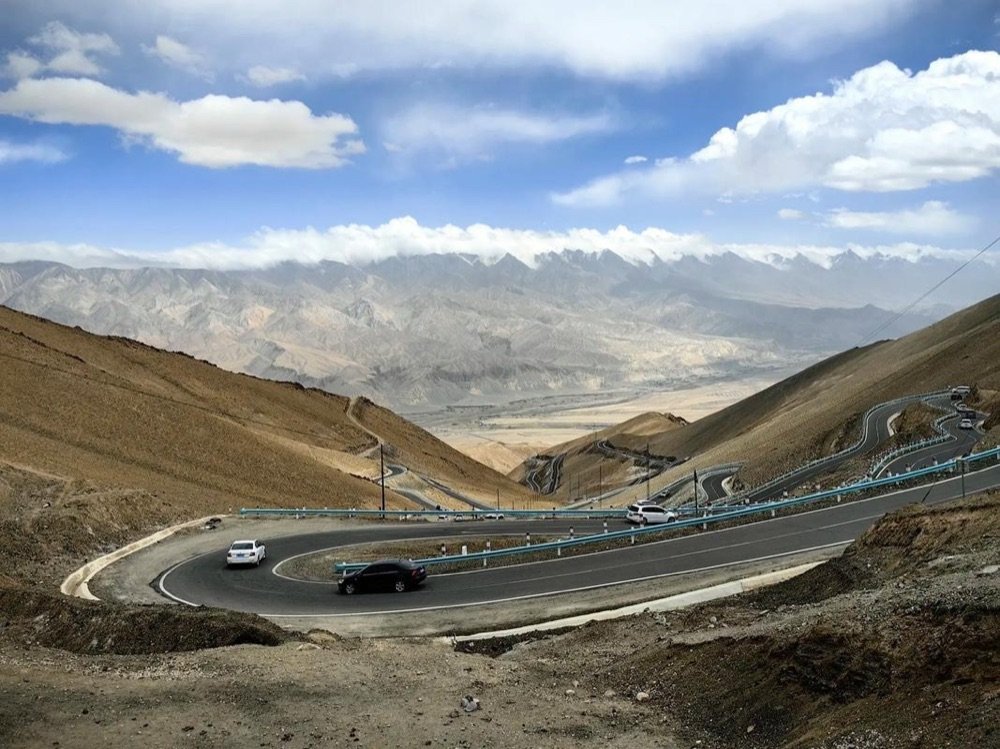
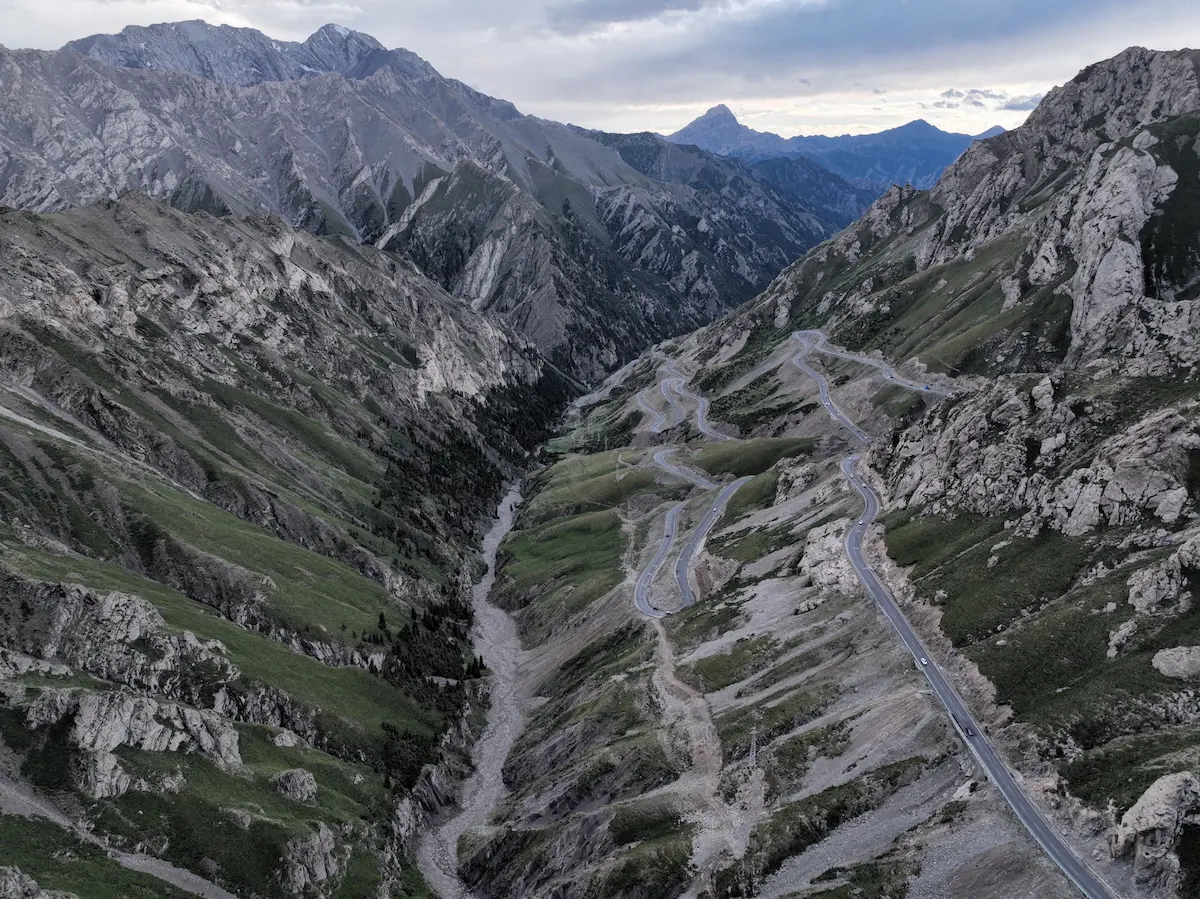
The classic field is the Hami Gobi, the open stony desert southeast of the city. Hami’s Gobi expanses are enormous, flat, and scattered with surface agate that wind scour has pushed to the top. The hunting spots sit a long drive from town, often an hour or more on rough track, so treat it as a half day minimum. I go with a full tank, two litres of water per person, and a downloaded map, because there is no signal and no shade.
The practical approach is to pick one zone per trip and learn its colour. The Hami fields favour red and yellow banded agate and the odd white betty. Drive out at dawn, work until the heat builds around ten, then retreat to town for the afternoon. I made the mistake once of trying to hunt Hami and Turpan in a single day and spent the middle of it lost on a graded road that was not on my map. Pick one, do it well, and the next trip earns the second.
The Turpan basin is the other reliable zone, hotter and lower. The Turpan basin floor around the dried lakebeds and the margins of the salt flats yields agate and quartz, and because it is below sea level the heat is punishing by late morning. Local rock hunters work the cool hours and quit by ten. I copied that schedule after one July morning where the dashboard hit 48 degrees and I could not touch the door handle.
For jade colour, the riverbeds near Hotan draw the dreamers, but for a traveller the better bet is the smaller Gobi jade fields south of the city where surface material sits loose on the sand. Hotan’s jade markets are where you go to see and buy the real Hetian stone, not to dig it. I treat the markets as the museum and the open desert as the playground, and that split keeps expectations honest.
A tip from a Urumqi collector saved me a wasted day: look for where the surface colour changes, a line where darker gravel meets lighter sand. Wind sorts stone by weight, and the heavy good stuff collects on the downhill side of those seams. Every nice agate I have found sat just below such a line.
Tools and technique
You need less than you think. A short-handled garden trowel, a small sieve if you want to work gravel, a sturdy bag, gloves, and water. A geologist’s pick is overkill and draws the wrong kind of attention from anyone watching for illegal mining.
Sunlight is your best tool. Hunt in the first two hours after sunrise or the last two before sunset when the low angle lights the bands in the stone. At noon the glare flattens everything and you walk past good pieces. I missed a red agate the size of an egg at midday, saw it the next dawn from the same spot, and laughed at myself.
Bring a small hand lens, the kind sold at any market for a few yuan, and use it before you pocket a stone. What looks like banded agate from three metres can be plain painted gravel up close, because fakes do turn up at the busy stops. The lens also shows you the difference between a frosted Gobi jade skin and a rough plain rock. After a week of hunting my eye got fast, but the lens still settles arguments with myself over a maybe piece.
Technique is mostly patience and a slow grid. Walk a lane about three metres wide, eyes down, and sweep the sieve through loose gravel if you hit a patch. Rinse finds in your water bottle to check colour, but do not waste drinking water. I carry a separate dirty bottle just for the rinse. When a piece looks dull, wet it; Gobi jade and agate both reveal their colour only when wet.
Sort as you go. I keep three pockets: keep, maybe, leave. The maybe pile shrinks fast once the sun climbs and you get tired. At the end of a hunt my keep pile is usually six pieces from a bucket of picks, and that is a good day. Quality beats volume, and your suitcase has a limit.
Rules and safety
This is the part that keeps the trip fun instead of fatal. The Gobi is empty and unforgiving, and the rocks will still be there tomorrow.
Stay off fenced and posted land. Around Hami and Turpan some tracts are leased to mining companies or are within restricted buffer zones, and the signs are in Chinese only, so when in doubt, move on. I once saw a fence with red markers a kilometre past where I thought the open land ended, and turning back cost me nothing but pride. Crossing that line is how travellers get fined or detained.
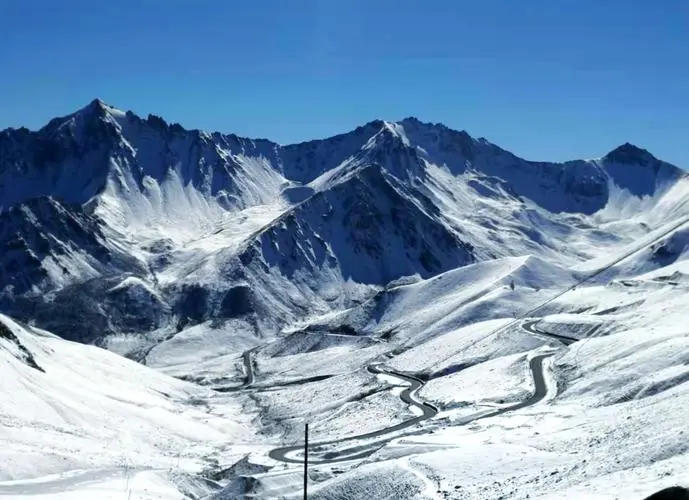
Heat is the real killer. From June through August the basin and Gobi hit 40 to 50 degrees. Carry at least two litres of water per person, more if you walk far from the car, and drink before you are thirsty. Wear a brimmed hat, long sleeves, and closed shoes, not sandals, because the ground is littered with sharp shale. Tell someone your plan and your rough return time, and do not go alone if you can avoid it.
Never let the car out of sight. The classic stranding is a hunter who walks a kilometre chasing colour and loses the vehicle in featureless gravel. I mark my spot with a bright tarp on the roof and a GPS pin before I step away. If the car breaks down, stay with it. A vehicle is visible for miles and a person is not. I carry a spare tyre, a compressor, and a shade blanket, and on the trip I got stuck a slow leak taught me the compressor paid for itself.
Fuel matters more than tools. Fill up in Hami or Turpan before you head out, and turn back with a quarter tank to spare. The distances fool you. A field that looks close on a map can be ninety minutes of crawling track, and the return uses the same fuel you forgot to budget.
What to do with your finds
Most travellers keep a few pieces as memories and that is the right call. Raw agate and Gobi jade look good in a bowl on a shelf, and a quartz cluster needs no work at all. Rinse them, let them dry, and they are done.
If you want them finished, Urumqi and the bigger town bazaars have lapidary stalls that cut and polish for a few yuan a stone. I had three agates sliced into slabs for 10 yuan each and they look better cut than whole, the bands opening up like tree rings. Some stalls sell tiny tumblers if you want to polish at home, but the grit is messy and the result slow, so I leave that to the pros.
Selling is possible but not easy for a foreigner. The markets want volume and known material, and a stranger with a shoebox of picked-up rocks will get low offers. I sold two nice pieces at Hotan’s jade markets for pocket money and kept the rest. Treat any sale as beer money, not income. The joy is the hunt, not the resale.
For gifts, the small tumbled stones travel best. Wrap each in a bit of tissue and they survive a suitcase. If you want something ready made, Xinjiang souvenirs include carved jade handles on Uyghur knives, and those make a cleaner present than raw rock most relatives will not know what to do with. I bring home one rough piece for myself and one finished item for someone else, and both tell the trip.
Check your home country’s rules before you fly. Rough mineral samples are usually fine, but polished jade of any value can raise questions at customs, and a receipt helps. I keep a note of where and when I found each stone, scrawled on the tissue, so the story survives the years as well as the rock does.
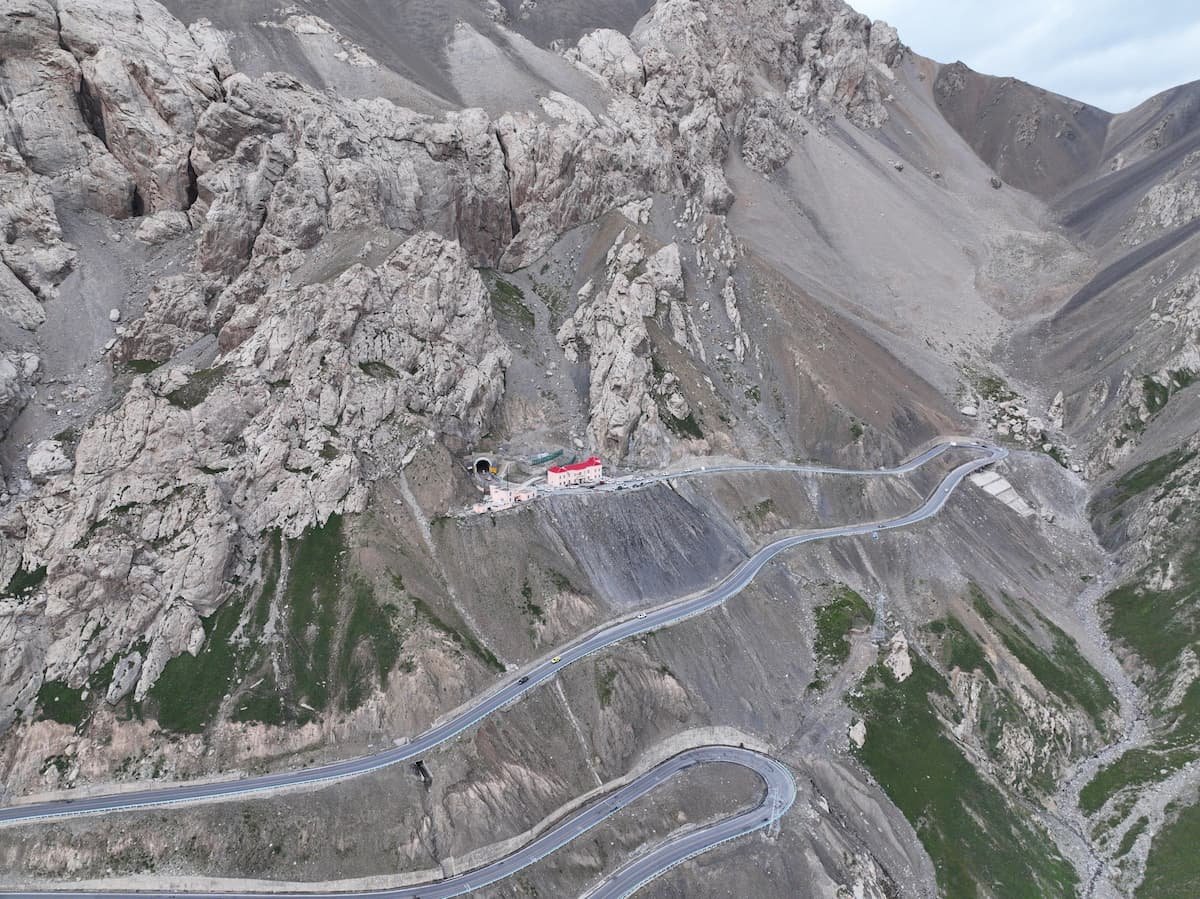
Go early, carry water, stay where you are allowed, and let the wind do the sorting. The Gobi has been dropping these stones for ten thousand years and it will not run out on your watch. The best find I ever made was a plain grey pebble that, wetted, showed a single perfect ring of red, and I almost left it on the ground. Slow down, and the desert gives.