
Xinjiang Kite Culture & Festivals Guide
Why Xinjiang Is a Kite Flyer’s Dream
One windy April morning in Turpan, I watched a red dragon kite climb until it was a speck against the blue. The wind was steady, the kind that never stops here, and within ten minutes the whole sky was stitched with color. That morning taught me something simple. Xinjiang is one of the best kite places on earth, and almost no foreign travelers know it.
The reason is the wind. This region sits far inland, ringed by mountains, with huge basins and open desert between them. Air moves across those basins in long, even gusts that hardly ever quit. A kite needs lift, and it needs patience. Xinjiang gives both. In the spring months of March, April, and May, the wind runs 15 to 30 kilometers an hour on most afternoons, which is perfect for everything from a small paper diamond to a twelve-foot nylon eagle.
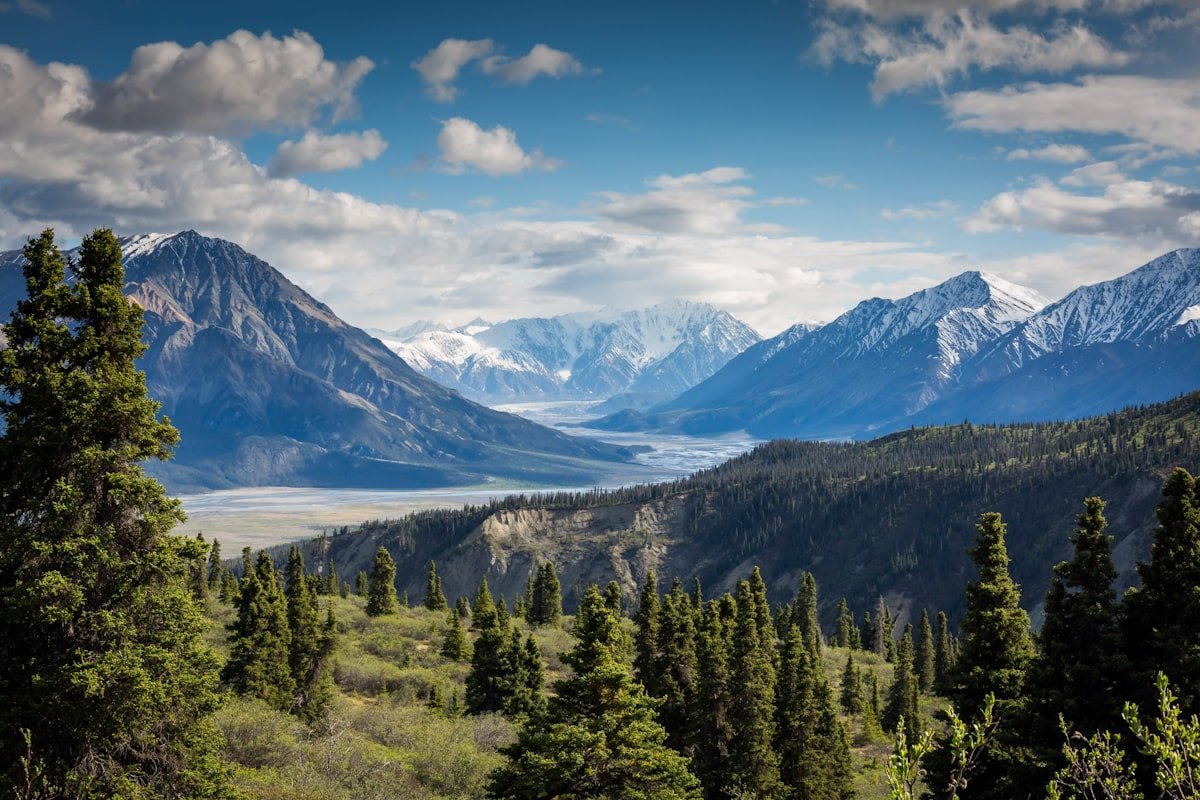
Most travelers come for the snow mountains, the grasslands, or the old Silk Road towns. They miss the sky. I think the sky is half the trip, and a kite is the cheapest ticket up there.
Two Traditions in One Sky
Kite flying in Xinjiang is not one thing. It is two old habits sharing the same wind. There is a Han Chinese spring pastime that turns city parks into galleries of paper birds, and there is a Uyghur family custom that turns any open field into a picnic with a string attached.
The Han Spring Kite Habit
In the Han Chinese communities here, kites arrive with the first warm wind. Grandfathers build them in winter, gluing thin paper over split-bamboo frames and painting cranes, goldfish, and swallows with cheap brush ink. By March the parks fill with them. Red Hill Park in Urumqi becomes a weekly gathering where a hundred kites wheel above the hill and old men trade tips about spars, tail length, and the best hour of the day.
The shapes tell stories. You see the classic swallow, the centipede with its linked paper discs, and the spinning windmill kite that hums as it turns. None of these need a motor. They need a runner, a length of string, and a good gust. I once spent an hour just watching a single humming kite and learned more about wind than I did in any book.
Uyghur Family Days in the Oasis
Out in the oasis towns, the habit looks different but feels the same. Whole families drive to the edge of the fields on a Friday afternoon. The fathers launch, the kids chase the string, and the mothers spread bread, grapes, and tea on a cloth. A kite here is an excuse to be outside together, and the winds of the Tarim and Turpan basins are so reliable that even a child’s first try usually ends a few meters up.
I joined one such day near Kashgar. A boy of six had a store-bought bat kite, bright purple, and he shrieked every time it dipped and recovered. That sound is the whole point of the custom. Nobody is competing. They are just outside, together, under a moving sky.
The Big Spring Festivals
If you want the fullest sky, time your drive to a festival. Our full Xinjiang festivals travel guide lists the season in detail, and the 2026 festivals calendar covering Nowruz and the Grape Festival shows exact dates as they firm up. Kites are not always the headline act at these events, but they are always in the air.
Urumqi Red Hill Park Kite Festival
Every spring, usually in April, the city runs a kite event on Red Hill. Hundreds enter. The serious flyers bring stacked kites on fifty meters of line, and the crowd gasps when a team launches a centipede that takes six people to hold. Vendors line the paths selling snacks and, of course, kites. It is free to watch and cheap to join. Bring a kite of your own and you can launch from the lower field with everyone else.
Turpan, the Grape Festival, and the Wind
Turpan’s famous Grape Festival falls in late summer, but the kite energy peaks earlier, in the spring wind season. Still, if you are in town for the grapes, you will see kids flying on the canal banks. The basin wind is the strongest and steadiest in the region, which is why Turpan is where I send first-time flyers who are nervous about losing their kite on the first gust.
Kashgar and the Southern Oasis Towns
Down south, the towns around Kashgar and Hotan hold smaller, looser kite afternoons tied to school holidays and local fairs. Nothing is formal. You simply show up at the open ground outside the old city and join. The light there in March is soft, the poplars are gold-green, and a kite against that backdrop is a photograph you will keep for years.
Where to Fly: The Best Spots by Region
You can fly almost anywhere with open space and no power lines. After three spring trips, these are the places I return to.
Urumqi and the Northern Edge
Red Hill Park is the easy pick, especially on weekends when the regulars are out. For something wilder, drive out to the southern suburb grasslands above the city, where the wind comes clean off the Tianshan range. No fee, and the crowds stay low on weekdays. The view back at the city with kites in front of it is worth the short detour.
The Turpan Basin
The Grape Valley edges and the open ground near the Flaming Mountains give you warm, dry, relentless wind. Bring water. The basin heat in April already touches 25 degrees, and the wind feels like a hair dryer pointed at your face. Great for big kites, hard on small paper ones that tear in the first strong gust.
Ili and the Grassland Valleys
This is my secret favorite. The Ili valley in May is green and huge, and the wind rolls down off the snow peaks in long smooth pushes. Nalati and the smaller meadows near Zharkent are wide enough to run a train kite without snagging a tree. A 7 to 10 day spring itinerary of apricot blossoms and snow mountains pairs kite flying with the best flower season the region offers, and you can fly most afternoons without leaving your route.
Buying a Kite Locally
You do not need to pack a kite from home. Every city has them, and they cost almost nothing compared with what you would pay in a Western shop.
What You Get for Your Money
At the low end, 10 to 20 yuan buys a small paper or plastic diamond at a night-market stall or a park entrance. These fly fine in a steady breeze and last a day or two before a gust ends them. Spend 40 to 80 yuan and you get a proper nylon stunt kite or a big character kite with a reel, real stitching, and a tail that actually balances in the air. I once paid 60 yuan for a six-foot phoenix in Urumqi and flew it for two full seasons before the string wore out.
The price tells you about the build. Cheap paper kites are for a single joyful afternoon. The 80-yuan nylon eagles are for travelers who want a kite that survives the trunk and comes out again in another basin a week later. Both are fair deals. The joy per yuan is the same.
Where to Shop
Markets to try include the bazaar streets behind the Urumqi international market, the stalls near Red Hill on weekends, and the toy shops in any county town. Ask for the local word if you like, though pointing at the sky works better than any phrase. Cash helps in small towns where card readers are rare. Haggle a little at the bazaar, but do not push hard. The difference is a few yuan either way.
Family-Friendly Kite Spots
Traveling with children changes the math. You want short grass, few rocks, and a wind that will not knock them over. The Ili spring flower route is gentle and open, perfect for a five-year-old’s first launch, with space to run and nothing to trip on. Inside Urumqi, the flat lawns of People’s Park and the Red Hill lower fields are safe and close to bathrooms and food.
For a full plan with ages and gear, see our family travel guide with kids in Xinjiang. Kite days rank high on every parent’s list because they cost nothing and tire the kids out by noon, which leaves the afternoon free for the long drive ahead.
Kites Versus Motorized Aerial Adventures
A note on confusion I see often. Xinjiang also sells paragliding rides and hot-air-balloon flights, and people sometimes lump all of it under the word flying. They are not the same. Those are motorized or burner-powered experiences where you sit and are carried by a machine. Kite flying is human-powered. You run, you reel, you read the wind with your own hands. No engine, no ticket booth, no altitude waiver to sign.
That is the charm. A kite is the oldest aircraft there is, and you are the pilot. You feel the pull in your arms and you learn the air by feel, not by a dashboard. For travelers who came to drive themselves and make their own choices, a kite is the right kind of flight. It asks nothing of you but a breeze and a little open ground.
A Practical Month-by-Month Plan
March is when the wind wakes up. The parks are thin and the flying is quiet, good for travelers who dislike crowds. April is peak season, with festivals in Urumqi and family crowds everywhere. May is when Ili turns green and the valley wind is at its best. June through August is hot and strong in Turpan, so bring shade and fly in the early morning. September calms down and is good for big stable kites in the north, with cooler air and fewer tourists on the roads.
If your trip is short, pick April for the festivals or May for the Ili valleys. Both months give you the wind and the color at the same time.
Wind, Weather, and Solo Driving Tips
If you are driving yourself, keep a folded kite in the trunk. When you stop at a basin overlook and the wind is right, ten minutes of flying breaks up a long highway day better than any coffee. Carry spare line, a small pair of scissors, and tape for mid-field repairs. Wear a hat, because the sun at altitude is brutal even on a cool day.
Respect the wind when it hits 40 kilometers an hour. A big kite at that speed will drag you, not the other way. Find a post or a friend to brace against, or wait for the evening drop. Learn to read the dust. If you see a wall of dust moving across the desert, that is not your flying window. That is your signal to close the windows and drive on.
One last thing. The best kite moment of my trips was not at a festival. It was a random Tuesday outside a village in Ili, no plan, just wind and a 15-yuan butterfly. The region gave me the sky for free, and I took it. You should too.