
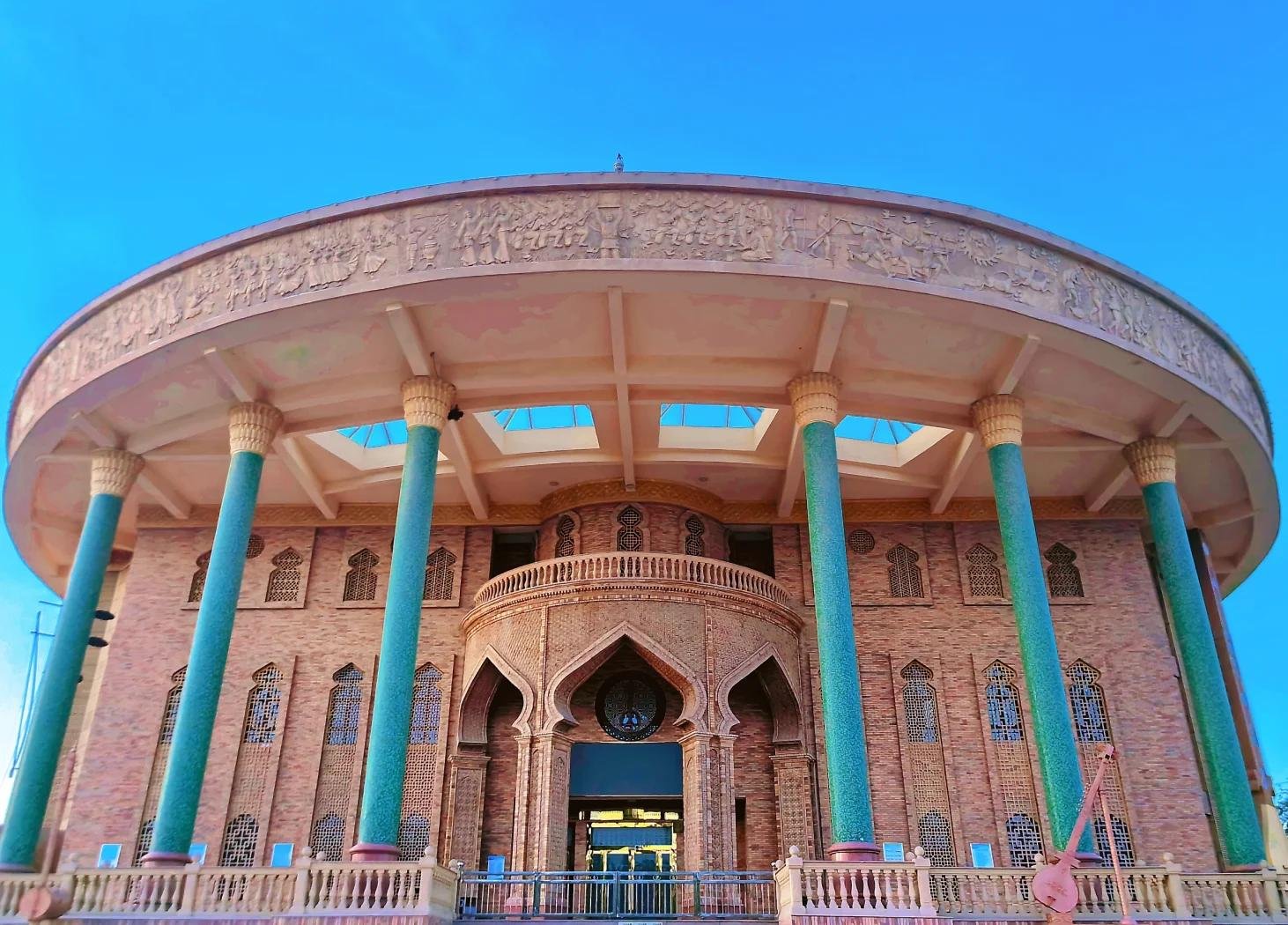
Kuytun Town Guide: Northern Xinjiang Crossroads
Why I Stopped in Kuytun
I did not plan to spend much time in Kuytun. The name showed up on my map as a small dot where the G30 expressway bends west toward the Ili Valley, and I treated it the way most drivers do. It was a place to fill the tank, grab food, and keep moving. That changed the night my rental’s low-tire light came on around 9 p.m. and the only open garage for sixty kilometers turned out to be here.
Kuytun sits in the north of Xinjiang at a point where several roads simply have to meet. You feel that the moment you arrive. Trucks idle at intersections, long-distance buses pull in from three directions, and the train station sends passengers toward Urumqi, Karamay, and the western border towns. It is not pretty in the postcard sense. The town is flat, dusty in summer, and cold enough in January that you keep your gloves on while pumping fuel. But for a solo driver it does one thing better than almost anywhere else in the region. It lets you reset.
Where Kuytun Sits on the Map
Kuytun is in the northern part of Xinjiang, roughly halfway between Urumqi and the Khorgos border crossing. The key fact for any driver is the road geometry. The G30 Lianyungang to Khorgos expressway runs east-west through the town. From here the G217 branches off toward the south, cutting into the Junggar Basin and eventually toward the desert routes. The G3014 and G3015 connect you to Karamay and the northern loop.
Here are the distances that actually matter when you are planning a day:
- Kuytun to Urumqi: about 250 km, roughly 2.5 to 3 hours on the expressway.
- Kuytun to Sayram Lake: about 150 km, a comfortable half-day drive with the mountain pass near the end.
- Kuytun to Yining, the main city of the Ili Valley: about 230 km.
- Kuytun to Karamay: about 130 km to the northeast.
What this means is simple. You can wake up in Kuytun, reach Sayram Lake before noon, and still have light to push on toward the grasslands. Or you can treat the town as the last real supply point before the quieter western roads. I have done both, and the town rewards the second choice most.

The Crossroads Logic
Most travelers picture Xinjiang as Urumqi plus a list of famous lakes and canyons. The reality on the ground is a web of highways, and Kuytun is one of the knots. If you are driving the northern loop, you will likely pass through it whether you intend to or not. Knowing it is there, and knowing what it offers, turns a forced stop into a useful one.
Getting There by Road and Rail
The road approach is the easy part. The G30 is in good condition along this stretch, and signage is clear in both the local script and the Latin-script markers that most rental cars display. Coming from Urumqi, you stay on the expressway past Shihezi and Wusu, then take the Kuytun exit. Tolls from Urumqi run around 90 to 110 yuan depending on the vehicle class.
Rail is where Kuytun quietly shines. The town has a proper station on the railway line, and several trains a day connect it to Urumqi in under three hours. For a solo traveler who would rather not drive every leg, this is a real option. You can ship luggage, take a train, and rent a car locally at the other end. Our full guide to Xinjiang’s train stations and rail hubs breaks down which stations are worth building a route around, and Kuytun is on that list for exactly this reason.
Trains Worth Knowing
The fast services to Urumqi leave through the morning and afternoon. A standard second-class seat costs in the range of 50 to 80 yuan. Sleeper options exist for the longer western runs toward Bortala and the border zone. I once took the afternoon train back to Urumqi after a long drive week, and the three hours of sitting still felt like the first rest I had earned.
If you are coordinating a bigger arrival, the 2026 guide to reaching Urumqi by air, train, and road is the better starting point, since most international travelers fly in there first.
Fuel, Repairs, and the Practical Stuff
This is the section I wish I had read before my first trip. Northern Xinjiang has long empty stretches, and your fuel strategy decides your freedom. Kuytun has multiple gas stations, including the major state brands, and most are open late. I top up here even when the gauge reads half, because the next cheap, reliable stop west is not always close.
Diesel and petrol are both available. Prices track the national range, roughly 7 to 8 yuan per liter for gasoline in recent seasons. Card payment works at the bigger stations, though I keep some cash for the smaller roadside pumps where the reader is occasionally down.
When Something Breaks
The garage that saved my tire night was a modest place near the eastern edge of town, open past 10 p.m. and run by a mechanic who spoke almost no English but understood the universal language of a hissing valve stem. For serious issues, the larger service centers along the main ring handle tires, batteries, and basic engine work. My advice: do not leave Kuytun with a known problem. Fix it here, where parts and labor are easier to find than in the small towns beyond Sayram Lake.
For a deeper look at road logistics across the region, the self-drive and camping guide covers vehicle prep, overnight parking, and where the long desert legs begin.
Where to Sleep
Kuytun is not a resort town, so set your expectations accordingly. What it does have is a solid spread of mid-range hotels and budget guesthouses, many within a short taxi ride of the station. I have paid between 160 and 320 yuan for a clean, warm room with reliable heating and decent wifi. In peak summer, July and August, book a day ahead because the town fills with domestic road-trippers.
What I Look For
First, parking. If you are in a rental with roof gear, confirm the hotel has a guarded lot. Second, heating that actually works, since nights get cold even in shoulder season. Third, proximity to food. The cluster of hotels near the main commercial street puts you within walking distance of noodles, barbecue, and the late shops. None of this is luxury, but after a day of driving it is exactly right.
I learned the parking lesson the hard way. On my second visit I rolled in after midnight, found the first hotel lot gated, and ended up circling for twenty minutes before a guard waved me into a side street. Since then I book by phone and name the car. A two-minute call saves a cold, tired hour.
Where to Eat
The food is the pleasant surprise. Kuytun sits on trade routes, so the kitchens reflect a mix: hand-pulled noodles from the east, roast lamb from the grasslands, and the flatbreads that seem to appear at every corner. A plate of laghman with vegetables runs about 18 to 28 yuan. A skewer of mutton is a few yuan each, and a full barbecue dinner for one rarely tops 60 yuan.

Breakfast is where the town earns its keep for early drivers. The bakeries open before sunrise, and a fresh naan costs around 3 to 5 yuan. I buy two, wrap one in a towel, and eat it cold at a rest stop two hundred kilometers later. It beats any gas-station snack.
Markets and Supplies
There is a practical side to eating here too. The local market sells fruit, water, and dry goods at prices lower than the tourist towns near the lakes. I restock my cooler in Kuytun before the final push west, because every liter of water costs more once you are inside the scenic areas. A case of water that runs 18 yuan here can double in price at a Sayram Lake vendor, and you will want the water when the wind picks up by the lake.
Day Trips and Connections
Kuytun works as a launch point for some of the best drives in the north. Sayram Lake is the closest headline destination, about 150 km away, and the road there climbs into green mountain country that feels like a different climate. From the lake you can continue to Yining and the Ili grasslands, or loop back through the smaller western towns.
The Ili Valley from Here
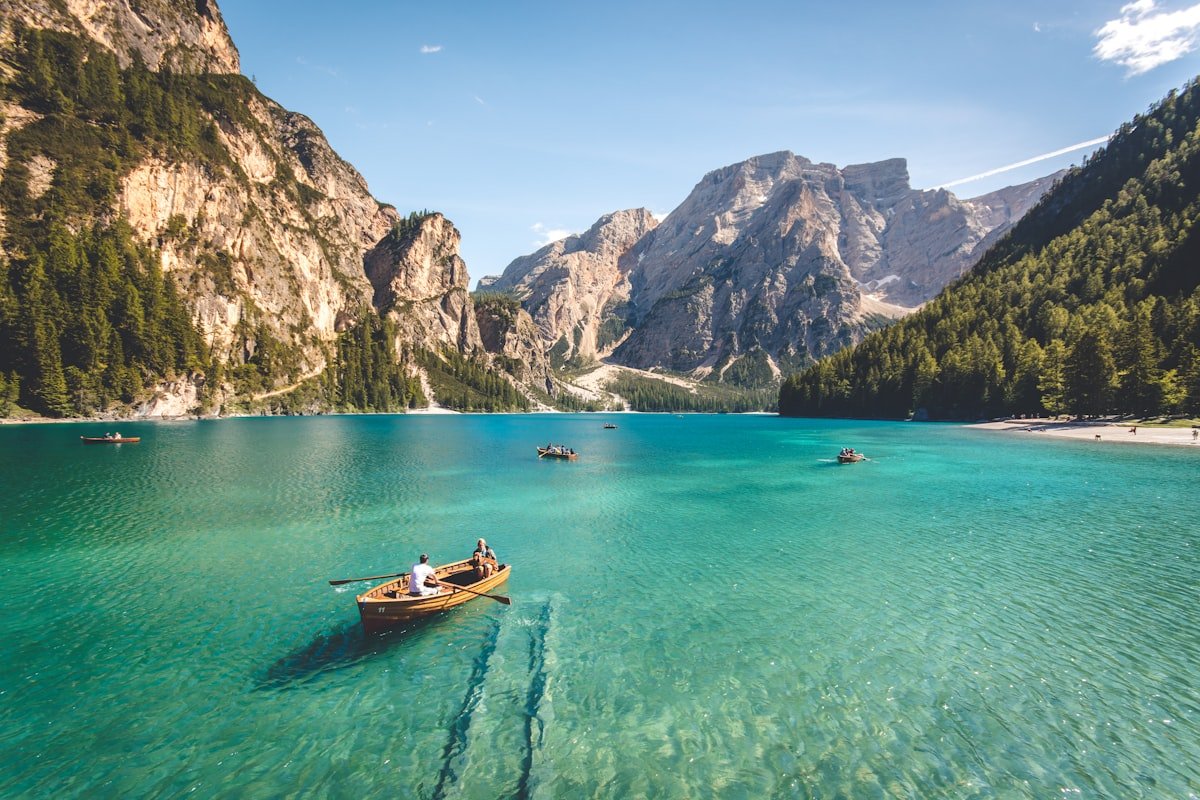
The Ili Valley is the green heart of northern Xinjiang, and Kuytun is the fastest dry-land gateway to it. On a clear morning the drive west opens into rolling pasture, and you understand why people call this the Switzerland of the east. The image below barely does the scale justice, but it shows the kind of land you are heading toward.
North Toward Karamay
If your loop runs the other way, Karamay is about 130 km northeast, and the G3014 makes it an easy morning. Karamay has the oil-museum angle and the strange beauty of the nearby canyon lands. Either direction, Kuytun is the place you return to for fuel and rest before the next leg. I have used it as a hinge on a ten-day route, swinging west to the lakes, then back through town, then north to the canyon country without ever feeling stranded.
Why Kuytun Matters as a Hub
Step back and the logic is clear. Urumqi is the giant, the flight hub, the place you start. Karamay is the oil city with its own sights. But Kuytun is the quiet switchyard where the northern routes cross. Miss it and you add distance and stress to almost every western plan. Use it and you gain a dependable base that costs less than the famous stops and asks nothing of you but a full tank and a good night’s sleep.
For longer rail-based plans, the high-speed rail travel guide shows how to combine trains with local driving, and Kuytun fits that pattern well as a mid-route reset point.
Buses and the Local Web
Beyond trains, the long-distance bus station connects Kuytun to smaller towns that rental cars sometimes struggle to reach on tight schedules. The intercity bus guide lists the routes and timing that pair with a self-drive plan, useful when you want to park the car and let someone else handle a leg. I met a German cyclist at the station who had ridden in from the border and was using the bus to skip a stretch of highway with no shoulders. Smart move, and Kuytun was the only place within reach that made it possible.
Money, Connectivity, and Small Comforts
A few practical notes that rarely make the brochures. ATMs in town accept international cards at the bigger banks, though the machines inside the station can run out of cash on busy weekends, so I withdraw in Urumqi first if I can. Mobile data works well on the main networks, and the hotel wifi was good enough to upload a day of photos without drama. Pharmacies stock basic supplies, and there is a hospital with an emergency entrance if something serious happens on the road.
The small comforts matter more than they sound. After days of variable signal and long empty highway, a town where you can charge devices, do laundry, and buy a real coffee is a genuine reset. Kuytun delivers these without pretense. It is the kind of place you start to appreciate only after the glamorous stops have worn you out.
A Note on Timing and Seasons
I have driven through Kuytun in July and in late October, and the town behaves differently each time. Summer is busy, warm, and full of domestic travelers, so the hotels and stations hum. Autumn is quieter, the light is better for photography, and the roads are clear, though nights drop fast. Winter is harsh and beautiful, with empty highways and real cold, best left to drivers who know snow.
Whatever the season, build Kuytun into your plan as a logistics stop first and a destination second. It will not wow you with monuments. It will, almost without fail, get you back on the road with a full tank, a fixed tire, and a pocket of warm naan. For a solo driver in northern Xinjiang, that is worth more than a postcard.