

Traveling in Xinjiang During Corban (Eid al-Adha): What to Expect and How to Prepare
I arrived in Kashgar on a warm June evening in 2023, three days before Corban. I had read the guidebooks, but nothing prepared me for the way the old city changed. The mosques filled before dawn, the smell of roasting lamb drifted out of every courtyard, and strangers waved me to their tables. Corban, known in English as Eid al-Adha, is the biggest festival in Xinjiang’s calendar, and if you are driving yourself through the region, you need to plan around it.
What Corban Actually Is
Corban is the Festival of Sacrifice. It marks the story of Ibrahim’s willingness to offer his son, and in Xinjiang it plays out as a three day celebration built around family, prayer, and meat. Most travelers will hear both the Arabic name Eid al-Adha and the Turkic name Kurban Hayiti as they move through the region.
For visitors, the simplest way to understand it is this. Ramadan is about fasting. Corban is about feasting. Where the earlier festival asks people to go without food from sunrise to sunset, Corban does the opposite and asks families to share as much as they can.
The holiday lasts three full days, though the first morning carries the most weight. On day one families attend the big prayer, perform the sacrifice at home, and then cook for relatives who arrive through the afternoon. Days two and three are for visiting, eating, and resting before normal life resumes.
If you want the wider picture of regional holidays, our guide to Xinjiang festivals lays out the full year and how each one changes travel plans on the ground.
The Three Days at a Glance
Morning one is the prayer and the sacrifice. Afternoon one is the first big meal. The second and third days slide into long visits between Kashgar, Hotan, and the smaller oasis towns, with roads busy from sunrise. By day four the region settles back into its usual pace, though the markets stay lively for a week.
How the Date Moves Each Year
Corban follows the lunar Hijri calendar, so the date shifts earlier by about eleven days every year. It lands roughly seventy days after Eid al-Fitr, the festival that ends Ramadan. In recent years it has fallen in June, but over time it will drift through every season of the year.
The exact day depends on moon sighting, which local religious authorities announce a day or two ahead. This makes precise planning harder, so build a buffer into your route. Our Xinjiang festivals calendar tracks the coming years so you can plan a trip months in advance.
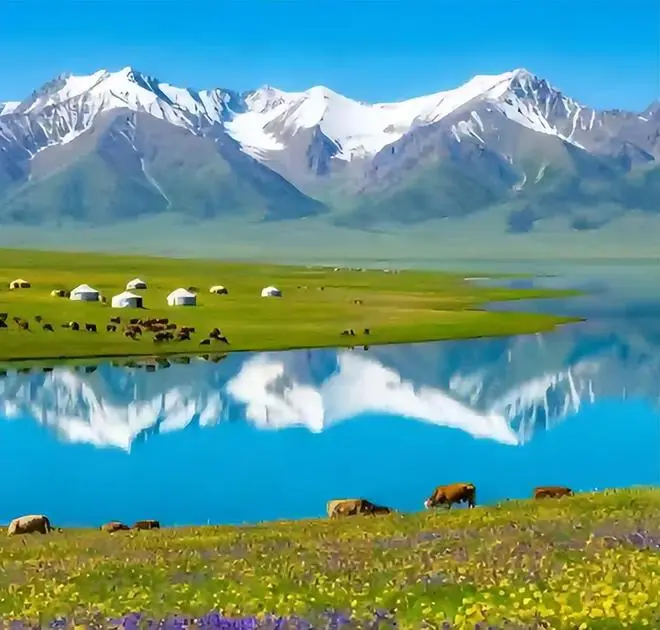
This movement matters for self drive travelers. A June Corban means dry roads and open mountain passes on the Karakoram route toward Tashkurgan. A Corban in deep winter would mean snow closures between Kashgar and the highlands, so you must check the date before you lock in a route.
My First Corban Morning in Kashgar
I woke to a quiet that felt unusual. The normal clatter of breakfast stalls was gone. On the first morning of Corban, most restaurants and small shops close until the midday prayers finish, and the old city turns inward toward family.
By ten o’clock the streets near Id Kah Mosque were packed with people in their best clothes. I stood at the edge of the square and watched the flow of families moving together. It was not a tourist show. It was a city keeping its own rhythm for three days.
The light in the old city that morning was soft and gold. Wooden doors stood open, and I could see generations gathered around low tables inside. I learned quickly that the best move was to walk slowly and accept whatever came my way.
This is different from the feel of Ramadan in Xinjiang, when the daytime streets are calm and the energy comes out after dark. Corban turns the whole day bright from the first call to prayer.
Why the First Day Feels Different
The first day carries the weight of the prayer and the sacrifice. Many households spend the morning at the mosque and then return to prepare the meat. As a visitor you will notice the hush more than the noise, because the public spaces empty out before they fill again with celebration.
Banks, Roads and Transport Get Tight
Plan your money first. Banks and ATMs often close for one to three days around Corban, and while some machines stay stocked, you should not rely on them. I pulled out extra cash in Kashgar two days before the festival and it saved me more than once when a shop refused cards.
Roads between Kashgar, Hotan, and Aksu get busy with family visits. The Dushanzi to Kuqa stretch of the highway sees steady local traffic, and petrol stations near small towns run low on busy afternoons. I carried two spare jerry cans on the southern loop and was glad for it when a station outside Luntai closed early.
Buses and trains out of the big hubs sell out fast. The Kashgar to Urumqi sleeper, about 1,470 km of rail, and the Turpan connections were booked solid three days before I left. If you rent a car, reserve early because agencies thin out their fleet during the holidays, and self driving is the only way to keep your own schedule.
Fuel is the real constraint, not the road itself. I treated every quarter tank as empty and topped up at every open station. On the Kashgar to Hotan road, about 500 km of desert highway, the gaps between stations are long and the holiday crowds make them unpredictable.
Hotels near the festival fill just as fast as the trains. I booked my Kashgar guesthouse a week ahead and still watched prices climb by the night. Police checkpoints stay open and polite through the holiday, so keep your passport and license within reach at every stop, because the routine does not pause for Corban.
The Livestock Markets Surge
Corban is the peak of the year for sheep and cattle markets. In Kashgar and in smaller towns like Kuqa, the weekly bazaar becomes a roaring event as families pick animals for the sacrifice. I walked the Kuqa market on the eve of the festival and counted hundreds of sheep moving through in a single hour.
You do not need to buy anything to enjoy it. Stand at the edge, watch the bargaining, and take in the noise of hooves and calls. Vendors are used to onlookers and most will wave you closer with a smile and a joke about the price of a good ram.
The scale is hard to picture until you stand in it. Whole streets fill with animals, and the air carries dust and the smell of hay. For a self drive traveler, it is one of the most memorable stops you can make in the week before the festival.
Lamb Feasts and Gifted Sweets
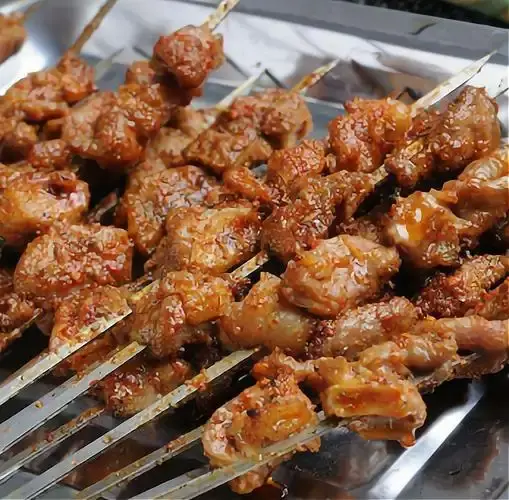
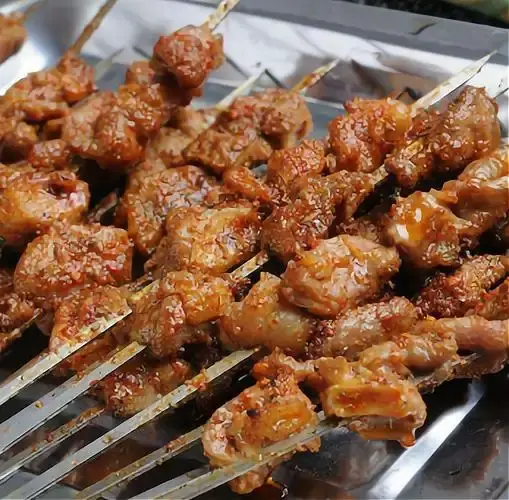
The food is the heart of Corban. Families roast whole lambs, boil sheep heads, and lay out plates of naan, polo rice, and fresh fruit. In Kashgar I was pulled into a courtyard by a grandfather who refused to let me leave unfed, and the plate in front of me held more meat than I could finish.
Sweets move freely during these three days. Children hand out wrapped candies in the street, and neighbors drop bags of dried fruit at your door without waiting for thanks. The generosity is constant, and it is the part of Corban that stays with you longest after you leave.
The table itself is a lesson in sharing. Polo rice comes piled with carrots and raisins, hand pulled noodles sit beside boiled sheep liver, and the roasted lamb arrives crisp at the edge and tender at the bone. Nobody eats alone. A plate is pushed toward you the moment you sit, and an empty plate is taken as a sign to bring more.
If you want to understand the everyday food culture behind these feasts, our page on halal dining explains what you will find on normal days across the region, from Urumqi noodle houses to Kashgar kebab stalls.
What Stays Open and How to Dress
Not everything shuts. Major attractions in Kashgar and Turpan often stay open, and some even run special hours for the holiday. The Id Kah Mosque area stays busy with visitors, and the city’s main squares stay lit late into the night.
Big supermarkets in Urumqi and the regional capitals usually keep at least limited hours. In small towns the pattern is less predictable, so stock water and snacks whenever you see a store that is open. Dress modestly near mosques and family gatherings, with shoulders and knees covered, and you will feel welcome everywhere you go.
Petrol stations inside the big cities keep normal hours, which is another reason to refill before you leave Urumqi or Kashgar. Once you are on the long roads to Ili or Khorgos, the gaps widen and the holiday tightens them further. I treated the city edge as my last sure chance to fill up before the quiet country set in.
A Note on Photography and Respect
Ask before you photograph people, especially during prayer and the sacrifice. Most families in Kashgar are happy to share a moment if you smile and point to your camera first. The old city is a living neighborhood, not a stage, and a little courtesy opens far more doors than a long lens.
Corban Versus Ramadan, Side by Side
The two festivals sit close on the calendar but feel opposite. Ramadan asks for daytime restraint, empty streets at noon, and night markets that glow after sunset. Corban asks for daytime celebration, full tables, and open roads jammed with relatives driving home to visit elders.
I spent parts of both in Xinjiang and I recommend seeing Corban if you can. The warmth is hard to find anywhere else in a year of travel, and the region shows a side of itself that guidebooks rarely capture. Our notes on Nowruz celebrations cover another side of the same hospitality, this one in spring around the Ili grasslands.
How I Would Plan the Next One
If I drove Corban again, I would arrive four days early and leave two days after. That window gives you the calm before, the peak, and the slow wind down without fighting the worst of the transport crush. I would also pre book every hotel and keep cash in three separate places so a closed bank could not stall me.
I would build a loop rather than a straight line. Kashgar makes a strong base, with the southern road to Hotan and the northern road through Aksu both worth a few days. The festival is not a reason to skip Xinjiang. It is a reason to go, as long as you treat the three days with respect and a full fuel tank. Drive slow, eat often, and let the region show you its most generous version.
A southern loop works well. Kashgar to Tashkurgan is about 300 km of high road, and the run down to Hotan adds another stretch of desert driving worth two nights. I would keep each day under 400 km so the festival, not the odometer, sets the pace, and I would leave one open day with no plan at all for the invites that always appear.