

After Dark on the Silk Road: Live Music, Bars and Night Markets of Xinjiang
Urumqi After Midnight: Basements, Bands and Muqam Fusion
The first time I went looking for a band in Urumqi I walked straight past the door three times. It was a steel stairwell off Renmin Road, painted the same grey as the apartment block above it, with a hand-written sign in faded Latin letters and a bass line you could feel through the concrete. That is the whole trick of this city’s live music: it lives below ground, in basements that double as rehearsal rooms, and you only find them by following the sound.
Urumqi does not do rooftop bars the way coastal cities do. What it does is muqam fusion in rooms that hold maybe sixty people, where a dutar player and a synth pedal share the same amp. I caught a set last spring at a basement near Hongshan where the group opened with a twelve-beat muqam cycle, then dropped into a blues riff so smoothly I forgot the two had any business meeting. The singer switched between Uyghur and Mandarin without missing a phrase, and the bassist grinned like he knew exactly what he had just pulled off.
Where the Music Hides
Most of the basements cluster in two strips. The first runs along Renmin Road and the back streets behind the big department stores, where you get the student-and-musician crowds and the cheapest cans of Wusu Beer at ¥8 a pop. The second sits down near the riverside developments south of the centre, pricier and quieter, where the acts lean jazz and the pints run ¥35 to ¥45.
If you want the loud stuff, go north. If you want to actually hear the words, drift south toward the river. I keep a running note of live muqam venues for exactly this reason, because the good rooms change names and locations every year or two and you cannot rely on a map app to find them. Ask the bartender what is on the next night. In Urumqi the bartender is the promoter, the sound guy and often the bassist.
What a Night Costs
A realistic budget for one person out until 2am runs like this: ¥18 to ¥30 for entry where there is any, ¥8 to ¥12 for a local beer in the cheap basements, and ¥30 to ¥45 for a craft pint or a whisky soda in a lounge. Food at the bar, if you order it, adds another ¥40 to ¥70. Spirits by the bottle are a different economy entirely.
A 750ml bottle of local baijiu shared among four people might run ¥120, while a decent imported whisky starts around ¥280 and climbs fast from there. I rarely bother with the bottle. The bands are the point, and the cheap beer is honest. On a good night I leave with ¥120 gone, my ears ringing, and a phone full of blurry photos of a guitarist I will never see again.
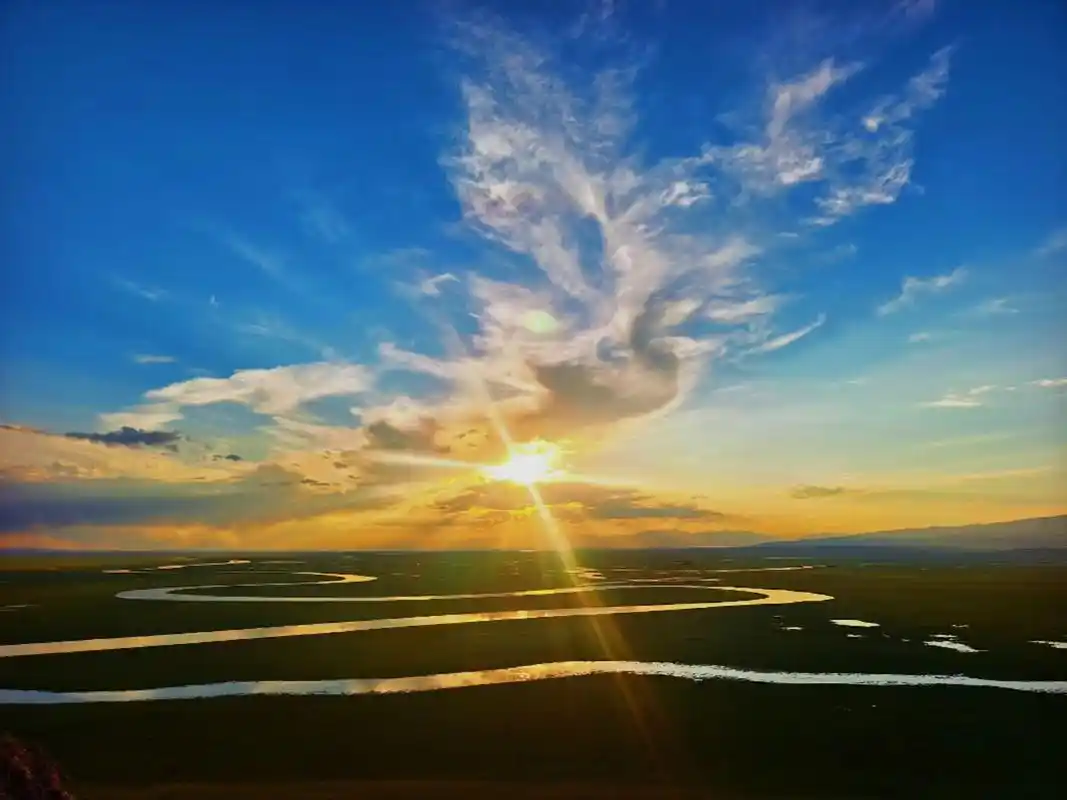
Kashgar’s Night Bazaar: Sizzle Past Midnight
Kashgar is the city that taught me the word late means something different out west. The night bazaar around the old town does not wind down at midnight. It ignites around ten, peaks at one in the morning, and by two the charcoal stalls are still slapping skewers onto the grate with a rhythm that sounds like rain on a tin roof.
I rolled in around 11:30pm on a Tuesday, which I had wrongly assumed would be quiet, and found the alleys packed shoulder to shoulder. The sizzle of chuanr over open coals is the soundtrack of Kashgar after dark, and the smell is a mix of cumin, mutton fat and smoke that gets into your jacket and stays there. A skewer of lamb is ¥3 to ¥5. A plate of naan fresh off the dome is ¥4, and a cup of milky tea is ¥2 if the vendor refills it when you catch his eye.
Food First, Then the Streets
Eat before you drink in Kashgar, because the drinking here is social and slow, not bar-based. You buy a can of beer from a corner shop for ¥6 to ¥10, then wander the stalls with it in your hand. Nobody minds. The music is live but unplugged: tambur players sit on low stools outside the carpet shops, and a circle forms without anyone organising it.
I once stood in a half-circle of strangers for forty minutes listening to a single musician work through a set of folk tunes, passing a warm bottle of beer around like it was a talking stick. If you want the staged version, the folk music and dance traditions of the region get a proper show at a few restaurants near the Id Kah area, where for ¥80 to ¥150 a head you get a floor show, a long table and endless tea. It is tourist-facing but the music is real and the dancers are locals, not performers flown in for the season.
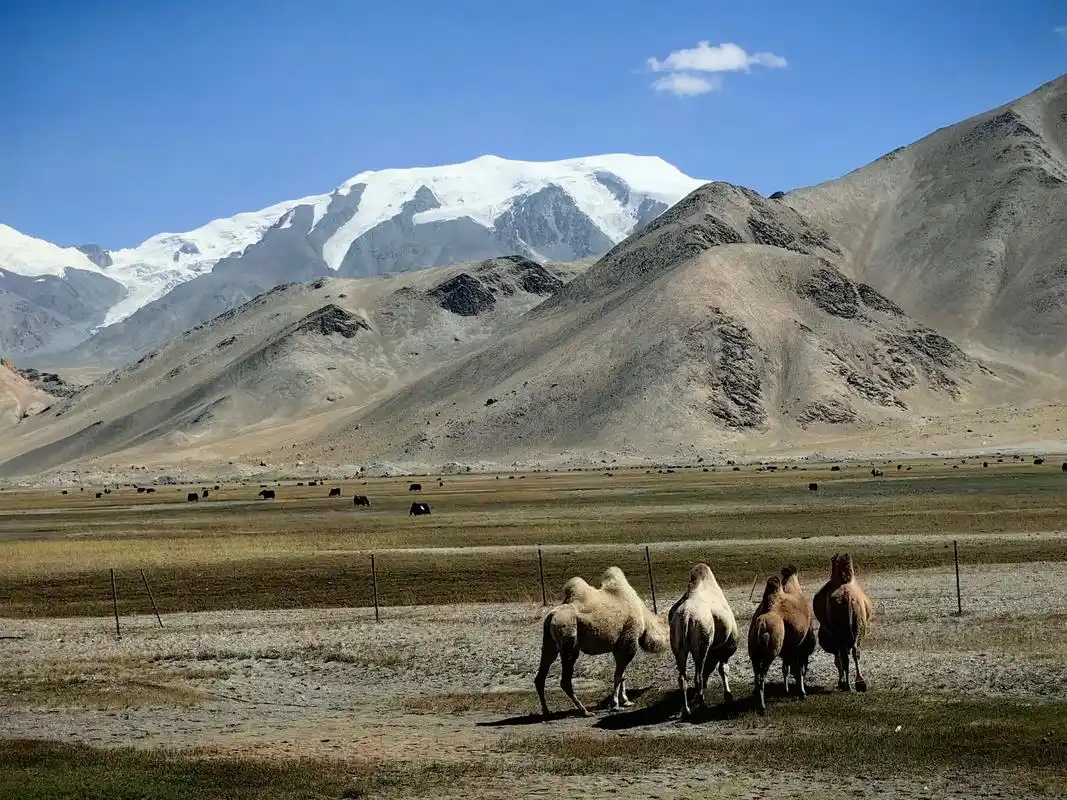
Yining and the Ili Valley: Craft Beer and Wine Bars
Yining surprised me more than anywhere on this trip. I went expecting a quiet border town and found a small craft-beer scene that would not be out of place in a mid-sized European city. The reason is the Ili Valley itself: it grows grapes, hops and wheat, and the people here have been making wine since long before the word cottage got attached to the industry.
The bars sit mostly along the tree-lined streets near the river and around the Russian-style block by the old consulate district. I found a place doing a hazy IPA at ¥38 a pint and a sour made with local wild apples for ¥42. Local Ili red wine by the glass was ¥28, and a bottle of a decent estate label ran ¥160 to ¥220. These are not bargain prices by Xinjiang standards, but they are fair for what is in the glass, and the bartenders here actually know what they are pouring.
A Pint in the Wine Country
Spend a day out in the vineyards and the evening tastes better. The valley’s wineries, many of them an hour’s drive from Yining, pour tastings that start around ¥50 for three small glasses and climb to ¥120 if you want the reserve pours. Back in town the wine bars stay open until midnight on weekdays and 1am on weekends, later still in the height of summer. A good move is to do an early tasting at a downtown cafe or wine bar, then walk the night market for food, then end at a beer garden with the locals.
Yining’s night market is smaller than Kashgar’s but cleaner and brighter, and the night markets and street food here lean sweet: grilled corn at ¥5 a cob, fruit skewers dusted with chilli, and a fermented yogurt drink I could not get enough of at ¥6 a cup. I sat on a plastic stool for an hour one night just watching the apple sellers haggle, beer in one hand, and decided this was the most relaxed I had been in weeks.
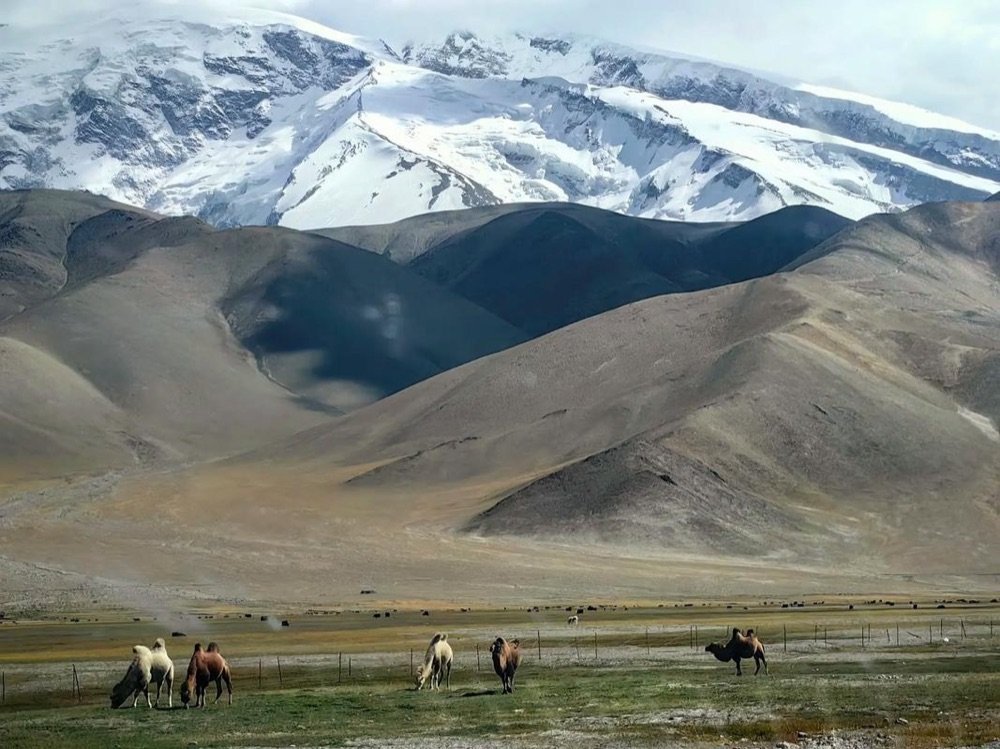
Karamay: Oil-Town Lounges and Quiet Nights
Karamay is the odd one out, a city built on oil and ordered by the grid of the industry that made it. Its nights are calmer, the bars fewer, and the mood more lounge than live band. I liked it precisely for that. After two weeks of bazaars and basements, a quiet booth with a single musician on a keyboard felt like a small gift.
The lounges cluster along the main avenues near the city centre, and most open at 8pm and close around 2am. A pint of draft beer is ¥20 to ¥30. A cocktail runs ¥45 to ¥68, which is steep for this part of the world but the venues are comfortable and the staff speak better English than almost anywhere else I visited. Karamay gets a lot of business travellers, and the bars are built for conversation, not chaos.
If you want a live act, ask about the weekend nights. A few lounges bring in a singer from Urumqi or a folk duo from the north, and the cover is usually folded into the price of your first drink. I caught a Friday set there where a woman sang Kazakh folk songs over a soft electric piano, and the whole room went quiet in a way that never happens in a basement. That silence was worth the ¥60 cocktail.
Etiquette, Hours and Getting Back to Your Hotel
A few habits will make your nights smoother. Tipping is not expected in Xinjiang bars, though rounding up the bill by a few yuan is appreciated and common. When someone offers to buy you a drink, the right move is to accept once and buy the next round back. Refusal reads as cold, not polite.
Photography of performers is fine if you ask first and tip the hat, but do not film whole sets without permission. Groups of men at neighbouring tables will often wave you over for a shot of baijiu. One shot is polite. Three is a commitment you may regret by the drive home. Keep your voice down in the quiet lounges and your laughter loud in the bazaars, and you will fit in everywhere.
Staying Safe on the Ride Home
Getting home is the part most travel writing skips, and it is the part that matters most when you are alone in a strange city at 2am. In Urumqi and Karamay the ride-hailing apps work the same as in any Chinese city, and a cross-town trip from a bar district to your hotel runs ¥15 to ¥35 depending on distance and the hour. In Kashgar and Yining the apps thin out late at night, so I book the return ride before I leave the venue, or I note the card of a licensed taxi from the rank outside the big hotels.
Walk back only in the bright, busy core. The quiet side streets are safe but confusing after dark, and a lost foreigner at 3am is an easy target for the wrong kind of attention. I have never felt threatened in any of these cities, and I have walked out of basements, bazaars and lounges in all four alone. The real risks are small and boring: a dead phone, a closed gate at the guesthouse, a driver who does not read your hotel’s English name.
Solve those before you drink. Keep the hotel’s name written in characters on a card in your pocket, charge your phone to full, and tell the bar staff which way you are headed. They watch out for their regulars, and a solo traveller who shows up two nights running becomes a regular faster than you would think. Drink water between rounds, because the dry air hides how much you have had, and the altitude in some of these towns sits above 800 metres.
The best night out I had in Xinjiang ended not with a blackout but with a slow walk back through a sleeping Kashgar, a warm skewer in one hand and the smell of cumin still on my shirt. I stopped on a bridge over the dry riverbed and listened to a distant dutar, already planning the next one. That is the whole point of going out here. You do not go to be seen. You go to hear something you cannot hear anywhere else, and then you find your own way home.