
Traveling Xinjiang During Golden Week and National Holidays: What Foreign Drivers Should Expect
When I first planned a Xinjiang road trip, I assumed the empty desert highways would feel the same in October as they did in June. They do not. China’s national holidays turn this region into one of the busiest travel corridors in the country, and a foreigner behind the wheel feels the change fast. I have now driven the region through three Golden Weeks and one Spring Festival, and each trip taught me a new way to get caught out. This is the conversation I wish someone had with me before my first holiday drive.
The Holiday Calendar That Changes Everything
China runs on a handful of fixed national holidays, and three of them matter most for anyone plotting a self-drive route. National Day Golden Week runs October 1 to 7. Spring Festival shifts with the lunar calendar but usually lands in late January or February and stretches across a week or more. May Day, at the start of May, is shorter but still pulls enormous crowds onto the roads.
The pattern is predictable once you have seen it. Millions of domestic travelers pick the same seven days, the same scenic lakes, and the same mountain parks. If you want to understand the broad rhythm of the year before you book, my best time to visit Xinjiang piece lays out which months stay calm and which explode.
Why Xinjiang Feels It More Than Other Provinces
Xinjiang is enormous, but the headline sites cluster along a few roads. Kanas in the far north, Sayram Lake near the Kazakhstan border, the Turpan oasis belt, and the Kashgar old town in the west all sit hours apart yet absorb the same holiday crowd. When the whole country drives at once, those few parking lots and guesthouses take the full hit.
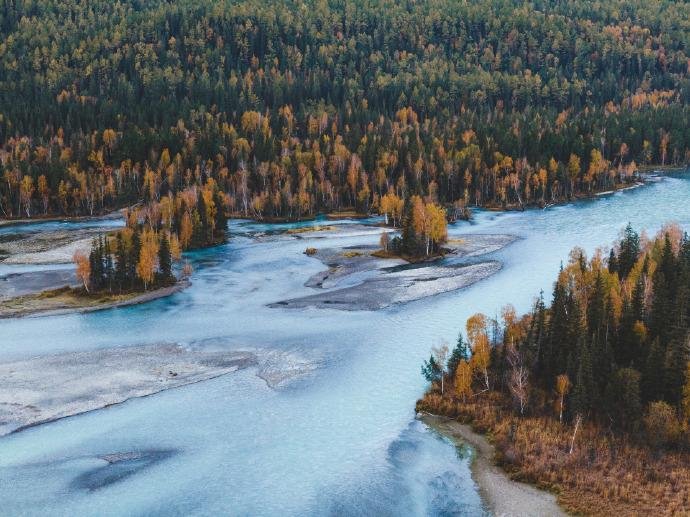
I check the Xinjiang weather month by month breakdown constantly, not just for temperature but to see which holiday lands in which season. Golden Week in early October brings cold nights and golden birch forests up north, which is exactly why everyone wants to be there that week.
What Actually Happens on the Road
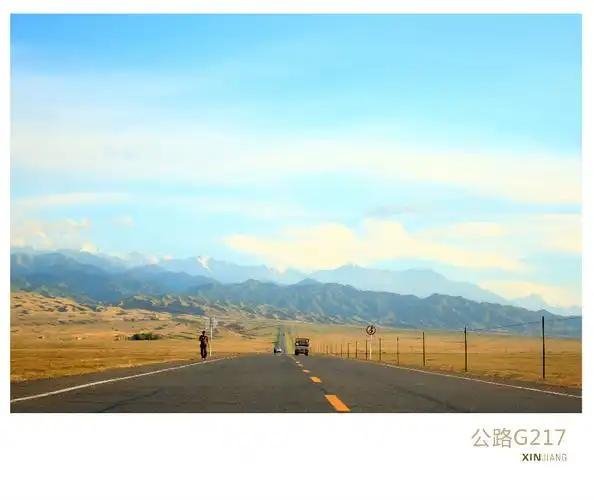
The first thing you notice is traffic on roads that felt private a month earlier. The G217 Dushanzi to Kuqa stretch, the highway up to Karakoram, and the ring road around Sayram Lake all develop slow-moving queues by late morning. Scenic parking fills early. At Kanas, the main lot is often full before 10 a.m., and rangers then turn cars away until something leaves.
Restaurants tell the same story. A noodle shop that served me in five minutes in April had a 40-minute wait in October, and the cook was out of half the menu by mid-afternoon. Small towns simply are not built for a tenfold jump in visitors.
Checkpoints and Fuel Stations
As a foreign driver you already pass police checkpoints on a normal day. During holidays the stops get longer because every vehicle is inspected and the lines back up. Carry your passport and driving permit in the glove box where you can reach them without stepping out.
Fuel is the quieter risk. Stations near popular lakes and passes develop queues of twenty cars or more, and some close for cleaning or shift changes at awkward times. I now roll into a station at half a tank instead of a quarter, because waiting behind a tour bus on a cold evening is no fun.
The Hotel Problem, and the Numbers
This is where holidays bite hardest. Rooms do not just sell out, they reprice. A guesthouse in Yining that charged me ¥280 a night in June wanted ¥900 during Golden Week. In Kashgar a clean mid-range hotel I booked for ¥360 jumped to around ¥1,100. These are typical ranges I saw across two trips, not fixed quotes, so verify for your own dates.
The fix is lead time. For holiday travel I book two to three months ahead, and even then the good-value places disappear first. The how much a Xinjiang trip actually costs guide gives the off-season baselines so you can spot when a rate has tripled.
When you miss the window, you feel it. On one October trip I watched the last room in a small Turpan town go for ¥1,400, three times the spring price, and the couple behind me in line got nothing. Sleeping in the car is legal at rest stops but miserable in below-freezing nights, so I treat booking as the single most important task of holiday planning.
A Night I Would Rather Forget
My worst holiday memory is from Sayram Lake during National Day. I arrived around noon thinking I could loop the lake and find a room in a nearby town by evening. The loop road was jammed with sightseeing vans moving at a crawl, and every guesthouse sign from the lake to the next county read “full.” By 8 p.m. I was down to a single bar of phone battery, parked at a dark fuel station, eating cold flatbread and wondering why I had not built a buffer day.
The lesson stuck. Holiday Xinjiang does not forgive a tight schedule. A two-hour drive can become six, a planned overnight can vanish, and the pretty plan on your phone stops matching the road in front of you.
Tactics That Actually Work
The single best move is to avoid the first three days of any holiday. October 1 to 3 is when the country moves, and by October 4 the panic eases slightly as some families head home. If your dates are fixed, at least keep those opening days for low-key driving between small towns rather than a marquee sight.
Mid-week travel helps too. Within a holiday week, Tuesday and Wednesday are calmer than the surrounding weekend-feeling days, because domestic trips often run Friday to Monday. I shift my big drives to those middle days and use the busy edges for rest.
Build buffer days into the plan. I now leave one completely unscheduled day in every week of holiday travel. If a checkpoint line eats three hours or a room falls through, the slack absorbs it instead of cascading into the next booking.
Carry your own water and food. Not as a prepper habit but because roadside restaurants run dry of basics by afternoon. I keep a box of bottled water, some fruit, and sealed snacks in the trunk. On the Sayram night, that box was the only dinner I had.
Before you leave home, read the first-time Xinjiang travel tips so the checkpoint routine and permit rules are already familiar. Holiday stress is worse when the basics are still new to you.
Booking and Buffer Days in Practice
I book the first and last night of a holiday trip at cancelable rates, then fill the middle as I go. This gives a fixed anchor at both ends while leaving room to dodge crowds. It also means if a town is full, I can simply drive two hours further rather than panic.
Cash still matters in remote counties. Holiday card machines lag or drop offline, and a stack of small notes has gotten me a room and a meal when the terminal would not cooperate.
Start drives before sunrise when you can. The roads around Turpan and the Ili valley are nearly empty at 6 a.m., and you reach the marquee sight well before the tour buses that leave Kashgar and Urumqi around nine. I treat the early start as free time rather than lost sleep, because it turns a stressful day into a relaxed one.
Shoulder Season Is Your Friend
If your calendar allows any flexibility, skip the holidays entirely. Late September, before Golden Week starts, gives you the same golden forests with a fraction of the cars. April brings blooming apricot orchards around Turpan with empty roads. Early June, before summer heat and the July school break, is calm and green across Ili.
The planning a first Xinjiang trip guide walks through building a route around these quieter windows, which I think is the smartest play for a foreign self-driver who values open road over crowd energy.
Daily Entry Caps to Know
Some headline attractions cap how many visitors they admit each day. Kanas and a few lakes run timed or limited entry during peak periods, and once the cap is hit, no amount of waiting gets you in. Check the official booking app for the specific site a day ahead, and buy any required ticket online rather than assuming you can pay at the gate.
This is another reason buffer days pay off. If a cap blocks your first choice, you pivot to a backup sight without losing the trip.
Rentals, Permits, and the Foreign Driver
Holiday demand also hits the rental fleet. International agencies in Urumqi run thin on SUVs by late September, and prices climb the way hotel rates do. On my second October trip I booked a 4×4 three months out and still paid roughly ¥550 a day against the ¥320 off-season rate I had seen in spring. Reserve early and confirm the foreign driving permit paperwork before you fly, because rental desks get slower when queues build and a missing document can cost you the whole booking.
Why a Local SIM and Offline Maps Matter More in Holidays
Cell coverage drops on the mountain passes, and holiday crowds make live traffic data useless when everyone follows the same app route. I download offline maps for the whole region before leaving Urumqi and keep a paper note of town names and distances. When the Sayram road snarled, the offline map showed me a quieter county road that the live app never suggested, and it saved three hours.
None of this replaces common sense. If a high pass closes for early snow, the holiday crowd does not make it open sooner, so I always check road status at a fuel station or police post before committing to a long afternoon drive. The same goes for the Dushanzi to Kuqa highway, which I have seen shut for weather on a cold October morning when the tourist cars simply waited at the gate.
What I Would Tell a Friend
Driving Xinjiang during a national holiday is not impossible, but it rewards preparation and punishes rigidity. Book rooms early and expect to pay two or three times the spring rate. Avoid the opening days, carry your own food and water, and treat your schedule as a suggestion rather than a contract.
Most of all, lower the expectation of solitude. The trade you make for holiday travel is shared viewpoints and long lines in exchange for the energy of a country on the move. If you want the empty highways and silent deserts, come in the shoulder weeks instead. Either way, the region is worth the planning, and the planning is exactly what keeps a holiday trip from turning into my Sayram Lake night all over again.
Karl Huang drove these routes across Xinjiang between 2019 and 2026. He updates guides when road conditions, prices, or permit rules change. You can reach him through the Contact page.