
Road-Tripping Xinjiang with a Baby or Toddler: What Actually Works
People told us we were insane to drive across Xinjiang with a nine-month-old. We did it anyway, and last summer we took the same kid, now two, on a 2,100-km loop from Urumqi down to Kashgar. The truth is messier and more doable than the horror stories suggest. You will not sleep as much as you want, and you will stop far more often than the road-trip blogs imply. But a baby in the back seat changes your rhythm in a way that actually makes the desert easier to see, because you are forced to slow down and notice the small towns instead of blowing past them at 120 km/h.
Why a self-drive still works with a baby
Renting a car gives you control that no tour bus ever will. When our daughter melted down at 11 a.m. somewhere between Korla and Aksu, we simply pulled into a shaded rest area, changed her, and let her nap in the back while we ate naan and tomatoes bought that morning. On a fixed itinerary you cannot do that. The driver eats when the baby eats, and that is fine.
The distances are the real issue, not the baby. County seats are often 150 to 300 km apart, and in the Taklamakan’s southern belt the gaps stretch longer. We learned to treat every leg as a three-stop affair rather than a point-to-point sprint. The road from Kuqa to Kashgar alone is about 700 km, which with a toddler became a full day with two proper breaks and a long lunch.
Having the car also meant we could carry the ugly amount of stuff a baby requires without begging a taxi trunk to close. Stroller, cooler, spare clothes for three days, the sterilizer, the muslin mountain. None of that fits a bus.
Car seats: bring your own if you fly in
China does not have a strict national enforcement habit for child restraint use the way Germany or the US does, and many local rental agencies will shrug and hand you a car with no seat at all. Do not count on finding a good one on arrival. We flew into Urumqi with our own rear-facing seat, checked as bulky baggage for ¥200 each way on the international carrier.
If you must rent, book through a major agency in Urumqi and confirm the seat model by phone, not just the website checkbox. Even then, inspect the buckle and the harness length yourself. A loose or ancient seat is worse than a careful lap hold on a quiet mountain road. For detailed legit options, read our guide to car seats for driving in Xinjiang.
What the law actually says
Several provinces have rules requiring child restraints for kids under a certain height, and Xinjiang has followed that trend in urban areas, but enforcement on the open highway is patchy at best. The practical point is safety, not fines. At 120 km/h on the Dushanzi-Kuqa expressway, an unrestrained toddler becomes a projectile. We kept our daughter buckled even for the five-minute run into a village, because the habit is what keeps everyone calm.
The daily rhythm across long desert drives
We planned a stop every two to three hours, no exceptions. That meant leaving Urumqi at 7 a.m. before the heat, driving until 9:30, then a 40-minute break at a service area with shade. By midday in July the dashboard read 41°C outside, and the car’s interior hit that fast if left in the sun for even ten minutes.
Shade is your religion in summer. We carried a clip-on window shade for the rear door and a small battery fan that ran off a power bank. At rest areas we parked the nose into the sun and the back door into whatever shadow existed, then opened both front windows a crack for airflow while she slept. The difference between a 60°C cabin and a 40°C cabin is the difference between a screaming child and a napping one.
Heat management for a baby is not optional. Under-three bodies cannot regulate temperature the way ours do. We kept a damp muslin cloth on her neck at stops and offered water from a sippy cup constantly once she was past a year. Below six months, breast or formula only, more often than you think. We stopped offering solids during the hottest window and fed her at the cooler ends of the day.
Winter flips the problem. In January the Taklamakan fringe dropped to minus 18°C at night, and a sleeping baby in a cold car is a different worry. We ran the heater at rest stops and kept her in a snowsuit rather than a bulky coat under the harness, which would have left the straps loose.
What to pack that you cannot buy easily
Formula and specific brands of baby food are the items to stock before you leave a big city. Urumqi and Kashgar have well-stocked supermarkets, but a German brand of hypoallergenic formula vanished from shelves the moment we left the provincial capital. Bring at least a week’s surplus, because the next reliable source might be 500 km away.
Diapers were never a problem. Local brands are cheap and fine, roughly ¥40 for a pack of 50 at a Yining hypermarket, and we topped up every few days. Baby wipes, on the other hand, we wished we had bought in bulk; the desert eats through them, and the small roadside packs cost double the city price.
Pack a proper first-aid kit aimed at kids: infant fever medicine, oral rehydration salts, a digital thermometer, and a small pair of tweezers for the thorns that find toddler feet. Pharmacies in city centers stock all of it, but the village shop will not.
Sterilizing without a kitchen
We carried a foldable silicone bottle sterilizer that works with boiling water from any thermos, plus a small UV wand for quick jobs. Most hotels gave us a kettle, and at paid campsites near Sayram Lake we boiled water on the gas stove. Sterilizing tablets are the lightest backup and cost about ¥25 a box in Urumqi pharmacies. On the Pamir we sterilized with tablets only, since the guesthouse kettle was sketchy.
Finding baby supplies in the cities
Urumqi’s big chain supermarkets and the Kashgar international bazaar area both had formula, jars of fruit puree, and teething biscuits. Yining and Korla surprised us with decent baby aisles too. The trouble starts past the county seats: a tiny shop in a Pamir village sold us plain yogurt and that was about it.
Our rule was to refill the supply box whenever we hit a city of any size. Even a modest town like Aksu had a pharmacy with fever medicine measured for infants, which we needed at 2 a.m. when a tooth came through. We paid ¥28 for the medicine and were grateful the pharmacist spoke enough Mandarin-English to point at the right box.
Altitude caution with very young children
The Pamir plateau towns sit around 3,000 to 3,600 meters. Pediatric advice we got in Urumqi was blunt: avoid sleeping above 3,000 meters with a child under one, and watch any toddler for headache, refusal to eat, or unusual sleepiness. We took our two-year-old to Karakul Lake at 3,600 meters for a day trip only, then dropped back to Kashgar at 1,300 meters to sleep.
Adults feel altitude differently than kids. Our daughter got cranky and stopped eating at the lake; we turned around within three hours. That caution probably saved a miserable night. If you are unsure about routes that climb high, compare notes with our kid-friendly Xinjiang routes before committing. The Karakoram highway north of Kashgar is spectacular but not a place to gamble with a baby’s lungs.
Healthcare access and peace of mind
Every prefecture-level city has a hospital with a pediatric ward. Urumqi, Kashgar, Yining, and Hotan all handled minor cases competently. We carried a written list of our daughter’s allergies and a digital copy of her vaccination record on the phone, plus ¥2,000 in cash for any upfront payment since rural clinics sometimes prefer it and card machines fail.
For real emergencies the road is long, so we bought travel insurance that covered air evacuation. It cost ¥180 for the three of us for two weeks through a Chinese provider, and the policy number went on a sticky note on the dashboard. We never needed it, but the night our daughter spiked a fever in a Turpan hotel, knowing the number by heart kept us steady.
Choosing baby-friendly stops
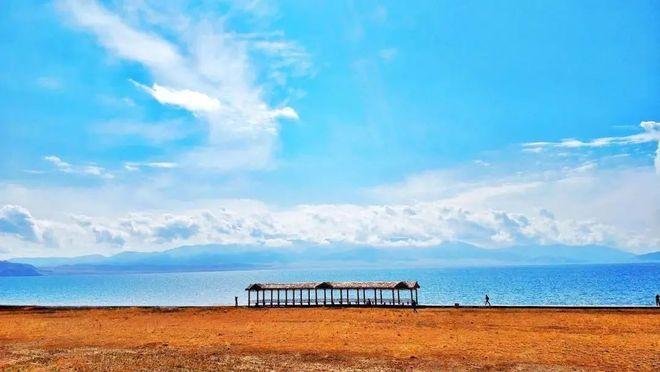
Lakeside towns beat inland cities for a toddler. Sayram Lake has flat, short walks along the shore where a two-year-old can toddle between rocks, and the breeze keeps bugs down. Bosten Lake near Korla offered the same gentle pace with reed beds to point at. Both had paid sites with shade and a toilet, which matters more than the view when you are changing a diaper.
We skipped the long canyon hikes and the steep Kanas boardwalks with the nine-month-old, then returned at two when she could manage a 20-minute walk on her own legs. Match the stop to the age, not the other way around. A two-hour drive to a viewpoint you cannot reach with a stroller is a waste of everyone’s afternoon.
For parents planning further out, our family travel tips for 2026 cover the gear and timing that worked across both trips, including which months the mosquitoes at the lakes are survivable.
Hotels, cribs, and the night shift
Mid-range hotels in the cities usually had a spare bed we could push against the wall as a makeshift barrier, but real cribs were rare outside Urumqi and Kashgar. We traveled with a inflatable toddler cot that weighed 3 kg and packed to the size of a loaf of bread. At ¥260 a night in a Korla business hotel we got a clean room, a kettle, and space to set it up.
Night feeding on the road meant keeping a thermos of boiled water and a pre-measured formula pot by the bed. The blackout curtains in Chinese hotels are excellent, which helped the baby sleep past 6 a.m. for once. We booked rooms with the car park visible from the window so we could load at dawn without waking her.
One drive we still talk about
On the third day out of Kashgar, our daughter screamed for forty straight minutes near Upal, a small town west of the city. Nothing worked until we pulled off at a roadside orchard, bought a ¥10 melon, and let her mash it with both hands in the grass while we sat in the shade. She fell asleep with melon in her hair. That unscheduled hour became the best memory of the trip, and the owner waved us off with a grin and a free pear.
If you are weighing this against traveling alone or with animals instead, the logistics differ a lot. Our piece on self-driving with pets shows the parallel challenges, and the real solo travel safety tips are worth a read even for a family, because road awareness keeps everyone safer on those empty southern highways.
Timing the trip around the baby
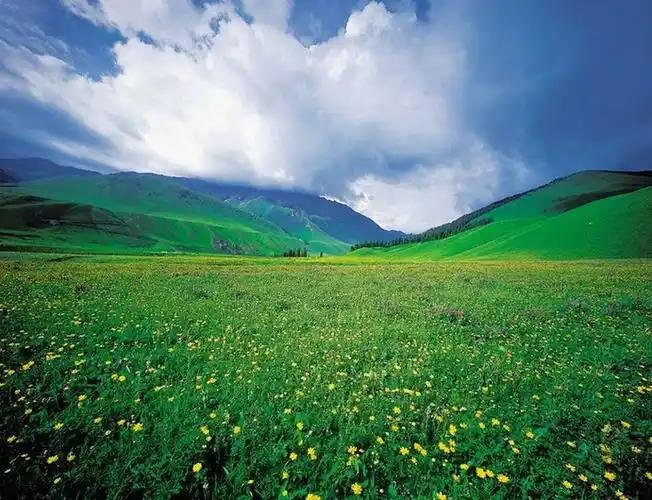
We chose late May and again early September, skipping July’s 40°C crush and the winter freeze. Spring meant blooming orchards around Yining and tolerable midday heat around 25°C, which let the toddler play outside at stops. Autumn brought crisp mornings and empty sites at Sayram Lake, though nights dropped to 8°C so we bundled her well.
School-holiday July and August are busiest and hottest, and the crowds at Karakul Lake made the altitude stop harder with a fussy child. If your dates are fixed to summer, drive the cool hours and treat noon as a hotel-rest time, not a sightseeing time.
Practical numbers to budget around
Round up these figures for a two-week baby trip: car rental with the seat issue solved by bringing your own, about ¥350 per day for a compact SUV; diapers and wipes ¥400 total; formula surplus ¥300; insurance ¥180; the inflatable cot ¥220 if you buy one; and a generous ¥1,500 for hotels that had cribs or at least a spare bed. Fuel across 2,100 km ran us roughly ¥1,200 at summer prices, and tolls on the expressways added about ¥400.
None of this is cheap, but the alternative, a guided tour that ignores nap time, costs more and delivers less. Drive your own, pack the ugly muslin cloths, and stop for every melon. The baby will remember none of it, which is exactly why you get to decide the pace.
Karl Huang drove these routes across Xinjiang between 2019 and 2026. He updates guides when road conditions, prices, or permit rules change. You can reach him through the Contact page.