
Staying Hydrated on a Xinjiang Road Trip: Where to Refill, Treat and Buy Water
The Desert Will Dehydrate You Faster Than You Expect
I learned this the hard way on my second day in the Taklamakan. The thermometer in the car read 41°C, I had finished my 1.5-litre bottle by mid-morning, and the next town with a shop was 90 km away. That is the basic math of a Xinjiang road trip: it is dry, it is hot for half the year, and services are spaced for people who planned ahead. This guide is the plan I wish I had.
Xinjiang’s climate is continental to the point of being cartoonish. In Turpan and the Tarim basin, summer humidity can drop below 20 percent, and you lose water through sweat and breath without ever feeling drenched. Winter is the opposite problem: heated rooms and cold dry air parch you just as badly, and you feel less thirsty so you drink less. Either way, a foreign driver who treats water as an afterthought ends up with a headache, a short temper, and a raised heart rate that mimics altitude sickness.
My Second Morning Out of Turpan
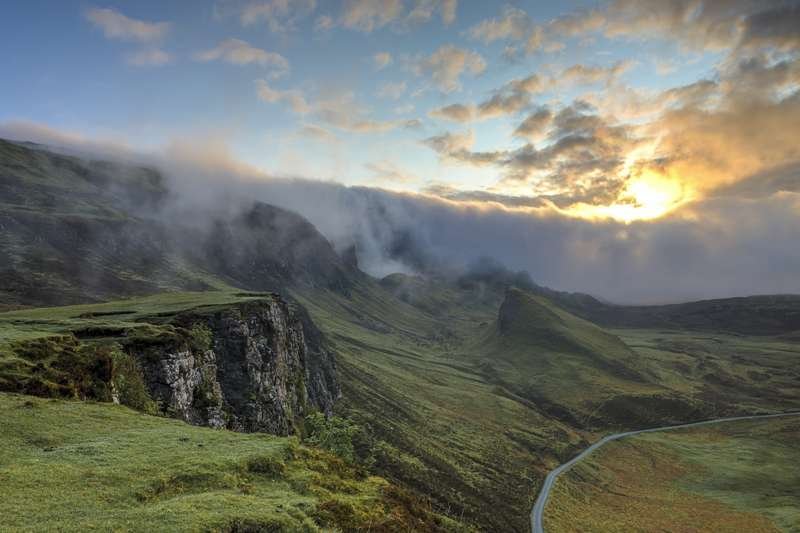
I left Turpan at seven in the morning in late June, thinking the early start would beat the heat. The vineyards were still in shadow and the air felt almost cool. I had a single 500 ml bottle from the hotel and a vague plan to buy more in the next town. There was no next town worth the name for 70 km, and by nine the road was a pale ribbon of heat shimmer with the temperature already past 33°C.
What surprised me was not the thirst, it was how little I noticed it. I felt fine, a bit bright-eyed, slightly impatient with the music. Then I pulled over at a dusty pull-off to photograph the Flaming Mountains and stood up too fast. The world tilted. My pulse was hammering in my ears and I had to sit on the warm bonnet for ten minutes with my eyes shut. That was dehydration, not drama. I had lost roughly two litres of water and felt nothing until my body forced the issue. From that day I stopped trusting how I felt and started trusting the bottle count.
How Much, and in What Form
A reasonable rule for summer driving is 3 to 4 litres per person per day, more if you are hiking or the car lacks good air conditioning. I carry a 10-litre collapsible tank in the boot topped with safe water, plus two personal bottles I keep refilling. The tank is for emergencies and for washing fruit; the bottles are for drinking. Do not rely on buying as you go in the remote west, because some stretches, the G315 between Qiemo and Golmud for instance, have long gaps with no services at all, a point the Taklamakan desert guides keep repeating for good reason.
I found the 3 to 4 litre figure held up on ordinary driving days but fell apart the moment I left the car. A short walk around the ruins at Jiaohe, an hour of slow wandering in 38°C, cost me another litre I had not budgeted. Climbing any of the low red hills near Turpan in summer can push your need toward 5 litres before the sun is overhead. I now pack for the walk I might take, not just the kilometres I will drive.
Salt, Tea, and the Uyghur Way
For the actual drinking, plain water gets boring and you stop drinking it. I mix in electrolyte tablets, the kind you can buy in any Chinese pharmacy for a few yuan, and I keep a thermos of weak sweet tea for the long empty roads. The Uyghur habit of sipping milk tea through the day is not just culture, it is sensible hydration with a little salt and fat.
I learned to make it the way a guesthouse owner in Aksu showed me: a spoon of loose black tea, hot water from the dispenser, and a pinch of salt, no sugar if the day is punishing. It tastes strange the first time and then it tastes like exactly what you need. On the road from Korla to Kuqa I drank more of that tea than water and arrived clear-headed instead of foggy.
Where to Refill
Tap water in Xinjiang’s cities is technically treated but not reliably safe to drink untreated, so I never fill a bottle straight from a hotel tap without filtering or boiling. The reliable refill points are these: large supermarkets and convenience stores, where you can buy 1.5 or 5-litre bottles cheaply; hotel and guesthouse lobbies, many of which have a hot-water dispenser you can use for tea and a cold one for topping up; and the service areas on the major expressways, which usually have both toilets and water. The service-area guide lists which ones are worth stopping at versus the ones that are just a car park.
One thing nobody told me: the best refill in a small town is often the big bottled-water shop near the bus station. In Hotan I paid 18 yuan for a 12-litre dispenser jug, heavier than I liked but enough for two days of driving and a night of camping. The clerk even let me keep the empty crate to rest it on in the boot.
What I Learned on the G315
The G315 from Qiemo toward Golmud is the stretch that humbled me. I had half a tank of water and a full tank of fuel and assumed that was balance. It is not. The road crosses the western Taklamakan with service gaps of 150 km or more, and the wind off the sand is dry enough to crack your lips in an afternoon. I rationed to 300 ml an hour and still ran low before the next stop. Now I treat that road as its own category: full 10-litre tank, two spare 1.5-litre bottles strapped in the footwell, and a hard rule that I will not start it below a third of my water.
The strange part is how the emptiness changes your head. With no towns and no shade the mind gets thin and a little dreamy, and you stop checking the gauge. I set a phone alarm now, one chime every ninety minutes, just to make myself drink. It feels silly until the alternative is standing in the sand at four in the afternoon wondering why the horizon is wobbling.
Buying Water on the Road
Prices are low by Western standards. A 1.5-litre bottle runs 2 to 4 yuan in a city shop and maybe 5 to 8 yuan at a remote truck stop. The 5-litre jugs are the best value for stocking the car. Avoid the mistake of buying a single small bottle at a tourist site, where the same water can cost 10 yuan; buy in town before you head out.
One practical note for electric and hybrid drivers: you will already be thinking about charging, and the same towns that have fast chargers tend to have big supermarkets. The EV charging guide and a water run can be the same stop. I plan both at once and save a detour.
A Forty-One Degree Day Near Qiemo
I want to describe one full day so the numbers feel real. I woke in Qiemo in early July with the car already warm at six thirty. I drank 500 ml before leaving, filled both cabin bottles, and topped the tank to full. By ten the dash read 39°C. By noon, parked at a shade-less overlook, it hit 41°C and I went through a whole 1.5-litre bottle in under two hours without leaving the driver’s seat. The air-conditioning helped but it also dried my skin and I kept reaching for more.
That day I drank close to 4.5 litres and still ended it with a mild headache, the kind that sits behind one eye. The lesson was not that I failed, it was that the old 3 litre rule is a floor, not a ceiling, once the temperature passes forty. I now add a litre of headroom for any day the forecast beats 38°C, and I keep one cold bottle buried in the footwell where the cabin heat cannot reach it. Cold water on a hot day is not a luxury, it is the one that actually gets drunk.
Treating Questionable Sources
If you must drink from an uncertain source, boil for one full minute, or use a certified filter plus a chemical for viruses. Giardia is rare but real in some rural supplies, and the last thing you want is a stomach bug two days from a pharmacy. Food hygiene is the other half of the same problem, and water is where most travellers cut the corner that costs them.
I also keep a few oral rehydration sachets in the first-aid kit. They turn a bad night into a manageable one. Combined with the sun protection routine, staying on top of water is the single biggest thing you can do to enjoy the region rather than survive it.
The Night I Got It Wrong
On a trip through the Tianshan foothills I filled a bottle from a mountain stream below a pasture, convinced that clear cold water up there had to be safe. It was not. Two days later, camped outside a village with no pharmacy closer than 60 km, I spent a wretched night and went through every sachet I owned. The filter I owned was rated for bacteria only and I had skipped the chlorine drops out of laziness. The fix was boring and effective: boil everything, rest a day, and accept the lost mileage. I have not trusted a stream since without the full treatment, drops and all.
Carrying Water in the Cold
In winter the issue flips. Bottles freeze in the boot, and a frozen 5-litre jug is dead weight. I keep one bottle inside the cabin where the heater reaches it, and I drink warm tea instead of cold water. Dehydration in cold weather is sneaky because you do not sweat visibly, yet the dry heated air pulls moisture from you all day. The same 3-litre target applies; you just meet it with tea and soup.
January in the Tianshan Foothills
I drove the road from Urumqi toward the Tianshan in January once, chasing snow and quiet. The outside temperature sat at minus 18°C and the cabin heater ran constantly, which meant the air inside was warm, dry, and thirsty in a way that felt like a different continent from the desert. I went through 3 litres of tea and soup that day and never once felt hot or sweaty. My lips cracked anyway. I learned to keep a 1-litre bottle between my feet on the dashboard, where the warm air from the vents kept it liquid, and to sip it the way I never would in summer, mechanically, on a timer.
The other cold lesson is weight and burst. A full 5-litre jug left in a frozen boot will split along the seam, and you lose the lot. I now travel with three 1.5-litre bottles instead of one big one in winter, so a freeze costs me a third at most and the spares stay inside the cabin. Small adjustments, but they are the difference between arriving with water and arriving with a puddle.
A Simple System That Works
Here is the routine I now follow without thinking. Top the 10-litre tank at every town with a supermarket. Keep two bottles in the cabin, one cold one hot. Drink a bottle between every two fuel stops. Refill the tank whenever it drops below half. That is it. The fuel-price guide tells you where to fill the car; this is how you fill the driver.
None of this is exotic. It is just the difference between a trip where you are cranky and sun-addled by noon and one where you actually remember the scenery. Xinjiang rewards people who prepare for its dryness, and the preparation starts with the most ordinary thing you can carry.
What Lives in My Boot Now
For the practical travellers, here is the kit I actually carry, not the idealised version. A 10-litre collapsible tank, about 45 yuan online, kept full from the last safe source. Two 1.5-litre personal bottles, one insulated, rotated daily. A 0.1 micron squeeze filter I bought for 120 yuan and have used in six provinces. A small bottle of chlorine dioxide drops, enough for a hundred litres, that cost maybe 30 yuan and weighs nothing. A box of oral rehydration sachets, a few yuan. Electrolyte tablets, roughly 1 yuan each. That is the whole system, and it has got me across the Taklamakan, the G315, and a frozen January pass without a single day ruined by water.
The honest truth is that none of it is hard. You do not need special gear or a science degree. You need to respect that this part of the world gives out heat and takes back moisture faster than almost anywhere you have driven, and you need to put a litre in your hand before the land decides for you. Do that, and the rest of Xinjiang, the apricots in Turpan, the silence of the desert at dusk, the first cold spring near Kashgar, opens up the way it should.