
Altay City: The Gateway to Northern Xinjiang’s Wild Frontier
Most Travelers Skip Altay City. That Is Their Mistake.
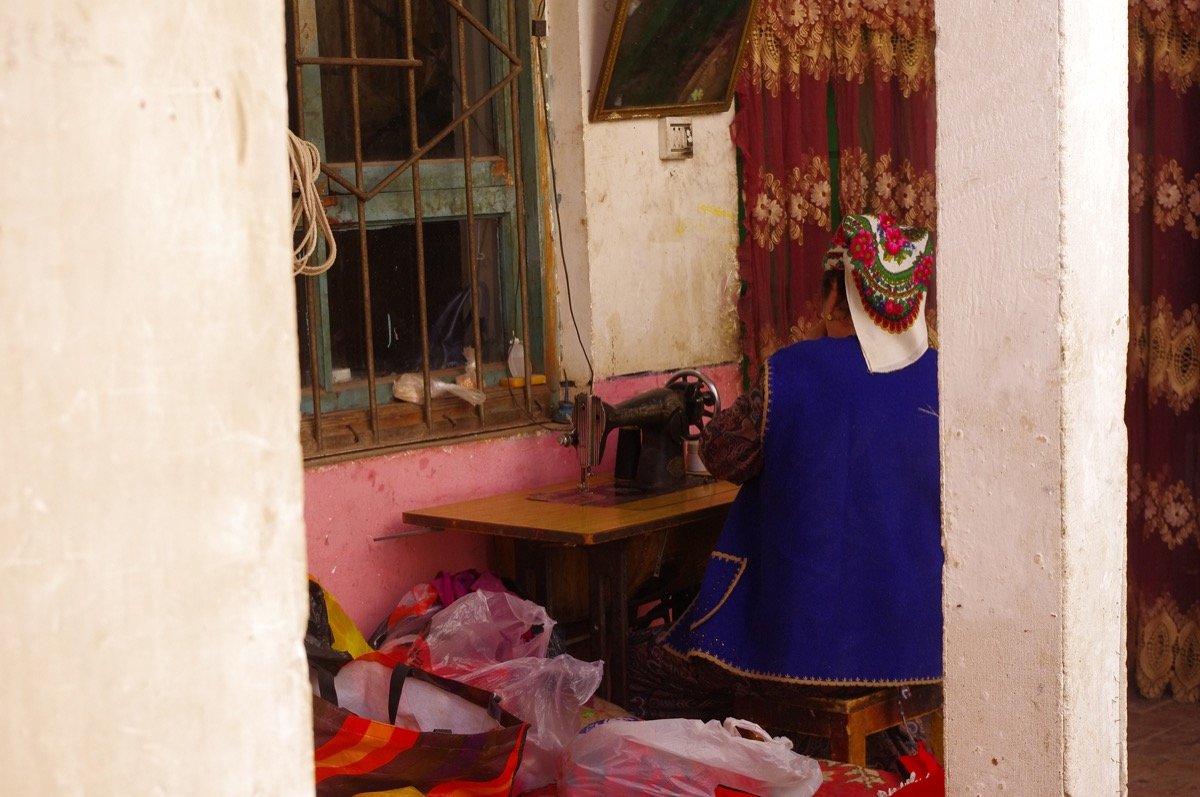
When people say “Altay” they usually mean Kanas Lake, the postcard village of Hemu, or the colorful beach at Burqin. The actual city of Altay (Aletai Shi) sits about 60 kilometers north of Burqin, quiet and a little rough at the edges, and almost nobody builds it into their loop. I built a day there on a whim after a delayed car rental, and it turned into one of the most grounding stops of the whole northern Xinjiang trip.
Altay City is the administrative and transport hub of the Altay Prefecture, a place where Han traders, Kazakh herders, and Russian-influenced architecture bump into each other on the same block. It is also, frankly, the best place to sort your logistics before heading deeper into the mountains.
Getting There and Why It Works as a Base
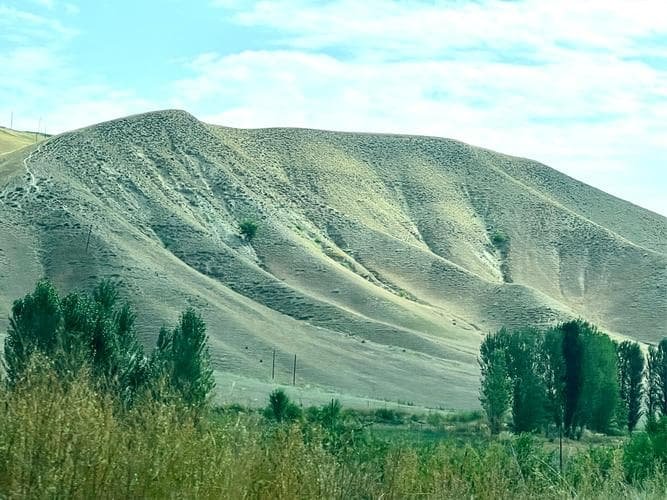
You can fly into Altay airport from Urumqi in about 90 minutes, or drive up the G216 from the provincial capital in a long but striking day. We rented our 4WD in the city, stocked up at a proper supermarket, and then used it as a launch pad for Kanas, Hemu, and the Koktokay granite canyons. The Burqin guide is the more famous gateway, but Altay City has the bigger car-rental pool and the better hospital, which matters if you are self-driving with family.
From the city, the loop north to Habahe County and its white-sand lake takes roughly two hours, and the run east to Koktokay is about 180 kilometers of good road. Everything famous in the north is reachable as a day trip or overnight from here.
What to Actually Do in the City
Altay is not a sightseeing town. It is a living one. The morning market, held on the east side near the river, is where herders sell smoked fish, thick cream, and the small wild berries that show up in every northern dessert. I ate a bowl of kuurdak (fried mutton with onion and pepper) at a stall for ¥25 that beat most restaurant dinners that week.
The Altay Museum, small and often overlooked, has a decent display on the region’s claim as a birthplace of skiing; local lore says the earliest skis were carved here thousands of years ago. The Altai ski itinerary builds on that history if you are coming in winter.
Winter Turns the Whole Place White
I visited in August, but the locals I met all said the real Altay is January. The surrounding mountains hold some of the driest, deepest powder in Asia, and the snow and ice festival guide covers the events, from ice lantern shows to backcountry ski meets. Temperatures drop past -30°C, so this is not a casual visit; it is an expedition with good food at the end of it.
Koktokay as a Day Trip
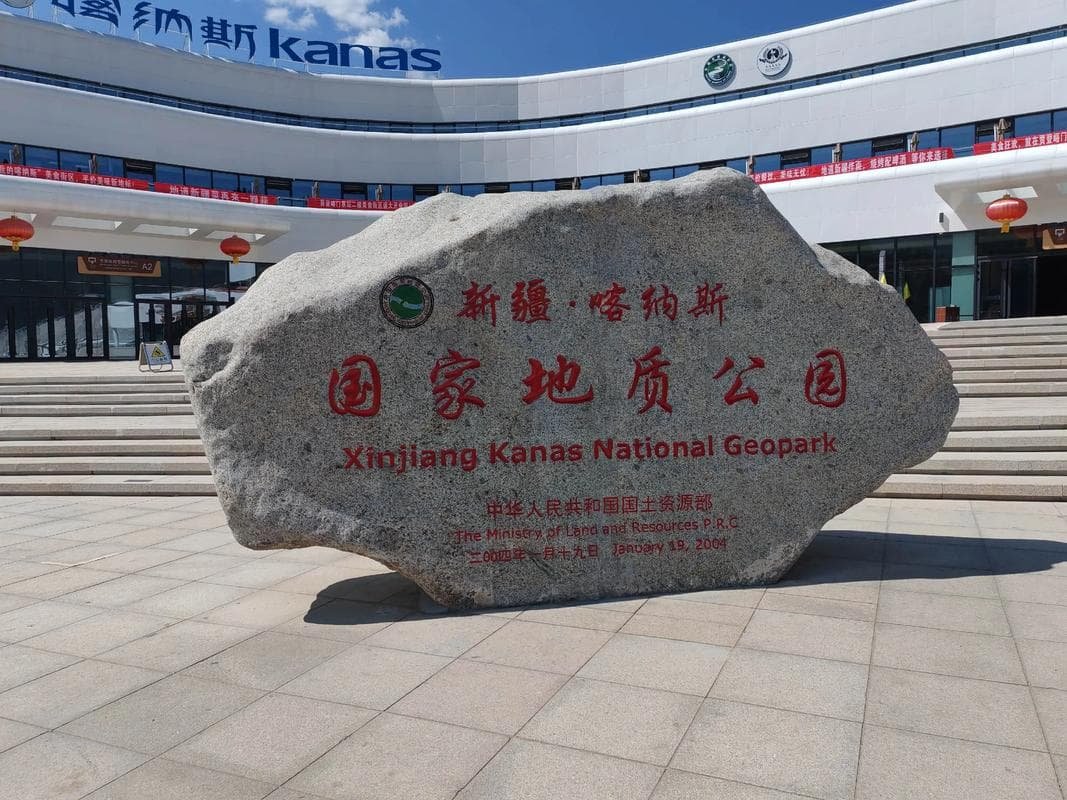
If you do only one excursion from Altay City, make it Koktokay. The granite canyon, the old No. 3 mine pit, and the cold blue river running through it are unlike anything else in the region. The Koktokay geopark guide is essential reading; the site is large enough that without a plan you will miss the best viewpoints. We arrived at 9 a.m. and left at 5 p.m. still wanting more.
Practical Notes That Save Time
Hotels in the city run ¥220-480 a night for a clean double; the airport shuttle into town is ¥15 and runs on flight times. Fuel is easy to find. The border with Kazakhstan, Russia, and Mongolia is close, so expect occasional document checks on the roads north; carry your passport. Cash helps at the smaller stalls, though Alipay worked at most.
Altay City will not win any beauty contests. It is a working town at the edge of a wild prefacture. But as a place to reset, resupply, and listen to the rhythm of northern Xinjiang before the big scenery hits, it earned its spot in my loop. Skip the postcard villages for a day and stand in the place that actually keeps them running.