
Seeing a Dentist in Xinjiang: Dental Care for Foreign Travelers
Seeing a Dentist in Xinjiang: Dental Care for Foreign Travelers
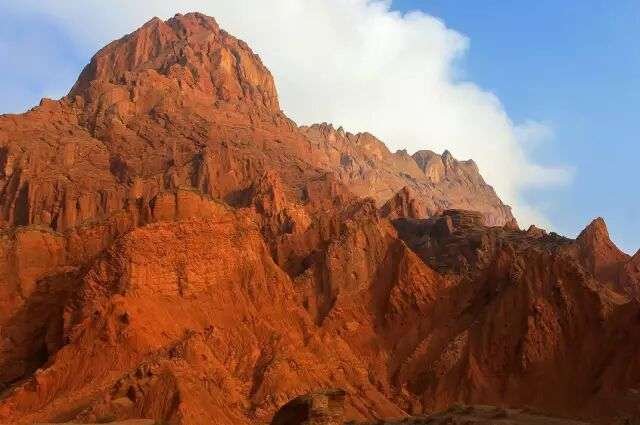
I did not plan to visit a dentist on my third solo road trip through Xinjiang. The plan was simple: drive 1,420 km from Urumqi down the G3012 to Kashgar, photograph the Sunday livestock market, and sleep in yurts near Karakul Lake. On day six, somewhere between the red cliffs of Tuyoq and the date orchards outside Kuqa, a filling I had put in back home at a cost of 180 dollars let go. By the time I reached Kashgar, the exposed nerve was keeping me awake at night.
What followed was one of the better healthcare experiences of my traveling life. This guide is built from that trip and two later ones, with concrete numbers, clinic names I actually walked into, and honest advice about what to expect when your mouth rebels against you in the far west of China.
I have now crossed Xinjiang by car four times, covering roughly 9,500 km in total, and I have needed a dentist on three of those trips. The pattern is always the same: the problem arrives uninvited around day five or six, when the rhythm of the road has lulled me into forgetting my own body. That consistency is why I stopped dreading the dentist here and started treating it as a normal part of the itinerary, like fuel and tire pressure.
Why You Might Need a Dentist Out Here
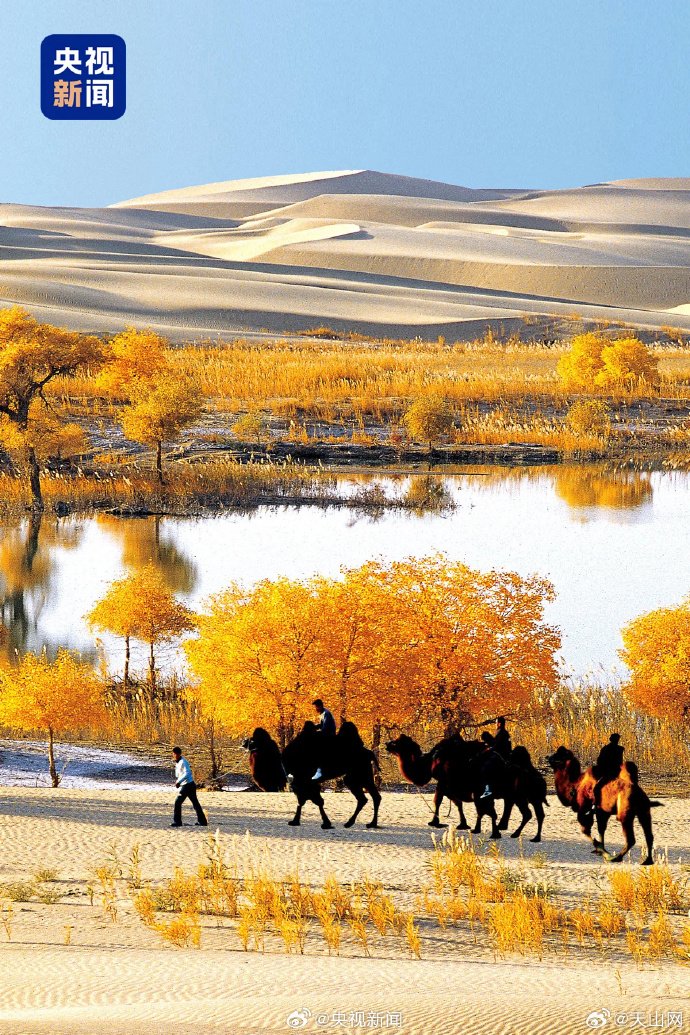
Xinjiang is enormous. My usual loop runs 2,800 km over eleven days, from the dunes of the Taklimakan’s northern edge to the turquoise shore of Sayram Lake near the Kazakh border. That distance means long stretches with nothing but highway, gas stations selling cold naan, and the occasional truck stop. A dental problem does not wait for a convenient city.
The most common issues I see among fellow self-drivers are lost fillings from the dry, chewy road food, cracked teeth from biting hard dried apricots sold at every rest area, and infections that flare when you skip your routine because the water tastes different. Altitude plays a role too. If your route climbs toward the Pamir plateau past Muztagh Ata, the change in cabin pressure can make an already angry tooth throb. I cover that angle in my piece on altitude health, but the short version is: treat a toothache before you climb.
Heat is the quiet culprit nobody mentions. In July the dashboard of my rented SUV read 46 degrees Celsius outside Turpan, and the cabin was no refuge. Dehydrated gums shrink away from old dental work, and a gap that sat fine for years suddenly catches every seed in a watermelon slice. I now keep a bottle of room-temperature water in the door pocket and sip through the afternoon instead of gulping at stops.
My own episode started mild and turned sharp within 48 hours. I learned the hard way that the desert towns are not where you want to gamble on a walk-in clinic. The real infrastructure sits in the big cities.
What the Clinics Actually Look Like
Forget any image of a grim state hospital with folding chairs. The private dental chains in Xinjiang’s cities rival anything in Berlin or Toronto. In Kashgar I walked into a bright, three-floor clinic off the main boulevard at 10:15 on a Tuesday in September. The lobby had a water dispenser, a screen playing travel shows, and a receptionist who switched to English the moment she heard my accent.
The treatment room held a leather chair, an LED cure light, and a wall-mounted X-ray unit. The dentist, trained in Shanghai, explained the plan on a tablet with a 3D model of my molar. The whole consult took 25 minutes and cost nothing. I paid 30 yuan for the initial exam at a public hospital the day before, then chose the private clinic for the actual work because the wait there was zero.
Across my trips I have sat in chairs in Urumqi, Korla, and Yining. The standard of sterilization was visible and reassuring: sealed instrument packs, fresh gloves, and autoclave pouches opened in front of me. One clinic in Yining even showed me the sterilization log on a laminated card.
Costs in Real Yuan, Not Vague Promises
Money matters when you are budgeting a long drive. Here is what I actually paid, converted from yuan at roughly 7.2 to the dollar.
A standard cleaning ran 120 yuan in Urumqi. A composite filling on a front tooth cost 280 yuan in Kashgar. The root canal that saved my Kuqa-damaged molar came to 900 yuan including the temporary crown, done across two visits three days apart. A porcelain crown later, back in Urumqi, was 1,600 yuan. None of this required insurance pre-approval, and I settled at the desk by Alipay scan in under a minute.
For comparison, the same root canal quoted at home was 720 dollars before the crown. I spent less on the entire dental detour, including three nights in a 220-yuan hotel, than I would have on the consult alone back home. Keep your receipts. They matter if you later file a claim under your travel insurance, which is exactly why I tell every driver to buy a policy that covers dental emergencies abroad.
Cash is rarely needed. WeChat Pay and Alipay both worked at every clinic I tried, though I carried 500 yuan in small notes as a fallback for the tiny county-town practices along the southern Taklimakan ring road.
One surprise worth flagging: the clinics quote prices per tooth, not per visit, and they hand you a printed estimate before any drill touches enamel. In Kashgar my estimate listed the exam, the anesthetic, the canal therapy, and the temporary crown as separate line items, each with a yuan figure. I have never once been presented with a bill larger than the paper I signed an hour earlier. That transparency removed the anxiety I usually feel in unfamiliar medical systems.
Language, Apps, and Getting Understood
The biggest fear I hear from first-timers is not the drill. It is being unable to explain the problem. In the major cities this fear evaporates. English-speaking staff are common in private chains, and younger dentists almost all read medical English. In smaller towns, I used a translation app and pointed at my own tooth in the camera. A single screenshot of the painful molar got the message across in Korla within seconds.
I also learned to carry a short note written by my home dentist describing my crown work and blood-thinner use. That paper, plus a photo of my normal X-ray, smoothed two separate visits. If you take regular medicine, read my guide on pharmacies and medication before you fly, because the same apps and phrases help at the counter too.
One practical tip: download the map app that locals use and pin the clinic before you leave wifi range. Out past the desert towns, signal drops to nothing for 60 km at a stretch, and you do not want to be searching for a dentist while in pain and offline.
Public Hospitals Versus Private Chains
I have used both, and the choice depends on your problem. Public dental hospitals in Urumqi and Kashgar are cheap and thorough, with specialists for surgery and implants. The trade-off is a queue. I waited 90 minutes for a 30-yuan exam on a busy Monday. Bring a book and arrive before 9 a.m.
Private chains charge more but see you fast. For a clean, a filling, or a routine root canal, they are my default. For anything surgical, I trust the public hospital’s specialist wing. Either way, you are in safe hands, and the question of is Xinjiang safe extends comfortably to its clinics, which follow national medical standards and regular inspections.
The reception areas alone tell the story. Marble counters, numbered tickets, and clear pricing screens are the norm in every city I visited. I never once felt like a tourist being overcharged; the prices were posted on the wall.
My Routine for Staying Out of the Chair
Prevention beats a roadside repair every time. I now pack a travel flosser, a small tube of sensitive-teeth paste, and sugar-free gum for the long desert hauls where I cannot brush after the sticky dried fruit. I book a cleaning at home within a month of leaving, so no hidden cavity wakes up at 3,000 meters.
On the road I treat my mouth like my tires: check it daily. A twinge near Kuqa last spring sent me to a clinic before it became the Kashgar-level emergency of my first trip. That early 150-yuan filling saved me a 900-yuan root canal. The same logic applies to your whole body on the road, and my fuller notes on seeing a doctor in Xinjiang walk through the general hospital system, emergency numbers, and what to do if something worse than a tooth strikes.
Hydration helps more than people expect. The air from Turpan to Hami is bone dry, and a parched mouth cracks faster. I drink three liters of water a day behind the wheel and skip the roadside ice unless I trust the source.
I also keep a tiny dental kit clipped to my daypack: a foldable brush, a 15-ml paste, and a single-use floss pick for each long stop. At the Sayram Lake campsite last spring, brushing after a plate of grilled fish at midnight probably saved me from a repeat of the Kashgar drama. Small habits, repeated daily across 2,800 km, are what keep the chair away. The desert does not care about your itinerary, but your teeth will thank you for the routine.
A Typical Visit, Step by Step
For the nervous first-timer, here is exactly how my Kashgar root canal unfolded, so the unknown feels smaller. I arrived without an appointment at 10:15 and took a numbered ticket from a machine near the door. A triage nurse called me to a desk within ten minutes, confirmed my complaint in broken but clear English, and assigned me to treatment room two. The dentist reviewed the X-ray taken on the spot, a 40-yuan charge, and explained the two-visit plan on her tablet.
The first session numbed the area with a small injection, opened the tooth, cleaned the canal, and sealed in a temporary filling. I was back in my rented car by 11:40, ate a soft lamb skewer lunch an hour later, and drove the 28 km to the edge of the old town without discomfort. Three days later I returned for the permanent seal. Total chair time across both visits was under 90 minutes, and I never waited more than the initial ten.
The aftercare instructions came as a printed card in English: soft food for a day, salt-water rinse twice, no hard nuts for a week. I followed them loosely and the tooth held. That card now lives in my glove box beside the spare fuses, and I hand it to friends before they set out.
When to Drive On and When to Stop
Some problems can wait for the next city. A dull sensitivity to cold, a bit of food trapped near a crown, even mild gum bleeding after flossing: keep driving, keep notes, get it looked at in Urumqi or Kashgar. But a swelling in the jaw, a fever, or pain that steals your sleep is a stop-now signal. I ignored the sleep-stealing pain for two nights and paid for it with a 900-yuan procedure I might have avoided.
The good news for solo drivers is distribution. Every prefecture capital along the classic loops has at least one competent clinic. Urumqi, Kashgar, Korla, Aksu, Yining, and Turpan all treated me well. The empty middle of the Taklimakan is the only zone where you should plan ahead, so I keep a name and address saved for each city on my route before I leave the last reliable signal.
Dental care in Xinjiang turned out to be cheaper, faster, and friendlier than I feared. My molar has held for two years and three more trips. If your journey out here meets a toothache, do not panic and do not push on in pain. The chair you need is closer than the next gas station, and it speaks your language more often than you think.