
Xinjiang Street BBQ and Shashlik: A Skewer Lover’s Guide
The first time I stood at a Urumqi night-market stall, the cook tossed a handful of cumin and chilli onto lamb fat sizzling over glowing coals, and the whole street turned into smoke and noise. I had no idea what to call the food in front of me. The Uyghur vendor just pointed at sticks of meat, nodded, and held up three fingers. That was my first lesson in Xinjiang street BBQ: you do not order a dish, you point, you count, you eat.
If you are driving yourself across this region, the roadside skewer stand is the single best meal you will find. It is cheap, fast, halal, and unforgettable. This is a field guide to getting it right: what the meat actually is, what it costs, how the spices work, and where to stop on a self-drive loop.
What shashlik and kawap actually are
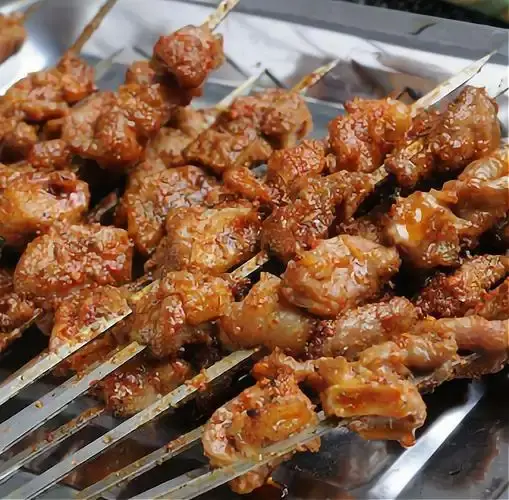
The word you will hear most is kawap (often written kawop or kaobao in English menus). It means roasted meat on a stick. Shashlik is the Russian-rooted cousin, the same idea with a slightly different marinade lineage, and travelers from Central Asia and the Caucasus will recognize it instantly. In Xinjiang the two terms overlap in daily speech, and nobody will correct you for mixing them.
The default meat is lamb. Not a fancy cut. Shoulder and leg, cubed small, threaded with alternating squares of fat so each bite carries a little grease to carry the spice. Chicken shows up in the bigger cities, usually thigh meat with skin on, and vegetable skewers are common in summer: tomato halves, green pepper, onion, even whole garlic cloves charred until sweet.
A few things on a stick are worth chasing down specifically:
- Siren (liver): soft, rich, usually lamb liver, cooked quick so it stays creamy inside.
- Gerd (heart): denser, chewier, a favorite among regulars who know the stall.
- Naan-wrapped skewers: the cook presses a piece of flatbread around the meat as it comes off the fire, so the bread soaks up the fat and spice. Order this once. You will order it again.
- Big lamb chop (pazil kawap): a whole rib on a sword-like skewer, the hero item at better stalls, priced separately and worth the splurge.
For context on the bread that goes with all of this, read our Xinjiang nan bread guide. The naan you tear and use to scoop grease off the paper is the same oven bread baked across the region.
The night-market scene
Xinjiang eats late. Most BBQ stalls fire up at dusk, around 8 or 9 p.m. in summer when the sun finally drops, and run until 1 or 2 a.m. The rhythm suits a road trip: you arrive in a new town, check into your guesthouse, and the best food is just opening as you step out.
Markets are loud and social. Stalls line a street or gather in a designated square, each with its own charcoal brazier, a metal tray of raw skewers, and a wall of hanging lamb. You do not sit indoors. You stand, or you find one of the low plastic tables, or you perch on a stool while the cook works the coals two meters away.
The biggest, most tourist-friendly cluster is the International Grand Bazaar in Urumqi, where the skewer rows are clean, well lit, and priced on visible boards. For a rougher, local feel, the evening streets of Kashgar’s old town and the open lots of Yining (Ili) are better. Hotan and Turpan both have night markets that wake up after dark with skewers at the center.
Do not expect chairs and a waiter. The seating is plastic stools and folding tables, and the floor is a scatter of used skewer sticks you learn to ignore. Smoke hangs low and sweet from a dozen braziers, and the noise is a mix of Uyghur pop from a stall speaker, the clack of tongs, and groups of friends calling for another round. It is loud in the best way. As a solo driver you fit right in: order at the counter, take a stool at the end of a shared table, and you are part of the crowd within five minutes. Nobody asks where you are from. They ask how many sticks.
How to order and pay
Here is the part that scares first-timers, and it should not. Pricing is per skewer, almost always written in Arabic-numeral Chinese price tags you will read as ¥.
- Standard lamb skewer: ¥3 to ¥5
- Chicken or vegetable: ¥3 to ¥4
- Bigger mixed or prime-cut skewers in Urumqi and Kashgar: ¥6 to ¥8
- Lamb chop on a sword: around ¥25 per chop, sometimes more at famous spots
You order by quantity. Point at the tray, hold up fingers, say the number. Ten lamb, two liver, one chop. The cook loads them and calls back a total. When you finish, you settle up at the stall or the owner walks over with a calculator showing the sum. Cash still works everywhere, but Alipay and WeChat Pay dominate in the cities. As a foreign traveler, carrying some small ¥20 and ¥50 notes saves you at remote stalls that have no card reader.
One trick: ask the price before the meat goes on. Stalls that cater to tourists sometimes quote higher to out-of-towners, so a quick “duoshao qian” (how much) plus a finger at the stick clears it up. The honest places are proud of their price board.
BBQ begs for something sour next to it. The quick-pickled vegetables and preserved sides that balance all that fat are covered in our Xinjiang pickles and preserved foods guide. A bowl of cold pickled cabbage between skewers keeps you eating longer.
The charcoal, salt, and cumin ritual
The flavor you remember is not from a complex sauce. It is from three things done in the right order over live coals.
First, the fire. Real stalls use charcoal, not gas. The coals glow red, the meat sits close, and the fat drips and flares. That flare is the flavor.
Second, salt. Early in the cook the cook sprinkles coarse salt so it seasons the meat as it sears. You will see the white dust fall through the grate.
Third, the spice shake. Cumin is non-negotiable, toasted and ground, thrown on in the last minute with chilli flakes. Some stalls add a little black pepper or a regional herb mix. The cumin is what makes Xinjiang BBQ taste like Xinjiang and not like a backyard grill back home.
You can ask for spice levels. “Az” means a little, “kup” means a lot. Most foreigners handle the standard shake fine, but if you hate heat, say “achyq emes” (not spicy) and they will go light on the chilli while keeping the cumin. The meat is halal by default across the region, slaughtered and handled under Islamic practice, so you will not find pork at any of these stalls.
Wrap it all in bread. The flat sangza and girde ring breads you see stacked at bakeries also turn up at BBQ spots, torn and used to mop the plate. Order a round of bread with your skewers and you have a full meal.
Regional twists: Kashgar vs Urumqi vs Ili
The core skewer is the same everywhere, but each corner of the region adds its own note.
Kashgar and the south
In Kashgar and down toward Hotan, the skewers run smaller and fattier, the cumin heavier, the chilli a touch sharper. The old-town evening stalls near Id Kah Mosque are the classic scene: tiny stools, big crowds, and vendors calling in Uyghur. This is where I had my best siren, cooked barely thirty seconds a side and dusted with so much cumin it looked snowed on. Sweet things matter here too. Our Hotan rose jam and rose water guide explains the dessert culture that follows a meaty night in the south.
Urumqi and the north
The capital skewers are bigger and pricier, the chop on a sword is common, and you will find more chicken and vegetable options for variety. The International Grand Bazaar is the safe, clean intro. Venture into the Erdaoqiao and Heidima side streets for stalls where the price board is in Uyghur first and the locals outnumber the tourists.
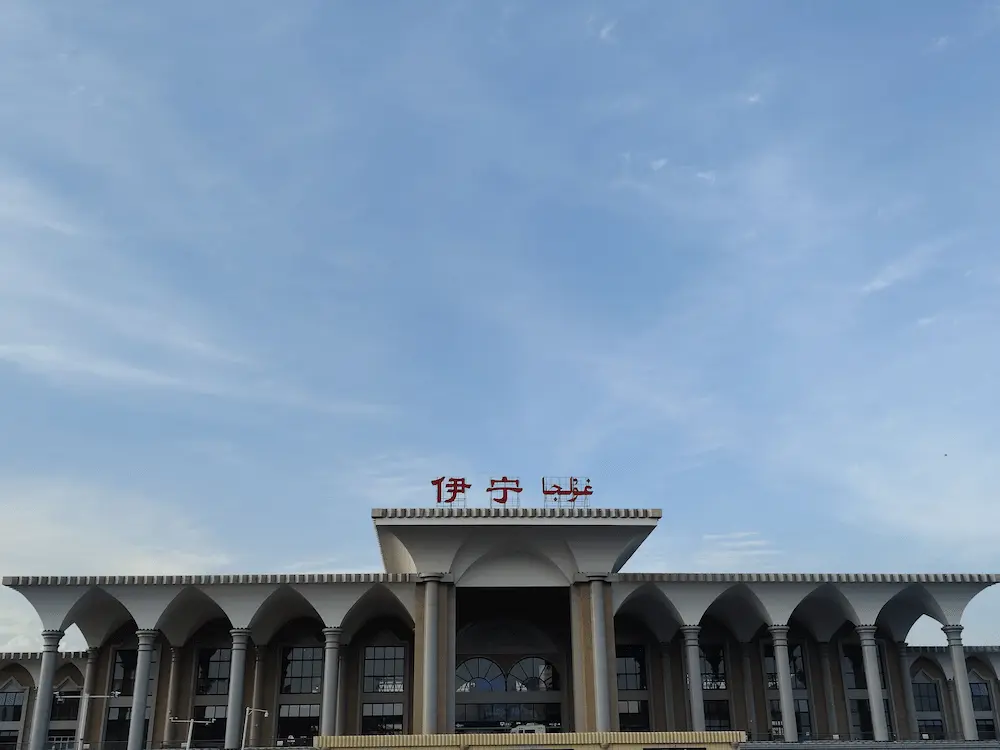
Ili (Yining) and the west
Around Yining and the Ili valley the meat leans toward grass-fed lamb from the mountain pastures, milder and less gamey. The night markets here feel more relaxed, almost picnic-like, with families out past midnight. This is also orchard country, and after a skewer run you can sleep among the trees. Our orchard guesthouse guide maps the places to stay that put you within walking distance of an evening grill.
Etiquette that keeps you welcome
Nobody expects you to know the rules, but a few habits go far.
- Point and count. The cook is busy. A clear finger and a number beats a long sentence.
- Do not touch the raw tray. Let the vendor load your sticks. Hands off the shared meat.
- Split the bill by the pile. At group tables, count your own sticks and pay for your pile. Locals do this without thinking.
- Tea, not alcohol. These are halal stalls, often near mosques. Black tea is the standard pairing and it cuts the grease perfectly. Do not bring beer to a street brazier.
- Tip is not expected. Round up if you like, but there is no tipping culture at skewer stands.
Finding the best stall on a self-drive route
Your car is the tool. The rule I use is simple: go where locals queue. A stall with a long line of Uyghur families at 11 p.m. is serving better meat than a empty one with a multilingual menu and a tripadvisor sign.
Plan your stop around the clock. If you are driving Urumqi to Turpan, the desert stretch eats time, so aim to reach Turpan’s night market around 9 p.m. rather than pushing on. From Kashgar, base yourself in the old town and walk out after dark; parking is tight, so leave the car at the guesthouse. On the Ili loop, Yining’s riverside evening markets are an easy post-drive reward.
Food safety is mostly about crowd density. Busy stalls turn over meat fast, coals stay hot, and nothing sits. A quiet stall with a half-dead fire is the one to skip. Stick to places where the brazier is roaring and the skewers are being loaded to order.
Learn the stall by its sound before you learn it by its menu. The best cooks have a rhythm: the metal skewers click against the grill edge, the spice tin rattles, the fat hits the coals with a hiss. Stand and listen for thirty seconds and you can tell a serious stand from a lazy one without reading a single price. On a long drive day, treat the evening skewer stop as the destination, not an afterthought. Pull in with daylight to spare, find parking, and let hunger build while you walk the market once to scout the busiest brazier.
Pair the BBQ night with the right daytime stop. After a morning of camel riding at a desert camp near Turpan, a skewer dinner back in town is the perfect close. You have earned the fat and cumin.
A sample night, start to finish
Arrive in town by 8:30 p.m. Park, walk to the market, find the busiest brazier. Order ten lamb, two liver, one chop, a round of naan, and a bowl of pickles. Watch the cumin go on. Eat standing, tearing bread, drinking tea. Pay in cash or scan the code. Walk back to the car full, smoke in your jacket, already planning tomorrow’s stop.
That is the whole ritual. Xinjiang street BBQ is not a restaurant you book. It is a street you join, a stick you point at, and a fire you stand close to. Drive slow, eat late, and let the coals do the rest.