
Visiting Xinjiang in October: Weather, Crowds, and the Autumn Sweet Spot
Visiting Xinjiang in October: Weather, Crowds, and the Autumn Sweet Spot
October is the month I tell most people to aim for. After the National Day rush at the start of the month settles, Xinjiang turns quiet, gold, and cold in the best way. I have now crossed the region in three different Octobers, and the pattern holds: clear skies, thin crowds, and landscapes that look lit from inside.
This guide breaks down what October actually feels like on the ground, where to go, what to avoid, and how to pack. It pairs naturally with our autumn foliage routes and the broader weather-by-month overview, but here the focus is squarely on the tenth month.
The weather you will actually get
Early October, right after the holiday, still carries some of September’s warmth in the south. Turpan can hit 24°C in the afternoon. Urumqi sits around 14°C. By late October, northern areas like Kanas and the Altai drop near or below freezing at night, and the first snow often dusts the higher passes.
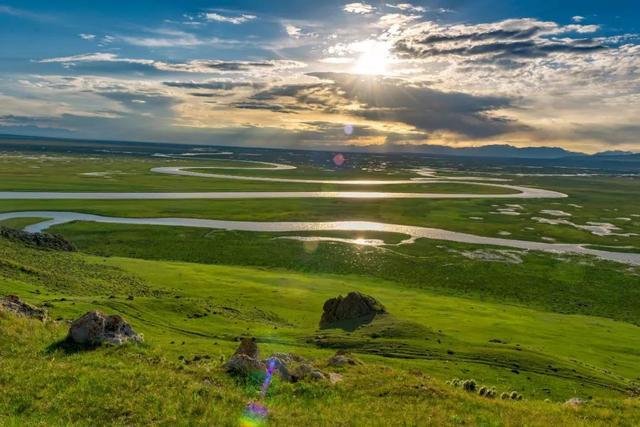
The defining feature of October is dryness and clarity. Rain is rare. The air is crisp, distant mountains show every ridge, and the light has that low, raking quality that makes photographs pop. I wore a light jacket in Turpan and a full winter setup in the Altai, sometimes in the same week.
Crowds: the holiday trap and the quiet after
National Day (October 1–7) is the busiest week of the year. Trains sell out, hotels triple, and the popular sites are shoulder to shoulder. If your dates are fixed to that week, book everything a month ahead and lower your expectations on peace and quiet.
From about October 8 onward, the region empties. I walked the best sites in mid-October with barely another foreigner in sight. This is the real sweet spot: the color is mostly gone from the larches by then in the far north, but the south stays warm and golden longer.
Where October shines
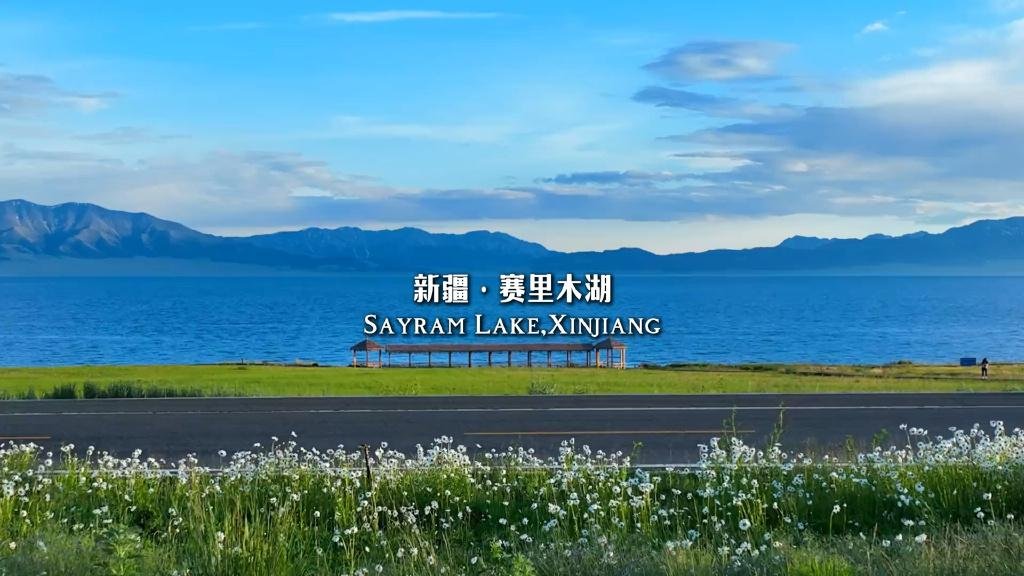
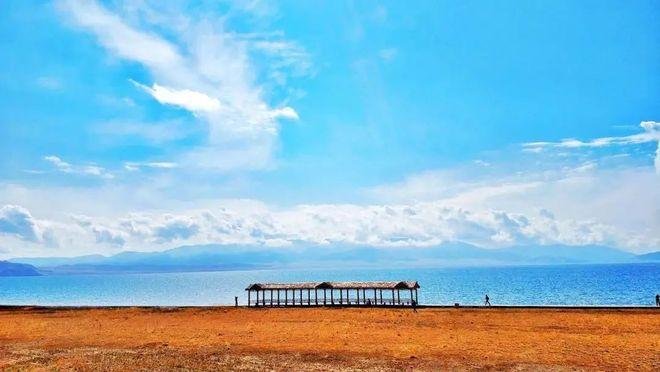
Southern Xinjiang is the October winner. Kashgar’s old town is comfortable in the low 20s, the Sayram Lake ring of grass goes gold and red, and the Nalati grassland turns from green to a burnished copper. The Taklamakan’s edge is calm and cool, perfect for long desert drives without the summer furnace.
The far north is a gamble in late October. Kanas can be frozen and partly closed. If autumn color is your goal, come in late September; if you want quiet and cold clarity, October is your month.
Early October versus late October
These are almost two different months. The first week, right after National Day, is still crowded and relatively warm in the south, with daytime highs near 22°C in the basins. By the third week, the crowds are gone, prices drop, and the north turns properly cold, with nights below freezing in the Altai and the first snow on the higher passes.
If your goal is comfortable walking and low prices, aim for October 8–20. If you want to catch the tail of the autumn color in the far north, come in late September instead and treat October as a southern-month trip. I have done both, and the post-holiday window is the one I recommend to first-timers because the logistics are easier and the weather is still kind.
Festivals and local life in October
October is quiet on the festival calendar, which is part of its charm. The big holidays are behind you, and the region returns to its normal rhythm. In the south, the grape and cotton harvests are winding down, and you will see trucks of cotton on the roads and families in the fields. In Kashgar, the old town settles into a slower daily pace, with more space in the teahouses and the Sunday market less frantic than in summer.
This is a good month to talk to people. With fewer tourists around, the old town residents are more likely to invite you for a glass of tea, and the roadside noodle stops are unhurried. The region feels less performed and more real.
Road and pass conditions late in the season
By late October the high roads change. The Duku Highway, which closes for winter, often shuts in mid-to-late October depending on snow, so do not count on it after the 15th. The Pamir road stays open but sees ice at night above 3,000 m, and the passes toward the Pamir Plateau can be briefly closed after a snowfall. Check the forecast daily and ask your hotel about road status before any mountain drive.
The main G30 expressway and the basin roads are fine all month. Turpan, Kashgar, and Urumqi stay fully open and comfortable. Plan your high-altitude ambitions for early October and keep the late month for the warm, low basins.
What to pack
October is the season of layering. A morning in the Altai at minus 3°C and an afternoon in Turpan at 24°C is a 27-degree swing in a single day if you are driving the full route. I carried a base layer, a fleece, a down jacket, and a shell, and used all four on a typical day.
Good tires matter more now than in summer. Some high passes see early snow, and while the main highways are plowed fast, the smaller scenic roads can ice over. Chains are rare but worth knowing about if you push into the mountains late in the month.
Costs and logistics
October is cheap once the holiday ends. Flights into Urumqi drop by a third compared with July. Guesthouses that charge 420 yuan in September ask 240 in mid-October. Car rental softens too, though a 2WD is still fine for everywhere except the highest passes.
One logistics note: some seasonal attractions and a few in-park guesthouses close in late October as the season ends. Confirm ahead for anywhere north of Burqin after October 15. The Kanas Lake area in particular winds down, so treat it as a September destination and save October for the south and the warm basins.
What to eat in October
October is a good eating month. The grape harvest in Turpan is done but the dried fruit is fresh and cheap, the melons in the south are at their sweetest, and the lamb, grazed on the post-harvest stubble, is excellent. I ate better and paid less in mid-October Kashgar than in any other month, with full Uyghur plates of polo, kebabs, and hand-pulled noodles running 25–45 yuan.
The cold also brings the hot-food comfort: samsa from the tandoor, dense with meat and onion, and the thick noodle soups that warm you after a plateau day. Carry small cash for the market stalls, because the card readers in the smaller bazaars are temperamental. The payment guide covers what works where.
The October markets are where the season shows its friendly side. In Kashgar and the smaller southern towns the stalls fill with the year’s dried fruit, nuts, and the last fresh melons, and the prices are a fraction of what you will pay in a Urumqi supermarket. I bought a kilo of dried apricots from a stall holder who insisted I taste three varieties first, and the 20 yuan I spent lasted the whole trip as trail food.
Bargaining is gentle here compared with the summer rush, because the crowds are gone and the sellers are unhurried. A smile and a little Mandarin go a long way, and most vendors will throw in a handful of walnuts for the road. Carry small notes, because the card readers in the outdoor markets are unreliable and the good stalls are cash-only.
The other October treat is the tea culture. With the heat gone, the old-town teahouses fill with locals playing cards and listening to the radio, and a pot of black tea with a plate of dried fruit is the perfect afternoon. I spent a rainy October evening in one in Kashgar and barely noticed the weather, which is the whole point of traveling this region in the quiet month. If you have a hotel with a kitchenette, the southern produce at its peak makes a simple fruit-and-yogurt breakfast beat any buffet.
A note on the wind and the dust
October is when the season’s winds pick up before winter. The Tarim basin and the corridors between the basins can see dust days that drop visibility and coat the car in a fine film. They are not dangerous if you slow down and keep distance, but they make photography dull and driving tiring.
I hit a dust day on the road to Turpan and learned to pull over at the first thick band rather than push through, because the grit eats wiper blades and the low light fools the eye on speed. Check the forecast each morning; a windy day is a good day for museums and the old town, not the open plateau.
How I’d split a two-week October trip
If you have more than a week, October is the month to use it. I would fly into Urumqi, spend a night, then take the train south to Kashgar and use it as a base for the warm southern loop: the old town, a day at Sayram Lake if the road is open, and the Turpan basin at the end. That keeps you in the comfortable low country while the north turns cold.
The second week, if the weather holds, is the time for the high country: drive the northern loop only after the 15th if the passes are clear, and accept that Kanas may already be shutting. I would rather have a warm, quiet southern October than a frozen, half-closed northern one, and the region is big enough that two weeks only scratches it.
If you can only take one lesson from this, make it timing. October rewards the traveler who arrives after the holiday and before the freeze, and punishes the one who assumes the whole month is the same. Build a day or two of slack into the plan so a cold snap or a closed pass does not sink the trip, and you will see the region at its calmest and clearest. The south stays open and warm while the north shuts, so let the weather, not the calendar, decide where you end up.
My suggested October plan
If you have ten days, fly into Urumqi, spend a night, then fly or train south to Kashgar. Loop through the old town, drive to Sayram Lake if the road is open, and finish in the warm Turpan basin before flying home. You will miss the northern larches but gain empty roads, low prices, and the most comfortable temperatures of the autumn.
October is not the obvious choice, which is exactly why I like it. The crowds are gone, the light is honest, and the region feels like it belongs to the people who live there rather than the people passing through.