
Kashgar in Spring: Apricot Blossoms, Old Town Light, and the Pamir Edge
Kashgar in Spring: Apricot Blossoms, Old Town Light, and the Pamir Edge
I went to Kashgar expecting a dusty desert town and left convinced it is the most beautiful city in Xinjiang in April. The reason was the apricot trees. Every courtyard in the old town, every village on the road south toward the Pamir, bursts into pale pink blossom for about two weeks, and the whole place turns soft and loud with bees.
Spring is the overlooked season here. Everyone talks about autumn gold, but the spring blossom trail through the south is genuinely one of the best drives in the region, and the heat of summer is nowhere in sight yet.
When the blossom actually happens
The apricot bloom in the Kashgar area runs roughly from late March to mid-April, a narrow window that moves with the year’s warmth. In a warm spring it starts in mid-March; in a cold one, not until early April. I hit it on April 6 one year and April 12 the next. There is no fixed date, so watch the local forecast and the old town’s social posts before you commit.
The bloom lasts about two weeks at any one spot, but because villages sit at different elevations, you can chase it south for the better part of a month as you climb toward the Pamir Plateau.
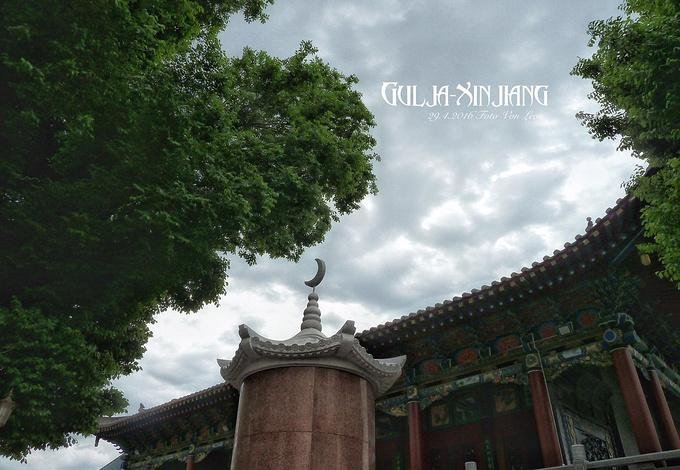
Kashgar Old Town in spring
The old town is lovely year-round, but in spring the alleys are shaded by blossom and the rooftop cafes are warm at noon without being scorching. This is the time to wander without a plan, to drink tea on a roof, and to watch the Tajik and Uyghur families prune and harvest the early fruit.
Daytime temperatures sit in the comfortable 16–24°C range, perfect for walking. Nights are cool, around 8°C, so a light jacket covers the evening.
The blossom drive south
The signature spring trip is the run from Kashgar south toward Tashkurgan and the Pamir, stopping at the villages where the apricot trees line the road. The blossoms thin as you climb and the cold returns, but the contrast of pink trees against snow mountains is the picture of the season.
I did this as an overnight: Kashgar to the mid-valley villages on day one, up to the high Pamir on day two, back on day three. The Kashgar base made a comfortable, warm place to return to after the cold plateau.
What to pack for spring
Spring in the south is mild but not warm, and the Pamir is cold year-round. I carried a fleece and a shell for the plateau and wore light clothes in Kashgar. Layers are the answer, as always, because the gap between a sunny 22°C old-town afternoon and a 2°C Pamir dawn is real.
Dust can blow in spring before the rain settles the ground, so a light scarf for the face helped on the open plateau road. Sunglasses are essential; the high-altitude light is intense even when it is cool.
The Pamir in spring: still cold
People see apricot blossom in Kashgar and assume the whole region is warming up. It is not. The Pamir Plateau, two hours south, still sits under snow on the high passes in April, and night temperatures there stay below freezing well into May. I drove up for a day in mid-April and needed the full winter kit I had left in the car “just in case.”
This is why the spring blossom trip works best as a southern loop, with Kashgar as a warm base, rather than a push onto the high plateau. Save the Pamir for May or later, when the passes clear and the guesthouses open properly.
Local festivals and life in spring
Spring is when the Tajik and Uyghur calendar starts to fill. Small nowruz-style gatherings mark the new year in late March, and the orchards become social spaces as families prune and harvest the early fruit together. In Kashgar’s old town I joined a courtyard gathering where the whole street had turned out to shake the apricot trees, and the ground was white with fallen blossom by noon.
These are not ticketed events. They are just life, and spring is the season you are most likely to be waved in. The old town teahouses are the easy entry point: sit, order a pot, and let the morning unfold around you.
Crowds and costs
Spring is quiet. The National Day and summer crowds are months away, and the autumn photographers have not arrived. Hotels in Kashgar run at their lowest prices of the year, often 40 percent below October. I paid 220 yuan for a central room in April that costs 380 in September.
The trade-off is that some high-altitude passes and a few Pamir guesthouses are still cold or partially closed early in the season. By mid-April everything is open and comfortable.
Why spring over autumn here
Autumn gives you gold grassland and the famous color, but it also gives you every other tourist in the province. Spring gives you blossom, empty roads, low prices, and a Kashgar that feels lived-in rather than performed. If your dates are flexible and you like quiet, spring is the smarter choice for the south.
Just accept the narrow window. Plan the trip around the bloom, not the other way around, and you will catch the two weeks when the whole southern edge of Xinjiang turns pink.
Photographing the blossom
The apricot bloom is fleeting and the light in April is soft, which makes it forgiving for cameras. I shot most of my spring photos in the first two hours after sunrise, when the pink is lit from behind and the courtyards are still in shadow at the edges. A phone does a decent job in this light; a real camera with a modest zoom lets you compress the blossom against the snow peaks on the southern road, which is the frame worth getting.
The old town at dawn, before the tour groups, is the other shot: empty alleys, blossom spilling over mud-brick walls, and a single vendor setting up tea. Be polite about people’s courtyards; ask before shooting into a private garden, and you will usually be waved in.
The old town at blossom time is also the best place to simply sit. Pull up a stool at any rooftop cafe in the walled core, order the house milk tea, and watch the petals drift. I did this for an hour one April morning and counted it among the calmest moments of any trip, precisely because nothing was demanded of me. The blossom makes the place soft, and the crowds are still weeks away.
Photography aside, spring is when the old town’s crafts are most visible. The coppersmiths, the hat-makers, and the woodworkers have their doors open to the mild weather, and a wander down the side alleys finds them at work rather than performing. I bought a small embroidered cap from a maker who showed me the stitch he had used for forty years, and the conversation outlasted the purchase.
If you want the blossom without the early alarm, the late afternoon works too: the light slants low through the alleys, the shadows lengthen, and the pink against the mud-brick turns deep. It is a different picture from the dawn shot but easier to catch, and the teahouses are open for the wait.
One practical note for spring: the old town streets are uneven and can be slick after an April shower, so shoes with grip matter more than they would in the dry autumn. I slipped once on a wet flagstone and learned to slow down; the blossom is worth a careful step, not a rushed one, and a twisted ankle would spoil the season faster than any rain.
A practical spring packing list
Spring in the south is mild by day and cool at night, so the list is light but layered. A fleece and a shell cover the Pamir and the evenings; light clothes handle Kashgar afternoons. A scarf does double duty against the occasional dust and the chill. Sunglasses are essential at altitude, and a small umbrella is handy for the occasional April shower that settles the dust.
Unlike autumn, spring does not need the heavy cold-weather kit unless you push high. I carried a single mid-weight jacket and never needed more in the old town or the lower villages. Save the full winter gear for a separate Pamir trip in late May or later.
The warm-south advantage in spring
The reason spring works so well in the south is the temperature. While the north is still shaking off snow and the passes are marginal, Kashgar and the basins are already comfortable, which means you get blossom without the cold that comes with it in higher regions. That combination of warmth and bloom is unique to the southern edge in April.
It also means the south is green-adjacent without the summer crowds: the fields are freshly watered, the canals run full, and the whole oasis looks alive. If you want the pretty season without the winter gear or the autumn throngs, the southern spring is the move, and Kashgar is its capital.
Beyond Kashgar: spring in the lower villages
The blossom is not only in the old town. The villages on the road toward the Pamir, at lower elevation, bloom first and stay pink longer, and they are where you see the spring as daily life rather than a photo backdrop. I stopped in a small village near Opal, west of Kashgar, where every courtyard had a tree heavy with fruit and the kids were shaking the lower branches for the early ripe ones.
These lower villages are also where the road is easiest in spring, before the plateau snow closes the high sections. A half-day drive west and back, with stops wherever a blossom caught the eye, was one of the gentlest and prettiest days I spent in the region. It costs almost nothing, needs no permit, and shows a side of southern Xinjiang that the autumn crowd misses entirely.
Spring in Kashgar also means the light is kind to cameras without the harsh summer contrast, so even a phone catches the soft pink-and-blue of the old town at dawn. I took some of my favorite unedited photos of the whole region in an April morning, simply because the conditions did the work. If you care about images more than checklist sites, the blossom weeks are the easiest time to leave with pictures you are proud of, and the empty alleys make the shooting calm rather than competitive.
The bottom line
Kashgar in spring is the region’s best-kept secret: warm enough to wander, cool enough to sleep, and beautiful in a way the postcards never show. Time it to the apricot blossom, base yourself in the old town, and take the blossom road south toward the Pamir. You will have the season almost to yourself.