
Xinjiang in September: The Peak Autumn Month I Keep Coming Back For
Why September Is the Month I Tell Everyone to Come
Last September I drove the Duku Highway twice in one week and still found new pull-offs I had never stopped at. The reason is simple: Xinjiang in September is the sweet spot where the summer crowds have gone home, the grasslands of the Ili Valley have turned from green to gold, and the poplar trees along the Tarim Basin light up a shade of yellow you do not see anywhere else on earth. If you ask me for a single sentence of advice, it is this: book your Kanas autumn trip for the last two weeks of September and you will understand why people call this the best month in the region.
The weather is the other half of the story. Daytime temperatures in Urumqi and the northern grasslands sit around 18–24°C, dropping to a crisp 6–10°C at night. You can drive with the windows down during the day and sleep under a duvet at night. That swing is exactly what makes the foliage turn. After the first cold snap around September 20, the birch and larch around Kanas Lake and Hemu Village go from green to amber in about ten days.
This guide is built from five Septembers on the road, not from a brochure. I will walk you through the regions that peak in September, what to pack, how the roads feel, and the mistakes I watched first-time travelers make because they assumed September is just “shoulder season.”
The Regions That Peak in September
Kanas and Hemu in Northern Xinjiang
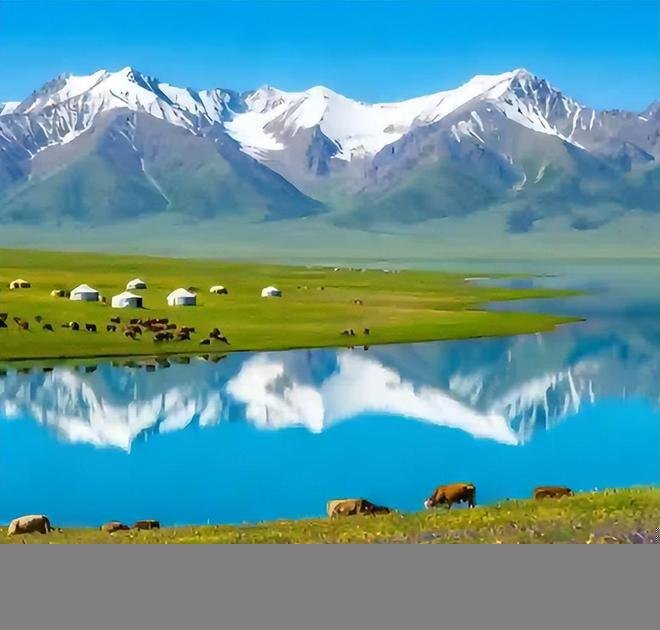
If there is one place that defines September in Xinjiang, it is the Kanas–Hemu triangle in the Altay prefecture. The lake itself stays a moody teal, but the surrounding mountains explode in color. I arrived in Hemu on September 23 a couple of years ago and watched the sun come up over a wooden village buried in golden birch. The photo everyone posts from that platform is real, and at 7 a.m. with mist in the valley, it is better than the photo.
Practical note: the access road from Burqin to Kanas gets busy in the last week of September. Buses from Burqin run every morning and the park requires a separate ticket plus an internal shuttle. Budget a full day just to move from the gate to your guesthouse. The Duku Highway is usually still open in early September but can close after the first snow on the higher passes, so check the status before you commit to a north–south crossing.
The Ili Valley and Nalati Grassland
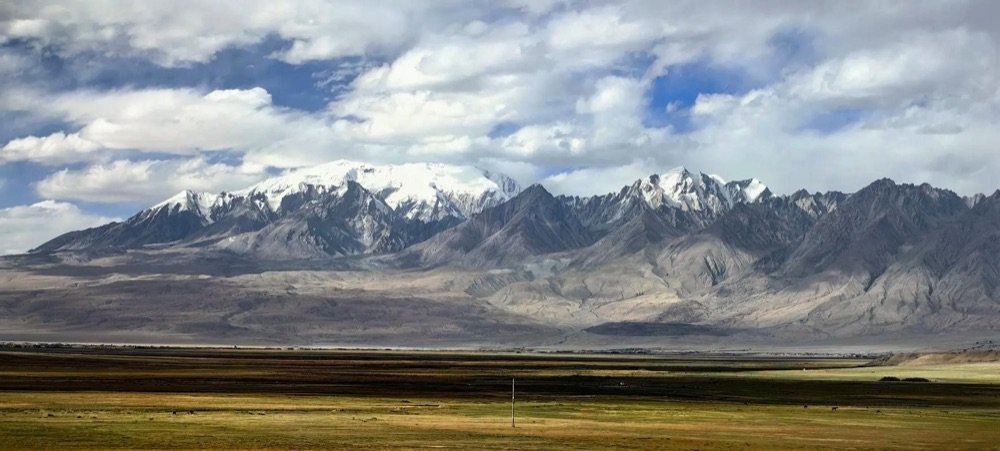
Down in the Ili Valley the timing is slightly different. The big flower displays of June are long gone, but September brings a second, quieter beauty: the grass turns copper, the herds come down from the high summer pastures, and the light gets that low, warm quality that makes everything photogenic. Nalati grassland is still green-ish at the start of the month and fully golden by month’s end.
I like to base myself in Yining and do day loops. The drive from Yining to Sayram Lake takes about two hours and the lake in September is calm and mirror-still in the mornings. Pack a windbreaker; the wind off the lake is sharp even when the sun is out.
Sayram Lake and the Border Country
Sayram is the highest alpine lake in the region and it is at its clearest in September. The summer tour buses thin out after the school holidays, so you can actually find a quiet stretch of shore. The road that rings the lake is paved and about 90 km, and I usually take a full morning to drive it slowly, stopping whenever a flock of geese lifts off the water.
What the Roads and Crowds Are Actually Like
September splits cleanly into two halves. The first two weeks still feel like late summer: warm, busy on weekends, fully open roads. The last two weeks are when the magic happens and also when you need to be flexible. After about September 25, a single snow line can close a mountain pass for a day. I keep a habit of calling the hotel at my next stop the night before to ask if the road is clear.
Crowds are lighter than July or August but not absent. The National Day holiday starts October 1 and the last week of September bleeds into it. If you can, travel September 1–20 to miss both the summer families and the holiday rush. Prices for guesthouses around Kanas drop by roughly 30% compared to August, then spike again for the October 1 week.
What to Pack for a September Trip
The single biggest mistake I see is people packing for one season. September in Xinjiang is two seasons in one day. My kit:
Layers you can shed: a t-shirt, a fleece, and a light down jacket. I wore all three in one day near Kanas, sweating at noon and shivering at the lake at 6 p.m. A windbreaker that packs small. Sunglasses and sunscreen, because the UV at altitude is brutal even when it is cold. And real hiking shoes, not fashion sneakers, for the boardwalks around Hemu and the trails above Sayram.
If you are self-driving, carry snow chains even though you probably will not need them before late September. The rental companies in Urumqi will not always remind you, and one closed pass without chains can wreck a plan. The two-week ring-road plan I wrote covers how to build a route that absorbs a surprise closure.
A Sample September Route I Have Actually Driven
Here is a loop that worked beautifully in a recent September: fly into Urumqi, spend a night, then drive to Burqin (about 600 km, a long but easy highway day). Two nights in Kanas, one in Hemu. Back to Urumqi via the Duku if it is open, or the longer northern route if it is not. Then a flight or drive south to Yining for three days of Ili Valley and Sayram. That is roughly ten days and it hits the three September highlights without rushing.
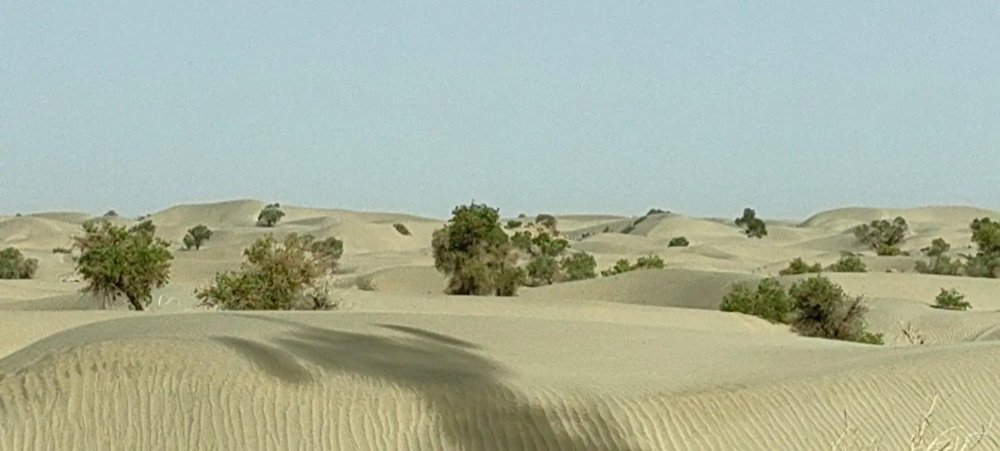
If you have two weeks, add Turpan at the end for the contrast: from golden cold grasslands to a desert basin where September days still hit 30°C. The heat is finally bearable and the Turpan sights are empty compared to summer.
Common September Mistakes
Booking Kanas accommodation only a week ahead in late September. It sells out. Assuming the Duku is open. Planning a strict daily schedule that breaks the moment a pass closes. And underestimating how cold the nights get. Fix all four and September becomes the easiest, prettiest month to travel here.
One more: do not skip the small towns. The apricot and grape harvest in the south is winding down in September and the roadside stalls near Turpan and Kashgar are loaded with melons at their sweetest. Some of my best meals cost under 20 yuan from a cart by the highway.
Getting Here in September
Most travelers fly into Urumqi Diwopu International Airport, which has direct links to a dozen Chinese hubs and a handful of Central Asian cities. From there you either rent a car or take the overnight train north toward the Altay line. I prefer renting in Urumqi and driving, because the September light on the G216 and G217 corridors is half the reason to come. If you would rather not drive, the train network reaches most prefecture capitals and saves the fatigue, though it trades away the roadside stops that make September special.
September Costs and Booking Windows
Money-wise September is a good-news month. Domestic flights into Urumqi from Beijing, Shanghai, or Xi’an run cheaper in early September than in the July–August peak, often by 200–400 yuan if you book three weeks out. Car rental, however, holds its price because the rental companies know September is prime foliage season; a compact SUV still runs about 350–500 yuan a day including the mandatory insurance. The two-week ring-road plan I mentioned breaks down the daily fuel and toll math if you want the full picture.
The one thing to lock early is Kanas and Hemu lodging in the September 20–30 window. The wooden guesthouses inside the park are limited and the better ones are gone a month ahead. I learned this the hard way in 2021 when I ended up 40 km away in Burqin and lost two hours of driving a day. Book the in-park stay first, build the rest of the route around it.
Photography Notes for the Golden Window
If you are here for pictures, the light in late September is forgiving. The birch forests around Hemu glow at sunrise (around 7:30 a.m.) and again at sunset (around 7 p.m.). Get to the Hemu viewing platform before 7 a.m. to beat the bus tours. For Sayram, shoot the east shore in the morning when the sun is behind you and the water goes from grey to blue. A polarizing filter helps cut the glare on the lake but is not essential.
Bring spare memory cards. I shoot raw and filled a 64 GB card in four days. Drones are restricted inside Kanas park and near the border zones, so check the no-fly rules before you launch anything; the fine and the confiscation are not worth the shot.
September at a Glance
If you want the one-line version: September gives you the best weather, the best foliage, and the fewest crowds of any comfortable month, at prices below the summer peak. The only real trade is that some high passes can close after the first snow, so keep your route flexible. Pack for two seasons, book Kanas early, and you get the Xinjiang that ends up in people’s favorite photos.
Is September Right for You?
If your priority is foliage, photography, comfortable temperatures, and fewer people, September wins over every other month. If you want wildflowers and the greenest grasslands, come in June. If you want festivals and full summer energy, July and August. But for a first trip that shows Xinjiang at its most beautiful and most manageable, late September is the answer I give every time.