
Xinjiang in November: Quiet Roads, Low Prices, and Early Snow
November Is the Local’s Secret
Nobody puts November at the top of their Xinjiang list, and that is exactly why I like it. The autumn color is gone, the summer families are long home, and the first snow has usually dusted the north. What is left is a quiet, cheap, faintly wintery Xinjiang that few foreign travelers ever see. This guide explains what November really offers, who it suits, and how to travel it without fighting closed roads or frozen surprises. The month-by-month guide places November at the start of the low season for good reason.
The Weather: Cold, But Manageable
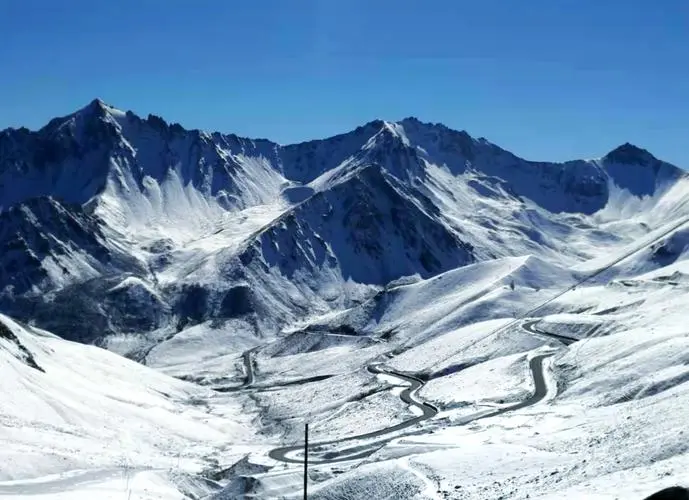
November in the north means daytime highs around 0 to 8°C and nights well below zero. Urumqi can sit at -5°C by day. The south stays milder, Turpan around 10–15°C, Kashgar 8–14°C. Snow is likely in the Altai and possible in the Ili Valley. This is not deep winter yet; it is the shoulder between autumn and the serious cold of December and January. I have driven the north in mid-November with clear roads and stunning frozen lakes.
The daylight is short, about nine hours, so plan drives for the light. The winter travel guide has the deeper cold-weather detail if you push later into the season.
What’s Open and What’s Not
Here is the trade. The high Duku Highway is closed for the season by November. The alpine guesthouses at Kanas and Hemu may be shut or running on skeleton staff; some close entirely after October. Sayram Lake is open but icy and windswept. The southern Silk Road, Kashgar, Turpan, Aksu, and the desert highways, stays open and is wonderfully empty.
I build November trips around the south and the city circuits, with an optional northern leg only if the weather is calm. The October guide is the bridge month if you want a little more autumn before the cold.

Prices and Crowds
This is the cheapest travel of the year. Rooms that cost 500 yuan in August ask 150 in November. Attractions are empty. I walked the Turpan ruins on a November morning and saw three other people in two hours. For a traveler on a budget, November is the obvious choice, and the budget breakdown shows the savings across styles.
Getting Around in November
If you self-drive, this is where preparation matters. Carrying snow chains is no longer optional in the north, and the winter tires guide explains whether to rent a winter-tired vehicle or fit chains. I always check the road-hotline status the night before, because a snow closure on a mountain pass can add a half-day detour. The south is mostly dry and easy, but a rare November storm can still close a desert highway for a few hours.
Trains are a smart November choice: warm, reliable, and unaffected by road snow. The southern line to Kashgar runs comfortably and lets you skip the driving stress entirely if the weather turns.
What November Does Beautifully
The light is low and soft, perfect for photography of the desert and the old towns. Kashgar’s old town (referenced in the broader guides) is atmospheric without the summer press. The hot springs near some northern towns are glorious in the cold. And the food, the winter stews, the hot naan, the roasted seeds, is at its most comforting. I eat better and cheaper in November than in any other month.
My November Loop
Fly into Urumqi, train or drive south to Turpan for two days, continue to Kashgar for three days of old-town wandering and a calm Pamir day if the road is clear, then loop back. If the weather is stable, add a northern swing to Sayram and the Ili Valley for frozen-lake scenery. That is about eight to ten days and it shows November’s quiet side without overreaching into deep winter.
Who November Is For
It suits the budget traveler, the photographer who wants empty frames, and the person who does not mind cold. It does not suit anyone whose heart is set on Kanas foliage or the Duku, both closed or past peak. Be honest about which you are. The winter guide is the next step if you actually want snow sports and deep cold.
November Photography: The Quiet Beauty
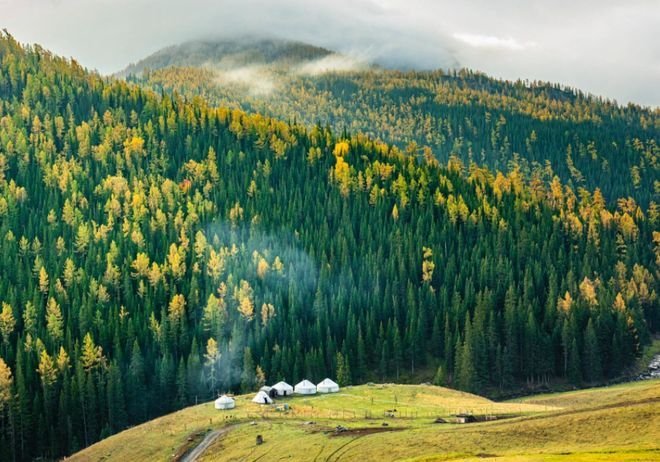
November is underrated for a camera. The crowds are gone, the light is low and golden, and the first snow on the northern mountains makes a clean graphic backdrop. I shot some of my favorite frames in Kashgar’s old town in November: empty alleys, smoke from a bread oven, an old man in a fur hat against a mud-brick wall. The winter guide has more on cold-weather camera care, but the short version is keep spare batteries inside your jacket and let the lens acclimatize slowly to avoid condensation when you come indoors.
The south is best for November photography because it stays dry and open. The desert highways at dawn, the ruined forts near Aksu, the markets of Hotan, all of it is accessible and empty. The budget guide shows how cheap the shooting trips get when rooms are a third of summer price.
Packing for a November Trip
This is a real cold-weather pack, not a spring pack. I bring a warm down jacket, a fleece, thermal base layers, a windproof shell, gloves, a hat, and serious shoes with grip for ice. The north can hit minus ten at night. A power bank is essential because cold murders batteries. And if you drive, the winter tires guide is required reading; I do not take the northern mountain roads in November on summer tires. The south is milder but a warm layer still rules the early morning ruins.
One more: days are short, about nine hours of light, so plan drives for the sun and use evenings for food and rest. The winter guide extends this into deeper cold if you push toward December.
November Quick Picks by Region
Because the north can be snowed in, I build November around the reliable south and the cities. Turpan is the easiest November win: dry, open, and fascinating, with the Flaming Mountains and the ruins at their most photogenic in low light and with no crowds. Kashgar and the southern Silk Road are mild and atmospheric; the old town in November is the version locals actually live in, not the summer stage. Aksu and the canyon country are calm and accessible. The north is a gamble: Sayram is open but icy and windswept, Kanas and Hemu may be partly closed, and the passes can snow. I include a northern leg only if the forecast is stable and I have winter tires or chains.
If you want a clean November plan, fly to Urumqi, train or drive south to Turpan for two days, continue to Kashgar for three, and loop back. Add a northern swing only as weather allows. That is eight to ten days of quiet, cheap, authentic travel that the summer crowds never experience.
November for the Slow Traveler
November suits a slower rhythm. With short days and cold evenings, I lean into long lunches, museum afternoons, and evening food streets rather than clocking kilometers. The budget guide shows how far a modest daily spend stretches when rooms are a third of summer price. I have spent a November week doing almost nothing but eating, walking old towns, and watching snow fall on a minaret, and it was one of my most relaxing trips. The cold keeps you moving, the emptiness keeps you calm, and the price keeps you longer.
November Road Safety Detail
The single most important November rule is to respect the cold on the road. Black ice forms on shaded mountain bends even when the valley looks clear, and a pass that was dry at noon can be sheet ice by dusk. I drive slower than I think I need to, keep a longer following distance, and never overtake on a curve. If snow starts, I pull over rather than push, because the desert highways are plowed but the mountain roads are not always, and a few hours waiting out a squall beats a slide into a ditch.
Carry more than you think: a full tank, water, a blanket, and a phone charger, because a breakdown in the cold is more serious than in summer. Tell someone your route and eta, and check the road-hotline status each morning. The winter tires guide is the prerequisite reading; I do not take the northern mountain roads in November on anything but proper winter tires or confirmed chains. Done right, November driving is calm and empty; done carelessly, it is the one month that can bite.
November in One Paragraph
The short version: November is Xinjiang at its quietest and cheapest, with empty roads, rooms at a third of summer price, and the first snow on the northern mountains. It suits budget travelers and photographers who do not mind the cold, and it rewards a slow, city-and-south itinerary over an ambitious northern loop. Build the route around what stays open, carry winter tires or chains up north, keep buffer days for weather, and November gives you a version of the region the summer crowds never see, for a fraction of the cost.
Who Should Choose November
To be direct: choose November if your priority is low cost, empty sights, and a quiet, authentic feel, and if you are comfortable with cold and flexible about which roads are open. Do not choose it if you must see Kanas in its full guesthouse glory or drive the Duku, both unreliable this month. I send budget-minded and repeat visitors to November happily, and I steer first-timers who want the headline landscapes toward September or June instead. Know which you are, and November becomes a gift rather than a compromise.
The November Mistake
Assuming everything is open because it was in September. November is a skeleton season; confirm each stop before you route to it, carry chains up north, and keep buffer days for weather. Do that and November gives you Xinjiang at its most authentic and its cheapest, a version the summer crowds never see.