
A Xinjiang Winter Itinerary: Snow Roads, Frozen Lakes, and the Quiet Season
Why I Started Driving Xinjiang in Winter
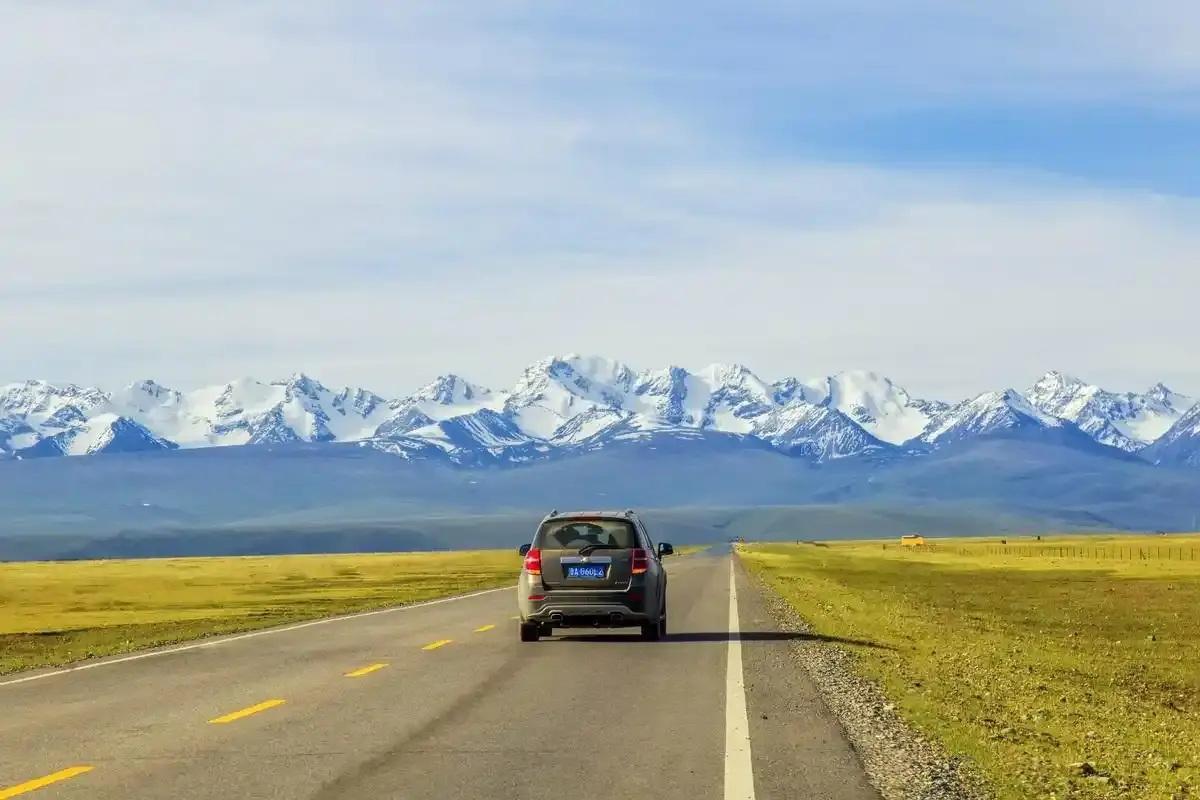
Most foreigners picture Xinjiang in summer: green grasslands, lavender fields, long daylight. I used to think the same. Then in December 2023 I pointed a rented 4WD north out of Urumqi and discovered the version of the region almost nobody talks about. The highways were empty. The hotels cost less than half of July rates. And Kanas, which I had visited once in a crowd of tour buses, was silent under a foot of snow with the lake frozen solid enough that locals were walking halfway across it.
This is a winter itinerary built from three separate cold-season trips I have driven between 2021 and 2025. It is not a stripped-down version of a summer route. Winter here changes the roads, the opening hours, and the risks, so the plan has to be its own thing.
The 10-Day Route at a Glance
Here is the backbone. Distances are real, measured on my own odometer, not optimistic map estimates.
- Day 1: Urumqi to Karamay (about 320 km, 4 hours on the G3014).
- Day 2: Karamay to Burqin (about 340 km, 4.5 hours).
- Day 3: Burqin to Kanas (about 140 km, but allow 3 hours; the last stretch is slow mountain road).
- Day 4: Kanas and Hemu Village, full day.
- Day 5: Kanas to Wucaitan (Colorful Beach) and back toward Karamay (about 480 km total).
- Day 6: Karamay to Urumqi (320 km), rest and resupply.
- Day 7: Urumqi to Tianchi (Heavenly Lake), about 110 km round trip.
- Day 8: Urumqi to Fukang hot springs region (about 200 km round trip).
- Day 9: A second Tianchi or the southern suburbs of Urumqi.
- Day 10: Fly out or hand the car back.
This is a northern loop. If you want the south, winter gets harder: the Taklamakan edge is cold but the Pamir passes can close without warning, so I keep the winter plan north of the Tianshan.
Day 1-2: Urumqi to Burqin
Start in Urumqi with a full tank and winter tires already fitted. I cannot stress this enough: do not rely on all-season tires. The G3014 to Karamay is flat and fast, but the wind off the Junggar Basin drops the feeling of temperature well below the thermometer. At Karamay I stopped at the oil-city museum for an hour; it is warm, cheap (about ¥30 entry), and a good way to understand why this province runs on energy.
Day 2 to Burqin is the prettiest stretch of the early route. The land opens into frozen pasture and the occasional smoked-fish stall. Burqin itself is a tidy little town on the Burqin River, and it is the last real resupply point before Kanas. Fill up here. The nearest reliable fuel after Burqin is inside the Kanas scenic area, and winter prices run about ¥7.8 per liter for diesel and ¥8.1 for 92-octane gasoline.
Day 3-4: Kanas and Hemu in Deep Cold
The road from Burqin to Kanas climbs into the Altai. By the time you reach the ticket gate the elevation is around 1,300 meters and the temperature in December can sit at minus 25 Celsius. The scenic area runs a shuttle, but with your own car you can park in the designated lots and walk the boardwalks. I did the lake loop in the morning when the light is flat and silver, then drove the shorter road to Hemu Village.
Hemu is where winter pays off. The wooden cabins, the frozen river, and the smoke from breakfast fires make it look like a postcard that forgot to be crowded. Stay overnight if you can. The guesthouses inside the village charge ¥280-¥450 a night in December versus ¥900-plus in August. Bring cash; the card reader at the small place I stayed failed for two days straight.
A practical note on fitting snow chains: on the final climb to Kanas the rangers sometimes require them even with winter tires. I carry a pair of ladder-style chains rated for my tire size and can fit them in about four minutes per wheel. Practice once in a car park before you need to do it at minus 20 with gloves on.
Day 5-6: Back via Colorful Beach and Karamay
On the way south I stopped at Wucaitan, the “Colorful Beach,” where the frozen riverbank shows striped clay in orange and grey. In summer it is a sunset spot; in winter the midday sun is enough. Then it is a long but easy run back to Karamay and on to Urumqi.
Use the rest day in Urumqi to check the car. I learned the hard way that a weak battery dies fast in cold. A shop near the Diwopu area tested mine for free and sold a replacement for ¥420. Cheaper than a tow from a frozen highway.
Day 7-8: Tianchi and the Hot Springs
Heavenly Lake, or Tianchi, sits about 2,000 meters up the Tianshan east of Urumqi. In winter the cable car may run only on weekends, so check ahead. The walk around the frozen shoreline is the draw. Entry in winter is about ¥100 including the shuttle, half the summer price.
For the hot-spring day, head to the Fukang and Wenquan area. After four days of driving on snow, sitting in an outdoor pool at 40 Celsius while the air is minus 15 is the single best recovery I know. The better resorts charge ¥150-¥260 for a day pass. I wrote more about the options in my notes on natural hot springs after long drives.
What Winter Actually Costs
For two people sharing a car and rooms, my December trip ran about ¥6,800 all in: car rental ¥3,200 for ten days (winter is the cheapest season), fuel around ¥900, park entries and shuttles about ¥700, and the rest on food and rooms. That is roughly 40% less than the same loop in July. The catch is flexibility: a closed pass or a snow day can rewrite the plan, so I always keep one buffer day.
Driving Realities You Should Respect
Daylight in December starts around 09:30 and is gone by 17:30. That gives you roughly seven driveable hours of light. Plan shorter legs than you would in summer. Black ice hides under fresh snow on shaded bends, especially on the Duku approach roads. Slow down before you think you need to.
If you want the bigger picture on winter in Xinjiang including clothing and cold-injury basics, read that first. And if you are timing a Christmas-or-New-Year visit, my breakdown of visiting in December covers the exact opening hours I found at each gate.
What to Pack for the Cold Drive
After the first trip I made a fixed checklist, and it has saved me every year since. Layer a thermal base, a fleece mid-layer, and a real down jacket; the cheap “winter coats” sold at Urumqi’s bazaar look thick but leak wind. I carry two pairs of gloves: thin liner gloves for handling the phone and chains, and heavy mittens for walking. A thermos filled at the hotel each morning is worth more than any gadget. For the car, beyond chains, I pack a folding shovel (the ¥60 kind from a hardware shop), a reflective warning triangle, and a 12-volt tyre inflator. Phone signal on the Altai roads is decent near towns but vanishes in the valleys, so I download offline maps before leaving Burqin.
Where to Eat on the Route
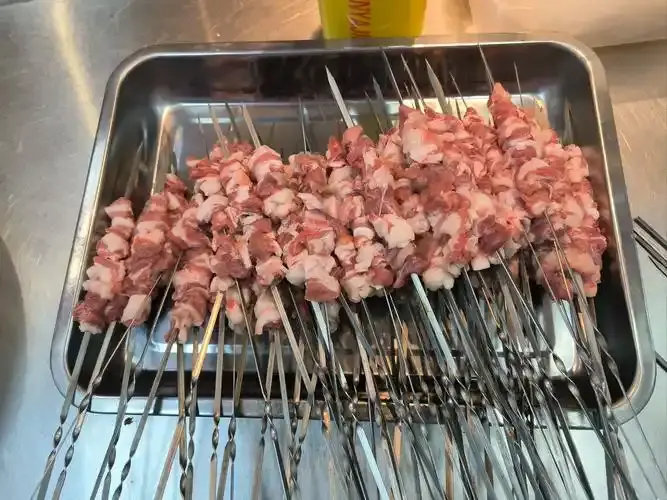
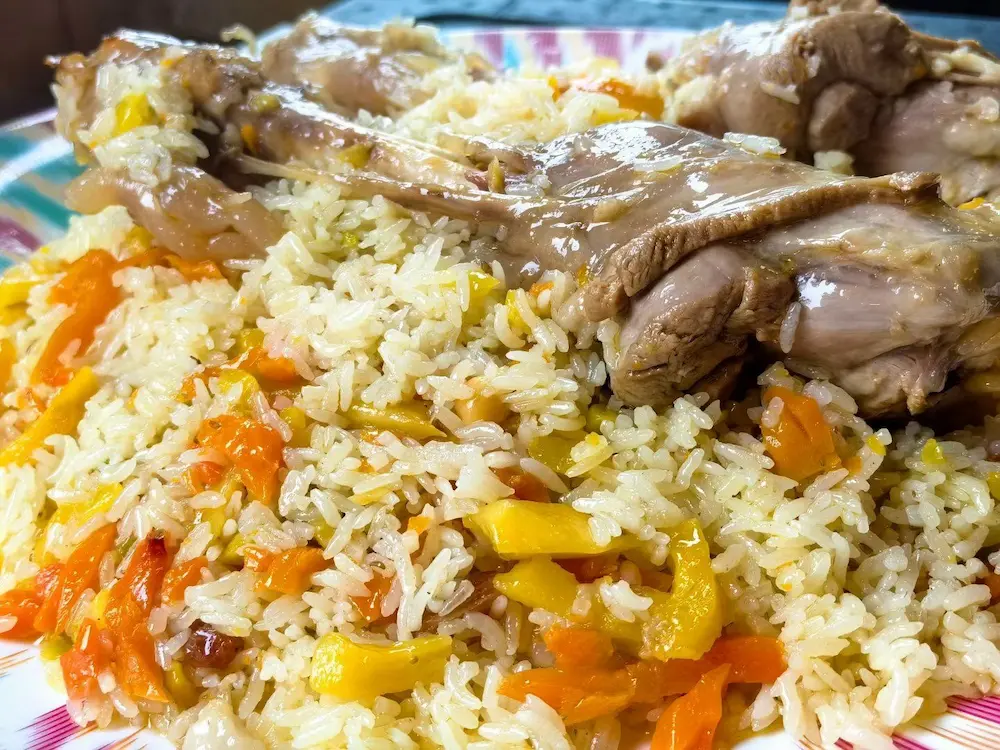
North Xinjiang in winter feeds you well if you know what to order. In Burqin, the riverside strip has hotpot places where a beef-and-cabbage pot for two runs about ¥98 plus ¥8 per side dish. Ask for the local smoked fish (huotun yu) if they have it; a small plate is around ¥45. Inside Kanas village the restaurants stay open but the menu shrinks, so I eat a big lunch and keep instant noodles and fruit in the room for dinner. In Karamay, the night market thins out in December but the naan bakeries run all day, and a fresh sesame naan is ¥3-¥5. Urumqi is the easy one: the International Grand Bazaar area has laghman noodle shops where a bowl is ¥22-¥30, and the hand-pulled biangbiang noodles near the south gate are the best ¥18 I spend on the whole trip.
Permits and Checkpoints in Winter
The border regions of Xinjiang sit behind a permit system, and winter does not suspend it. Kanas itself does not need a special border permit for foreign visitors, but if your route ever swings toward the Kazakhstan or Mongolia edge counties, you will. I keep a copy of my passport and the relevant paperwork as PDFs on my phone and a paper set in the glove box. The highway checks are routine: a document scan, a polite exchange, sometimes a look in the trunk. They are more frequent on the smaller roads north of Burqin, so having everything ready keeps the stop to under five minutes.
A Sample Day-by-Day Timeline
To show the pacing, here is how Day 3 actually went for me. Left Burqin guesthouse at 08:45, temperature minus 23. Reached the Kanas gate at 10:20 after a fuel stop (¥200, full tank). Paid the winter combined ticket ¥100 at the quiet booth, no queue. Drove the inner road to the lake parking by 11:00, walked the east boardwalk until 13:00. Lunch at a village canteen: fried rice with egg, ¥25. Back in the car at 14:00, reached Hemu by 15:30, checked into a wooden cabin, and was in the hot pool behind the lodge by 16:00 as the light faded. That is a full but unhurried day, and it only works because winter daylight is short and I started early.
Common Mistakes I See
The biggest one is underestimating the cold’s effect on the plan. People book a 600 km day thinking they will drive it like summer, then lose two hours to a slow, icy pass. The second is skipping the chains and assuming winter tires are enough; rangers and black ice disagree. The third is not booking the Kanas or Hemu room ahead. Even in low season the good cabins sell out on weekends because domestic skiers fill them. Book three days before, not the morning of.
Wildlife and the Silent Valleys
Winter strips the region back to its bones, and that is when I noticed things I miss in summer. On the Burqin-to-Kanas road I watched a red fox cross a frozen stream at dusk, and near Hemu a small herd of domesticated yaks stood steaming in the cold while a herder rode past without a word. The birch forests, bare and silver, frame the frozen lake in a way the green summer cannot match. None of this is a zoo; it is the quiet reward of travelling when the coaches have gone home. I carried binoculars and used them more in three winter days than in two summer weeks.
Why I Keep Returning in the Cold
People ask why I go back to a place that tries to freeze me. The honest answer is the emptiness. In July the Kanas boardwalk is a procession; in December I had a viewpoint to myself for an hour. The cost drops, the light is clean and low, and the hot spring at the end of a snow day is the best thing I do all year. It is harder, no question, and the planning matters more. But the version of Xinjiang you meet in winter is the one the brochures never show, and once you have driven it silent, the summer crowds feel like a different country. That is why, against my own advice to first-timers, I keep booking the cold trips.
A Shorter 7-Day Winter Option
If ten days is too much, cut it. Days 1-4 stay (Urumqi to Kanas and Hemu), then skip the long southern return and fly or take the train from a nearby town back to Urumqi on day 5, with a Tianchi day on day 6 and a buffer on day 7. You lose the Colorful Beach leg but keep the headline snow experience. I did this compressed version with a friend who had only a week, and it worked; the key was protecting the two Kanas nights and not trying to add the south. Less is more when the days are short and the roads are icy.
My Honest Verdict
Winter is not for everyone. Some scenic areas shorten their hours, a few restaurants close, and you need to respect the cold. But if you want empty roads, low prices, and a landscape that looks nothing like the brochures, this is the season to come. I have now driven it three times and I would do it again. Just fit the tires, carry the chains, and leave the ego at the city limits.