
Sayram Lake: Xinjiang’s Alpine Gem – Complete Guide 2026
Introduction: The Alpine Gem That Takes Your Breath Away
For our complete Xinjiang Travel Guide, see our dedicated Xinjiang Travel Guide with practical details on safety, costs, and planning.
If there’s one place in Xinjiang that consistently makes visitors gasp audibly when they first see it, it’s Sayram Lake (also spelled Sayram Hu). Located in the northern part of Xinjiang, at an elevation of 2,073 meters (6,800 feet) above sea level, this alpine lake is a masterpiece of nature – a deep blue oval of water, ringed by snow-capped mountains, wildflower-covered meadows in summer, and pristine silence that feels worlds away from the bustle of modern life. For travelers embarking on Xinjiang free independent travel, Sayram Lake is not just a destination – it’s an essential, transformative experience.
 Xinjiang travel guide 塔克拉玛干沙漠.jpg” width=”800″ height=”500″ />
This comprehensive 2026 guide covers everything you need to know to plan a memorable visit to Sayram Lake: from the best times to go and how to get there, to where to stay (yurts vs. hotels), what to do (hiking, photography, cultural experiences), and practical tips that will make your trip smooth, safe, and deeply rewarding. Whether you’re a nature lover, a photographer, a cultural enthusiast, or a family with children, Sayram Lake has something magical for you. For China Xinjiang DIY travel planners, this is one destination you simply cannot miss.
Understanding Sayram Lake: Geography and Significance
Sayram Lake is situated in the Bortala Mongol Autonomous Prefecture, approximately 90 kilometers (56 miles) southwest of Bole City and about 150 kilometers (93 miles) fro
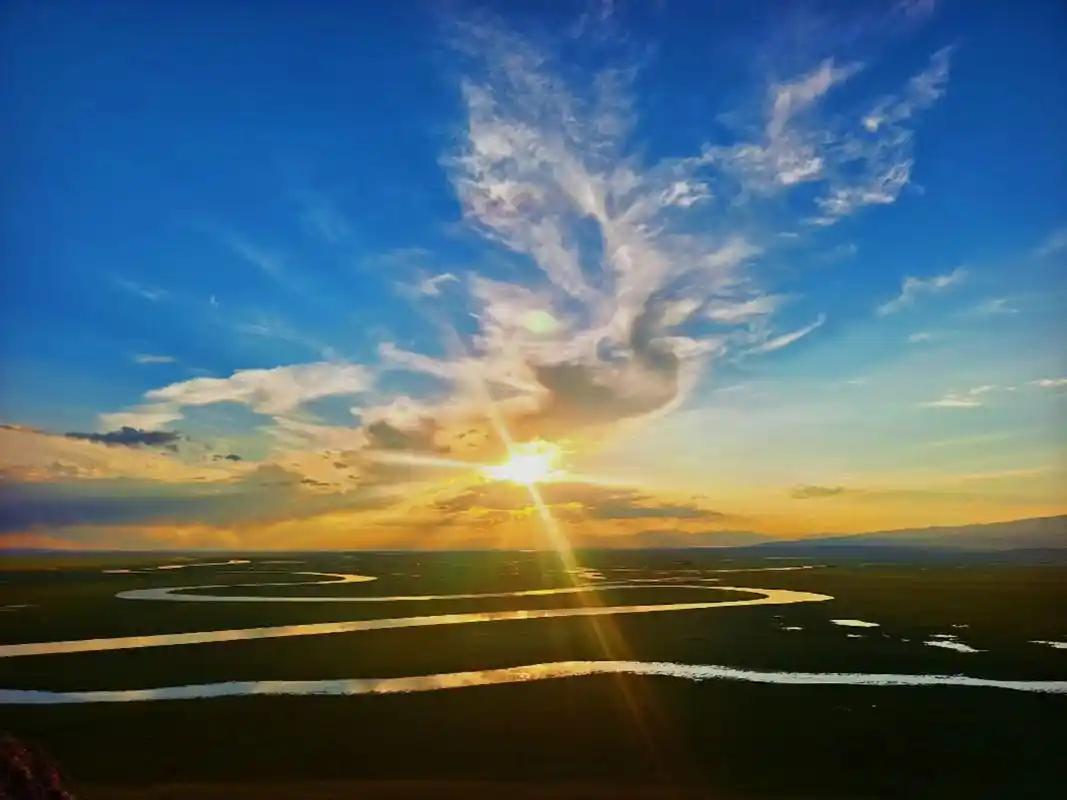
m Yining (the capital of the Ili Valley). The lake covers an area of about 458 square kilometers (177 square miles) and is the largest alpine lake in Xinjiang.
The name “Sayram” comes from the Mongolian language, meaning “blessing” or “sacrifice.” According to local legend, a young Mongolian hero and a fairy fell in love at the lake, and their tears formed its waters. Today, the lake is considered sacred by local Mongolian and Kazakh communities, who sometimes perform rituals and make offerings at its shores.
What makes Sayram Lake so special (and so photogenic) is the combination of factors:
- Alpine setting: At 2,073m above sea level, the lake is surrounded by mountains that are permanently snow-capped (even in summer). The reflection of these snow peaks in the lake’s crystal-clear water creates a scene that looks almost artificial in its perfection.
- Water color: The lake’s water is an intense, mesmerizing blue – a result of its depth (up to 92 meters / 302 feet in some areas), mineral content, and the way light hits the water surface. On sunny days, the color shifts from deep sapphire to bright turquoise as clouds move across the sky.
- Seasonal transformations: Sayram Lake changes dramatically with the seasons. In June-July, the surrounding meadows explode with wildflowers (primroses, irises, gentians). In September-October, the nearby forests turn gold and red, creating a spectacular contrast with the blue water. In winter, the lake freezes over, creating a crystal-clear “ice mirror” that’s equally breathtaking.
- Cultural significance: The lake is considered sacred by local Mongolian and Kazakh communities. You may see prayer flags, ovoo (stone cairns for rituals), or locals performing clo
ckwise circumambulations around the lake (a Buddhist and shamanic practice).
For travelers seeking authentic Xinjiang solo travel experiences, Sayram Lake offers not just natural beauty but also opportunities for cultural exchange and spiritual reflection.
Best Time to Visit Sayram Lake in 2026
Choosing the right time to visit Sayram Lake can dramatically affect your experience. Here’s a season-by-season breakdown:
Getting to Sayram Lake: Transportation Guide
Sayram Lake is relatively remote, but recent infrastructure improvements have made it much more accessible. Here are your options:
Option 1: Fly to Yining, Then Drive (Recommended)
Yining Airport (YIN) is the closest airport to Sayram Lake, about 150 kilometers (93 miles) away. Multiple daily flights connect Yining to Urumqi (1.5 hours) and some direct flights from other Chinese cities. From Yining Airport, you can:
- Rent a car: The drive from Yining to Sayram Lake takes about 2.5-3 hours on well-paved highways and scenic mountain roads. A sedan can handle the drive (it’s all paved roads), but an SUV gives you more confidence and is better if you plan to detour to side attractions.
- Hire a private driver: This is the most hassle-free option. A private driver (in an SUV or minivan) costs approximately 600-1,000 CNY (85-140 USD) per day, including the driver’s meals and accommodation. The driver can also act as an informal guide, suggesting the best viewpoints and photo spots.
- Take a long-distance bus: Buses depart from Yining Bus Station to Bole City (the closest city to Sayram Lake) daily. The journey takes about 2-3 hours and costs 50-70 CNY (7-10 USD). From Bole, you’ll need to take a taxi or arrange a pickup to Sayram Lake (about 1 hour, 150-200 CNY / 21-28 USD).
Accommodation at Sayram Lake: From Yurts to Hotels
One of the highlights of visiting Sayram Lake is the opportunity to stay overnight – either in a traditional yurt right by the lakeshore, or in a hotel in the nearby area. Here are your main choices:
1. Yurt Stays: The Most Authentic Experience
Several yurt camps are set up along the northern and eastern shores of Sayram Lake during the open season (June-September). Staying in a yurt allows you to witness sunrise and sunset over the lake (when the light is most magical), stargaze at night (the lack of light pollution makes for incredible night sky viewing), and experience the nomadic lifestyle firsthand.
What to expect: Yurts are round, felt-covered tents that have been used by nomadic peoples in Central Asia for thousands of years. They are surprisingly comfortable, with thick felt walls that keep them warm in winter and cool in summer. Inside, you’ll typically have wooden beds with thick mattresses, blankets, and sometimes even electric heating pads (for cold nights). Meals are usually shared with the host family – expect hearty noodle dishes, homemade dairy products (yogurt, cheese, milk tea), and maybe even freshly slaughtered lamb if you’re lucky and the family has the means.
Cost: 150-400 CNY (21-56 USD) per person per night, usually including all meals. For DIY Xinjiang travel budget planners, yurt stays offer exceptional value – you get accommodation, meals, and cultural immersion for a very reasonable price.
Booking: You can book yurt stays through your hotel in Bole or Yining, directly at the Sayram Lake visitor center, or via Chinese travel platforms like Ctrip (which has an English version). In peak season (June-August), book at least 1-2 weeks in advance.
Things to Do at Sayram Lake: Activities and Attractions
Sayram Lake is not a place for rushed sightseeing – it’s a place to slow down, breathe fresh mountain air, and immerse yourself in nature and culture. Here are the top activities:
2. Photography: A Paradise for Lens Lovers
Sayram Lake is, quite simply, a photographer’s dream. Every direction offers a postcard-worthy composition: the intense blue water, snow-capped peaks, wildflower meadows, and the colorful tents of yurt camps. Here are some photography tips:
- Golden hour: The light is magical in the early morning (6:00-8:00 AM) and late afternoon (7:00-9:30 PM in summer). The low sun angle creates warm, soft light and long shadows that add depth to landscape photos.
- Night sky: Sayram Lake’s high altitude and lack of light pollution make it one of the best places in Xinjiang for astrophotography. On clear nights, the Milky Way is visible to the naked eye. Bring a tripod and a wide-angle lens for the best results.
- Cultural portraits: If you want to photograph local people (especially Mongolian or Kazakh nomads), always ask permission first. Most are happy to pose, and some may even invite you for milk tea afterwards. A small gift (like a souvenir from your country or some fruit) is a nice gesture of appreciation.
Practical Tips for Visiting Sayram Lake
1. Altitude and Acclimatization
Sayram Lake sits at about 2,073 meters (6,800 feet) above sea level. While not extremely high, some visitors may experience mild altitude sickness (headache, fatigue, dizziness). To minimize risk: spend a night at a lower elevation (like Yining, at 800m) before going to Sayram Lake, stay hydrated, avoid alcohol for the first 24 hours, and consider consulting your doctor about medication (like acetazolamide) before traveling.
2. What to Pack
Even in summer, Sayram Lake’s weather can be unpredictable. Essential items include:
- Layers of clothing (t-shirt, fleece, waterproof jacket)
- Sturdy walking shoes or hiking boots
- Sunscreen (SPF 50+), sunglasses, and a wide-brimmed hat (the sun is intense at high altitude)
- Insect repellent (mosquitos can be bothersome in June-July)
- Reusable water bottle (tap water is not safe to drink; buy bottled water or use a filter)
- Power bank (electricity can be unreliable in yurt camps)
- Cash (many yurt camps and small shops don’t accept cards or mobile payment)
3. Respecting Local Customs
The area around Sayram Lake is home to Mongolian and Kazakh communities, both of whom have distinct cultures and customs. Here are some do’s and don’ts:
- DO dress modestly, especially when visiting religious sites or rural areas.
- DO ask permission before taking photos of people, especially women and religious figures.
- DO learn a few basic phrases in Mongolian or Kazakh. Locals appreciate the effort, and it can help in situations where English isn’t spoken.
- DON’T disturb prayer flags, ovoo (stone cairns), or other religious structures.
- DON’T swim in the lake (it’s considered sacred by locals, and the water is extremely cold even in summer).
Conclusion: Sayram Lake Will Steal Your Heart
Sayram Lake is more than just a picturesque alpine lake – it’s an experience that will stay with you long after you’ve returned home. The combination of breathtaking natural beauty, rich cultural heritage, and the warmth of the nomadic people creates a travel memory that is truly unique. Whether you’re watching the sunrise over a sea of blue water, sharing milk tea with a nomad family in their yurt, or gazing up at a sky brilliant with stars, Sayram Lake will remind you why we travel in the first place – to connect with the world, with others, and with ourselves.
So add Sayram Lake to your itinerary, pack your sense of adventure (and a warm jacket!), and get ready for an experience that will redefine what you thought was possible in a single place. For more Xinjiang travel tips, Sayram Lake guides, and up-to-date information, keep exploring our website – we’re passionate about helping you discover the magic of this extraordinary region.