
Altai Powder Snow: A 7-Day Ski Itinerary
When most travelers think of Xinjiang, they picture epic summer road trips along the Duku Highway, golden birch forests in Kanas during autumn, or the lavender fields of Yili in June. But there’s a side of Xinjiang that’s rapidly gaining international attention — its world-class powder snow and a winter sports culture that literally goes back thousands of years.
The Altai region in northern Xinjiang is widely recognized by archaeologists and historians as the birthplace of skiing. Ancient rock paintings in the area, dating back over 10,000 years, depict hunters on wooden planks gliding across snow — the earliest known representation of skiing anywhere on Earth. Today, that same region is home to some of Asia’s most impressive ski resorts, with reliable snow from November through April, massive vertical drops, and — perhaps best of all — crowds that are a fraction of what you’d find in Japan or the Alps.
Why Choose Xinjiang for Your Ski Trip?
Xinjiang’s Altai region offers several advantages that set it apart from more famous ski destinations:
- Reliable powder snow: The continental climate brings consistent snowfall from November through April. The snow quality in Altai rivals that of Hokkaido or the Rockies — light, dry, and deep.
- Long season: Koktokay Ski Resort typically opens in mid-October and stays open until early May — a 240-day season that is the longest in China.
- Massive terrain: Hemu Gukepulin, Asia’s largest ski resort, boasts 103 trails spanning 108 kilometers with a vertical drop of 1,466 meters — the biggest in China.
- Affordability: Lift tickets, accommodation, and dining cost a fraction of what you’d pay in Europe or North America, and even less than Japan’s popular resorts.
- No crowds: While Niseko or Whistler can feel like theme parks on a busy day, Xinjiang’s resorts still offer plenty of space to enjoy untouched powder.
The Three Pillars of Altai Ski Country
Most visitors base their Xinjiang ski itinerary around three resorts in the Altai region, each with its own character and strengths.
1. Koktokay International Ski Resort (可可托海)
Koktokay is the godfather of Xinjiang skiing. Located within the Koktokay World Geopark in Fuyun County, it was among the first world-class ski resorts to open in the region. Its stats are impressive: 23 trails, 61 km of groomed terrain, and a vertical drop of 1,350 meters.
What makes Koktokay special is its 9.7 km “Gemstone Avenue” (宝石大道) — an intermediate trail that ranks among the longest in the world. It’s a dream for intermediate skiers looking to put in serious mileage. Advanced skiers, meanwhile, head for the “Black Diamond Trail” — a short but ferocious pitch with a maximum gradient of 71.28%, making it one of the steepest marked trails in Asia.
Koktokay is also the resort for backcountry purists. The off-piste terrain includes natural features like the “Big White Slope,” U-shaped valleys, mushroom forests, and tree skiing — all accessible with proper safety gear. The resort’s location in a sheltered valley means light winds and surprisingly comfortable temperatures even in the depths of winter.
Best for: Intermediate and advanced skiers who want a long season, serious vertical, and access to world-class backcountry. Also ideal for those who want to combine skiing with sightseeing in the Koktokay Geopark.
2. Hemu Gukepulin International Ski Resort (禾木吉克普林)
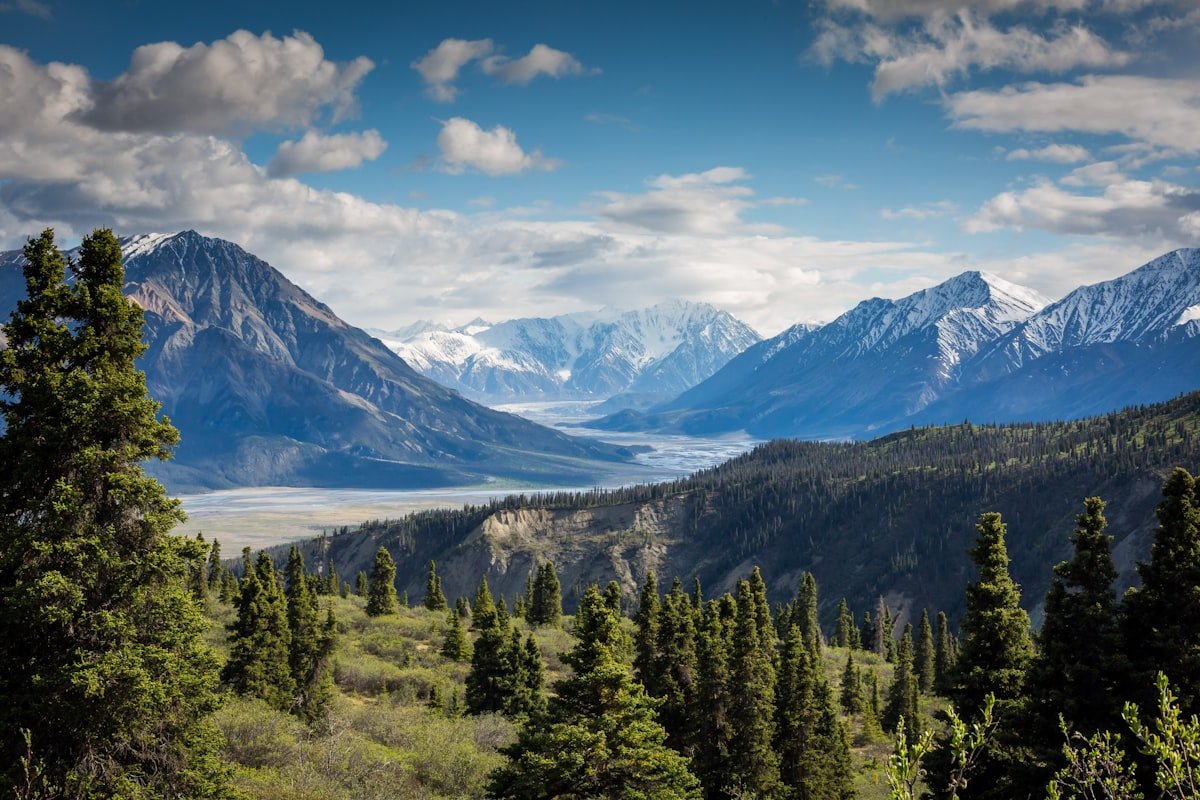 Hemu Village birch forest winter scenery Xinjiang”>
If Koktokay is the veteran, Hemu Gukepulin is the superstar. Opened in 2021 and expanded rapidly since, it has quickly become the marquee destination of Xinjiang skiing. The numbers tell the story: 103 trails, 108 km of groomed runs, a vertical drop of 1,466 meters, and — uniquely — 25 million square meters of off-piste terrain.
The resort sits above the fairy-tale village of Hemu, a Tuvan settlement of wooden cabins that looks like something out of a Nordic folk tale when blanketed in snow. Skiing here isn’t just about the terrain (though the terrain is spectacular); it’s about the entire experience of staying in a remote village where smoke rises from chimneys, horses wander through the snow, and the Milky Way stretches overhead at night.
Standout trails include the “Koktokay Trail” (11.2 km) — the longest single trail in Asia — and numerous advanced runs with gradients exceeding 30 degrees. The off-piste terrain is vast and, unlike Koktokay, largely free of rocks, making it more accessible to confident intermediates.
A word of caution: Hemu sits at elevation, and temperatures can drop below -30°C in January. Proper cold-weather gear is not optional.
Best for: Advanced skiers and strong intermediates who want the full package — massive terrain, authentic village atmosphere, and some of the best powder in Asia.
3. General Mountain International Ski Resort (将军山), Altay City
Conveniently located just 20 minutes from Altay City (the regional capital), General Mountain is the most accessible of the three resorts. It’s also the only one with night skiing — the floodlit trails stay open until 22:00, making it possible to ski under the stars after a day of sightseeing in the city.
While smaller than Koktokay and Hemu Gukepulin, General Mountain punches above its weight with well-groomed trails, a modern lift system, and a lively aprés-ski scene in nearby Altay City. It’s also the most foreigner-friendly resort, with English signage and international instructors available.
Best for: First-time visitors to Xinjiang, families, and those who want the convenience of a city base with night skiing.
7-Day Xinjiang ski itinerary (Altai Powder Run)
This itinerary is designed for intermediate to advanced skiers who want to experience the best of what Altai has to offer. It assumes arrival in Altay or Urumqi in the morning of Day 1.
Day 1: Arrival in Altay / Koktokay
Fly into Altay Xuedu Airport (AAT). If you have energy, head straight to General Mountain Ski Resort for an afternoon warm-up and night skiing. The resort is only 20 minutes from the airport. Stay in Altay City.
Where to stay: Altay City has a range of hotels; the Altay International Hotel and similar mid-range options are 10-15 minutes from the ski resort.
Day 2: General Mountain — Full Day
Spend a full day exploring General Mountain. The resort has terrain for all levels, so it’s a good place to gauge your fitness and get your ski legs under you. In the evening, explore Altay City — visit the local night market for Laghman noodles and grilled meats.
Day 3: Transfer to Koktokay (3.5 hours)
Arrange a private transfer from Altay to Koktokay Ski Resort (about 3.5 hours). Check into a ski-in/ski-out hotel or one of the resorts in Koktokay Town. Afternoon: collect rentals and do a few runs on the lower trails to get oriented.
Where to stay: Fanghua Kokoto Hotel (ski-in/ski-out) or Fujin Hotel in Koktokay Town (with shuttle to slopes).
Day 4: Koktokay — Full Day
Attack the legendary “Gemstone Avenue” (宝石大道) — the 9.7 km intermediate trail that winds through birch forests and open snowfields. If you’re advanced, venture into the backcountry zones (with proper gear and, ideally, a guide). Evening: relax at your hotel or visit the nearby Koktokay Town for dinner.
Day 5: Transfer to Hemu (4-5 hours)
This is a long travel day. Arrange a private transfer from Koktokay to Hemu Village (4-5 hours in winter conditions). Check into a wooden cabin in Hemu Village. The village itself is worth an afternoon of exploration — walk along the Hemu Bridge, visit the local Tuvan museum, and watch the sunset from the viewing platform.
Where to stay: Hemu has a range of guesthouses; book well in advance for winter. Look for places in “Old Village” for the most atmospheric experience.
Day 6: Hemu Gukepulin — Full Day
Your first full day at Asia’s largest ski resort. Start with the gondola to Cloud Peak (飞云台) and warm up on the intermediate trails. The “Koktokay Trail” (11.2 km) is a must — it’s an intermediate run, but the length and scenery make it unforgettable. Advanced skiers should head to the east side of the resort for steeper terrain and off-piste access.
Day 7: Hemu — Second Day + Village Exploration
A second day at Hemu Gukepulin gives you time to explore more of the 103 trails. In the afternoon, leave the slopes early and spend time in Hemu Village — visit a local Tuvan family, try the milk tea and kurut (dried yogurt), and photograph the birch forests in the soft afternoon light. Evening: farewell dinner in the village.
Extension option: If you have more time, add 2-3 days to explore the Kanas Lake area (accessible from Hemu by snowmobile or winter shuttle) or head back to Altay for more night skiing at General Mountain.
Practical Tips for Your Xinjiang Ski Trip
When to Go
- December-February: Peak winter. Guaranteed snow, very cold (-15°C to -30°C), fewer crowds around Christmas/New Year (except Chinese New Year, which gets busy).
- March-April: Spring skiing. Milder temperatures, still excellent snow, and the famous “short-sleeve skiing” days where you can ski in a t-shirt by afternoon.
- October-November: Only Koktokay is open (earliest in Asia). Good for avoiding crowds, but limited terrain.
What to Pack
- Extreme cold gear: Temperatures in Hemu and Koktokay can hit -30°C. Bring a quality down jacket, merino wool base layers, and windproof outer shell.
- Goggles with low-light lenses: Winter days in Xinjiang can be overcast; having a low-light lens is essential.
- Helmet: Mandatory at all three resorts.
- Sunscreen and lip balm: The sun reflecting off snow at altitude is intense, even in winter.
- Avy gear: If you plan to ski off-piste, bring (or rent) beacon, probe, and shovel. Some resorts require this equipment for backcountry access.
Getting There
- Fly to Altay (AAT): Direct flights from Urumqi (1.5 hours), Beijing, and Shanghai (seasonal). Most convenient option.
- Fly to Urumqi (URC) + train/bus: Urumqi has far more international connections. From there, take an overnight train or a 7-hour bus to Altay.
- Within Altai region: Private transfers are the most practical option. Your hotel can usually arrange these. Expect to pay 800-1,200 RMB per day for a private car.
Accommodation
Book well in advance, especially for Hemu Village and during Chinese New Year (dates vary, usually January-February). Winter is low season for general tourism but high season for skiing, so availability can be limited.
- Altay City: 300-600 RMB/night for mid-range hotels
- Koktokay Town: 400-800 RMB/night
- Hemu Village: 500-1,500 RMB/night (winter prices; summer is more expensive)
Costs (2025-2026 Season)
- Lift tickets: ~320-420 RMB/day (Koktokay/Hemu); ~280-380 RMB/day (General Mountain)
- Ski gear rental: ~100-140 RMB/day extra (or bring your own)
- Private transfer (Altay-Koktokay): ~800-1,200 RMB
- Meals: ~80-150 RMB/day (local restaurants); 200-300 RMB/day (hotel dining)
Beyond the Slopes: Winter Activities in Altai
Skiing is the main event, but there’s plenty to do off the slopes:
- Hemu Village: Snowshoeing, winter photography, visiting Tuvan families, and trying traditional foods like milk tea and hand-pulled noodles.
- Altay City: The Altai Regional Museum has fascinating exhibits on the region’s ski history and the ancient rock paintings.
- Hot springs: Several natural hot springs are within day-trip distance of Koktokay and Altay — the perfect way to soothe sore muscles after a big ski day.
- Winter photography: The combination of snow-covered birch forests, wooden cabins, and dramatic mountain backdrops makes Altai one of the most photogenic winter destinations in Asia.
Final Thoughts
Xinjiang’s Altai region is still something of a hidden gem in the global ski world — but that won’t last. As word spreads about the powder quality, the massive terrain, and the unique cultural experience of skiing in a region where the sport was born, visitor numbers are sure to grow. Now is the time to go.
Whether you’re a season pass holder looking for a new adventure, or a first-time visitor to China who wants to combine world-class skiing with an off-the-beaten-path cultural experience, a Xinjiang ski itinerary delivers something truly unique. The combination of reliable snow, massive terrain, authentic village experiences, and costs that are a fraction of the Alps or Japan makes it an easy choice for the adventurous skier.
Last updated: June 2026. Resort opening dates, lift ticket prices, and accommodation availability may vary by season — always check with resorts directly before traveling.