
Best Time to Visit Xinjiang in 2026: Month-by-Month Guide
Introduction: Timing Your Xinjiang Adventure
For our complete Top Xinjiang Attractions, see our dedicated Top Xinjiang Attractions with practical details on safety, costs, and planning.
Choosing the best time to visit Xinjiang – China’s largest province, a land of superlatives with scorching deserts, snow-capped mountains, vast grasslands, and ancient Silk Road cities – can make or break your trip. The region’s extreme continental climate means that weather, accessibility, and even which attractions are open vary dramatically from month to month. This comprehensive month-by-month guide for 2026 will help you decide when to go based on your interests, tolerance for crowds and weather extremes, and the specific experiences you hope to have during your Xinjiang free independent travel adventure.
Whether you’re dreaming of hiking through flower-covered grasslands, exploring the world’s deepest canyon, witnessing ancient Silk Road traditions in a bustling bazaar, or experiencing the magic of a desert sunset, this guide covers the best (and worst) times to visit each of Xinjiang’s diverse regions. By the end, you’ll know exactly when to book your flights and accommodation for the Xinjiang experience of your dreams. For China Xinjiang DIY travel planners, this guide is an essential resource.
Understanding Xinjiang’s Climate and Seasons
Before diving into the month-by-month breakdown, it’s helpful to understand Xinjiang’s climate fundamentals:
- Continental climate: Xinjiang is far from any ocean, resulting in extreme temperature variations between day and night, and between summer and winter. In Urumqi, summer temperatures can reach 40°C (104°F), while winter temperatures can drop to -30°C (-22°F).
- Regional differences: Northern Xinjiang (around Urumqi, the Ili Valley, and the Tianshan Mountains) is generally cooler and wetter, with distinct seasons. Southern Xinjiang (the Tarim Basin, including Kashgar, Hotan, and the Taklamakan Desert) is drier, hotter in summer, and milder in winter.
- Altitude effects: Many of Xinjiang’s top attractions are at high altitude (over 3,000 meters / 9,800 feet). Even in summer, nights can be cold at these elevations. Always pack layers, regardless of when you visit.
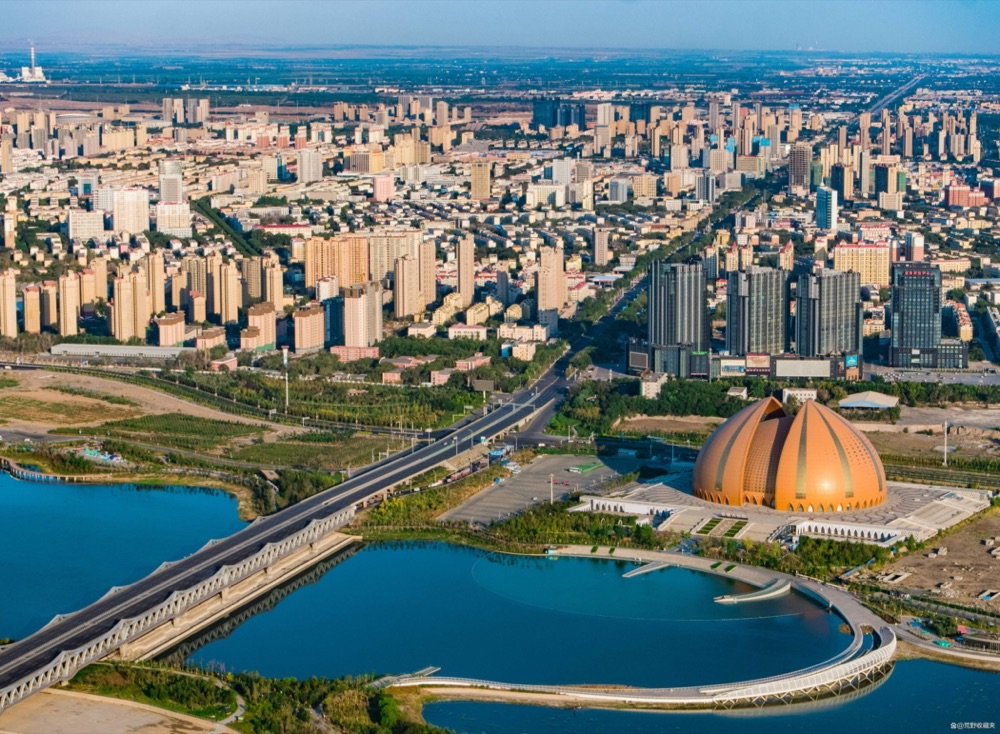
Month-by-Month Guide: When to Visit Xinjiang in 2026
January: Winter Wonderland (But Very Cold)
Weather: Extremely cold. Urumqi: -15°C to -5°C (5°F to 23°F). Kashgar: -10°C to 2°C (14°F to 36°F). Heavy snow in mountainous areas.
Pros: Few tourists, beautiful snow landscapes, ice festivals (like the Urumqi Ice and Snow Festival), great for winter sports enthusiasts.
Cons: Many high-altitude roads and attractions closed due to snow, very short daylight hours (around 9:00 AM to 6:00 PM), need serious winter gear.
Best for: Winter sports, photography of snow landscapes, experiencing authentic local life without tourist crowds.
Not recommended for: First-time visitors, road trips, or those who dislike extreme cold.
February: Still Winter, But Days Getting Longer
Weather: Similar to January, though daylight hours are noticeably longer by mid-to-late February. Spring Festival (Chinese New Year) usually falls in this month – expect transport and accommodation price surges, and some businesses closed.
Pros: Ice festivals continue, possibility of witnessing traditional New Year celebrations in rural areas.
Cons: Still very cold, some attractions remain closed, domestic tourists during Spring Festival week (if it falls in February).
Best for: Those who missed January’s ice festivals, cultural experiences around Spring Festival.
Not recommended for: Road trips, high-altitude areas (still too snowy).
March: Spring Awakening (Unpredictable Weather)
Weather: Highly variable. Early March can still feel like winter, while late March brings the first signs of spring (budding trees, melting snow). Sandstorms possible in desert areas.
Pros: Fewer tourists than in peak season, possibility of seeing both snow and spring flowers in the same week (especially in the Ili Valley), lower prices for accommodation.
Cons: Unpredictable weather (pack for both winter and spring), some higher altitude roads may still be closed, attractions may have limited opening hours.
Best for: Budget travelers, photographers who don’t mind challenging weather, seeing the region transition from winter to spring.
Not recommended for: Those who want guaranteed access to all attractions, or who dislike weather uncertainty.
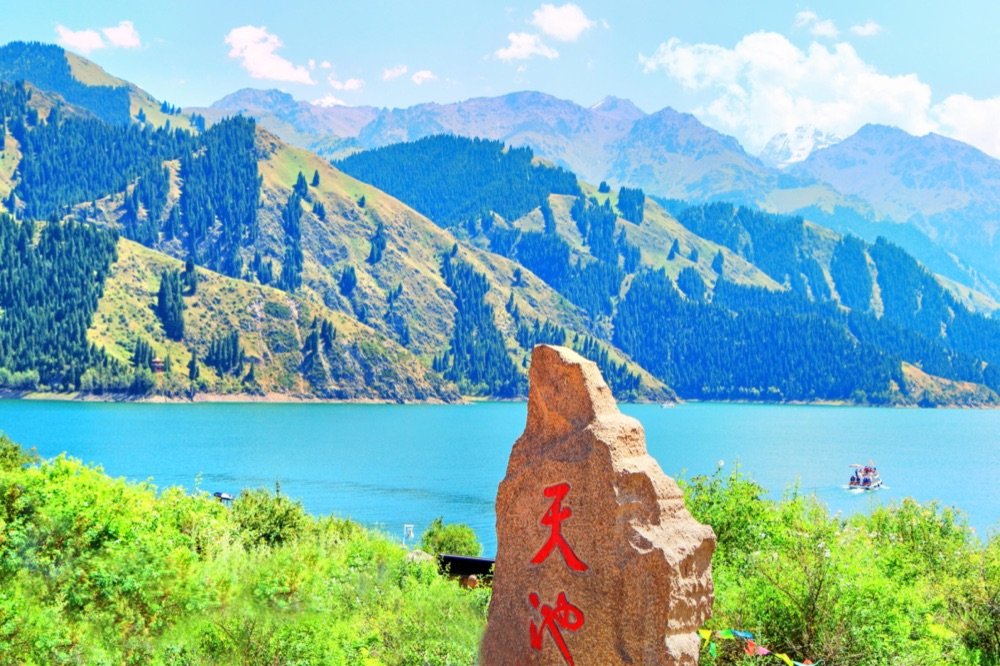
April: Spring in Full Swing (Best Shoulder Season)
Weather: Mild and pleasant in most areas. Urumqi: 5°C to 18°C (41°F to 64°F). Kashgar: 10°C to 22°C (50°F to 72°F). Occasional sandstorms in southern Xinjiang.
Pros: Comfortable temperatures, wildflowers starting to bloom (especially in the Ili Valley), few tourists, lower prices, all attractions开始 opening.
Cons: Some higher altitude areas (like Karakul Lake) may still be chilly, occasional dust storms can affect visibility.
Best for: First-time visitors who want good weather without crowds, photographers, budget-conscious travelers. This is widely considered one of the best times for Xinjiang solo travel.
Not recommended for: Those who want to see the grasslands in full summer bloom (come in June-July for that).
May: Late Spring, Ideal for Most Travelers
Weather: Warm and increasingly summer-like. Urumqi: 12°C to 25°C (54°F to 77°F). Kashgar: 15°C to 28°C (59°F to 82°F).
Pros: Comfortable temperatures across the region, grasslands turning green (though not yet at peak bloom), fruit trees in blossom, ideal for hiking and outdoor activities.
Cons: Domestic tourist numbers start increasing (especially around Labor Day holiday, May 1-5), prices beginning to rise.
Best for: Outdoor enthusiasts, cultural explorers, those who want a balance of good weather and manageable crowds. May is often cited as the best month for DIY Xinjiang travel itineraries.
Not recommended for: Those who want absolute solitude (it’s getting busier).
June: Summer Begins, Grasslands in Bloom
Weather: Warm to hot in lower elevations, pleasant in mountains. Urumqi: 18°C to 30°C (64°F to 86°F). Grasslands (Nalati, Tianger): 10°C to 25°C (50°F to 77°F).
Pros: Grasslands in full bloom (June to early July is peak flower season), all attractions and roads open, long daylight hours (sunset after 10:00 PM in some areas!), excellent for hiking and yurt stays.
Cons: Peak season prices, increasing domestic tourist numbers, occasional afternoon thunderstorms in mountain areas.
Best for: Nature lovers, hikers, those wanting the full grassland experience, families on summer vacation.
Not recommended for: Those who dislike crowds or hot weather (southern Xinjiang can be very hot in June).
July: Peak Summer (Hot But Vibrant)
Weather: Hot, especially in southern Xinjiang and the Tarim Basin. Urumqi: 20°C to 34°C (68°F to 93°F). Turpan: Can exceed 40°C (104°F). Mountain areas remain pleasant.
Pros: All activities available (including desert camping, which is too hot in early summer but pleasant in July evenings), vibrant night markets, festivals (like the Grassland Naadam Festival in Mongol areas).
Cons: Peak season crowds and prices, intense heat in desert areas (limit noontime outdoor activities), occasional sandstorms.
Best for: Those who don’t mind heat, festival-goers, travelers who want the full summer experience.
Not recommended for: Heat-sensitive travelers, those seeking solitude.
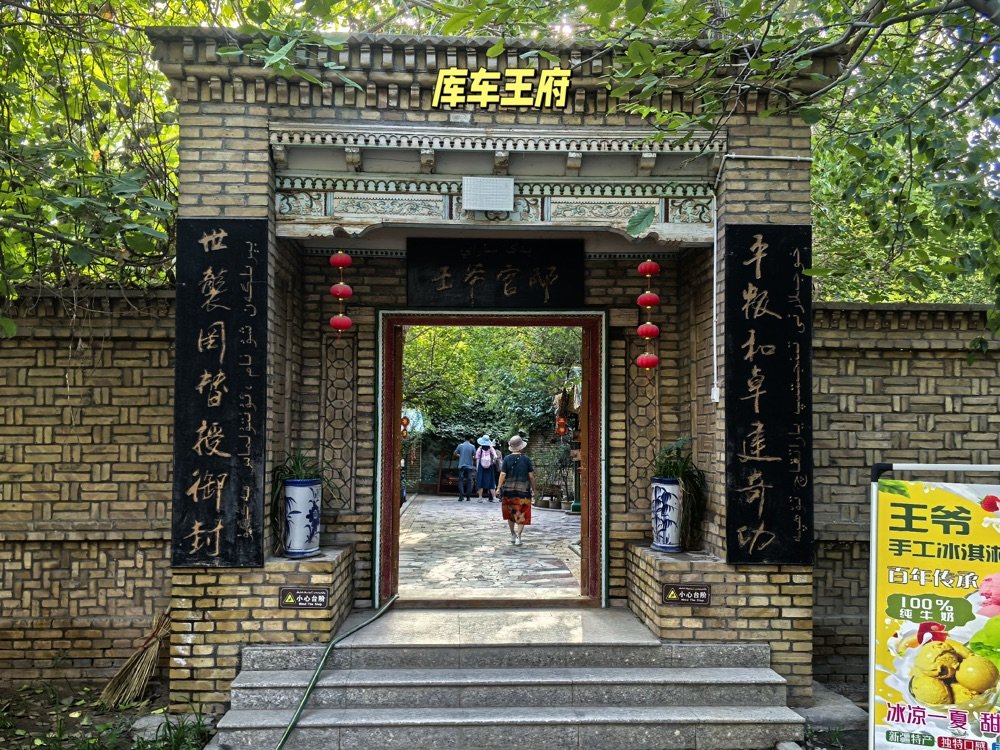
August: Still Peak Season, But Slightly Less Crowded
Weather: Similar to July, though nights start cooling down towards late August. Grasslands begin turning from green to golden.
Pros: Harvest season for many fruits (grapes in Turpan, melons across the region), slightly fewer domestic tourists than July (as schools reopen), excellent for food lovers.
Cons: Still hot in lower elevations, accommodation prices remain high.
Best for: Food-focused travelers, those who missed July but still want the summer experience.
Not recommended for: Those who prefer cooler weather or fewer crowds.
September: Autumn Arrives (Another Best Month)
Weather: Cooling down, with crisp, clear days. Urumqi: 10°C to 22°C (50°F to 72°F). Kashgar: 12°C to 25°C (54°F to 77°F).
Pros: Pleasant temperatures, autumn colors in forests (especially around Kanas Lake and the Tianshan Mountains), harvest festivals, fewer tourists than July-August, excellent for photography.
Cons: Grasslands turning brown (if that’s your main interest, come in June-July), some high-altitude areas may start closing towards late September.
Best for: Photographers, food lovers (fruit harvest!), those who want a balance of good weather and fewer crowds. September is arguably the best month for Xinjiang independent travel for most people.
Not recommended for: Those whose main interest is lush green grasslands.
October: Golden Autumn, But Getting Colder
Weather: Noticeably colder, especially at night. Urumqi: 2°C to 15°C (36°F to 59°F). Kashgar: 5°C to 18°C (41°F to 64°F). First snow possible in mountain areas.
Pros: Stunning autumn colors (especially in Kanas and the Tianshan Mountains), National Day holiday (October 1-7) brings vibrant atmospheres (but also crowds), fruit and grape harvests continue.
Cons: National Day holiday means domestic tourists and higher prices (book well in advance if traveling then), colder weather means some outdoor activities become less enjoyable, higher altitude areas may start closing.
Best for: Photographers (autumn colors are spectacular), those who don’t mind cooler weather, cultural enthusiasts (festivals and harvest celebrations).
Not recommended for: Those sensitive to cold, or who want to avoid holiday crowds.
November: Winter Approaches (Quiet and Cold)
Weather: Cold, with first significant snowfalls in many areas. Urumqi: -5°C to 5°C (23°F to 41°F). Kashgar: 0°C to 12°C (32°F to 54°F).
Pros: Very few tourists, winter landscapes beginning to form, lower prices, opportunity to see local life preparing for winter.
Cons: Many tourist facilities start closing for the season, cold weather limits outdoor activities, shorter daylight hours.
Best for: Budget travelers, those who enjoy winter atmospheres without the extreme cold of deep winter, photographers of stark landscapes.
Not recommended for: Those wanting to see lush landscapes or participate in outdoor summer activities.
December: Winter Sets In (Very Cold, But Magical)
Weather: Very cold. Similar to January. Snow covers most of northern Xinjiang.
Pros: Winter wonderland scenery, ice festivals begin (late December), very few tourists, opportunity to experience authentic winter life in Xinjiang.
Cons: Very cold, many attractions and roads closed, limited daylight hours, need serious winter gear.
Best for: Winter sports enthusiasts, those who don’t mind extreme cold, photographers of snow landscapes.
Not recommended for: First-time visitors (unless you love winter), those who dislike cold weather.
Conclusion: The Best Time Depends on You
As you can see, the best time to visit Xinjiang depends entirely on your interests, weather preferences, and tolerance for crowds. That said, the shoulder seasons (April-May and September-October, avoiding National Day holiday) offer the best balance of good weather, manageable crowds, and reasonable prices for most travelers.
Whenever you choose to visit, Xinjiang will reward you with extraordinary landscapes, rich cultures, and memories that will last a lifetime. Start planning, pack appropriately for the season, and get ready for an adventure like no other. For more Xinjiang travel tips and seasonal advice, keep exploring our website – we’re here to help you plan the perfect trip to this remarkable region.