
Xinjiang Spring Travel Itinerary: 7-10 Days of Apricot Blossoms, Grasslands, and Snow Mountains
Spring in Xinjiang is a magical season when the frozen landscapes slowly awaken, apricot blossoms paint the hillsides in pink and white, grasslands turn emerald green, and snow-capped mountains reflect in crystal-clear lakes. If you’re planning your first spring trip to Xinjiang, this 7-10 day itinerary will guide you through the region’s most spectacular seasonal highlights.
Why Visit Xinjiang in Spring?
Spring (March to May) is one of the most underrated times to visit Xinjiang. While summer attracts the largest crowds, spring offers several unique advantages:
- Apricot blossom season: From early April to mid-April, wild apricot trees burst into bloom across the Ili Valley and Pamir Plateau, creating some of China’s most photogenic landscapes.
- Fewer tourists: Except during the brief blossom peak, spring sees significantly fewer visitors than summer, meaning better hotel availability and more peaceful experiences at popular sites.
- Comfortable temperatures: Spring temperatures range from 5°C to 20°C in northern Xinjiang, and 10°C to 25°C in southern Xinjiang — pleasant for sightseeing without the summer heat.
- Lower prices: Accommodation and transport costs are generally 20-30% lower than peak summer rates.
- Dramatic landscapes: The contrast of melting snow, budding grasslands, and remaining winter ice creates uniquely layered scenery.
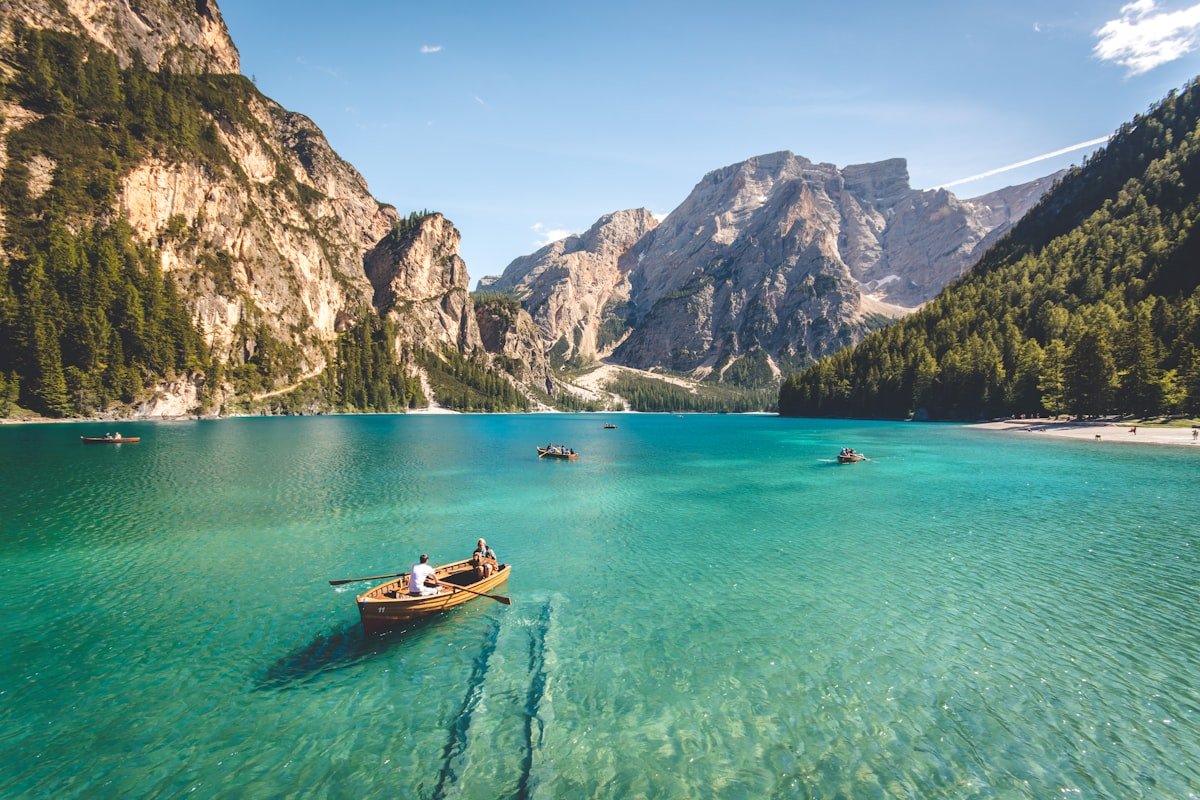 Nalati Grassland in spring – emerald green pastures with wildflowers and snow-capped mountains in the distance”>
Best Time for a Spring Itinerary
The ideal window for a spring trip to Xinjiang depends on what you want to see:
- Early spring (March): Winter lingers in northern Xinjiang, but southern Xinjiang (Kashgar, Hotan) becomes pleasantly warm. Good time to explore desert landscapes and Silk Road heritage sites without the heat.
- Mid-spring (early to mid-April): This is the famous apricot blossom season. The window is short — only about 10-20 days when the blooms are at peak. Timing is critical; plan to arrive in the Ili Valley or on the Pamir Plateau between April 10-25 for the best chance to see the blossoms.
- Late spring (May): Grasslands in the Ili Valley turn vivid green, wildflowers begin to appear, and temperatures become ideal for hiking and outdoor activities. This is also when the best time to visit Xinjiang transitions toward the summer season.
7-Day Spring Itinerary: Ili Valley & Apricot Blossoms
This compact route focuses on the Ili Valley during apricot blossom season and is ideal if you have limited time.
Day 1: Arrive in Yining (Ghulja)
Fly into Yining (Ili Valley). Check into your hotel and spend the evening exploring Liuxing Street and the local food scene. Try Laghman noodles and Uyghur kebabs at a local restaurant.
Day 2: Yining → Tuergen Apricot Blossom Valley → Nalati Grassland
Early morning departure to Tuergen Apricot Blossom Valley (about 2 hours from Yining). This is the most famous apricot blossom viewing spot in Xinjiang, with over 30,000 wild apricot trees covering the hillsides. Spend 2-3 hours here, then continue to Nalati Grassland (about 3 hours). Check into a yurt or guesthouse on the grassland.
Day 3: Nalati Grassland (Full Day)
Wake up to the sight of dewy grasslands and smoke rising from yurts. Hike the Air Rail Prairie (Kongzhong Caoyuan) section for panoramic views. In spring, the grass is freshly green and wildflowers begin to dot the meadows. Optional horseback riding with local Kazakh herders.
Day 4: Nalati → Kuerdening Nature Reserve
Drive to Kuerdening (about 3 hours), a less-visited alpine paradise within the Western Tianshan World Heritage Site. Spring is an excellent time here — the snow-fed streams are flowing, the spruce forests are vibrant, and you may spot wildlife like red deer or golden eagles. Stay overnight in a guesthouse or yurt.
Day 5: Kuerdening → Tekes (Bagua City) → Yining
Morning hike in Kuerdening, then drive to Tekes, the famous “Bagua City” built in the layout of the Eight Trigrams. Walk the city walls for a bird’s-eye view of the trigram pattern. Return to Yining in the afternoon.
Day 6: Yining → Sayram Lake → Bole or Wenquan
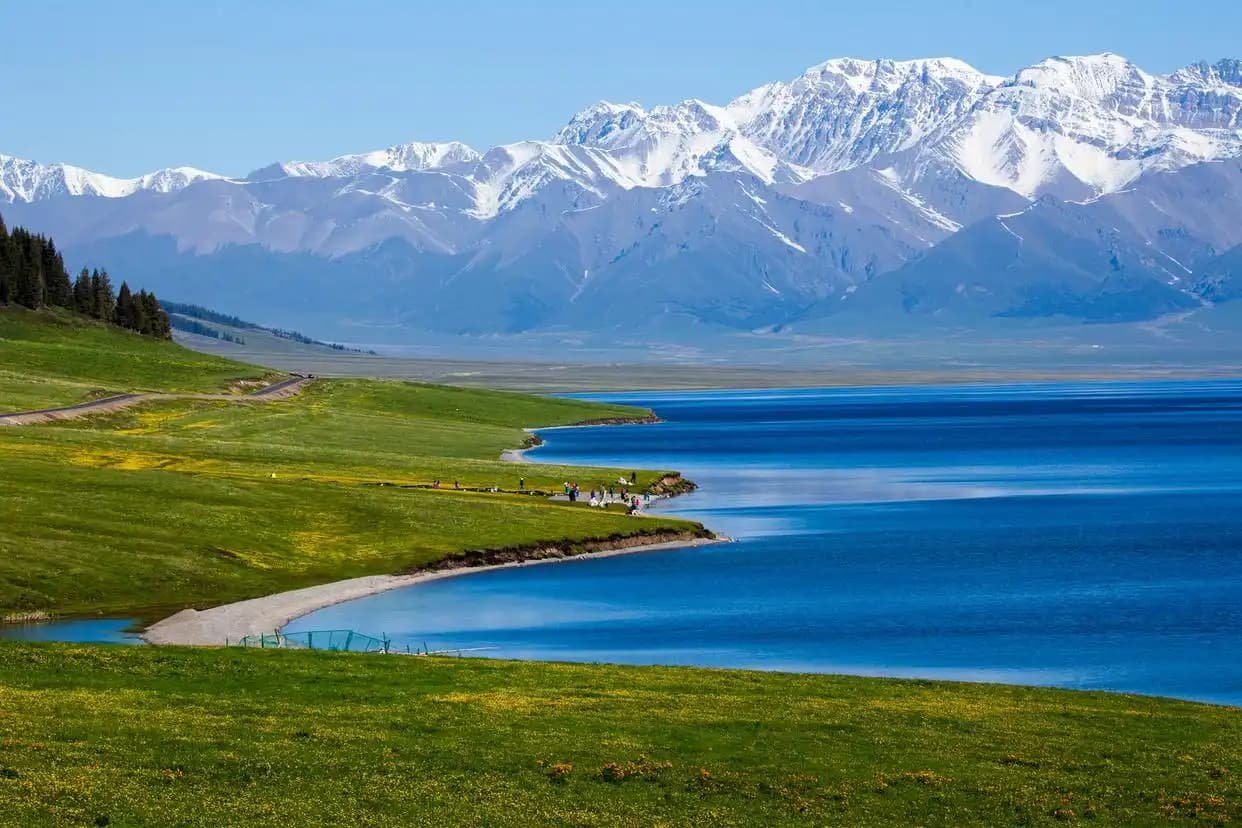
Drive to Sayram Lake (about 2 hours). This alpine lake is breathtaking in spring — the ice is usually melting by late April/May, revealing turquoise water that reflects the surrounding snow mountains. If visiting in early spring when the lake is still frozen, the blue ice is equally spectacular. Spend the night in Bole or Wenquan (Hot Spring) County.
Day 7: Sayram Lake → Yining → Departure
Morning at Sayram Lake for sunrise photography, then return to Yining for your departure flight.
10-Day Extended Itinerary: Adding the Northern Xinjiang Circuit
If you have 10 days, you can extend the above route to include the classic northern Xinjiang destinations.
Day 8: Yining → Urumqi
Fly or drive to Urumqi (about 6-7 hours by car, or 1.5 hours by flight). Visit the Xinjiang Regional Museum to understand the region’s deep history and cultural diversity.
Day 9: Urumqi → Tianchi (Heavenly Lake) → Urumqi
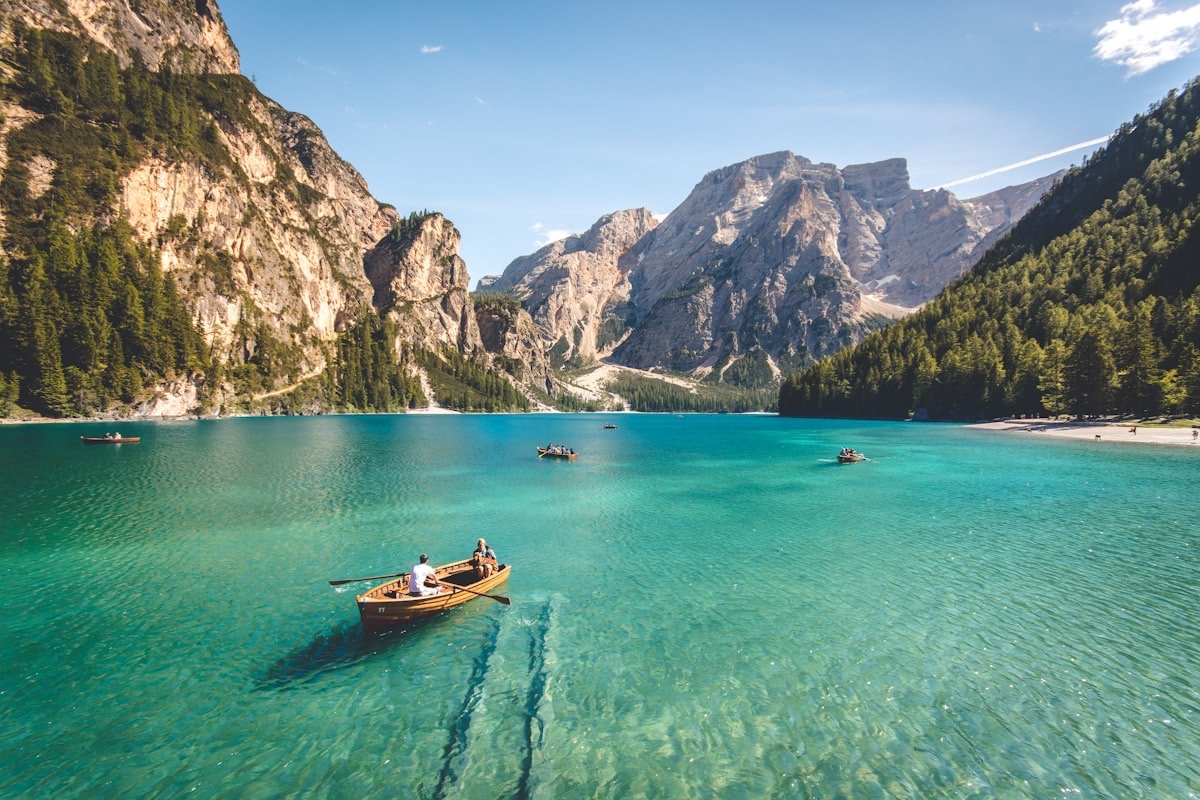
Day trip to Tianchi (Heavenly Lake), about 1.5 hours from Urumqi. In spring, the lake is often partially frozen with dramatic ice formations on the shore, while Bogda Peak towers snow-white above. The contrast is stunning.
Day 10: Urumqi → Departure
Morning at the International Grand Bazaar for last-minute souvenirs (dried fruits, spices, carpets), then depart from Urumqi Diwopu International Airport.
Alternative: 10-Day Pamir Plateau Apricot Blossom Route
If you prefer dramatic mountain scenery over grasslands, consider this route focused on the Pamir Plateau’s apricot blossom season:
- Day 1-2: Fly to Kashgar, explore Kashgar Old Town
- Day 3-4: Kashgar → Upal → Bulunkou → White Sand Lake → Karakul Lake → Tashkorgan (apricot blossoms in Datong Township, about 3,000 meters elevation)
- Day 5-6: Tashkorgan → Panlong Ancient Road → Stone City → return to Kashgar
- Day 7-9: Kashgar → Yarkand → Hotan (desert oasis towns, spring temperatures ideal)
- Day 10: Hotan → fly out via Urumqi or direct to major cities
Spring Travel Practical Tips
What to Pack
- “Onion-style” layering: Spring weather is highly variable. Bring a windproof jacket, a light down vest, long-sleeve shirts, and a warm hat. Temperatures can swing 15°C in a single day.
- Sun protection: The spring sun at high elevation is intense. Bring SPF 50+ sunscreen, sunglasses, and a wide-brimmed hat.
- Sturdy shoes: Grasslands and mountain trails can be muddy from snowmelt. Waterproof hiking shoes are recommended.
- Motion sickness medicine: Many scenic areas involve winding mountain roads.
Transportation
For a spring itinerary, self-driving or hiring a private car with a driver is highly recommended. Distances between attractions are long, and public transportation is limited in rural areas like Tuergen and Kuerdening. A 5-seat SUV costs about 600-1000 RMB per day including driver.
Accommodation
In spring, you can often negotiate better rates at yurt stays and guesthouses. However, during apricot blossom peak (April 10-25), book at least 2-3 weeks in advance — this is a popular period for domestic tourists. In Nalati and Sayram Lake, staying inside the scenic area is worth the premium for sunrise and sunset access.
Altitude Awareness
If your itinerary includes the Pamir Plateau (Tashkorgan), be aware that elevations exceed 3,000 meters. Spend a day acclimating in Kashgar (1,280m) before ascending. Bring sorbite or acetazolamide if you are prone to altitude sickness.
Sample Budget (per person, 7-day Ili route)
| Item | Budget (RMB) | Notes |
|---|---|---|
| Round-trip flights to Yining | 2,000-4,000 | Depends on departure city |
| Local transport (shared car) | 1,200-1,800 | 7 days, ~180-250/day |
| Accommodation (6 nights) | 1,200-2,400 | 200-400/night |
| Park entrance fees | ~500 | Nalati, Kuerdening, Sayram Lake |
| Meals (7 days) | 700-1,400 | 100-200/day |
| Total (excluding Flights to Xinjiang) | 3,600-7,100 | ~$500-1,000 USD |
Final Thoughts
Spring in Xinjiang is a season of renewal and quiet beauty. The apricot blossoms of the Ili Valley and Pamir Plateau are fleeting — they remind you that the best travel experiences often require timing, patience, and a willingness to embrace the unexpected. Whether you’re drawn by the promise of pink blossom-covered hillsides, the first green shoots of the grasslands, or the dramatic receding of winter’s snow, a spring itinerary in Xinjiang will reward you with memories that last a lifetime.
Updated: June 2026. Always check the latest blossom forecasts and road conditions before departure, as spring weather in Xinjiang can be unpredictable.
Practical Information for Visiting Xinjiang Spring Travel Itinerary
Before you set off, a few practical notes that make a real difference on the ground in Xinjiang. Distances are vast and timing matters more than almost anywhere else in China, so build buffer days into your itinerary and confirm opening times and road conditions close to your travel date.
Best Time to Go
Most of Xinjiang’s headline destinations are best from May to October. High-altitude lakes and northern grasslands peak in June–September, while desert and southern routes are most comfortable in spring and autumn to avoid summer heat. Winter is spectacular for snow scenery but brings closed mountain passes.
Getting Around
Self-drive remains the most flexible way to cover Xinjiang’s spread-out sights, but inter-city buses, trains to major hubs (Ürümqi, Kashgar, Yining, Turpan), and domestic flights fill the gaps. Check the latest Xinjiang travel tips before booking, as schedules shift seasonally.
What to Pack
Strong sun, dry air, and big day-to-night temperature swings are the norm. Bring high-SPF sunscreen, lip balm, a refillable water bottle, layered clothing, and a power bank. Carry some cash for remote stops where mobile payment is spotty.
Respect & Readiness
Signal can be weak outside towns—download offline maps, share your route with someone, and keep your passport handy for the occasional ID check. A little preparation turns a long drive into the trip of a lifetime.