
Wushi Xinjiang: The Silk Road Spring City & Border Town Guide 2026
Last updated: July 2026 | by the Xinjiang solo travel team — we’ve been to Wushi and mapped every spring in this remote border town.
Why Wushi Deserves a Spot on Your Xinjiang Itinerary
If your mental map of Xinjiang independent travel stops at Kashgar and Kanas, you’re missing one of the Silk Road’s quietest gems. Wushi County (乌什县), tucked into the western edge of Aksu Prefecture, is where the Tianshan mountains lean down to greet the Tarim Basin — and where more than 800 natural springs bubble out of the earth, giving the town its lyrical Uyghur name: Uqturpan, meaning “the place of three springs.”
Wushi isn’t a town you stumble into by accident. It sits 140 km west of Aksu city, pressed against the Kyrgyzstan border, with 137 km of frontier line winding through the mountains. What brings travelers here is the combination of frontier atmosphere, spring-fed oases, and a deep sense of history that predates the Han Dynasty. This is a place where the Silk Road’s northern and southern routes nearly touched, where Tang Dynasty generals once kept watch, and where the air genuinely feels different — cooler, cleaner, threaded with the scent of wild mint and apricot orchards.
In 2026, Wushi is gaining attention among independent travelers who’ve already “done” the headline destinations and are looking for something grittier, more authentic, and far less crowded. This guide covers everything you need to know: how to get there, what to see, where to eat, and why the springs here are considered sacred by locals.
Where Is Wushi? Geography & Background
Wushi County sits at the junction of the Tianshan mountain range’s southern foothills and the northwestern edge of the Tarim Basin. The terrain follows a distinctive “two mountains, three valleys, one plain” pattern — a phrase locals use to describe the landscape’s basic anatomy. Elevation ranges from 1,200m in the river valleys to 5,153m at the peak of the Kekeshan range along the border.
The county covers 9,082 km², but the habitable area is narrow — a green ribbon of oasis strung along the Tushikan River (托什干河), which flows down from the Tianshan peaks. The river valley creates a microclimate that’s noticeably milder than the desert basins to the south. In spring, while Kashgar is still shaking off the dust of winter, Wushi’s apricot orchards are already in bloom.
Administratively, Wushi is part of Aksu Prefecture. The county seat is Wushi Town (also called Uqturpan Town). The population is around 200,000, with Uyghur, Han, Kyrgyz, and Hui communities living side by side — a demographic mix that gives the town’s bazaars and teahouses a distinct borderland character.
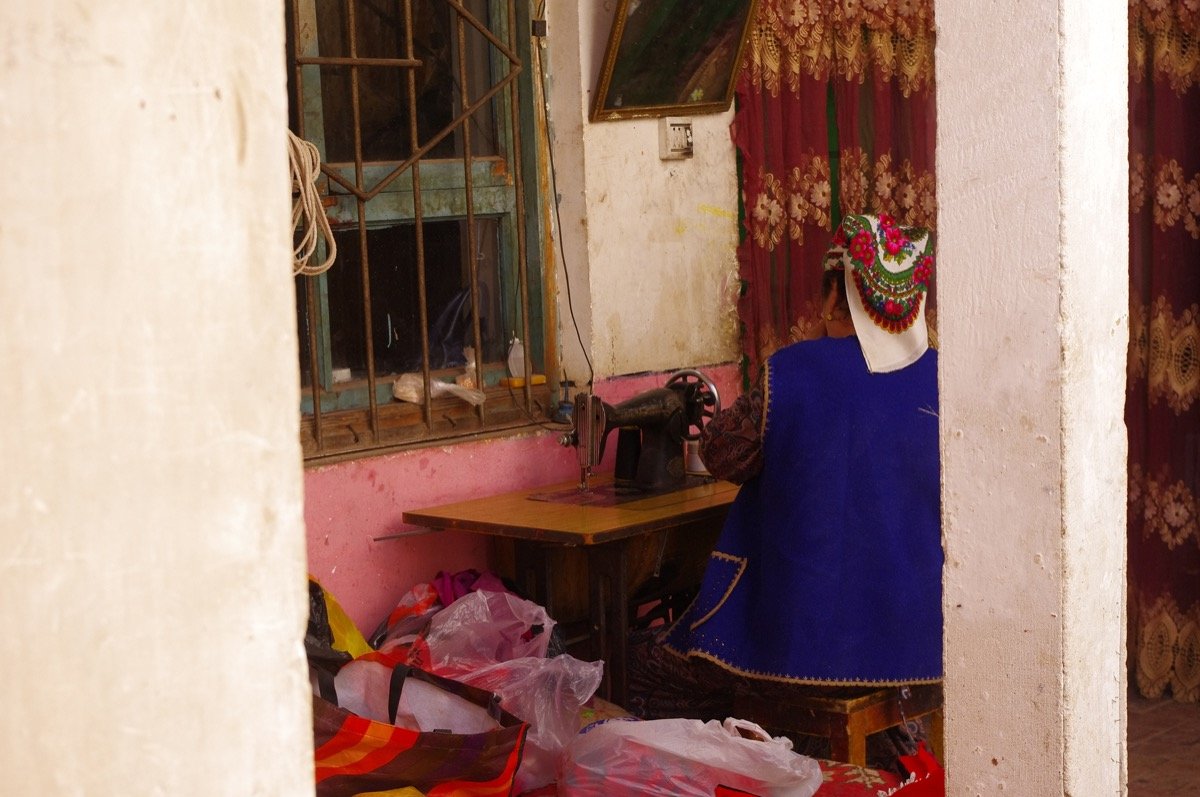 Wushi Xinjiang border town landscape with Tianshan mountains and spring-fed oasis”>
Getting to Wushi: Transportation Guide 2026
Wushi has no airport of its own. Your gateway is Aksu Oasis Airport (AKU), which has daily flights from Urumqi (1.5 hours) and occasional connections from Kashgar (45 minutes). From Aksu city, Wushi is a 2-hour drive west along the G3012 Turpan–Hotan Expressway.
By bus: Aksu’s long-distance bus station has regular services to Wushi (¥25, 2 hours). Buses run from 8:00 AM to 6:00 PM, departing roughly every 40 minutes.
By car: If you’re on a self-drive trip in Xinjiang, the drive from Aksu to Wushi is straightforward — mostly flat highway with mountain views to the north. The road continues west to Artux and Kashgar, making Wushi a natural stop on a southern Xinjiang loop.
From Kashgar: Wushi is about 450 km (6 hours) east of Kashgar on the G3012. It makes a good overnight stop if you’re driving from Kashgar toward Aksu or Kuqa, breaking up the long stretch with a genuine small-town experience.
Border permit note: Wushi is a border county. If you plan to visit the frontier areas near the Kyrgyzstan line (the Tushikan Valley beyond the town), you’ll need a border permit (边防证). These can be arranged in Aksu city with your passport; allow half a day. Most town-area sites don’t require one.
Top Things to Do in Wushi
1. The Nine-Spring Park (九眼泉公园)
This is Wushi’s calling card. Nine natural springs cluster in a small park on the town’s eastern edge, each one historically named and revered. Local legend says the springs never freeze, even when winter temperatures hit -20°C — though in practice they do slow to a trickle in deep winter. The park has been renovated in recent years with wooden walkways, pavilions, and a small museum explaining the springs’ cultural significance.
The water from these springs is genuinely drinkable (locals fill jugs here daily), and the shade around the pools makes this one of the few places in town to escape the summer heat. Entry is free. Best visited in early morning when the light hits the water and the call to prayer echoes from the nearby mosque.
2. Wushi Old Town & the Friday Bazaar
Unlike the restored-and-polished Kashgar Old Town, Wushi’s old quarter feels lived-in and unselfconscious. The mud-brick houses along the narrow lanes show their age gracefully — some date back generations. There’s no entrance fee, no designated “scenic area” boundary. You simply walk.
The Friday bazaar (每周五巴扎) is the social event of the week. It sprawls along the main road west of the old town every Friday morning and early afternoon. You’ll find everything from live sheep and donkey carts to plastic sandals and bootleg DVDs — plus a fantastic selection of dried fruit, nuts, and the local specialty: walnuts. Wushi walnuts are smaller and more intensely flavored than the ones you get in Urumqi markets.
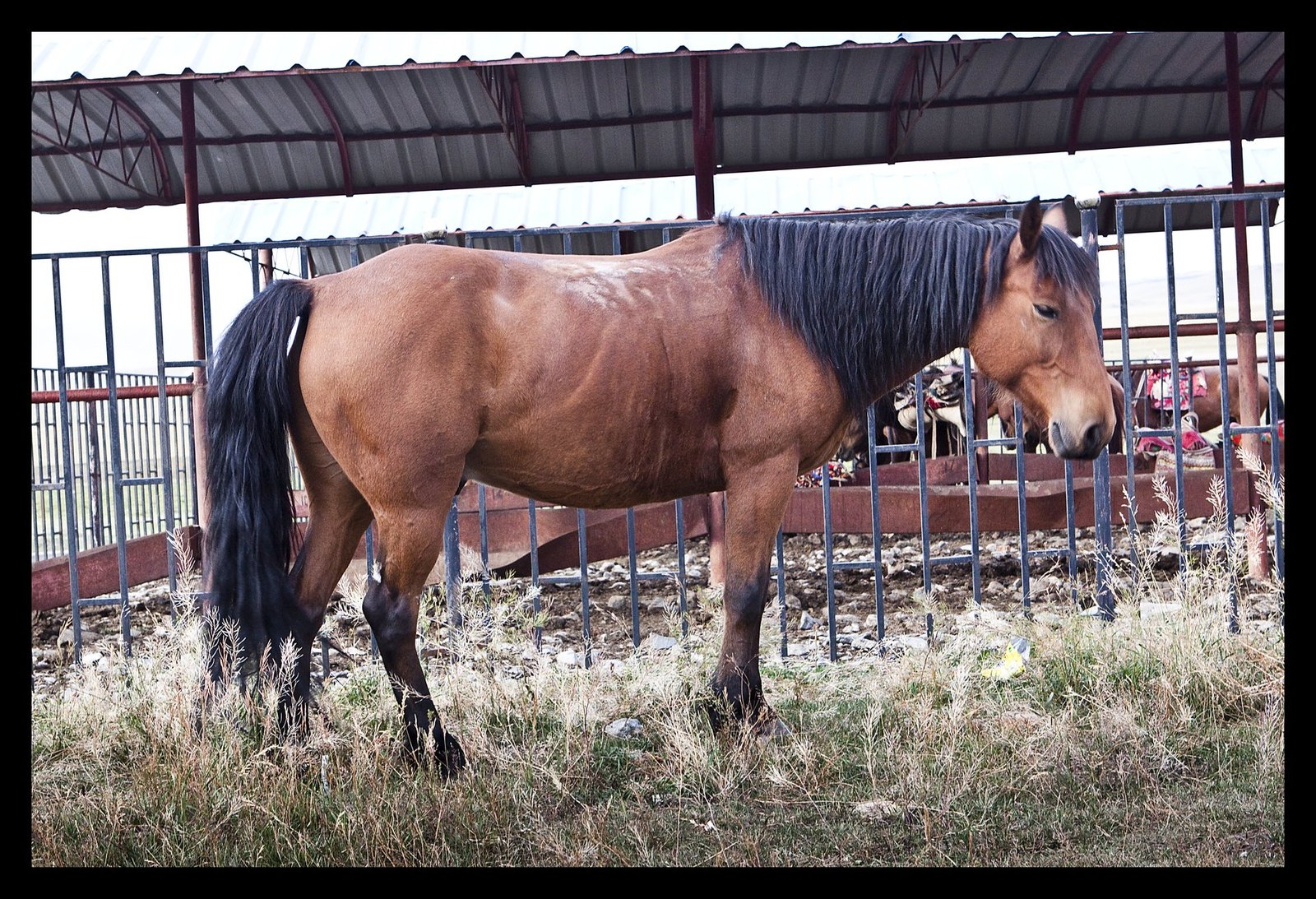
3. Tushikan River Valley & the Border Scenery
The Tushikan River (托什干河) carves a green corridor through the mountains west of town. A paved road follows the river for about 30 km toward the border area (you’ll need that permit for the final stretches). Even without going all the way, the first 10–15 km offer spectacular views: the river braiding across a wide gravel bed, poplar trees turning gold in October, and the snow-capped Kyrgyz ranges hovering on the northern horizon like a rumor.
There are several informal picnic spots along the riverbank where local families gather on weekends. Look for the concrete tables under the trees — that’s your cue. Bring your own food (or buy bread and yogurt in town), and be prepared for curious but friendly approaches from local kids who’ve rarely seen foreign travelers.
4. The Beacon Tower of the Western Han Dynasty (别迭里烽燧)
History runs deep in Wushi. About 40 km north of the county seat, atop a ridge overlooking the Tushikan Valley, sit the remnants of a Han Dynasty beacon tower (烽燧). This was part of the network of signal towers that stretched from Chang’an (modern Xi’an) all the way to the Pamirs, allowing news of invasions or rebellions to travel at horseback speed across the empire.
The tower itself is modest — a rectangular mud-brick structure about 6 meters high, weathered to a soft tawny color that blends into the hillside. But the location is spectacular, and the sense of historical continuity is palpable. This same route was used by Xuanzang in the 7th century when he traveled to India to study Buddhism, and by countless Silk Road merchants before and after him.
Getting there requires a car and a local driver who knows the way — the turnoff isn’t signposted in English. Ask at your hotel; most can arrange a half-day trip for ¥200–300.
5. Sacred Walnut Grove (核桃王景区)
About 10 km south of Wushi Town, a grove of ancient walnut trees — some estimated to be 500+ years old — has been preserved as a cultural landscape. The largest tree has a trunk that takes four people to encircle and still produces nuts. The site includes a small exhibition hall about Xinjiang’s nut and dried-fruit culture, a teahouse under the canopy, and walking paths through the orchard.
The best time to visit is September–October when the walnuts are being harvested and the ground is carpeted with fallen leaves and cracked-open shells. Entrance fee: about ¥20.
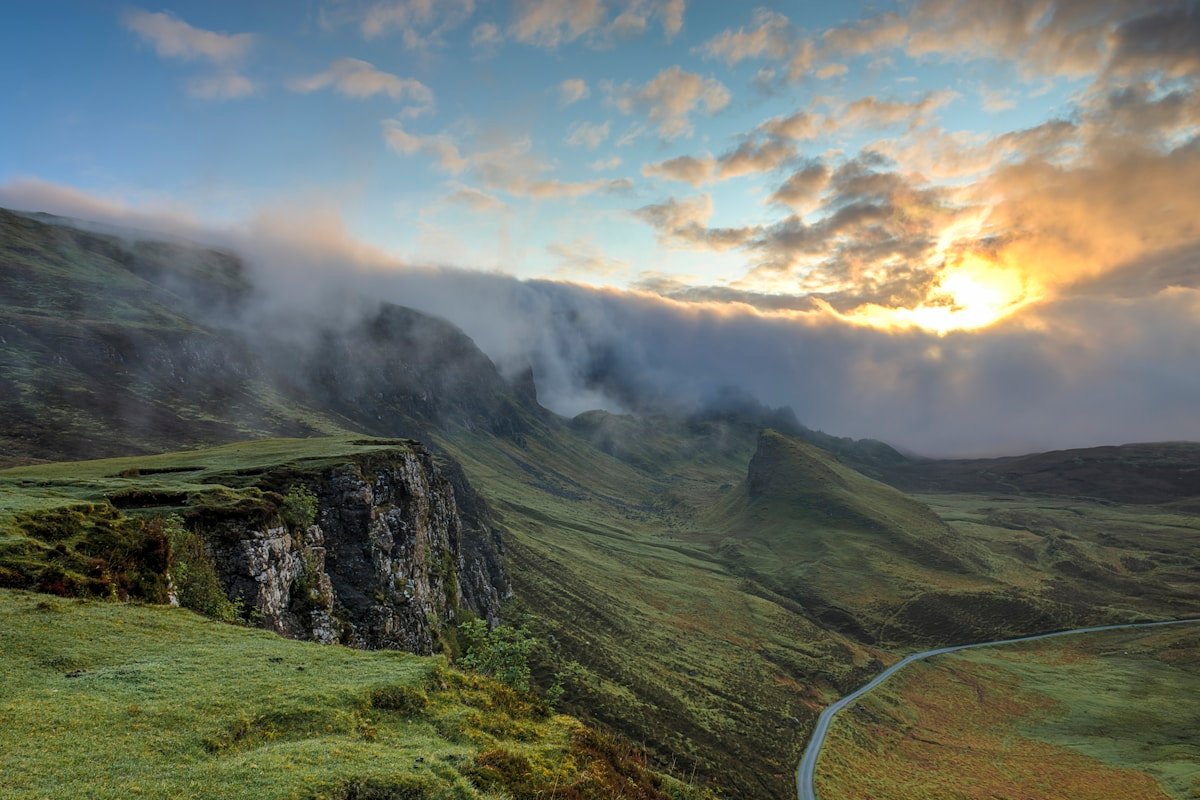 Wushi Xinjiang“>
Wushi Cuisine: What to Eat
Wushi’s food scene is unpretentious and deeply local. There are no “must-eat” restaurants with English menus — which is exactly the point. Here’s what to look for:
Wushi walnuts (乌什核桃): The county produces some of Xinjiang’s most flavorful walnuts, with thinner shells and higher oil content than the varieties from Hotan. Buy them raw from the bazaar (¥15–25/kg) and snack your way through the day.
Chickpea noodles (鹰嘴豆拉面): Wushi is one of China’s main chickpea-producing areas, and the local variation of Laghman noodles uses chickpea flour blended with wheat. The result is a slightly nuttier, yellower noodle than standard laghman. Look for it at small noodle shops near the bazaar (¥15–20).
Spring-water yogurt (泉水酸奶): Several families around the Nine-Spring Park make yogurt using the local spring water. It’s tarter and thicker than the standard supermarket variety. Buy it in the small clay pots (¥5) from vendors near the park entrance in the morning.
Kyrgyz-style mutton (柯尔克孜手抓肉): The Kyrgyz community in Wushi prepares mutton differently from Uyghur styles — less spice, more focus on the quality of the meat itself. Look for small restaurants east of the old town that have Kyrgyz script on the sign. Expect to pay ¥60–80 per person.
Walnut bread (核桃馕): A Wushi specialty — the standard Uyghur naan with crushed walnuts folded into the dough before baking. Available from any bakery in town (¥3–5 per piece). It keeps for days and makes an excellent trek snack.
Best Time to Visit Wushi
April–May (spring): The apricot orchards around Wushi burst into bloom, the springs are at their fullest after the snowmelt, and the weather is mild (15–25°C). This is widely considered the best time to visit. The Wushi Apricot Blossom Festival (usually late April) brings some regional visitors but hasn’t yet been “discovered” by mass tourism.
June–August (summer): Warm but not oppressively hot (25–32°C). The river valley is lush and green. This is when the walnut groves are at their most beautiful. Nights are comfortably cool. The downside: some of the desert routes get very hot if you’re continuing south toward Aksu or Kuqa.
September–October (autumn): Walnut harvest season. The poplar trees along the Tushikan River turn brilliant gold. Day temperatures are pleasant (15–25°C) but nights get cold. This is also when the light is best for photography.
November–March (winter): Very quiet. The springs are reduced, and some guesthouses close. Only recommended if you’re specifically interested in winter border-life atmospherics or have a compelling reason to be in the region.
Where to Stay in Wushi
Wushi’s accommodation options are basic but adequate. Don’t expect luxury; do expect cleanliness and hospitality.
Wushi Hotel (乌什宾馆): The best option in town — a state-run hotel that’s been renovated in the last few years. Clean rooms, hot water reliable, and the staff can help arrange transport to the border areas. About ¥180–260/night. Book ahead if arriving on a Thursday or Friday (bazaar days).
Local guesthouses: There are several family-run guesthouses near the old town that offer simple rooms (¥80–120/night) and home-cooked meals. These are not listed on international booking platforms — ask at the bus station or have someone call ahead for you.
Note: There’s no hosteling-style accommodation in Wushi yet. If you’re on a tight budget, the cheapest option is usually a small hotel near the bus station (¥60–80/night), but check the room before paying.
Practical Tips for Visiting Wushi
- Language: Outside of hotels and the bus station, English is non-existent. Mandarin gets you pretty far with younger people; Uyghur and Kyrgyz are the main local languages. Download an offline translator app before you go.
- Money: There are ATMs in town, but they don’t always accept foreign cards. Bring sufficient cash (RMB) from Aksu or Kashgar. Alipay and WeChat Pay are widely used by locals but require a Chinese bank account.
- Internet: Mobile coverage is good in the town area but spotty in the river valley. Don’t rely on being online to navigate.
- Respect local customs: Wushi is more conservative than places like Yining or Urumqi. Dress modestly (especially women — shoulders and knees covered), ask before photographing people, and be mindful that the call to prayer happens five times a day.
- Border permit: If you want to go beyond the town area toward the Kyrgyzstan border, get your permit in Aksu. You’ll need your passport and about 2 hours. Some hotels in Wushi can also help arrange this.
Wushi in the Context of Your Xinjiang Trip
Wushi works best as part of a southern Xinjiang cultural route. A typical loop might look like: Urumqi → Turpan → Kuqa → Aksu → Wushi → Kashgar → Tashkurgan → return via the Desert Highway. That gives you the major Silk Road sites plus one genuinely off-the-beaten-path border town experience.
If you’re coming from Kashgar, Wushi makes a good introduction to the less tourism-oriented side of southern Xinjiang. Stay two nights if you can — one isn’t quite enough to absorb the rhythm of the place, and the bazaar (Fridays) is genuinely worth timing your visit around.
FAQ: Common Questions About Visiting Wushi
Is Wushi safe for independent travelers?
Yes. The border location means there are more police checkpoints than in interior towns, but these are routine and travelers are welcomed. Carry your passport at all times.
Do I need a guide?
Not for the town itself — it’s small enough to navigate on foot. For the Tushikan Valley and the Han Dynasty beacon tower, a local guide/driver is strongly recommended since there’s no public transport and the routes aren’t well signposted.
Can I visit the Kyrgyzstan border?
The actual border crossing is not open to independent travelers for casual visits. The Tushikan Valley up to the last civilian settlement is as far as you can go independently; beyond that requires special permits and usually an organized tour.
How long should I spend in Wushi?
One full day covers the town, the springs, and the old quarter. Add a second day if you want to explore the river valley or visit the walnut grove and beacon tower. Most travelers find 1–2 days sufficient.
The Bottom Line
Wushi won’t offer you the postcard perfection of Kashgar Old Town or the alpine drama of Kanas Lake. What it gives you instead is something rarer: a chance to see a Silk Road border town that hasn’t yet been shaped by tourism expectations. The springs still flow, the walnuts still taste of the mountain soil, and the Friday bazaar still smells of dust, spice, and livestock.
If your idea of travel includes following the thread of ancient routes, drinking from the same springs that sustained Silk Road travelers 1,000 years ago, and finding beauty in places that aren’t on Instagram yet — Wushi is waiting.
Getting there is half the adventure. The other half is the spring water.