
The Best Photo Stops on the Duku Highway
I Drove the Duku Twice to Find the Good Pull-Offs
The Duku Highway is the most photographed road in Xinjiang, and most of the photos are taken from the same three crowded overlooks. On my first run I stopped where everyone stops and came home with postcards. On my second run, a month later, I drove it slowly, watching for the unmarked bends where the light actually does something interesting. This guide is the map of those bends. It is for travelers who want to photograph the Duku without standing in a tour-bus queue.
The road runs 561 km from Dushanzi to Kuqa and climbs from the desert floor to over 3,400 meters. It opens roughly in June and closes by early November, with frequent one-day closures for weather. The Duku Highway road trip guide has the logistics; this is the eyeball-level version.
Stop 1: The Dushanzi Grand Canyon (km 30)
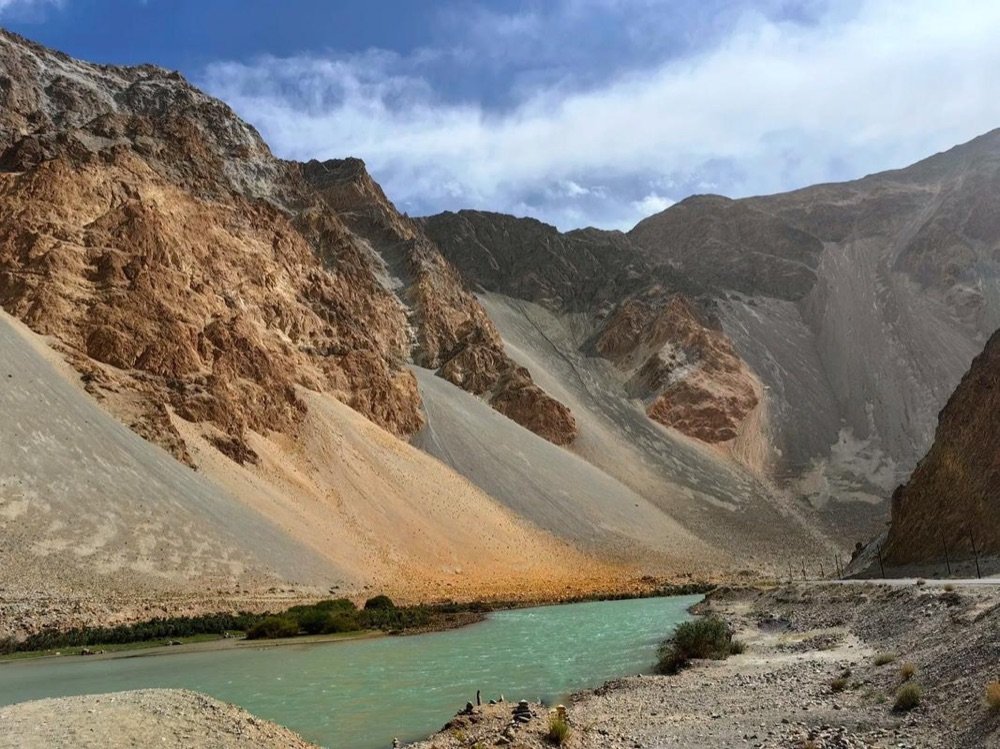
Right after leaving Dushanzi the road meets a red canyon that drops sharply to one side. The official viewpoint is fenced and busy, but 2 km further there is an unmarked dirt pull-off where local drivers stop to smoke. The angle down the red walls at mid-morning, before the harsh noon light flattens them, is the best in the canyon. Use a polarizer if you have one; the glare off the rock is fierce.
Stop 2: Hashilegend Pass (km 180)
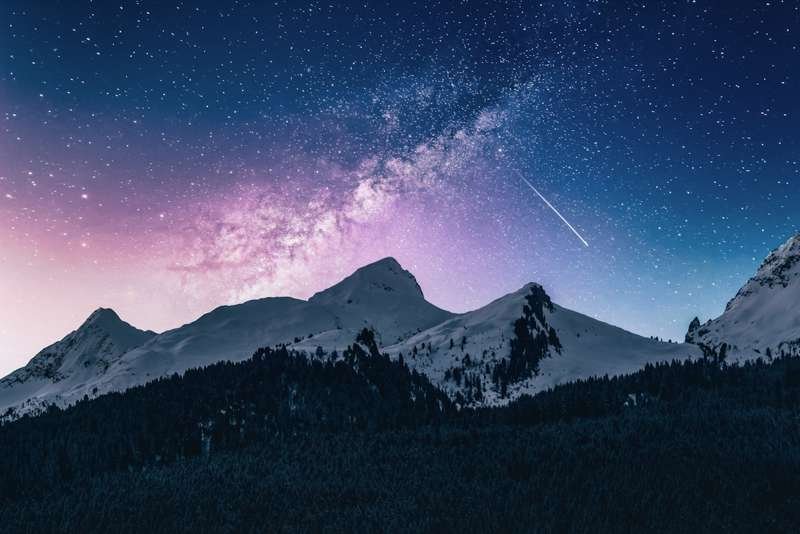
This is the high country, and the first real alpine scenery. The pass has a small parking area and a cluster of yurts in summer. The photo everyone misses is not the pass itself but the switchbacks below it, visible from a bend about a kilometer past the yurts, where the road stitches back and forth down the green slope like a zipper. Shoot it in the late afternoon when the slope is lit and the valley is in soft shadow.
If you want context on the wider region, the Duku Highway travel guide maps the full corridor and the towns you pass through.
Stop 3: Bayinbulak Grassland (km 260)
Bayinbulak is the famous one, and for good reason: a vast green basin with a river that curves into nine bends before sunset. The named sunset point is packed, but the light show starts an hour before and the bends are visible from several unnamed pull-offs along the access road. Get there by 7 pm in summer and walk away from the crowd. The Heavenly Lake guide is a different kind of alpine shot, worth comparing if you are building a Xinjiang photo essay.
Stop 4: The Snow Wall Section (km 310, seasonal)
In early summer, just after opening, the road cuts through walls of plowed snow taller than a person. This is the most surreal frame on the whole highway and it lasts only a few weeks. You cannot plan the exact date, but if you are there in mid-June, slow down in this stretch and pull into one of the cleared bays. The contrast of snow wall against blue sky is almost too clean to be real.
Stop 5: Narati to Kuqa Forest Transition (km 420)
The road drops out of the grasslands into pine forest, then into red rock, then into desert, sometimes within twenty minutes. The transition zone near Narati is where the light gets interesting because you have three ecosystems in one frame. The Nalati grassland guide covers the meadow side in depth. I shot a single photo here that had snow on the peak, green on the slope, and red dust on the valley floor, and it remains my favorite from the trip.
Practical Photography Notes
- Light: The east-west orientation means morning light hits the northern slopes and afternoon light hits the south. Plan your drive direction around what you want to shoot.
- Crowds: The named viewpoints clog up between 11 am and 3 pm. Drive the iconic spots early or late; shoot the in-between bends midday.
- Safety: Only stop where there is a real shoulder or a marked bay. The Duku has no barriers in places and a stalled car on a blind bend is a hazard, not a photo op.
- Weather: Conditions change by the hour at altitude. A clear pass can fog in minutes. Keep the camera dry and the battery warm; cold drains it fast.
The Duku is worth the hype, but the hype points you at the wrong windows. Slow down, watch the bends, and the road will give you pictures the bus crowds never see.
The Gear I Carried and What I’d Drop
A wide-angle for the landscapes, a 70-200 for the compressed mountain layers, a lightweight travel tripod, and a drone where permitted (check the no-fly zones; many border areas forbid it). I would drop the tripod on a tight schedule and keep the wide-angle; most Duku shots are about scale, which the wide delivers. A microfiber cloth lives in my pocket because the dust is constant.
The Shot I Missed, and Why
On the descent toward Kuqa there is a bend where the whole southern wall of red rock catches the last light in a single minute of fire. I was buying water at a yurt and missed it by three minutes. The lesson: on the Duku, the light moves faster than the road. When you see a good frame forming, stop now, not at the next bay, because the next bay may be a kilometer away and the moment will be gone.
A Half-Day Photo Timeline
If you have one morning to shoot, start at the Dushanzi canyon at first light, reach the Hashilegend area by 9, the Bayinbulak bends by 6 pm for sunset, and the snow wall if it is early season. That single day covers red rock, green pass, and golden grassland, the three faces of the road, without racing. The Duku rewards the patient and punishes the hurried, which is true of photography everywhere but twice as true here.
Best Time of Day, Location by Location
Light makes or breaks the Duku. The Dushanzi canyon faces east, so it photographs best in the morning when the sun rakes across the red walls and the shadows give them depth. The Hashilegend pass and the alpine section face every direction, so they are forgiving, but the grasslands below catch the warm evening light best from about 5 pm. Bayinbulak’s nine bends need the low sun of late afternoon to glow, and the snow wall is a midday shot because the surrounding peaks shade it early and late. Match your drive direction to the light: if you drive the Duku west to east, you meet the canyon at afternoon (wrong) and the grasslands at morning (also wrong), so for photography the east-to-west run lines up better with the clock.
Composition for the Big Landscapes
Xinjiang’s scale is its challenge. A wide-angle alone makes the mountains look small and far, which is the opposite of what you felt. I solve this by including a foreground: a fence post, a yurt, a tuft of grass, something at arm’s length that gives the eye a size anchor. Then I wait for a figure or a herd to enter the mid-ground, which supplies the human scale the landscape otherwise lacks. The best Duku frame I made had a single herder and a dog on the switchbacks below me, tiny against the green, and that tiny pair is what made the mountain readable.
Drone Rules on the Duku
Drones are restricted near military areas, and Xinjiang has many. The Duku passes close to sensitive zones, so flying without checking is risky; I saw a traveler fined and have his drone confiscated near a pass. Where flying is allowed, the reward is extraordinary, a true sense of the road’s thread through the terrain, but the cost of getting it wrong is high. My rule: fly only in clearly open pastoral areas away from any installation, keep the drone in sight, and land the moment you see anyone in uniform. The still camera is always legal and almost always enough.
Editing in the Field
You will shoot more than you can use, and the editing starts on the road. I cull on a tablet each evening, keeping only the frames with a clear subject and real light, which forces me to be honest about the weak ones. A shot that looked grand on the pass often looks flat on screen; the ones with a person, a yurt, or a bend in the road hold up. Backing up to two places, the tablet and a cloud upload when signal allows, protects the trip from a dropped device. The Duku is a place you may only drive once, so the discipline of editing on the move is the discipline of not losing it.
Sharing and the Signal Problem
Do not plan to post from the Duku. Signal is patchy to absent along most of the road, and the few towns with coverage are busy. I shot for days and uploaded in Urumqi, which was fine; the urge to share immediately is the enemy of the patient shooting the road rewards. If sharing matters to you, build a buffer day at the end to sort and post. The mountains will not have moved, and your best frame is worth the wait.
A Final Word on Patience
The Duku is the most-photographed road in Xinjiang for a reason, and the difference between a postcard and a photograph is almost always patience. The bus crowds leave by noon; the good light arrives at the edges of the day. I have stood at a viewpoint for an hour waiting for a cloud to move, and the resulting frame was the one people asked about. The road gives its pictures to those willing to wait at the bend, not those who grab and go. Slow down, and the Duku will hand you more than you expected.
The Frame I Keep on My Wall
Of the hundreds I shot, the one on my wall is not the famous Bayinbulak sunset. It is a small frame from the forest-to-desert transition near Narati, where a single switchback showed snow, green, and red dust in one diagonal slice of light. I almost drove past it. The lesson it taught me sits behind the picture: the Duku’s best photographs are not at the named viewpoints but in the unmarked bends where the road changes its mind about what biome it is in. Watch the transitions, not just the destinations, and your memory card fills with the frames no one else got.
The One Lens I Wish I Had Brought
Looking at the photos now, the only gap is compression at the long end. A 70-200 gave me the layered mountain shots, but a longer prime would have isolated the distant snow peaks across the valleys that the wide-angle flattened into mush. If I went again I would add a 100-400 or simply stitch panoramas with the wide and crop later. The lesson for any Duku photographer is that the scale is so large that reach matters more than you expect; the eye sees the peak, but the camera needs help reaching it. Bring more zoom than your habit suggests, and the far mountains will finally show up in the frame.