
Duku Highway: The Most Scenic Road Trip in Xinjiang – Complete Guide 2026
Introduction: The Highway That Crosses the Tianshan Mountains
For our complete Top Xinjiang Attractions, see our dedicated Top Xinjiang Attractions with practical details on safety, costs, and planning.
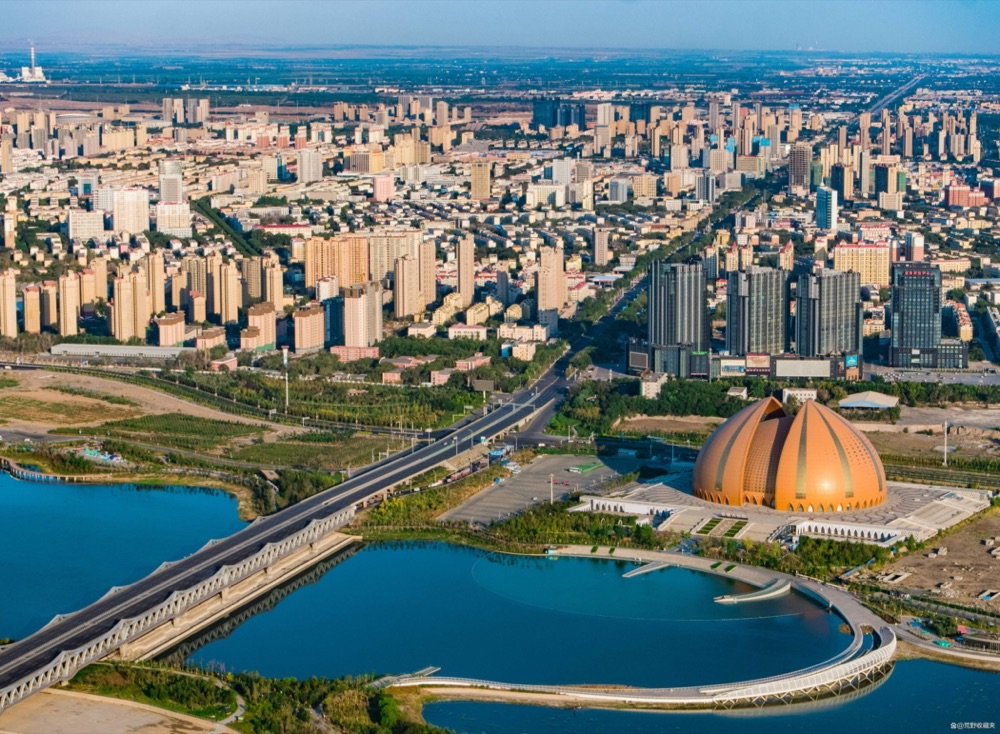
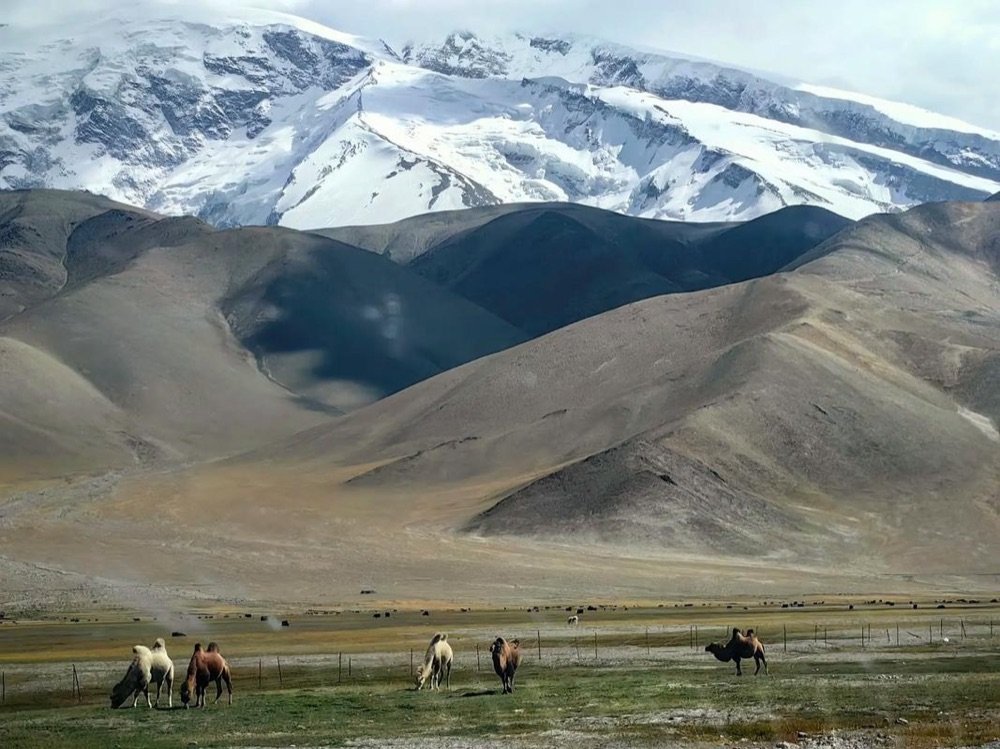
If you’re planning to travel independently in Xinjiang and love road trips, the Duku Highway (also known as G217 National Highway) should be at the very top of your itinerary. This legendary 561-kilometer road crosses the Tianshan Mountains, connecting Dushanzi (in northern Xinjiang, near Karamay) to Kuqa (in southern Xinjiang, in the Tarim Basin). Along the way, it passes through some of the most spectacular and diverse landscapes you’ll ever see – from snow-capped peaks and alpine meadows to deep canyons, lush forests, and desert flats.
Open only from June to September (due to heavy snow in winter that makes the high mountain passes impassable), the Duku Highway is widely considered one of the most scenic drives in the world. It’s not just a road – it’s an unforgettable journey through the heart of Xinjiang’s most dramatic landscapes. This comprehensive 2026 guide covers everything you need to know to plan and execute an epic Duku Highway road trip, from the best times to go and transportation options to must-see stops, accommodation, and safety tips. For China Xinjiang DIY travel enthusiasts, this drive is an absolute bucket-list experience.
Understanding the Duku Highway: Key Facts and Figures
Before diving into the planning details, let’s cover some basics about this remarkable road:
- Length: 561 kilometers (349 miles)
- Drive time: 10-14 hours non-stop, but you should absolutely plan 2-3 days to do it justice (with stops for sightseeing, meals, and overnight stays)
- Elevation: The highest point is the “Hashan Daban” (Mountain Pass) at 3,395 meters (11,138 feet) above sea level
- Season: Open only from approximately June 1 to September 30 (weather-dependent; the exact opening and closing dates vary slightly each year based on snow conditions)
- Significance: The road was built by the Chinese military (PLA) between 1974 and 1983, and over 100 soldiers lost their lives during its construction. There’s a memorial near the highest pass honoring them.
- Scenic variety: In a single day of driving, you’ll pass through landscapes that range from Arctic-like tundra to subtropical desert. It’s often said that “driving the Duku is like traveling from northern Europe to Afghanistan in 12 hours.”
Planning Your Duku Highway Trip: When, How, and How Long
Best Time to Drive the Duku Highway in 2026
The Duku Highway opens only when the snow has melted sufficiently at the high mountain passes – typically around June 1 each year – and closes when snow begins to fall again, usually by September 30. Within this window, the best times to drive are:
- June to mid-July: The northern sections (starting from Dushanzi) are lush and green, with wildflowers in bloom on the grasslands. The southern sections (approaching Kuqa) are hot but bearable. This is a popular time, so expect some traffic and crowded viewpoints on weekends.
- Mid-July to August: The warmest period, with the most reliable weather. However, this is also when domestic Chinese tourists flock to the Duku, so expect more crowded attractions and fully-booked accommodation. Afternoon thunderstorms are common in the mountain sections.
- September: Our favorite time. The weather is stable, the autumn colors in the northern forests are spectacular (think golden larches against snow-capped peaks), and the crowds have thinned significantly after the summer holidays. The southern sections are still warm, while the northern sections start to get chilly at night.
For Roam Xinjiang travel tips on timing your drive, we strongly recommend aiming for late June or September – you’ll have better weather, fewer crowds, and a more enjoyable experience overall.
Transportation Options: Self-Drive, Private Car, or Tour?
There are three main ways to experience the Duku Highway:
1. Self-Drive (Rental Car)
This offers the ultimate freedom – you can stop whenever you want, change your itinerary on a whim, and set your own pace. However, there are important considerations:
- Driver’s license: Foreign travelers can drive in China with a valid international driver’s license AND a temporary Chinese driver’s license. Obtaining the temporary license involves a visit to the local Public Security Bureau (PSB) and can take 1-2 days. Not ideal if you’re short on time.
- Road conditions: The Duku Highway is fully paved and in excellent condition for a mountain road. However, it has many switchbacks, steep drop-offs (no guardrails in some sections), and changing weather. Confidence in mountain driving is essential.
- Car type: A regular sedan can handle the Duku Highway (it’s a paved road), but an SUV or 4WD gives you more confidence and is better if you plan to detour to side attractions (like the Bayanbulak Grassland, which requires a short drive off the main highway).
2. Private Car with Driver (Highly Recommended)
This is the most popular option for foreign travelers attempting the Duku Highway – and for good reason. You get the flexibility of setting your own itinerary and making impromptu stops, without the stress of navigating unfamiliar mountain roads, deciphering Chinese road signs, or dealing with temporary driver’s license requirements.
Cost: Approximately 800-1,500 CNY (110-210 USD) per day, depending on vehicle type, season, and whether the driver’s meals and accommodation are included. For DIY Xinjiang travel budget planners, this is a worthwhile splurge that will significantly enhance your experience and safety.
3. Organized Tour (Group or Private)
Numerous tour operators in Urumqi and Kashgar offer Duku Highway tours, ranging from large group buses to private 6-seater vans. These tours handle all logistics (transportation, accommodation, meals, attraction tickets) and provide a guide who can explain the history, geology, and culture of the areas you’re passing through.
Cost varies widely based on group size, itinerary length, and accommodation standards. For solo travelers or those who prefer not to worry about any logistics, a private tour is a hassle-free way to experience the Duku Highway.
Must-See Stops Along the Duku Highway (North to South)
The Duku Highway is not just about the destination – it’s about the journey. Here are the absolute must-see stops when driving from north to south:
1. Dushanzi District (Starting Point)
While not the most scenic spot on the highway, Dushanzi is where most travelers begin their north-to-south journey. It’s worth arriving a day early to explore the “Dushanzi Grand Canyon” (also called the “Karamay Grand Canyon”), a spectacular red rock canyon that’s particularly beautiful at sunset.
2. Qiaoma (Chaumakai) Grassland
About 2-3 hours south of Dushanzi, this expansive grassland is one of the first scenic areas you’ll encounter. In June and July, it’s covered in colorful wildflowers, and you can visit a Kazakh yurt camp to experience nomadic culture (try the milk tea, cheese, and maybe even horseback riding).
3. Hashan Daban (The Highest Pass, 3,395m)
This is the literal and figurative highlight of the Duku Highway. At 3,395 meters above sea level, you’ll be driving above the treeline, with panoramic views of snow-capped peaks, alpine meadows, and deep valleys. There’s a memorial here honoring the soldiers who died building the road – it’s a sobering and meaningful stop. For solo travel services in Xinjiang, this is a safe and popular stop with parking and restrooms.
4. Bayanbulak Grassland (Detour, But Worth It!)
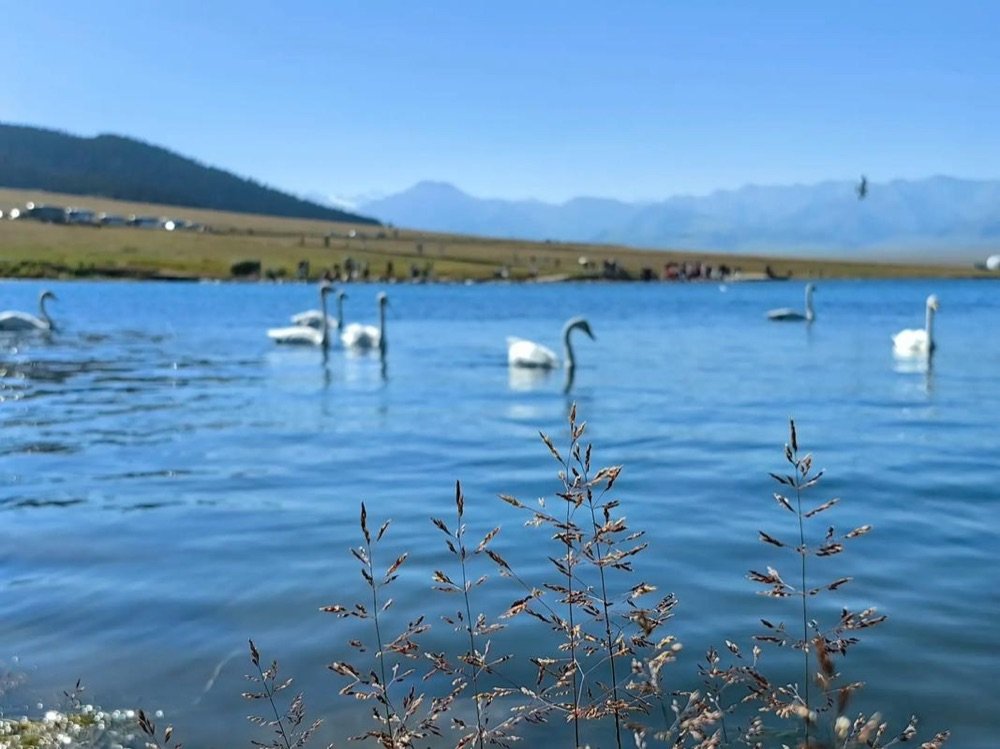
Located a 1-2 hour detour from the main Duku Highway, Bayanbulak is China’s second-largest grassland (after the Hulunbuir Grassland in Inner Mongolia) and a UNESCO-recognized ecosystem. The highlights here are the “Nine-Bend River” (a meandering river that creates stunning reflections at sunset) and the opportunity to stay in a yurt on the grassland. If you’re doing the Duku Highway as a 2-3 day trip, spending a night at Bayanbulak is highly recommended.
5. Kuqa Grand Canyon (Tianshan Mysterious Grand Canyon)
As you approach the southern end of the Duku Highway, you’ll encounter this spectacular red rock canyon, carved over millions of years by wind and water. A 2-3 hour hike takes you through narrow slot canyons, past Buddhist cave paintings (from the Silk Road era), and to viewpoints overlooking the canyon system. It’s one of the most impressive geological attractions in Xinjiang.
6. Kuqa City (Ending Point)
Kuqa (also spelled Kuche) is an oasis city with a rich Buddhist heritage (it was a major kingdom on the ancient Silk Road). After completing the Duku Highway, spend a day or two exploring Kuqa’s attractions: the “Kuqa Royal Palace” (a museum and cultural site), the “Subashi Ancient City” (Buddhist ruins in the desert), and the “Kizil karez-system-guide/”>turpan-guide/”>Thousand Buddha Caves” (ancient Buddhist cave paintings, older than those at Dunhuang).
Accommodation Options Along the Duku Highway
Since the Duku Highway deserves (and requires) at least 2 days to complete properly, you’ll need to plan accommodation. Here are your options:
- Hotels in Bayanbulak Town: Basic but comfortable hotels are available in Bayanbulak Town (near the grassland). Don’t expect luxury, but the hotels have hot water, heating (essential, as nights are cold even in summer), and decent meals.
- Yurt stays on Bayanbulak Grassland: For a more authentic experience, stay in a yurt on the grassland. These are basic but memorable – you’ll sleep on flat beds with mattresses and blankets, share simple meals with the host family, and wake up to spectacular sunrise views over the grassland.
- Guesthouses in Kuqa: As a larger city, Kuqa has a range of accommodation options, from budget guesthouses to mid-range hotels. This is a good place to rest, do laundry, and prepare for the next leg of your Xinjiang journey.
Safety Tips for Driving the Duku Highway
The Duku Highway is safe when driven carefully and respectfully, but there are risks to be aware of:
- Altitude sickness: The highest pass is at 3,395m (11,138 ft). If you’re prone to altitude sickness, acclimatize in a lower elevation area (like Urumqi or Dushanzi) for a day or two before attempting the drive.
- Weather changes: Mountain weather is unpredictable. You can start the day in sunshine and encounter snow, hail, or thick fog by afternoon. Check the weather forecast before you go, and carry warm clothing (even in summer).
- Road conditions: The road is paved but narrow in sections, with steep drop-offs and no guardrails in some areas. Drive slowly, use your horn before blind curves, and don’t overtake unless you have clear visibility.
- Fuel: Gas stations are available in Dushanzi, Bayanbulak, and Kuqa, but there are no stations in the most remote middle sections. Fill up your tank whenever you can, and carry an emergency fuel canister if you’re driving a rental car (with the rental company’s permission).
Conclusion: An Unforgettable Journey Awaits
The Duku Highway is more than just a road – it’s a transformative travel experience that will forever change how you think about landscapes, distances, and the sheer diversity of nature. Whether you self-drive, hire a private car, or join a tour, this journey through the heart of the Tianshan Mountains will be one of the absolute highlights of your Xinjiang adventure.
Plan carefully, drive safely, take your time, and don’t forget to look up from the road – the scenery along the Duku Highway is quite literally breathtaking. And remember, the journey is as important as the destination. The stops you make, the people you meet, the meals you share – these are the moments that will stay with you long after you’ve returned home. For more Xinjiang road trip tips and Duku Highway updates, keep checking our website – we’re constantly updating with the latest information to help you plan the perfect Xinjiang adventure.