
Cable Cars and Gondolas in Xinjiang: Riding Above the Lakes and Canyons
The first time I rode a gondola in Xinjiang I expected a quick photo opportunity and got something closer to a weather system. The cabin at Tianchi swung out over the water and kept climbing, and within a minute the lake below had shrunk to a blue coin pressed into the green of the Tianshan. If you only drive the region’s highways you miss this whole layer, the one you can reach only by cable. I have since ridden lift lines in four corners of the province, and each one taught me a different piece of the country that the road never shows.
The Tianchi ride that reset my whole morning
I took the Mayashan cableway on a Tuesday in late June. The lower station sits a short walk past the main lakeshore boardwalk, and the cabins are the enclosed bubble type that fit six people and rock gently in any wind. The ride gains roughly 400 meters over about twelve minutes. Near the top the windows line up with Bogda Peak, the snow ridge that gives the whole mountain its postcard status, and the lake falls away beneath you into a shape no postcard captures.
What the lift does is simple but rare. It trades the flat lakeside view for a high ridge where you look down on the water instead of across it. On a clear morning the contrast is absurd: deep glacial blue, dark spruce, white summit, all stacked in one frame. I spent forty minutes at the upper platform before the next cabin drifted down to collect me, and I could have stayed an hour.
What the Mayashan cableway actually costs
The round trip ran me 100 yuan at the window, with a one-way ticket around 60 yuan if you only want to climb and walk the ridge trail back down. Staff sold it as an add-on after the shuttle bus and lake entry, so budget it separately from the 95 yuan scenic gate. Cards worked at the counter, and a small queue that had built by ten in the morning had vanished by one. Buy the combined shuttle and lift ticket together if the booth offers it, since the saving is usually ten yuan.
Why the timing matters more than the price
Ride before the wind picks up. By midafternoon the cabins sway more and the cloud deck often rolls in to hide Bogda, and the whole point of the line is that summit. Mornings also mean fewer people in your frames. If you want the classic reflection shot of the peak in the lake, take the lift early and shoot downward from the ridge while the surface is still. I learned this the hard way after a calm 9 a.m. cabin and a turbulent 3 p.m. one on the same day.
Nanshan and the southern mountains lifts
The Nanshan range south of Urumqi is where the city goes to breathe, and several of its pasture resorts run summer sightseeing lifts. These are shorter than the Tianchi line, often chairlifts rather than bubble cabins, and they serve grassy slopes dotted with yurt camps and herds of fat-tailed sheep. I rode one above a resort near the county road and paid about 80 yuan round trip, then sat in a yurt at the top drinking milk tea while a herder’s dog inspected my boots.
Summer sightseeing versus winter ski
Most of these lifts double as ski lifts. In winter they haul boarders to the top of groomed runs; in summer they deliver you to flower meadows and a view back over the city basin. The same machinery, a different crowd, and the summer ride is the better deal for a traveler who only wants the height. If you go in July the upper stations open onto a carpet of wildflowers that the highway never shows you, and the chair gives you a slow minute to take it in.
Who rides for less
Children under a set height and seniors past retirement age often get reduced fares at the resort lifts, though the discount varies by operator. Carry your passport for the senior rate if it applies, since the desk will ask. The attendants near Urumqi were used to foreign visitors and waved me through the standard lane without fuss, and one even lent me a windbreaker when the top station turned cold. That small kindness is worth more than the ten yuan it saved.
Tianshan Grand Canyon from above
The Tianshan Grand Canyon scenic area, a couple of hours from Urumqi, layers its sights with a mix of shuttle bus and a sightseeing lift near one of the upper overlooks. The bus gets you to the trailheads; the lift spares less-mobile legs the final climb to a shelf where the red rock walls open into a wide amphitheater. I paid roughly 60 yuan for the lift segment on top of the area ticket, and the gate staff sold it to me as a single QR scan at the base.
The view from that shelf is the opposite of Tianchi’s soft blue. Here the stone is rust and orange, cut by a thin river, and the height makes the scale readable in a way ground level never does. I met a couple in their seventies at the top who told me they would not have managed the stairs. For them the lift was the difference between seeing the canyon and skipping it, and they sat on the shelf longer than I did.
How the canyon compares to the lake
Tianchi sells a single grand reveal. The canyon sells depth and color, and the lift is short enough that even a nervous rider relaxes by the top. I found the canyon a better first ride for anyone unsure about heights, because the cabin is small, the climb quick, and the floor of the amphitheater gives your eye something to land on. Save the big swing for Tianchi once you trust the machinery.
Kanas and the northern forest lifts
Up in the Kanas reserve the sightseeing is built around shuttle buses and long boardwalks, but a few lift-assisted viewpoints exist where the terrain is too steep to ramp. The famous fish-watching pavilion is reached on foot by a long stair, yet nearby platforms use short lifts to spare visitors the worst of the climb. Prices in the north run higher than the Urumqi areas, often 100 yuan or more for a lift add-on, because everything here is shipped in over long mountain roads and the season is short.
I found the northern lifts less about drama and more about access. The forest is so dense that only from height do you see the river braid through the trees or the lake turn turquoise at its far end. Ride one on a calm evening and the water goes still enough to double the mountains, and the cost stops mattering the moment the light goes gold. A local guide told me the best lift light comes in early September, before the tourist buses thin out.
The northern trade-off
The catch in Kanas is the queue. The reserve caps daily entries and the lifts fill by midmorning in peak season, so the early cabin rule matters more here than anywhere. I booked the gate for the 8 a.m. opening and was on a lift by 8:40, while a friend who arrived at noon waited ninety minutes for the same view. Plan the north around the opening bell, not the weather alone.
Sayram Lake and the rim viewpoints
Sayram Lake is a cold alpine basin ringed by road, and the best way to meet it is usually to drive the loop. Still, a couple of western overlooks now use short sightseeing lifts to raise you above the shoreline scrub to a clean horizon of water and snow peak. I paid about 50 yuan at one such platform and got a view the pull-off below the road could not match. For the full approach, my notes on Sayram Lake cover the loop, and the piece on getting to Sayram Lake lays out the drive from Bortala.
The lake sits near three thousand meters, so even a short lift leaves you winded at the top if you run. Walk slow, let the cabin beat the climb, and watch for the shift where the water turns from steel grey to clear blue as the light moves. Sayram rewards patience more than effort, and the lift simply buys you the height to see the whole basin at once. On a windless morning the far shore mirrors Bogda’s smaller siblings without a ripple.
What you actually pay across the region
Pull the numbers together and a pattern shows. The Urumqi-area lines, Tianchi, Nanshan, Tianshan Grand Canyon, sit in the 60 to 100 yuan band for a round trip. The remote northern and western lifts climb toward 100 yuan and above. None of these are folded into your scenic gate ticket, so treat each as a separate line in the day’s budget and keep small cash in case a rural counter’s card reader is down.
I keep a rough rule. If the lift opens a view I cannot reach any other way, I pay. If it only shortcuts a walk I could do, I sometimes skip it to save the legs for later. The Tianchi line passed that test without argument, and so did the canyon shelf. The Nanshan chairlift was a luxury I enjoyed on a lazy afternoon, not a need, and I am glad I took it anyway because the meadow at the top had bees and a view of the city I did not expect.
Where the money goes
Remote lifts cost more because the parts travel far. A cabin motor bound for Kanas or Sayram rides the same mountain roads you do, and the short season means the operator has months, not a year, to earn it back. That is why a 100 yuan northern ride feels thinner in finish than an 80 yuan suburban one. Pay it knowing the math, and tip the attendant who lends you a coat.
Photography from a moving gondola
Shooting from a cabin is its own skill. Glass gets glare, the cabin rocks, and the best frame vanishes in seconds. I learned to press the lens flat to the window and shoot through the open lower edge where the reflection is weakest. A fast shutter, around 1/500 or quicker, freezes the sway enough for a sharp ridge line, and burst mode covers the moments the cabin lurches.
The downward trick
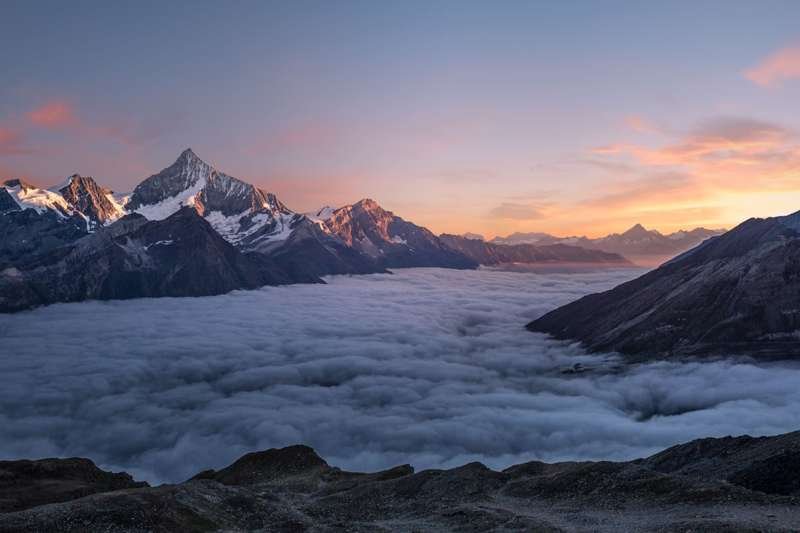
The view most people miss is the one straight down. From the Tianchi ridge the lake reads as a small bright shape only when you look through your feet. Crouch, brace, and fire a burst, and one of those frames always lands. The Flaming Mountains area, by contrast, gives you color you can shoot from the cabin side window without crouching, because the red stone sits low and broad beside the line. Take both angles and you double your keep rate.
Time the glass, not the summit
Clean windows are a morning thing. By afternoon the cabins fog with breath and dust and your keep rate drops. Ride early, shoot early, and download before the wind builds. The single best photo I have from Xinjiang came from a cabin at 8:40, long before the crowds, when the lake was a flat mirror and Bogda stood clean above it. I have chased that light every morning since and never quite matched it.
Accessibility and less-mobile travel
This is where lifts earn their place. Xinjiang’s headline sights, Kanas boardwalks, Tianchi shores, canyon shelves, often assume strong legs. A gondola or chairlift changes the math. At Tianchi the Mayashan line let a traveler with a bad knee reach a viewpoint that would otherwise need a hard ridge walk. At Tianshan Grand Canyon the lift did the same for the amphitheater, and at Sayram a short platform saved a grandparent the climb to the rim.
Call ahead where you can. Not every lift is wheelchair rated, and some cabins are too small for a chair. The bubble cabins at Tianchi were the most accommodating I tried, wide enough to turn and low enough to step into. Resort lifts near Urumqi varied, so ask at the base before you buy, and watch the attendant’s face more than the sign. Staff were honest about which ones fit a mobility device, and one walked me to the step-free cabin without my asking.
What to carry for a calm ride
Height brings wind and a ten-degree drop from the valley. I now pack a windbreaker, a lens cloth for the window, and a passport copy for any senior or child rate. The cloth matters more than the coat, because a smeared pane ruins the one shot you came for. None of it is heavy, and all of it earns its place by the top station.
When to ride and how to plan
Wind closes cabins. I watched the Nanshan chairlift stop for an hour on a gusty August afternoon, and the Tianchi line slows in storm. Build buffer into any day that depends on a lift, and buy the scenic gate early so you are at the lower station before the weather turns. The high mountain passes piece is worth a read before you commit to a northern route, since road and lift closures travel together and a shut pass often means a shut view.
Pair lifts with the right base. Tianchi works as a day trip from Urumqi, and the lake gate opens early enough for a calm morning ride. Sayram needs the Bortala gateway and a night nearby, because the loop alone eats a full day. Kanas wants two days minimum if you hope to catch both a morning and an evening lift. Plan the ride for the calm part of each morning and let the afternoon be for the low trails and the long drives home.
I left Xinjiang convinced the cable cars are the most underrated part of the trip. The highways show you the region’s scale, and the gondolas show you its depth. Ride at least one, ride it early, and let the cabin do the climbing while you do the looking.