
How Much Does Food Cost in Xinjiang in 2026? Real Meal Prices for Travelers
People warn you that Xinjiang is big, but nobody warns you how cheap the food is once you know where to sit. During my three weeks on the road in 2026, from Urumqi out to Kashgar and up to Yining, I averaged about ¥90 a day on meals without once skipping a plate I wanted. Here is what real food actually costs, drawn from receipts I kept on purpose.
Breakfast: The Cheapest Meal of the Day
Start with the morning staples and you will rarely spend more than ¥15. A bowl of plain laghman noodles with a fried egg on top ran me ¥12 in a Kashgar side street, and a stack of flaky sesame flatbread with milk tea came to ¥8 in Yining. The portions are generous, so most mornings I ate once and did not think about food again until noon.
Cafes catering to travelers charge more, around ¥35 for coffee and a pastry, but the local breakfast spots near any bus station will feed you for pocket change. My rule was simple: follow the elderly locals, not the neon signs.
Lunch: Noodles, Rice and the ¥20 Sweet Spot
Lunch is where the value peaks. A full plate of hand-pulled noodles with beef and vegetables sits at ¥18 to ¥25 across most of the region. In Kuqa I found a hole-in-the-wall doing a spicy cold noodle bowl for ¥16, and in Urumqi the mall food courts pushed ¥28 for the same thing with air conditioning.
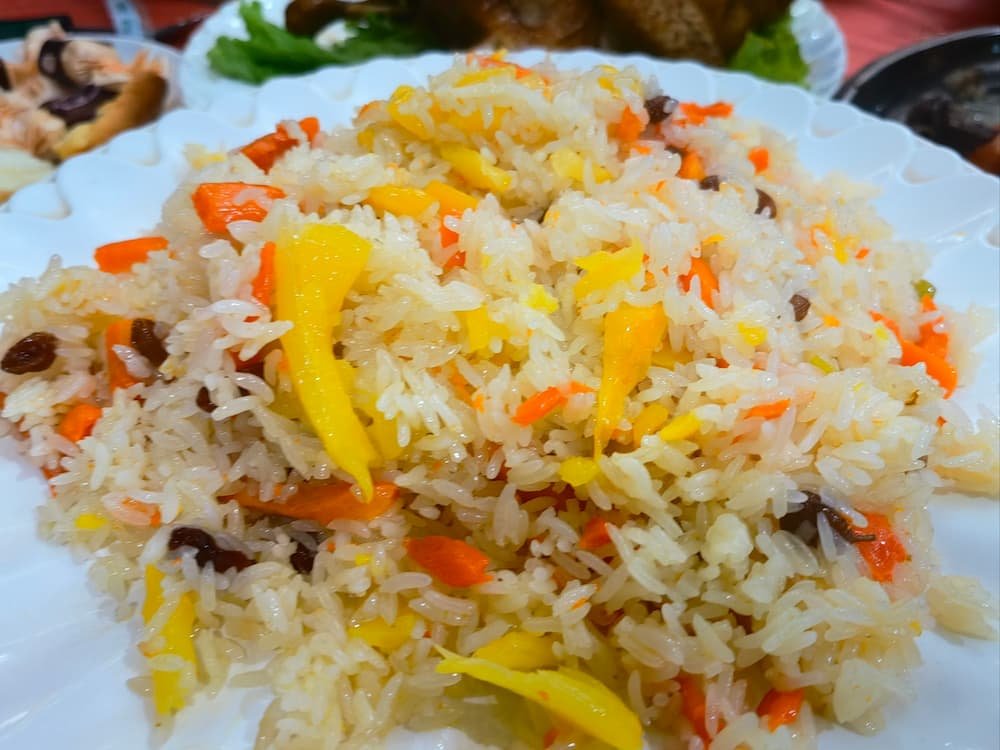
If you want rice instead, a clay pot of chicken with flatbread, the famous street dish, costs about ¥30 for a single portion and ¥45 for two to share. That single pot fed me and a hitchhiking German traveler we picked up outside Turpan, and neither of us left hungry.
Dinner: The Big Spend, Still Under ¥60
Dinner is the meal where bills climb, but slowly. A sit-down Uyghur restaurant in Kashgar old town charged ¥48 for a shared platter of grilled mutton skewers, ¥22 for a plate of stir-fried greens, and ¥18 for fresh naan, so two people walked out full at roughly ¥55 each. In the north near Sayram Lake, where everything is trucked in, those same plates ran ¥10 to ¥15 higher.
The remote premium is real but modest. Expect a 20 to 30 percent bump at scenic-area restaurants and yurt camps, where a basic noodle soup might hit ¥38 instead of ¥25. I learned to eat my big meal in town and carry snacks for the viewpoints.
Street Food and Night Markets
The night markets are the soul of the region and the best deal after dark. In Urumqi’s liveliest food street, mutton skewers went for ¥3 to ¥5 each, a stuffed flatbread was ¥10, and a cup of sweet yogurt with nuts was ¥8. Kashgar’s night market near the old city was even cheaper, with grilled fish from the local river at ¥25 a whole fish split three ways.
Yining surprised me most. Its evening bazaar had a row of ladies selling boiled corn, roasted pumpkin, and fruit skewers at ¥5 a stick, and I built a full dinner for ¥20 just grazing. For a wider map of where to graze, our night markets and street food guide for 2026 lists the exact blocks I keep going back to.
What a Full Day of Eating Costs
Add it up and a realistic daily food budget lands here: ¥15 breakfast, ¥25 lunch, ¥55 dinner, ¥20 snacks and tea, equals about ¥115 if you eat like a local every meal. Splurge on one nice restaurant a week and the average still sits near ¥130. Compare that to the ¥200 to ¥300 a day you would burn in a European capital and the math explains why road-trippers stay an extra week.
Western-style restaurants and hotel buffets break the pattern fast. A hotel breakfast buffet in a four-star Urumqi property was ¥68, and a pasta dinner aimed at tourists hit ¥78 for a small bowl. Fine occasionally, but do it nightly and your food bill doubles.
Regional Price Differences
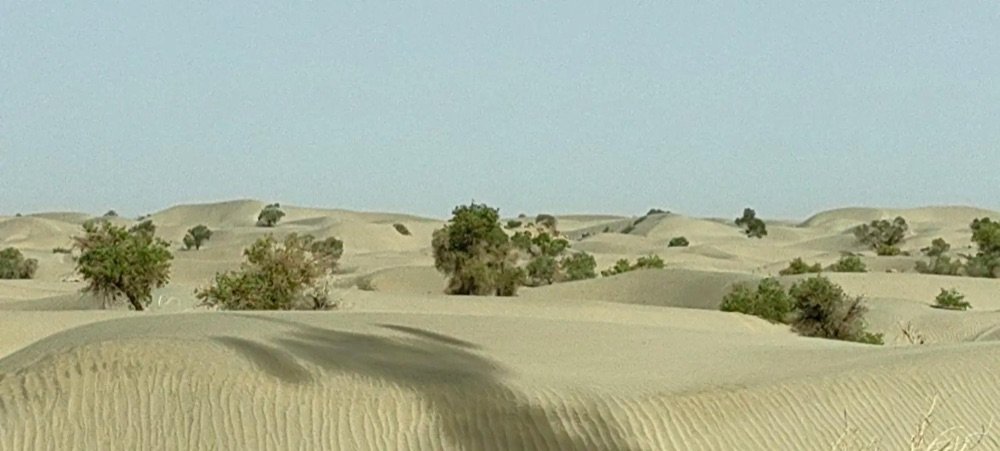
The south is cheaper than the north on almost everything fresh. Kashgar and the Taklimakan edge grow their own produce and lamb, so a market tomato costs ¥2 a kilo and mutton hovers around ¥45 a kilo at the butcher. Up in Altay and around Kanas, the short season and long supply lines push restaurant prices up by a third, and a simple noodle soup at a lakeside stop was ¥40 last September.
The Pamir plateau is its own category. Below Tashkurgan, where barley and yak dominate, a bowl of thick noodle soup was ¥28 and a plate of fried potatoes ¥20, but choices thin out fast. Carry a loaf of naan and some fruit from Kashgar and you will save both money and worry.
Halal Dining and How to Spot It
Most restaurants here are halal, marked by a green sign with Arabic script and often the word for the certification in the local language. As a foreign visitor you do not need to be Muslim to eat in them, and the standards are clean and consistent. Pork is rare outside a few Han-run spots in big cities, so if you see the green sign you know exactly what you are getting.
When you want to be sure before you sit, our halal restaurant finder and dining card gives you a pocket reference and a few polite phrases that smooth the ordering process enormously.
Vegetarians and Picky Eaters
Going meat-free is harder but far from impossible. The flatbreads, noodle soups with vegetable broth, and roasted vegetable skewers carry you through most towns, and Yining’s markets are a vegetable paradise in June. Expect to repeat the same three dishes some days, and budget the same ¥90 to ¥110 range since you are not paying for meat.
For a full rundown of what to order and where the kitchens will actually accommodate you, our vegetarian and vegan food guide covers the gaps I ran into on the northern loop.
How to Order Without Fluent Chinese
You do not need the language to eat well. I pointed at the pot, held up two fingers, and smiled, which worked in every small town from Dushanzi to Khotan. Translation apps handle menus badly because the characters are regional, so photos on the wall and the universal point-and-nod system beat any app.
Carry small bills. Many noodle counters and skewer stalls are cash only, especially outside the cities, and a ¥100 note for a ¥17 bowl annoys everyone. I kept a stack of ¥10 and ¥20 notes just for food.
The Dishes Worth the Money
If you only try five things, make them the hand-pulled noodles at ¥18 to ¥25, the mutton skewers at ¥3 to ¥5 each, the clay-pot chicken with bread at ¥30 to ¥45, the fresh naan at ¥3 a piece, and the seasonal melon at ¥2 a kilo in summer. None of these disappointed, and together they define why eating here feels like a bargain rather than a compromise.
For the fuller picture of regional specialties and the towns that do them best, our what to eat and where guide is the companion I wish I had on day one, and the Uyghur restaurant guide explains the menu items that confuse first-timers.
Drinks, Tea and the Hidden Costs
Hot tea at a restaurant is almost always free and refilled without asking, which quietly saves you a small fortune over a long trip. Bottled water runs ¥2 to ¥3 at any corner shop and ¥5 at a scenic stop, so I bought a case whenever I saw a town supermarket and topped up at viewpoints. Freshly squeezed pomegranate juice in Kashgar was ¥10 a glass and worth every yuan after a salty skewer dinner.
Beer is the one drink that stings. A local bottle at a restaurant was ¥8 to ¥12, but imported brands in Urumqi hotels hit ¥35. Wine from the regional vineyards near Turpan is a genuine bargain at ¥60 a bottle and pairs with lamb better than you would expect from a place most visitors only associate with grapes.
Supermarkets and Self-Catering
When you have a rental with a cooler, the supermarket game changes your budget. A kilo of summer melon was ¥2, a loaf of factory naan ¥4, and a bag of walnuts from the Ili valley ¥15, so a day of grazing from the trunk cost me under ¥30. Urumqi has full-size grocery stores with cold sections where I stocked yogurt and cold noodles for long Duku Highway days when nothing would be open for hours.
The trick is timing. Small-town shops close early, often by 9 p.m., and the scenic areas have no real grocery at all. I learned to refill the cooler every time I passed a county seat, because the next one could be 150 km away.
Tipping, Taxes and What Never Appears on the Bill
Unlike the West, there is no tipping culture and no surprise service charge slipped onto the table. The price on the menu is the price you pay, and a ¥25 noodle bowl never becomes ¥31 at the register. This transparency is a relief after Europe, and it makes daily budgeting almost boring in the best way.
The only add-on you might meet is a tiny fee for unlimited tea at fancier spots, usually ¥2 a person, and even that is rare. Check the bottom of the menu once and you are done guessing.
Food Safety on the Open Road
Street food here is cooked hot and served immediate, which makes it safer than a lukewarm buffet back home. I never got sick from a skewer or a noodle pot, but I did once drink tap water in a guesthouse near Sayram Lake and paid for it with a quiet day in the car. Bottled or boiled only, everywhere, no exceptions.
Peel your own fruit, skip the pre-cut trays that have sat in the sun, and trust the stalls with the longest local lines. A crowded morning market in Yining is about as safe as food gets, because the turnover is relentless and the grandmothers are ruthless about freshness.
Seasonal Swings in Price
Summer is the glut. June through August floods the markets with melons, apricots, and grapes at ¥2 to ¥4 a kilo, and restaurant prices stay flat because supply is endless. Winter tells a different story: greenhouse vegetables in January cost double, and a simple vegetable dish in Altay jumped from ¥18 to ¥32 compared with my July notes.
The one spike to avoid is Golden Week in early October, when domestic tourists flood the south and some Kashgar restaurants quietly raised set-menu prices by 20 percent. I timed my Pamir trip for late September and ate cheap the whole way.
Paying: Cash, WeChat and Alipay
Foreign card acceptance at restaurants is spotty, and the local payment apps need a Chinese bank card most visitors do not have. Cash is king at stalls and small noodle counters, so I carried ¥300 to ¥500 in small notes at all times. Larger restaurants in Urumqi and Kashgar old town increasingly take international cards or a payment QR linked to a tourist wallet, but do not count on it past the city limits.
My habit was to withdraw cash at every county town ATM and treat the phone payment as a bonus when it worked. That simple discipline meant a dead app or a refused card never once cost me a meal.
My Practical Food Budget for 2026
Set aside ¥110 to ¥140 a day if you eat local, add ¥60 on the days you drive the remote north or the Pamir, and keep ¥200 in cash loose for markets and stalls. That plan kept me fed, happy, and well within a modest travel budget across more than 3,000 km of driving. The food is not just cheap, it is the best part of the trip.