
Xinjiang’s Reed Marshes: The Hidden Wetlands Behind the Deserts
The Green Behind the Gold
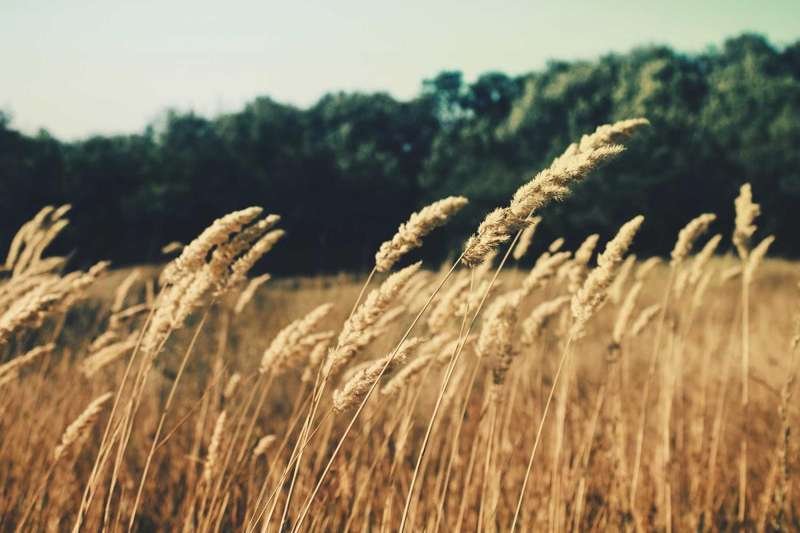
Xinjiang sells itself as desert, and desert it is, but the thing that keeps the desert alive is water, and the thing that water builds at its edges is reed marsh. These vast stands of Phragmites line the region’s lakes and river mouths in a way that surprises first-time visitors. I drove past the Ebinur lake shore and pulled over simply because the wind was moving a wall of reeds like a field of wheat, and I have been chasing these wetlands ever since. This is a guide to finding and reading them.
Most travellers arrive with a list of canyons, glaciers, and sand dunes, and the reed beds are never on it. That is exactly why they deliver. The first time I stepped off the road near a small wetland south of Korla, the heat of the drive dropped away the moment I walked into the reeds. A cooler, wetter air took its place, and a sound like a whole orchestra tuning up. You do not photograph that sound, but you remember it for years. The marshes are the quiet half of Xinjiang, and they are far bigger than the brochures admit.
Reed marshes form wherever a lake or river slows and silts. In Xinjiang that means the fringes of Bosten, Ebinur, Ulungur, and the smaller wetlands tucked behind the oasis towns. They are not glamorous in the postcard sense, but they are alive in a way the open desert is not, full of rustling sound, insect hum, and the sudden flush of birds. For a traveller tired of scree and sand, an hour in a reed bed is a reset.
Why They Matter Here
The reeds do quiet, enormous work. They filter the water that feeds the oases, they trap the dust that would otherwise bury the fields, and they give the only cover for hundreds of kilometres to creatures that cannot survive on bare ground. The wildlife photography guide is built around exactly these margins, because that is where the animals are.
There is also a human story. Reed has been cut here for millennia to build roofs, fences, and the frames of winter shelters. In many villages you still see stacks of dried reed taller than a person, and the cutting season in late autumn is its own kind of harvest festival. The marsh is not wilderness separate from people; it is the pantry and the lumberyard.
I learned this the slow way. On a cold morning in November I watched a family near Bosten load bundled reeds onto a donkey cart, the bundles so tight and pale they looked like rolled paper. The father told me, through a translator, that the best cutting happens after the first hard frost, when the stalks have given up their seed and the fibres are at their strongest. He was proud of the work in a way that had nothing to do with tourism. That conversation changed how I looked at every roofline in every village afterwards.
Where to Find Them
The most accessible reed marshes sit at Ebinur lake in Jinghe county, a salt lake ringed by vast reed beds that turn copper in autumn. Bosten, the big freshwater lake, has reed shores you can walk and even boat through, described in the Bosten lake guide. Up north, Ulungur lake combines reeds with fishing villages, a combination that gives you both the wild sound and a hot bowl of fish afterwards.
For a quieter experience, the smaller wetlands behind the self-drive fishing lakes often have reed fringes you can reach on foot. Ask at the local village which track are safe; some marshes are knee-deep mud under the plants, and a wrong step means a stuck boot and a long walk back.
Ebinur: Salt, Wind, and a Wall of Reeds
Ebinur sits low and bright at the western end of the Junggar Basin, and the wind there never quite stops. I reached the shore on a paved road that ran out about 12 km short of the water, then continued on a gravel track that the locals use for the salt trucks. The reeds begin long before the lake does, a band maybe two kilometres wide that glows copper in October. Stand at the edge and the whole stand leans one direction, combed by the same wind that pushes whitecaps across the salt water behind it.
What I did not expect was the smell. Ebinur is a salt lake, and the air carries a mineral edge that sticks in your throat if the wind turns. Bring water. The birding is the real draw, though; the lake is a stop on a Central Asian flyway, and on a good morning in April you can watch thousands of birds work the reed line. I am not a birder by training, but even I could tell something extraordinary was happening when the reeds emptied of sound for a breath and then filled with it again.
Bosten: The Big Freshwater Reed World
Bosten is different in every way that matters. It is freshwater, it is enormous, and the Tianshan rise behind it so close you feel you could reach out and touch the snow. The lake lies about 20 km from Korla, and the reed beds begin where the farmland ends, a green belt that in places runs for tens of kilometres along the shore. I rented a small boat near a village on the eastern arm and let a local man pole me into the reeds. We moved through channels so narrow the stalks brushed both gunwales.
Inside the reed maze the wind died and the temperature dropped. Dragonflies the size of thumbnails patrolled the channels. My boatman cut the motor and we drifted, and for twenty minutes the only sound was water ticking off the reeds. That is the pleasure of Bosten: you can have the wild silence and still be twenty minutes from a hot meal and a bed.
Ulungur: Reeds and a Bowl of Fish
Ulungur lies up north near the town of Fuhai, colder and wilder than the southern lakes, and the reeds there grow alongside working fishing villages rather than tourist boardwalks. I arrived in late August, after the peak heat, and found the shoreline busy with nets drying on frames and dogs sleeping in the shade of reed stacks. A woman sold me fried fish from a roadside stall for ¥15 a portion, eaten standing up with the lake wind in my face.
The reed fringes here are broader and less tidy than at Bosten, and you can walk them for a long time without seeing another person. I followed a faint track until the reeds opened onto a shallow bay where a single heron stood motionless in the shallows. The light was the flat silver of late evening, and the whole scene felt older than the road I had driven in on. If you want reeds without any performance, Ulungur is the one.
Best Time to Go
Spring brings the nesting birds and the freshest green. Autumn brings the copper colour and the cutting, plus the clearest light for photography. Summer is lush but buggy, and the reed margins are exactly where the mosquitoes live, so plan your clothing and repellent if you go then, because the biting insects in July can make a still morning miserable.
I favour late September. The reeds are tall and golden, the mosquitoes are gone, and the light lies low across the water. A calm morning after a cool night gives you mist rising off the marsh, which is the image everyone secretly wants and almost nobody plans for. The window is short. By mid October the cutting has started in the villages and the stands thin out fast, so if golden reeds are your goal, the last two weeks of September are the sweet spot.
Reading the Light and the Weather
The marshes keep their own clock. Reed beds photograph best in the first hour after sunrise and the last hour before sunset, when the low angle turns the stalks to gold and the water goes mirror flat. Midday is harsh and flat and the birds go quiet. I learned to plan my drives around the light rather than the other way: sleep in Korla or Jinghe, be at the water by 7 a.m., and be gone before the heat builds. Weather matters too. A north wind at Ebinur can drop the temperature ten degrees in an hour, and a sudden storm on Bosten sends the boatmen ashore. Check the local forecast for the lake town, not the regional capital, because these basins make their own weather.
How to Explore Without Harming
Stay on the established tracks and boardwalks where they exist. The marsh is fragile; a single footpath braided through the roots becomes a channel that drains the whole stand. Keep dogs leashed and drones low and brief, because the birds nest on the ground and a panicked flush can cost a clutch of eggs.
Bring rubber boots if you plan to leave the path, and never go alone into deep reed where you cannot see your exit. The plants grow dense enough to disorient, and the open water between stands is colder and deeper than it looks. The general principle for being out where help is far is simple: tell someone your route, carry more water than you think you need, and turn back before you are tired. A satellite messenger costs little and weighs nothing, and the reeds are exactly the kind of place where a twisted ankle turns serious by dusk.
Boats, Boardwalks, and Mud
Most of the best reed country is reached one of three ways: a boardwalk built for exactly this, a small boat hired from a village, or your own two feet on a track someone vouched for. The boardwalks are easiest and safest, and the one at the Bosten eastern arm is long enough to lose the car park noise within five minutes. Boats get you deeper and cost more; expect to pay roughly ¥80 to ¥120 an hour for a poled boat with a boatman, negotiable down if you go early and agree to a fixed time. Feet are free but riskiest, and the mud between the stands is the part that catches people out. I sank to my ankle on a flat-looking stretch near Ulungur and spent ten minutes working my boot free, which is funny in retrospect and less funny at the time.
What You Actually See
Patience is the tool. Stand still for ten minutes and the marsh stops performing for you and gets back to work: a reed warbler scolding from a stalk, a frog the size of a coin, the silver flip of a fish in the channel, and, if you are lucky, the slow heavy wingbeat of a bird you will spend the evening identifying. The reeds hide more than they show, and that is the pleasure.
You will not tick off a list in a reed bed. You will instead collect small moments: the way the light lays across the water, the sudden silence before a flock lifts, the cold weight of a borrowed pair of rubber boots. I have come to think of the reed marshes as the region’s lungs, the green counterweight to all that advertised sand. You will not brag about them the way you brag about a canyon, but you may remember them more clearly, because they are the places that felt alive.
Practical Notes for the Self-Driver
A few things I wish I had known on the first trip. Fuel up before you leave the last town; the wetlands sit far from petrol stations, and I once drove 60 km past the last pump before realising the gauge was lower than I liked. Carry cash in small notes, because the roadside fish stalls and the boatmen often do not take cards, and ¥20 here and there adds up faster than you expect. Start early. The drives to Ebinur from Jinghe, to Bosten from Korla, and to Ulungur from the north are all doable in a morning, but the light and the birds wait for no one, and a late start means you arrive at noon when everything has gone quiet.
Give each marsh a full half day, not a drive-by photo stop. The first twenty minutes at any wetland are the worst, because you are still moving like a tourist and the place has not admitted you yet. Sit. Let the wind do the work. By the time you stand to leave you will have seen three things you would have missed from the car window, and you will understand why I keep pulling over for a wall of reeds.
What Stays With You
I still think about a single morning at Bosten, the boat drifting, the Tianshan pink behind the reeds, a cold bottle of water sweating in the bottom of the hull. No drama. No summit. Just water, grass, and the slow business of a wetland waking up. That is the part of Xinjiang the travel posters skip, and it might be the part worth the most petrol. Drive past the gold once. Then pull over for the green.