
Ulungur Lake: Fishing Villages & Bird Watching Guide
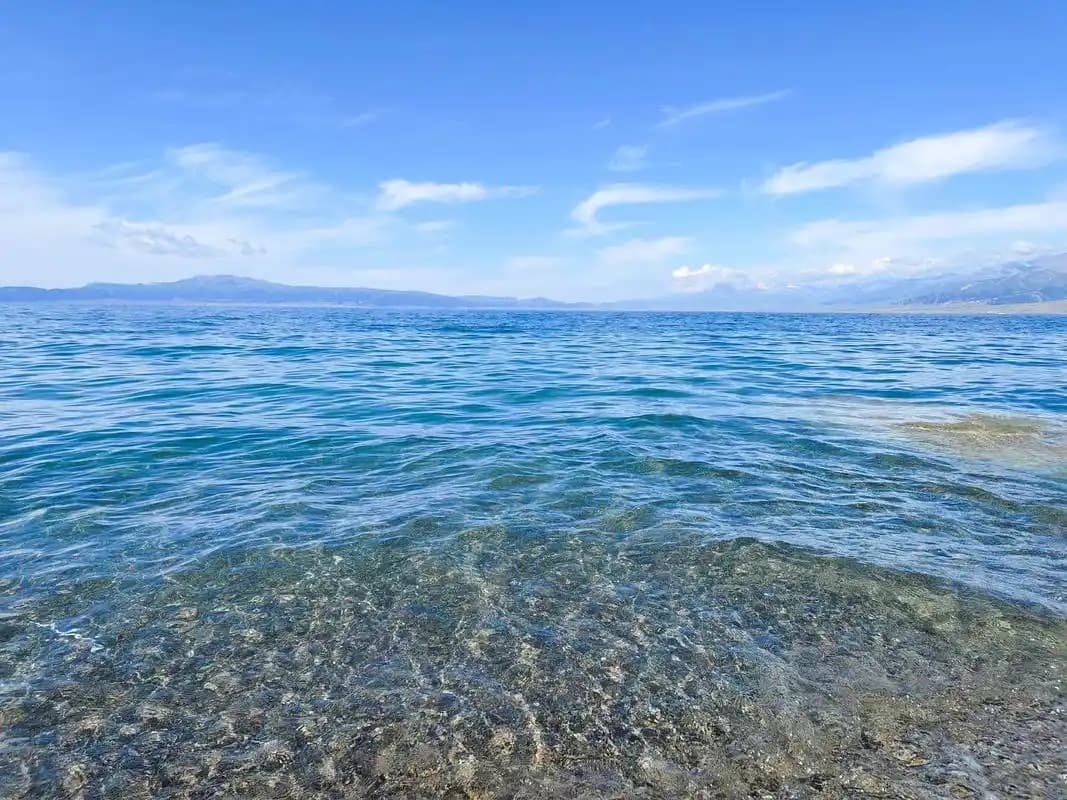
Everyone piles into Burqin to chase Kanas, and then they drive right past the better lake on the way. Ulungur sits 85km east, flat and wide and almost empty, and the first time I rolled up to its shore I had it to myself for an hour. No ticket gate crowd, no bus convoy, just a fishing boat chugging out at dawn and a wall of reeds alive with bird noise. If Kanas is the postcard, Ulungur is the place locals actually go to eat fish and breathe.
I’ve now spent two nights on its shore, eaten more freshwater fish than is reasonable, and watched cranes I couldn’t name land in the reeds. Here’s the honest version of what’s there, what it costs, and why it might beat the famous lake for a traveler who hates lines.

Why Ulungur Beats Kanas for Quiet Travelers
Kanas takes a ¥230-ish ticket plus a shuttle you can’t skip, and in October the boardwalks are shoulder-to-shoulder. Ulungur has no general entry fee for the open shore — you pay only for specific spots like the Sea Devil City yardang area (¥45 in 2024). I walked the north bank for free for two hours. The lake is enormous: about 1,000 square kilometers of water split between the big Buluntuo Lake and the smaller Jili Lake to the east, and you can always find a stretch with no one on it.
The trade is amenities. Ulungur isn’t polished. The paths are dirt, the signage is in Chinese and Kazakh, and your phone will drop to one bar. That’s the point. If you want a timed photo op, go to Kanas. If you want a lake that hasn’t been styled for you, this is it.
The Fishing Villages
The working town is Xietearale (解特阿热勒镇), on the south shore near the fish farms, and it’s where the day’s catch comes in. I watched a boat unload around 8am — crates of white fish and a single northern pike (白斑狗鱼) that must have weighed nine kilos. The processing yard smells of scales and diesel, and the old men there will talk your ear off about the ice-fishing season if you buy the tea.

On the north side, near the yardang cliffs, there’s a scatter of seasonal fishing huts they call the Bird Island stretch (鸟岛一带). It’s not a village so much as a row of cabins, but in May the reed beds behind them hold thousands of nesting birds. I wouldn’t call it a tourist stop — it’s a working shore — but standing there at sunrise with the mist off the water was the quietest moment of my whole Altay trip.
Next step: base in Fuhai town (福海县), 20km south of the lake, where the hotels and the best fish restaurants actually are. Drive out at 7am if you want the boats and the birds; by 11am the shore goes still and hot.
Bird Species and the Best Months
Ulungur sits on the Central Asian flyway, and the reed beds are a refueling stop for migrations both ways. I’m no birder, but even I could pick out the ruddy shelducks (赤麻鸭) by their orange bodies, the cormorants (鸬鹚) drying wings on the posts, and a pair of whooper swans (大天鹅) that stayed late one October. Locals told me grey cranes (灰鹤) and bar-headed geese (斑头雁) pass through in force during May and September.
| Species | Peak Month | Where |
|---|---|---|
| Ruddy shelduck | May, Sep | North reed beds |
| Cormorant | Jun–Aug | Fishing posts |
| Whooper swan | Oct–Nov | Jili Lake east |
| Grey crane | May, Sep | Bird Island stretch |
| Egret | Jul–Aug | Shallow south bay |
Bring binoculars and a long lens; the birds are skittish and the viewing is across water, not from a blind. My broader notes on Xinjiang wildlife watching cover the gear and timing that worked across the region.
The Fresh Fish Feast — What to Order and What It Costs
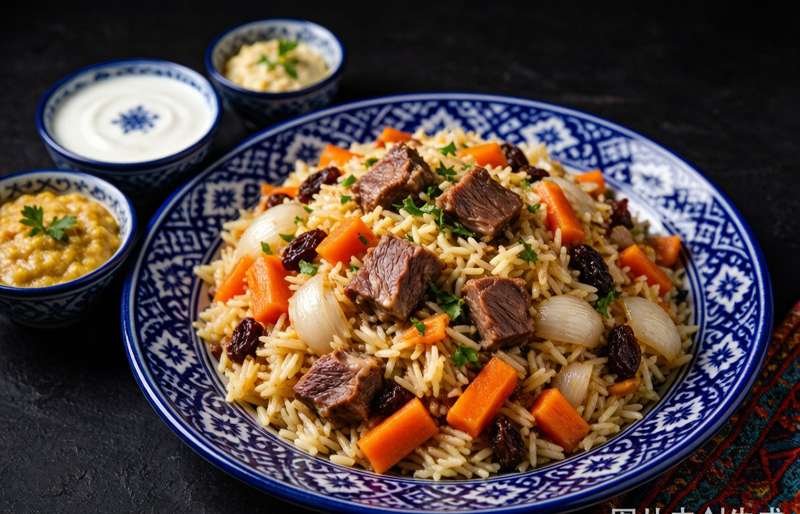
This is the real reason Ulungur exists on the map. The lake’s northern pike (白斑狗鱼) is the prize: firm, mild, and nothing like the muddy pond fish you get elsewhere. In Fuhai I paid ¥98 per kilo for a live pike cooked two ways — sliced raw-ish in a hot broth and pan-fried with cumin. A full fish banquet for three ran me ¥340 including rice and tea, and we left stuffed.
The “five-striped” perch (五道黑) is cheaper at around ¥60 a kilo and better fried whole. White fish (白鱼) goes into the soup. Order the “一鱼三吃” (one fish, three ways) if you’re four people; it’s the standard local move and usually ¥200-280 for the set. Skip the frozen fillets at the roadside stands — go to a restaurant in Fuhai town where the tanks are alive.
Next step: eat at a place with a bubbling tank by the door, point at the fish you want weighed, and confirm the price per kilo before they cook. I got caught once on a “market price” that was 30% above the board — ask first.

Boat Rental and Kayaking
The fishing boats near Xietearale will take you out for ¥150-200 an hour if you negotiate at the dock, not through a hotel. I did a slow hour around the south bay for ¥180 and the captain cut the engine so we could listen to the birds. No life jackets provided, so bring your own if that bothers you — I wore mine and looked like the only tourist who did.
Kayaking is unofficial. A guesthouse owner in Burqin lent me a plastic sit-on-top and I paddled the calm Jili Lake inlet for free at sunset. The water is shallow and warm in August. Don’t go past the channel mouth — the main lake gets a chop that’ll flip a kayak fast.
Day Trip From Burqin vs Overnight
Burqin to the lake shore is 85km and about 90 minutes on the S21 and G216. A day trip is doable: leave Burqin at 6:30am, fish breakfast in Fuhai by 8, shoreline until noon, back for a Burqin dinner. That’s what most people do, and it’s fine.
But staying overnight changed the trip for me. The 7am boat unload, the empty dawn shore, the stars with no town glow — you only get those if you sleep in Fuhai. Budget hotels there run ¥120-180, the fish is fresher (caught that morning, not yesterday’s), and you beat the Burqin day-trippers by three hours. I’d overnight every time now.

The North-Shore Yardangs — Sea Devil City
On the lake’s north edge, wind and water have carved the soft rock into a field of hoodoos they bill as “Sea Devil City” (海上魔鬼城). It’s a separate gate from the open shore, ¥45 in 2024, and the formations are genuinely weird — eroded pillars and arches in rust and cream, with the water lapping at their base. I walked the boardwalk loop in 40 minutes and got the best photos at the western point where a fallen arch frames the lake. Go at 7pm; the low sun turns the rock orange and the tour buses have gone.
It’s touristy in a light way — a few souvenir tents, no hard sell — and worth the separate ticket if you like geology or just want a weird landscape. Combine it with the fishing village in one morning: village at 7am, yardang at 9:30 before the heat.
October Fishing Festival and the Weather
The lake’s big event is the autumn fishing festival in early October, when they net the season’s catch in a public haul and the town fills with临时 stalls. I caught the tail of it one year — fresh-grilled white fish skewers for ¥10, a crowd, and a lot of pride from the old fishermen. Hotel prices in Fuhai double that week, so book two weeks out or skip the dates.
Weather-wise, May and September are the sweet spots: 18-25°C, low bugs, active birds. July and August hit 34°C on the shore and the mosquitoes in the reeds are brutal — I went through a full can of spray in an evening. Winter closes the water sports and freezes the lake solid enough for ice fishing, which the locals love and I haven’t tried.
Practical Numbers
| Item | Detail |
|---|---|
| Lake area | ~1,000 km² (Buluntuo + Jili) |
| Burqin to shore | 85 km / 90 min |
| Sea Devil City entry | ¥45 (yardang area only) |
| Fish banquet (3 people) | ¥280–340 |
| Boat hire | ¥150–200 / hour |
| Best birding | May & Sep; swans Oct–Nov |
Where to Sleep
Fuhai town is your base. I’ve listed the specific guesthouses and the one hotel that takes foreign cards in my boutique stays guide — Fuhai isn’t on the main tourist map so the good beds are easy to miss. Book ahead in the October fishing festival week; the town fills and prices double.
Getting to Fuhai and the Shore
Fuhai County seat is the hub, 20km south of the main shore and reachable from Burqin in 90 minutes or Urumqi in about 7 hours by road. The county bus from Burqin is ¥25 and drops you at the Fuhai station, where minivans to the lakeside villages leave when full for ¥15 a seat. I took the minivan once and it waited 25 minutes to fill — slow but cheap, and the driver pointed out every bird on the way. A hired car from Burqin runs ¥200-260 and saves the wait, which I’d take if you’re on a tight loop.
Fuel and cash in Fuhai before you go; the shore has no station and the village shops are cash-only. The signal drops to nothing past Xietearale, so download your maps in town.
What to Pack for the Shore
Binoculars first — the birds are the point and they’re across water. Then bug spray (August is savage), a windbreaker even in summer (the lake wind is cold), sandals for the muddy shore, and a reusable container if you buy fish to cook at the guesthouse. I also carry a small foldable mat to sit on the reeds without getting soaked. None of it is specialist gear, and all of it got used on both my visits.
Summary
Ulungur is the lake you go to when Kanas feels like a theme park. No gate crowd, a real fishing culture, swans and cranes on the flyway, and a pike feast that beats anything canned. Base in Fuhai, be at the shore by 7am, negotiate the boat at the dock, and ask the fish price before they cook it. Day-trip from Burqin if you must, but overnight if you want the dawn. Either way, skip the roadside frozen fillets and eat where the tanks are alive.