
Bringing Your Bike to Xinjiang: Rack, Routes, and Trailhead Loops
Bringing your own bike to Xinjiang
Xinjiang has world-class road and gravel riding, but renting a decent bike there is hit or miss, and your own fit matters on a 100-km ride. So last June I flew into Ürümqi with a hard-case bike box, rented a 4WD with a hitch rack, and spent ten days riding trailheads by day and sleeping in the car by night. It was the best cycling trip of my life and a logistics puzzle I want to save you from repeating blind.
Flying the bike in
Most international airlines treat a bike in a hard case as a standard checked bag or a modest oversize fee (I paid ¥600 equivalent on the China leg). Pack it well: remove the pedals, drop the bars, and pad the derailleur. At Ürümqi airport the case came off the belt fine, and I rebuilt the bike in the rental lot in 25 minutes. Chinese domestic flights are similar; if you are connecting through Beijing or Xi’an, budget an extra handling fee each leg.
One catch: some rental companies refused a roof or hitch rack on their cars. I booked through one that explicitly allowed a “” (bike rack) and confirmed by message before paying. Our car packing guide has notes on rack types that survive the corrugated desert roads.
Rack choice on Xinjiang roads
The province chews through flimsy racks. After a pothole near the Kalajun grassland access road rattled a strap loose, I switched to a rigid platform hitch rack bolted to a 2-inch receiver and never looked back. A roof rack works too but kills your height clearance and fuel economy; for a bike plus a rooftop tent it is too much up top. Platform hitch is the move.
Where the riding actually is
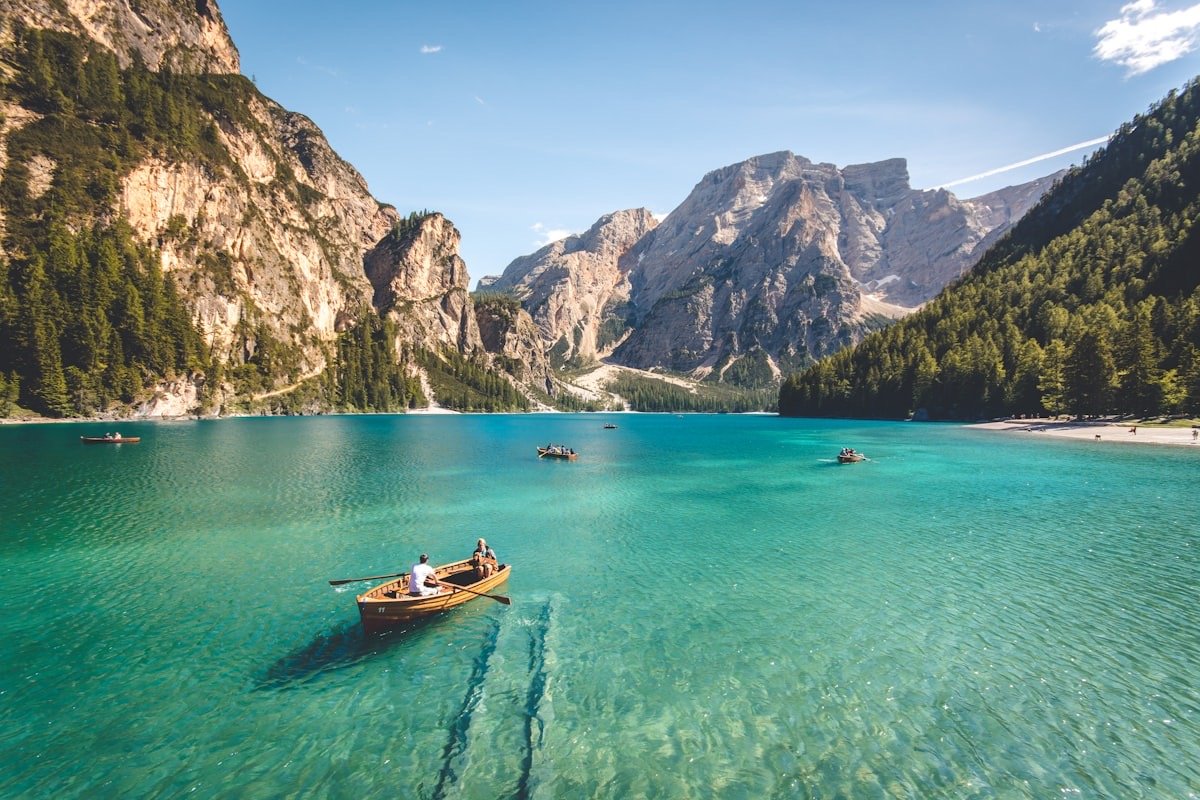
Ili valley. The Ili valley is the cycling heartland — rolling green between snow peaks, empty paved county roads, and the Tangbula gallery for gravel. I rode a 90-km loop out of Yining and saw maybe ten cars.
Sayram Lake ring. The Sayram Lake shore road is ~90 km of paved perimeter with one serious climb on the north side; I rode it counter-clockwise to get the climb done early and the tailwind on the home stretch.
Longer epics. For multi-day riders, our epic cycling routes guide lists the big ones, including the Duku corridor ride and the lake-to-lake gravel crossings.
Driving between rides
The car becomes your support vehicle and hotel. I’d ride 60–120 km from a trailhead, then drive to the next zone while the legs recovered. Parking at trailheads is informal — a pull-off, a friendly herder’s yard, anywhere flat. I kept the bike locked to the rack even at remote starts; theft is rare but not zero near towns.
Hydration and heat are the real hazards. On a 34°C July ride near the Ili floor I went through five liters and still cramped. Carry more water than feels reasonable, and ride at dawn.
What to pack beyond the bike
- A chain tool, spare derailleur hanger (buy the exact model before you fly — none exist locally), and two tubes.
- A compact pump and a patch kit; CO2 is fine but useless if you drop the canister.
- Bike-specific sunscreen and arm sleeves; the UV at altitude is a burn waiting to happen.
- A way to carry water on the bike: two bottles plus a 3-L bladder in the car for refills at the start.
Costs and the honest verdict
Flying the bike round-trip cost me about ¥1,200 in fees; the rack rental was ¥60/day; fuel for the support car another ¥900 over ten days. Worth every yuan. Riding Xinjiang’s empties under your own power, then collapsing into a car you packed yourself, is a different category of trip from bus-tour cycling.
If you only have a week, base in Yining and ride the Ili loops daily. If you have two, add Sayram and a Duku-approach ride. Either way, bring the bike — renting there will frustrate you, and the riding is too good to compromise on the equipment.