
Driving Xinjiang with a Dog: A Real-World Guide to Pet-Friendly Road Trips
Driving Xinjiang with a Dog: A Real-World Guide to Pet-Friendly Road Trips
Last September I loaded my six-year-old Labrador, Baxi, into the back of a rented Toyota Land Cruiser and drove 3,200 kilometers across Xinjiang. We went from Urumqi down to Kashgar, cut north through the Tian Shan, and looped back via the Dushanzi–Kuqa Highway. People told me it could not be done with a dog. It can. It just takes more planning than a normal trip, and a few hard rules about heat and water that I learned the expensive way on day two.
This guide is what I wish I had read before that trip. It covers the paperwork, the car setup, where dogs are actually welcome, and the mistakes that nearly ruined the first week. If you want the broader picture on driving Xinjiang with a pet, start there, then come back for the dog-specific details.
Paperwork: almost none, unless you cross a border
Traveling with a dog inside China is refreshingly simple. There is no nationwide pet passport for domestic travel, and no checkpoint asked me for documents when I drove between prefectures. I carried three things anyway: Baxi’s rabies vaccination certificate, a recent health record from his vet in Shanghai, and a photo of his microchip number. None of the police or highway checks requested them, but having the rabies cert removed any doubt at the one hotel that hesitated.
The rules change the moment you think about leaving the country with the animal. If your plan involves crossing into Central Asia or flying home with a pet, read the international pet import and export rules before you book anything. Quarantine periods can run 30 days, and that math has to fit your itinerary.
The car: crate, harness, and a temperature you can live with
I started the trip with Baxi loose in the back seat. By hour four he was on my lap at every stop sign. I switched to a hard plastic travel crate bolted behind the rear axle, with a mesh harness clipped to the seat belt for the times he rode up front. A crate that cannot slide is not optional. On the G30 at 120 km/h a loose dog becomes a projectile, and the fine for an unsecured pet is the least of your problems.
Ventilation is the real issue. In July and August the cabin can hit 55°C within minutes of parking. I bought a 12-volt fan that clipped to the crate, kept the rear windows cracked two centimeters at all times, and never, not once, left him in the car with the engine off for longer than it took to pay for fuel. At one service area near Toksun the outside temperature read 43°C; I stood in the shade with him for twenty minutes rather than risk it.
Where dogs are actually allowed
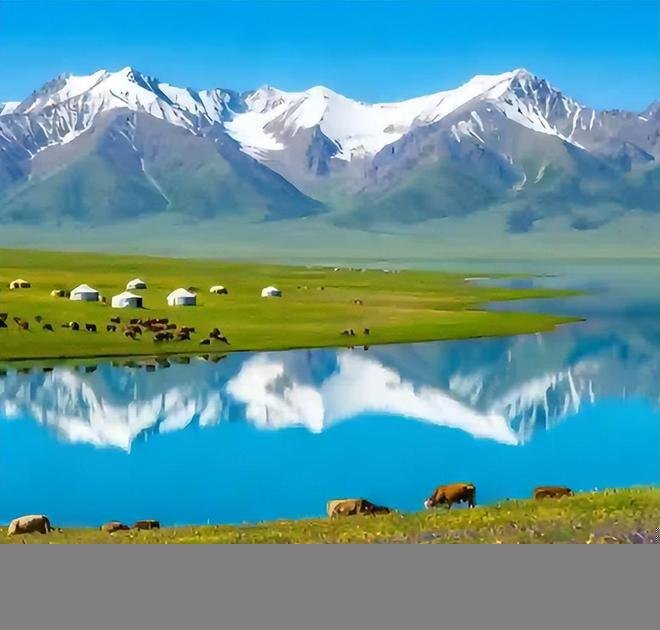
The good news: Xinjiang is mostly outdoors, and outdoors is dog-friendly. Scenic areas like Sayram Lake, the Narat grassland, and the Karakoram Highway pullouts welcomed him on a leash. The bad news: indoor sites do not. Mosques, the museum in Urumqi, and the Turpan underground channels (karez) visitors’ centers turned us away at the door. I learned to rotate: one of us went inside while the other walked the dog along the perimeter path.
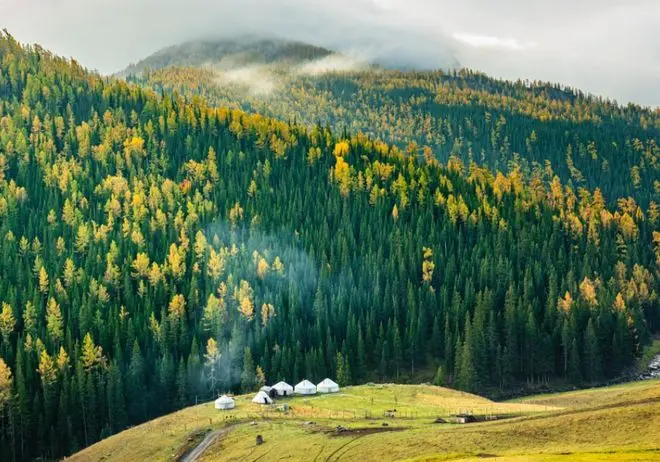
Yurts and Kazakh homestays were the pleasant surprise. In the mountains near Kalajun the herder family fed Baxi scraps of boiled mutton and barely looked up. In city hotels it was a coin toss, which is why I now book stays through the detailed pet-travel accommodation list that rates hotels by how they actually treat animals, not by what their website claims.
Staying somewhere that takes dogs
International-chain hotels in Urumqi and Kashgar were the safest bet, but they charged a cleaning fee of 100 to 200 yuan per night and required the dog to stay crated when we were out. Smaller guesthouses ranged from delighted to flatly refusing. I now call ahead, send a photo of the dog, and confirm in writing. A single five-minute call saved me three refused check-ins on the first trip.
The family driving guide has useful overlap here: the same towns that welcome kids with car seats tend to tolerate dogs, because they are used to messy, loud, living things in the car.
Food, water, and the heat you cannot see coming
I packed 12 kilos of his regular kibble in vacuum bags and never relied on finding the right brand in a county town. Tap water varied; I filled collapsible bowls from sealed bottled water at every stop. Local food is not dog food. The boiled mutton that herders offered was fine in small amounts, but the oily laghman noodles and the spicy cumin kebabs gave him two bad nights. Keep the dog on its own food.
Hydration is the single most important rule in this climate. I carried 10 liters of drinking water for the two of us on desert stretches and offered him a drink every 90 minutes even when he did not ask. Signs of heat stress in a dog are panting that will not stop, bright red gums, and staggering. We had a scare near the Taklamakan edge; fifteen minutes in an air-conditioned shop and a slow pour of water over his neck fixed it. Do not wait for it to get worse.

Daily rhythm that worked
We drove early, from first light to about 11 a.m., then found shade and water by early afternoon when the heat peaked. Evenings were for the second short drive or a walk along a lake. This kept Baxi off the asphalt during the worst of it and matched the general road-safety habits I had already built for solo driving: park smart, keep valuables hidden, never leave the dog where a stranger can reach him through a window.
What I would tell a friend
Bring the rabies cert even though nobody asks. Crate the dog. Carry your own water and food. Call hotels before you book. And respect the heat more than you think you need to. A dog in Xinjiang is a joy on the open grassland and a liability in a July parking lot. Plan for the parking lot, and the grassland takes care of itself.
If you are still deciding whether the trip is right for your animal, the honest answer is that most healthy adult dogs do fine on the road with the rules above. Puppies, very old dogs, and flat-faced breeds should think twice about the high passes and the summer furnace. Everything else is just a longer version of a walk you already take.
Vet visit, vaccines, and the bugs that bite
Two weeks before departure I took Baxi for a full check and made sure his rabies shot was current, not expiring mid-trip. Xinjiang has ticks in the grassland regions and sandflies near the deserts, so I started a flea-and-tick preventative a week early and packed the vet’s phone number in my notes. A dog that picks up a tick on the Narat grassland is a dog with a problem three days later in Kashgar, far from the clinic that knows him. Prevention on the front end is the whole game.
Carry a small dog first-aid pouch: antiseptic wipes, a bandage roll, tweezers for ticks, and any prescription he takes at home. I also packed a collapsible bowl, a short leash for tight markets, and a longer one for open grassland where he could run. None of it is heavy, and all of it got used.
Crossing a border with the dog
If your route leaves China, the planning multiplies. The Khorgos crossing into Kazakhstan and the Khunjerab crossing into Pakistan both have live-animal rules, and neither is casual about them. You need health certificates endorsed by a Chinese veterinary authority, often within a tight window before travel, and the destination country sets its own quarantine. I have not taken Baxi across, but I have watched travelers turned back at Khorgos for paperwork that was a day out of date. If a border is in your plan, start the animal paperwork a month early.
For most visitors the dog stays inside Xinjiang, and that is the easy case. Keep the domestic rabies cert, keep the dog leashed and calm at checkpoints, and you will move through without a second look.
A seven-day loop I would repeat
Day one: Urumqi to Sayram Lake, easy grassland and water. Day two: north to the Yili valley for dairy and wide meadows where a dog can run on a long line. Day three: rest day in a yurt near Kalajun, the herders loved having him. Day four: drive south, overnight in a pet-friendly hotel in Korla. Day five: the desert edge near Lop Nor’s fringe, short walks only in the cool morning. Day six: Kashgar, long evening walk through the old town fringe. Day seven: back to Urumqi, vet check, done.
That loop never asked the dog to do anything extreme, kept him off the worst heat, and still showed him mountains, grass, desert, and a silk-road city. He slept most of the drive home, which I take as the highest praise a dog can give a road trip.
What 3,200 kilometers taught me
The dog changed how I travel, and mostly for the better. I stopped rushing, because a dog needs stops. I started talking to more locals, because a friendly animal is the best conversation starter in a language I barely speak. And I paid more attention to shade and water, which is exactly what the landscape demands of everyone, not just the dog.
Pack a dedicated bag for the animal and never let it share the food cooler. Keep his documents in the same folder as your passport so nothing gets separated at a checkpoint. And lower your daily distance by a third; the trip is better for it. Baxi slept through most of the drives and woke up happy at every stop, which is the only review that mattered to me.
One last word on heat
If you remember nothing else, remember this: the car is an oven and the grassland is a playground. The difference between a good trip and a ruined one is the ninety seconds you spend deciding whether the dog rides in the car or waits in the shade. Make the shade choice every time, and Xinjiang with a dog becomes the best trip either of you will take.